The Family Environment Scale (FES) is a critical tool used at Pinnacle Blooms Network to assess family dynamics, crucial for the holistic development of children with autism and other developmental disorders.
The FES assesses various dimensions of family interactions, including relationships, personal growth, and system maintenance, helping therapists tailor interventions effectively.
Understanding family dynamics is vital as it directly influences a child''s developmental progress and emotional well-being, particularly for children with autism.
FES is recommended during the early stages of therapy to inform treatment strategies and throughout therapy to track the impact of family environment changes.
With an impressive accuracy rate of 97%+, Pinnacle Blooms Network has successfully conducted over 1,00,00,000 personalized assessments using advanced AI technology.
*Names are indicative only and have been changed for privacy protectionA Mother's Realization
Meena always thought her son''s challenges were solely due to his autism. After a Family Environment Scale assessment at Pinnacle Blooms Network, she realized that small changes in their family dynamics could make a big difference. This new perspective transformed their home into a sanctuary of growth and understanding.
Progress : Rohan''s communication improved and family relationships strengthened, making daily interactions joyful.
Experience the change with personalized assessments at Pinnacle Blooms Network. Call 9100 181 181 to book yours today.
*Names are indicative only and have been changed for privacy protectionSuccess Testimonial
Name : Anil
RelationShip : Father
Testimonial : The Family Environment Scale opened our eyes to how we could support Rohan better. The changes have been remarkable. Thank you, Pinnacle Blooms!
Testimonial : Our life changed after the family assessment. Understanding how to interact with Aaradhya has brought surprising improvements. Pinnacle Blooms gave us hope.
These are reference questions and illustrative examples. This section does not collect child responses, calculate scores or produce an individual assessment result.
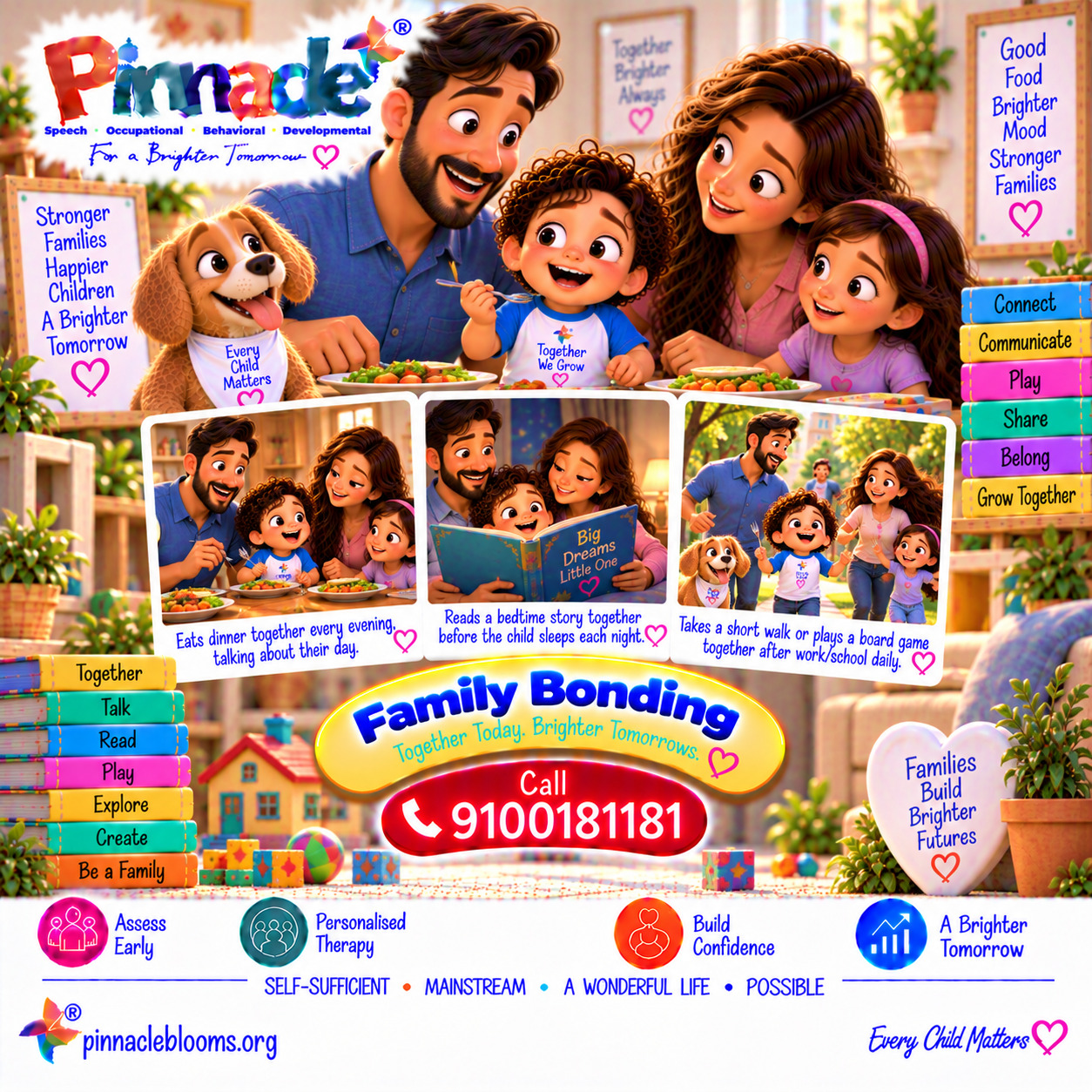
Family Bonding : Do family members spend quality time together daily?
Topic: Family Bonding
Example 1
The family eats dinner together every evening, talking about their day.
Example 2
They read a bedtime story together before the child sleeps each night.
Example 3
They take a short walk or play a board game together after work/school daily.
Example illustrationQuestion illustration
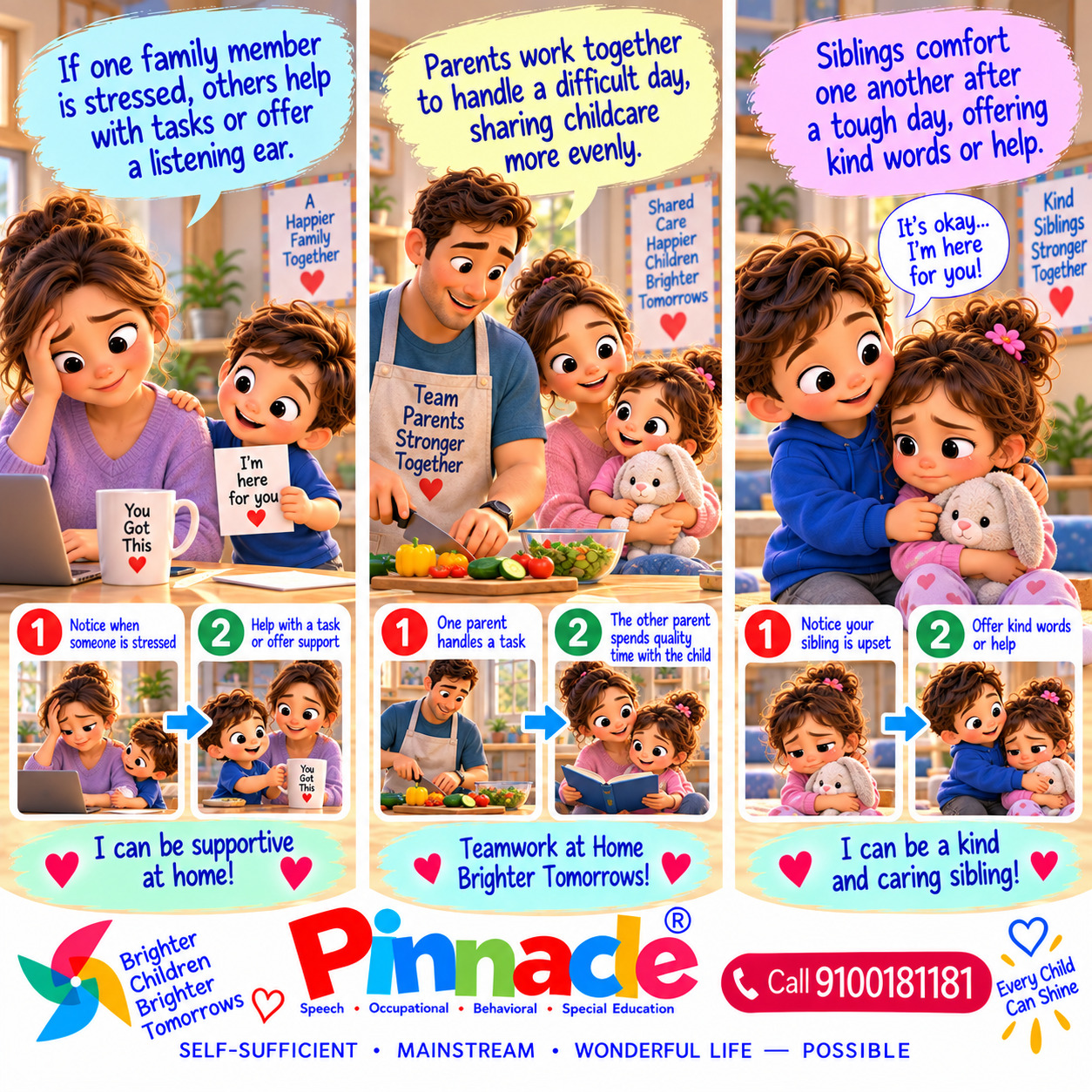
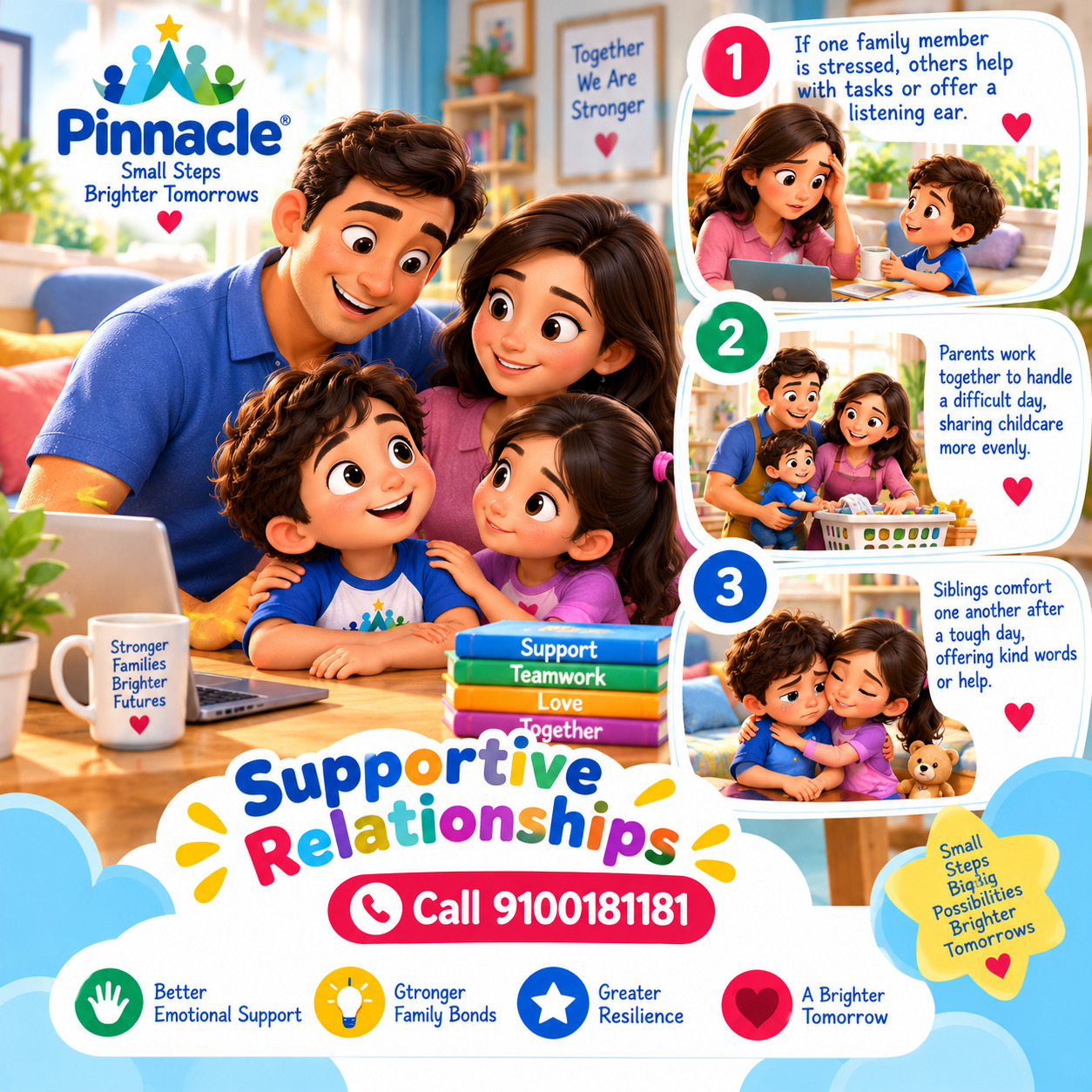
Supportive Relationships : Do family members support each other during stressful times?
Topic: Supportive Relationships
Example 1
If one family member is stressed, others help with tasks or offer a listening ear.
Example 2
Parents work together to handle a difficult day, sharing childcare more evenly.
Example 3
Siblings comfort one another after a tough day, offering kind words or help.
Example illustrationQuestion illustration
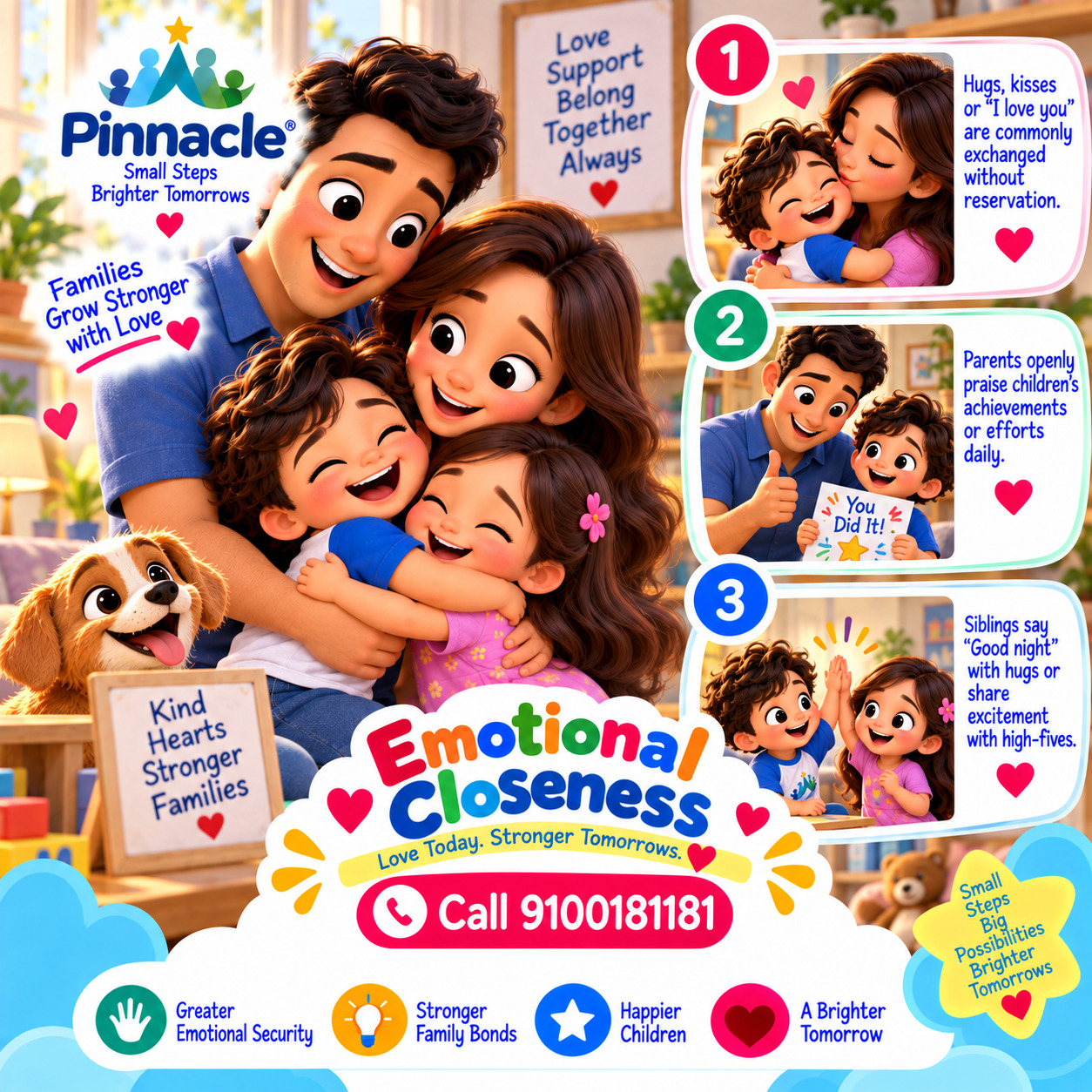
Emotional Closeness : Do family members express affection openly and frequently?
Topic: Emotional Closeness
Example 1
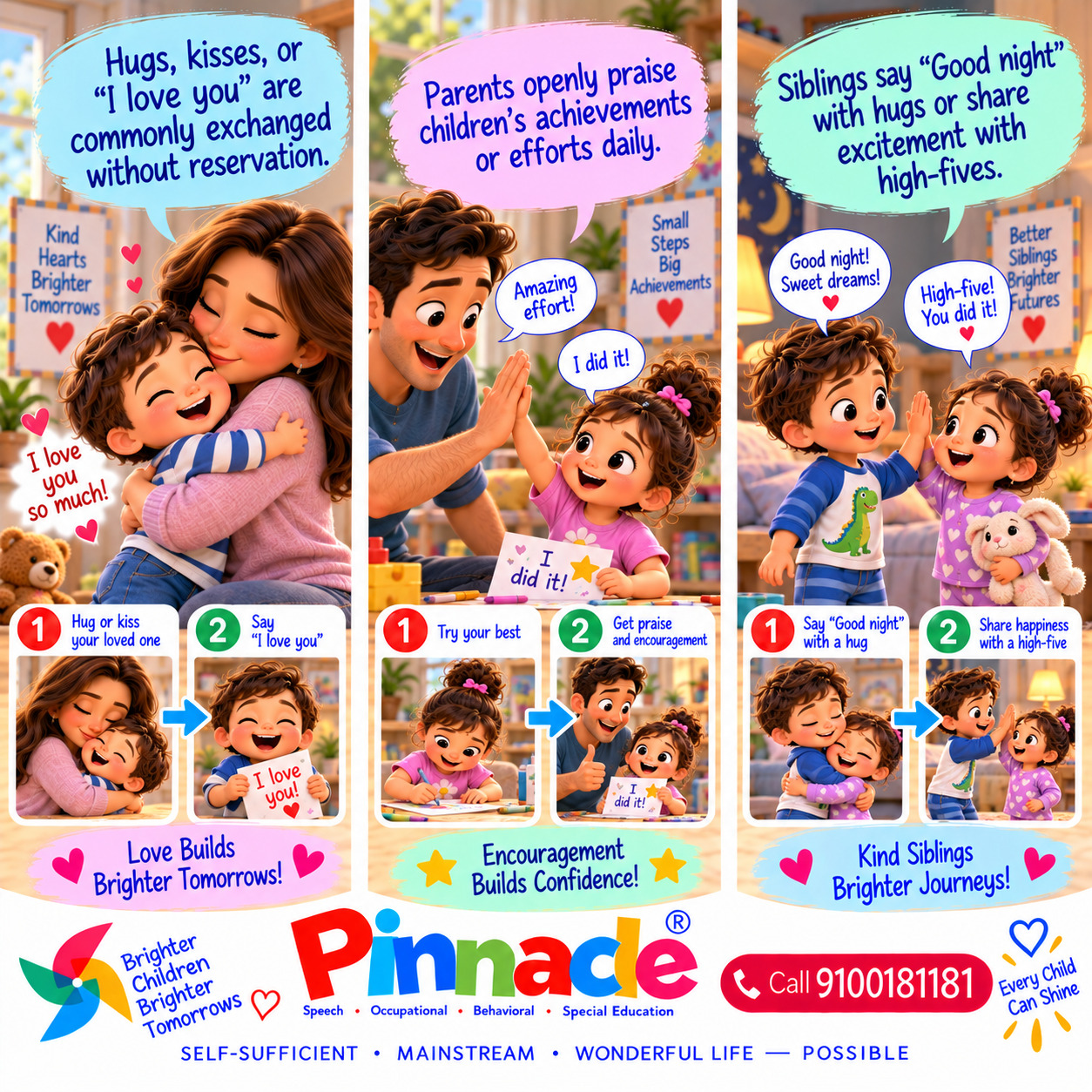
Hugs, kisses, or “I love you” are commonly exchanged without reservation.
Example 2
Parents openly praise children’s achievements or efforts daily.
Example 3
Siblings say “Good night” with hugs or share excitement with high-fives.
Example illustrationQuestion illustration
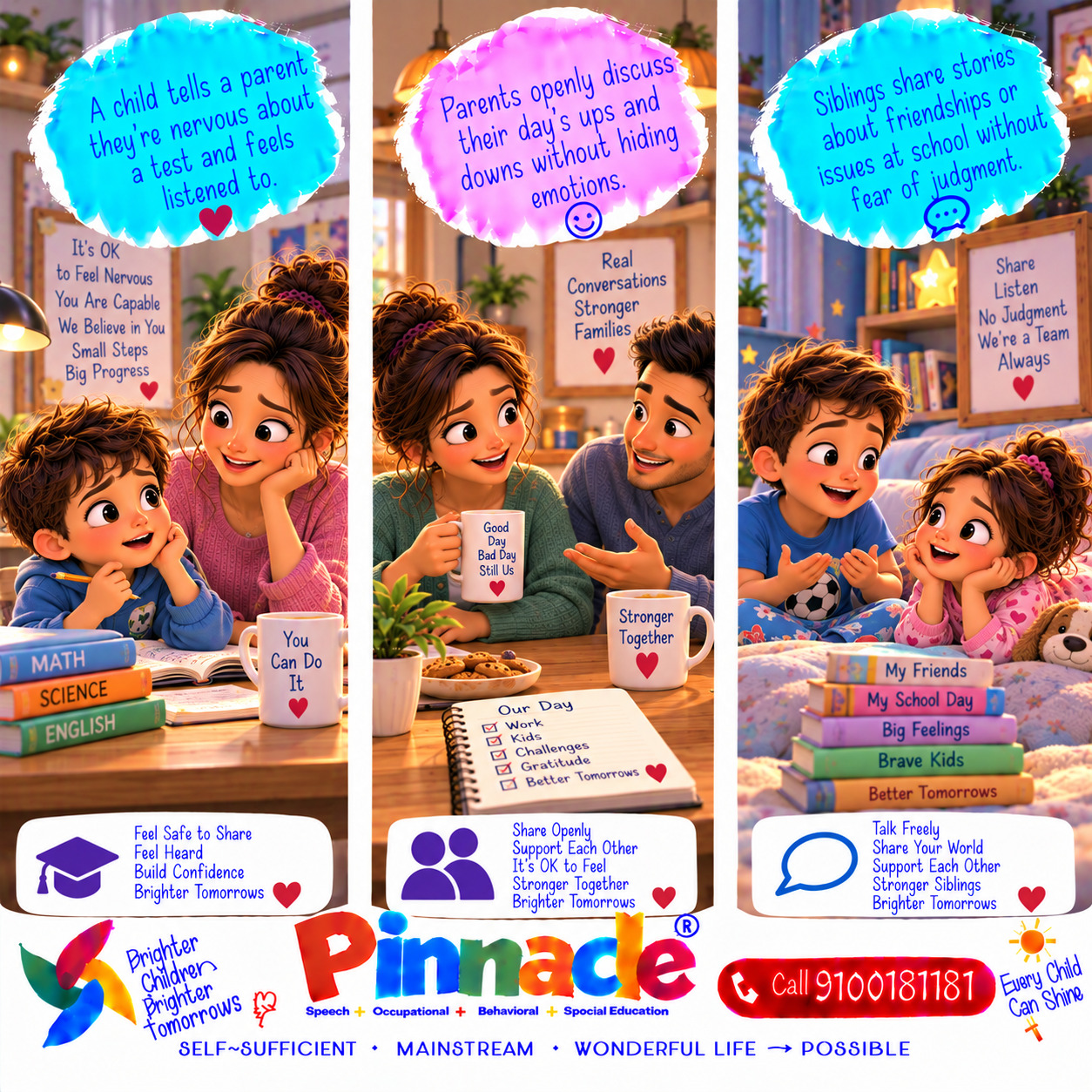
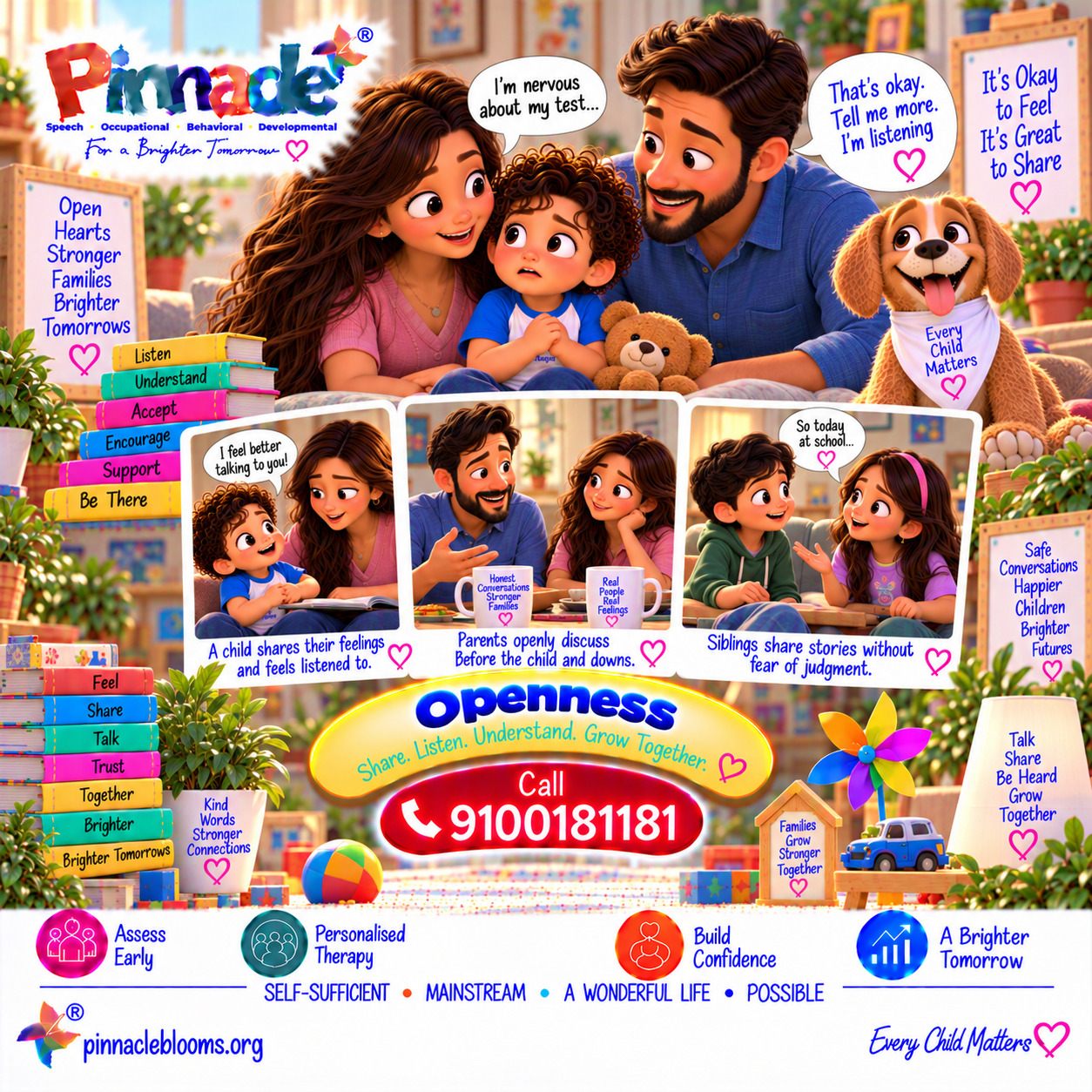
Openness : Are family members comfortable sharing their feelings and thoughts with each other?
Topic: Openness
Example 1
A child tells a parent they’re nervous about a test and feels listened to.
Example 2
Parents openly discuss their day’s ups and downs without hiding emotions.
Example 3
Siblings share stories about friendships or issues at school without fear of judgment.
Example illustrationQuestion illustration
Conflict Resolution : When disagreements arise, do family members work together to resolve them calmly?
Topic: Conflict Resolution
Example 1
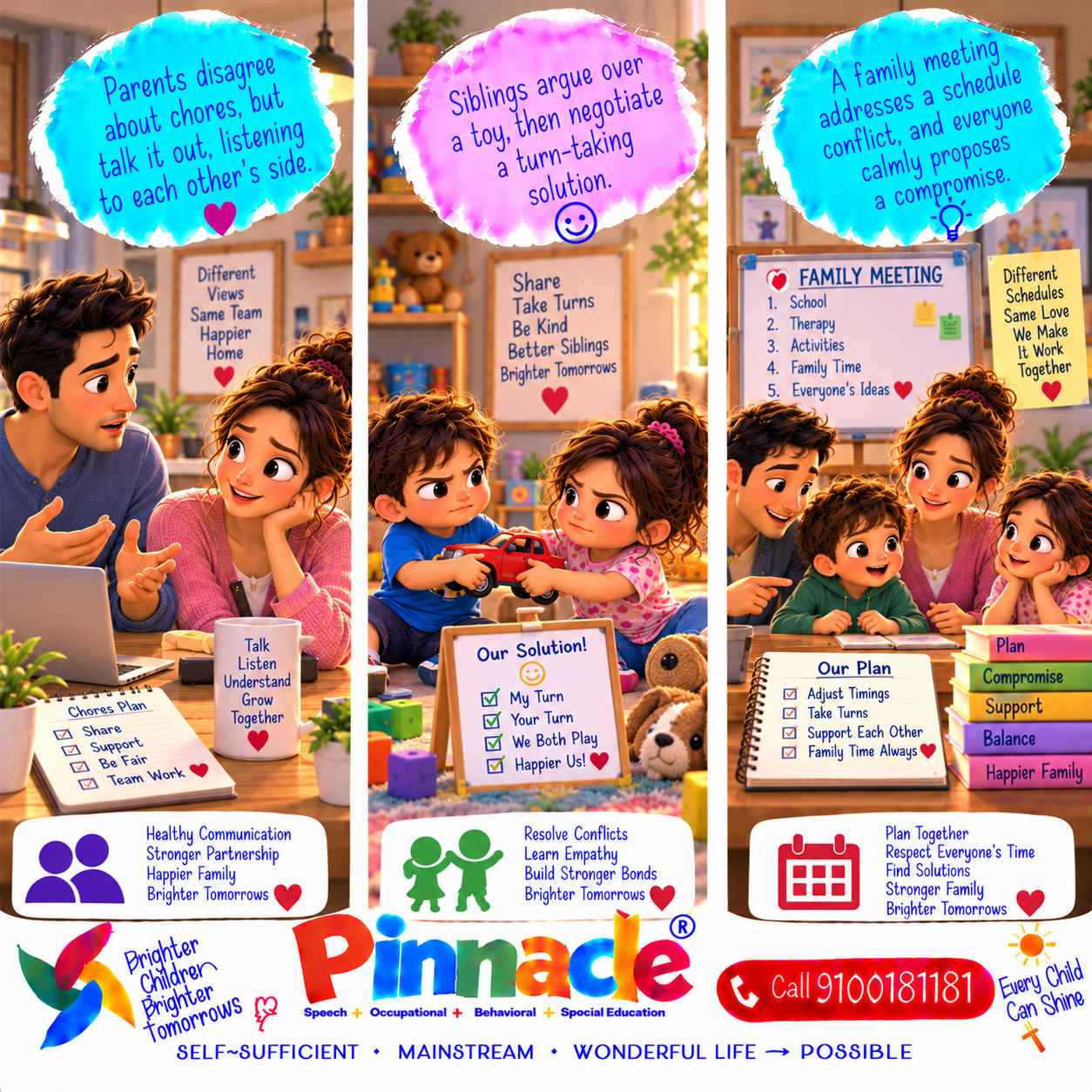
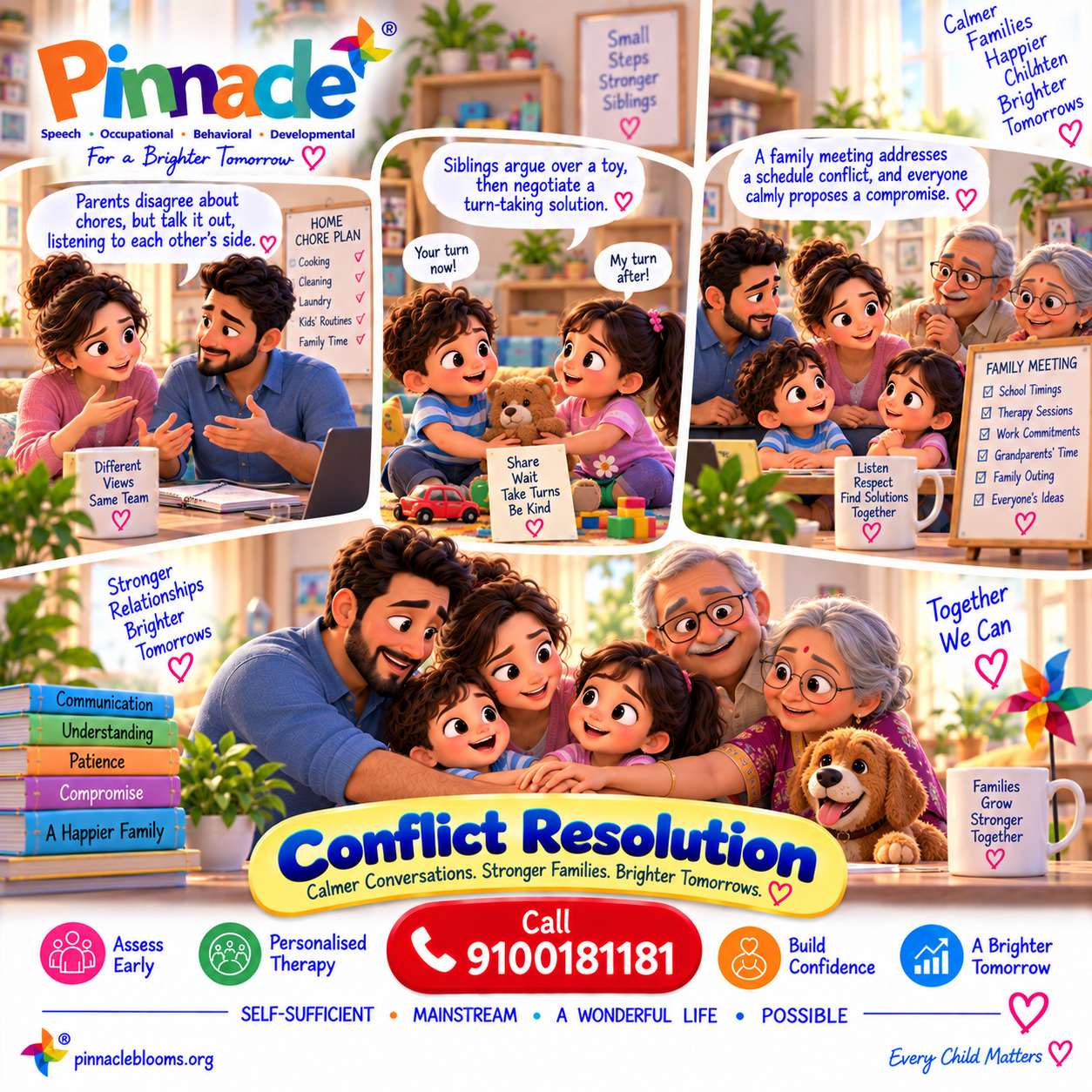
Parents disagree about chores, but talk it out, listening to each other’s side.
Example 2
Siblings argue over a toy, then negotiate a turn-taking solution.
Example 3
A family meeting addresses a schedule conflict, and everyone calmly proposes a compromise.
Example illustrationQuestion illustration
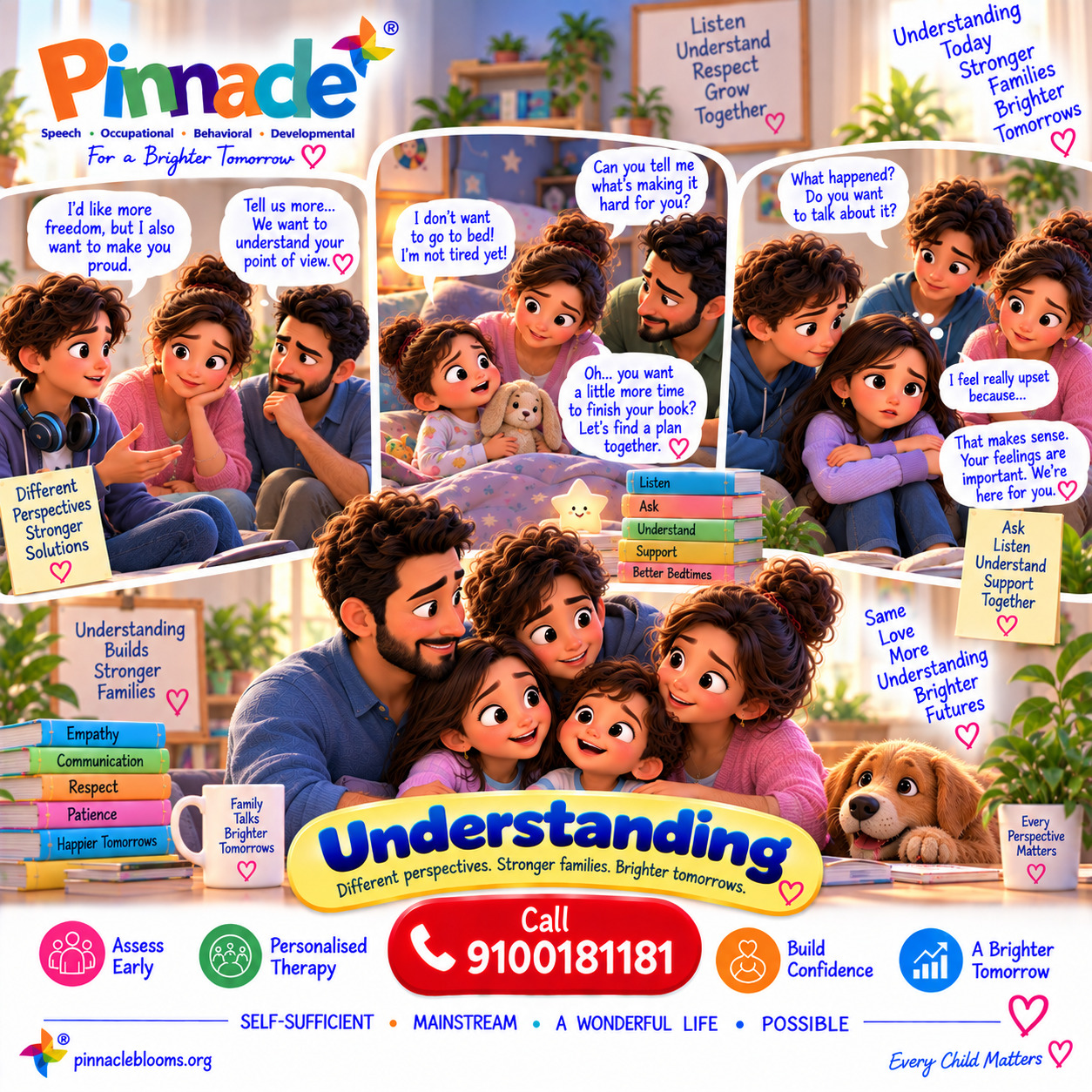
Understanding : Do family members try to understand each other’s perspectives?
Topic: Understanding
Example 1
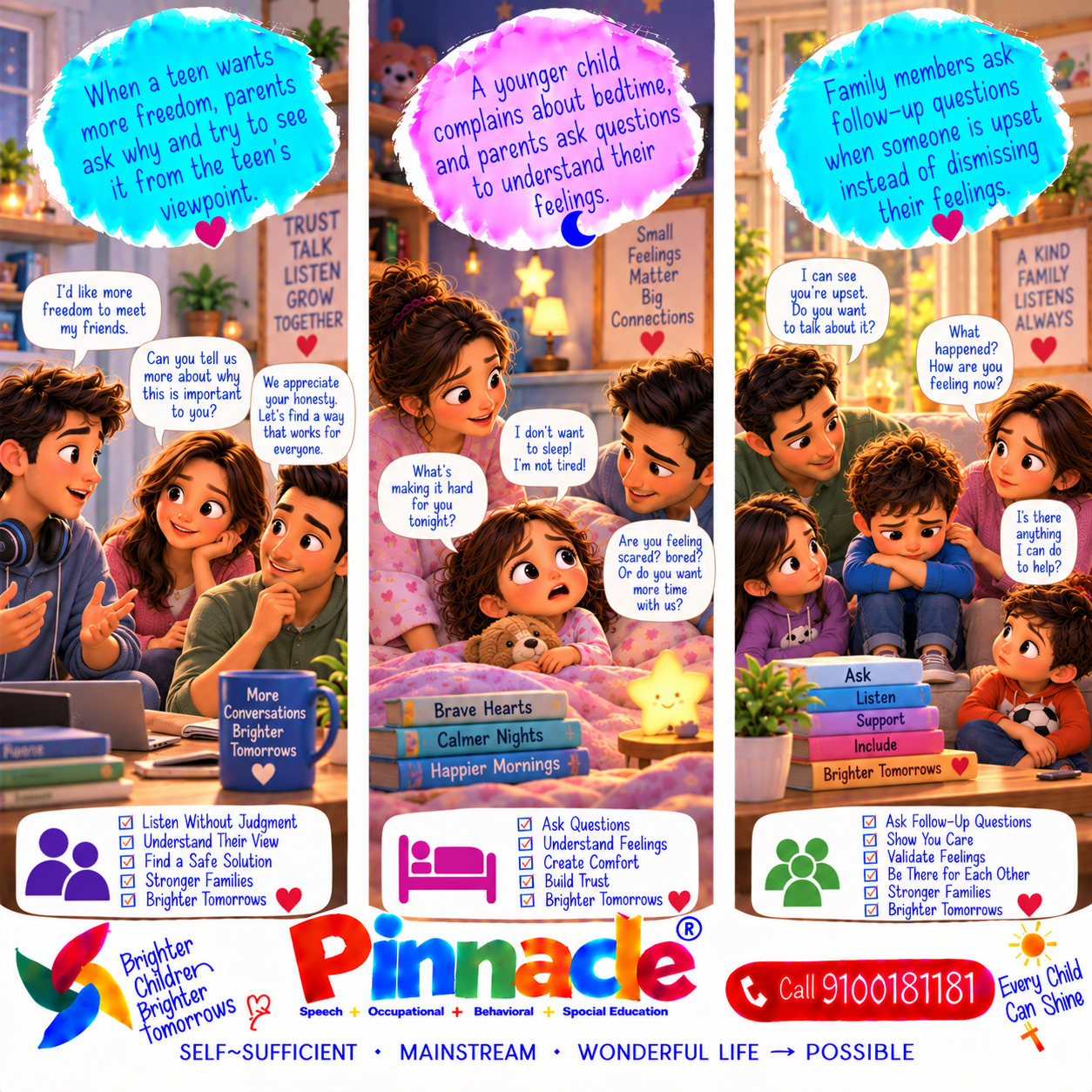
When a teen wants more freedom, parents ask why and try to see it from the teen’s viewpoint.
Example 2
A younger child complains about bedtime, and parents ask questions to understand their feelings.
Example 3
Family members ask follow-up questions when someone is upset instead of dismissing their feelings.
Example illustrationQuestion illustration
Verbal Disputes : Are arguments or loud disagreements common in the family?
Topic: Verbal Disputes
Example 1
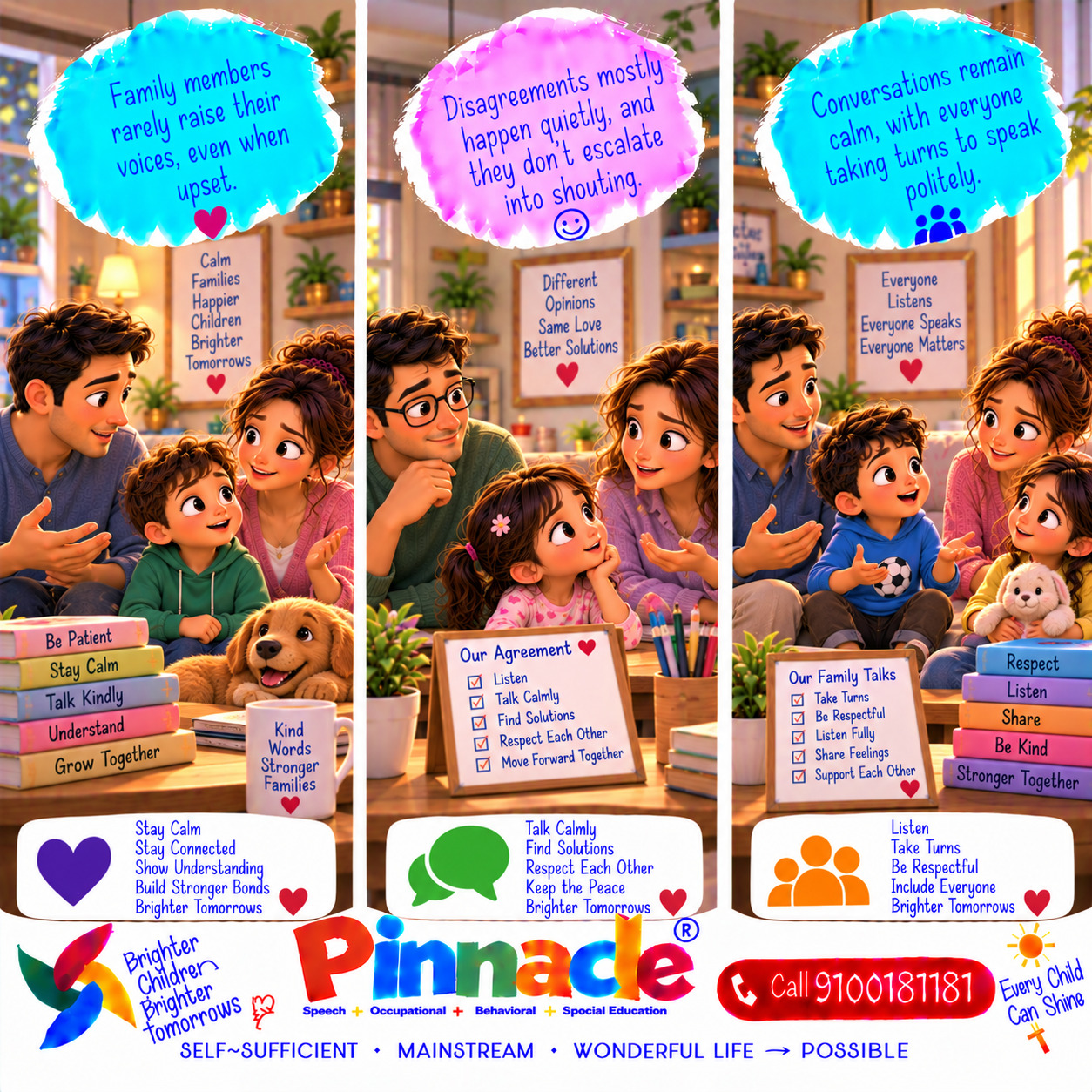
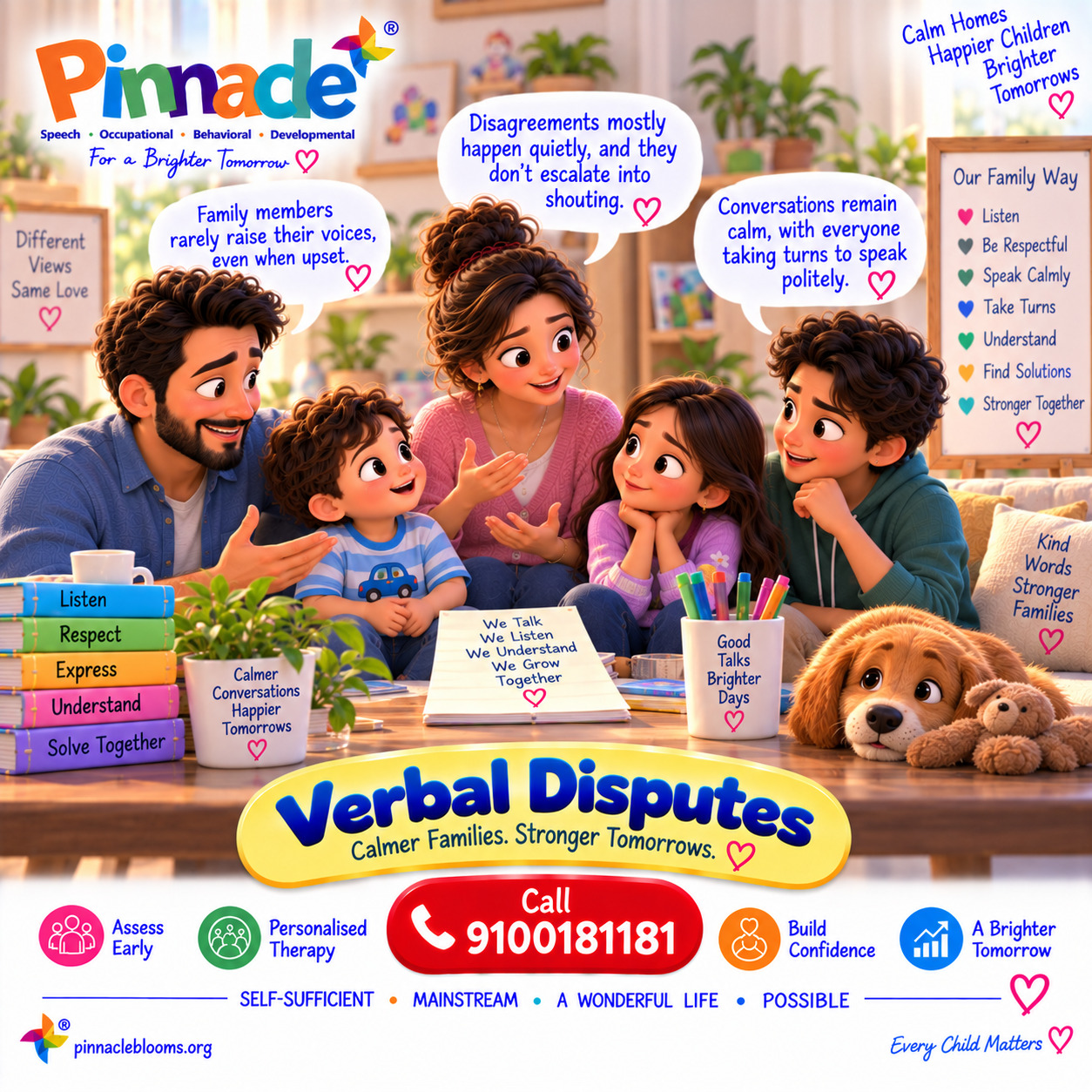
Family members rarely raise their voices, even when upset.
Example 2
Disagreements mostly happen quietly, and they don’t escalate into shouting.
Example 3
Conversations remain calm, with everyone taking turns to speak politely.
Example illustrationQuestion illustration
Tension : Is there tension between family members on a regular basis?
Topic: Tension
Example 1
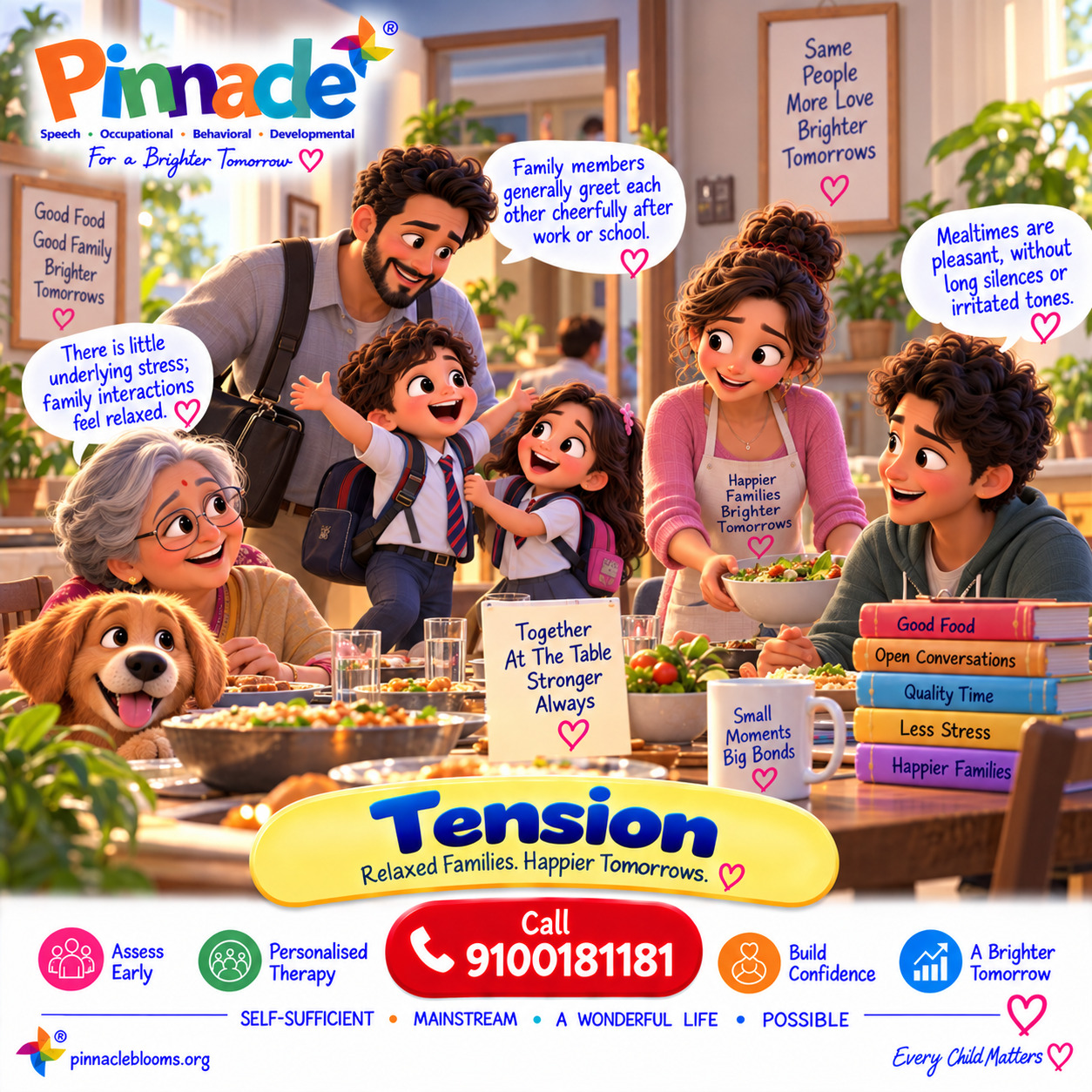
There is little underlying stress; family interactions feel relaxed.
Example 2
Family members generally greet each other cheerfully after work or school.
Example 3
Mealtimes are pleasant, without long silences or irritated tones.
Example illustrationQuestion illustration
Resolution of Conflicts : Do family members try to resolve conflicts without raising their voices?
Topic: Resolution of Conflicts
Example 1
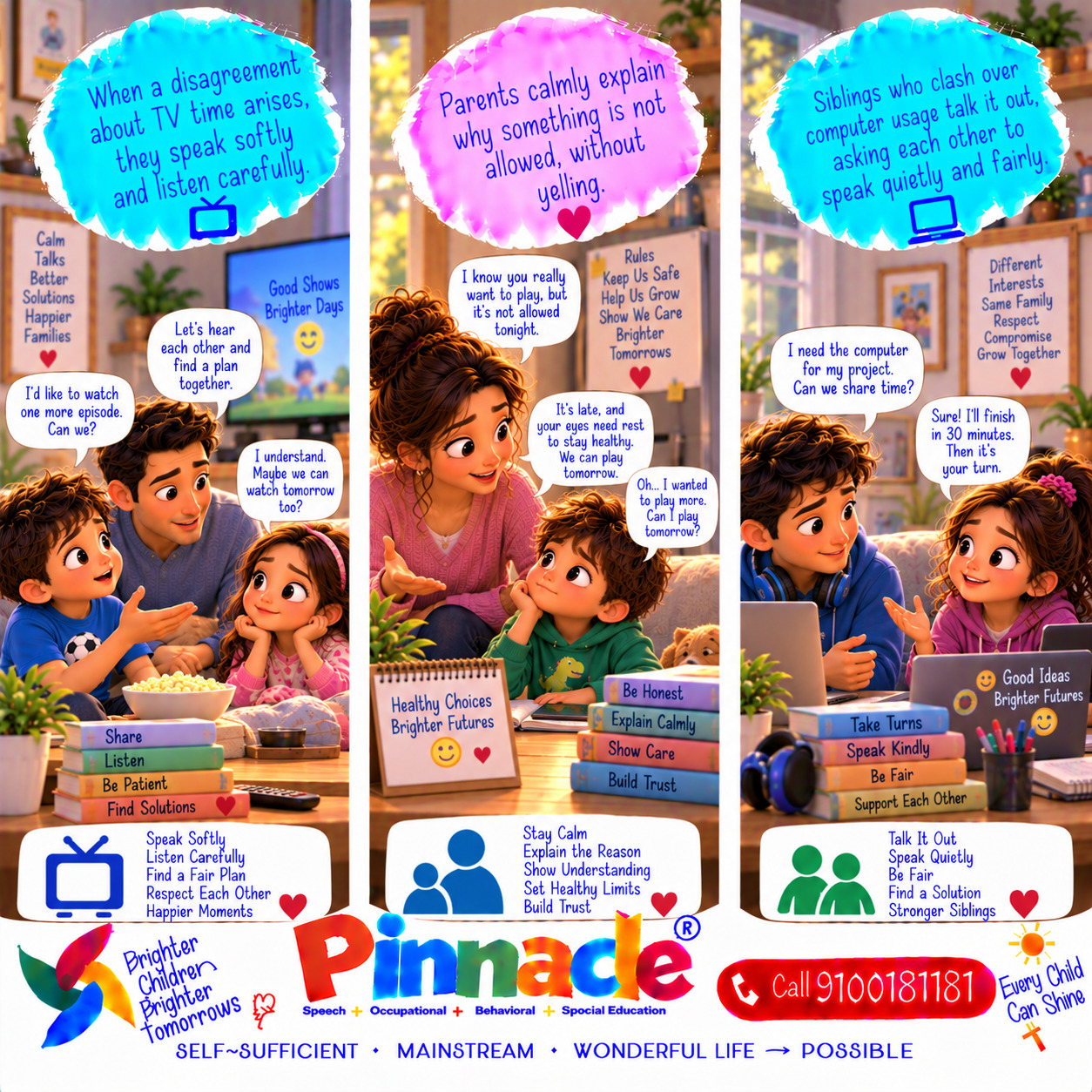
When a disagreement about TV time arises, they speak softly and listen carefully.
Example 2
Parents calmly explain why something is not allowed, without yelling.
Example 3
Siblings who clash over computer usage talk it out, asking each other to speak quietly and fairly.
Example illustrationQuestion illustration
Daily Routines : Are daily routines (e.g., mealtimes, bedtime) consistent for the child?
Topic: Daily Routines
Example 1
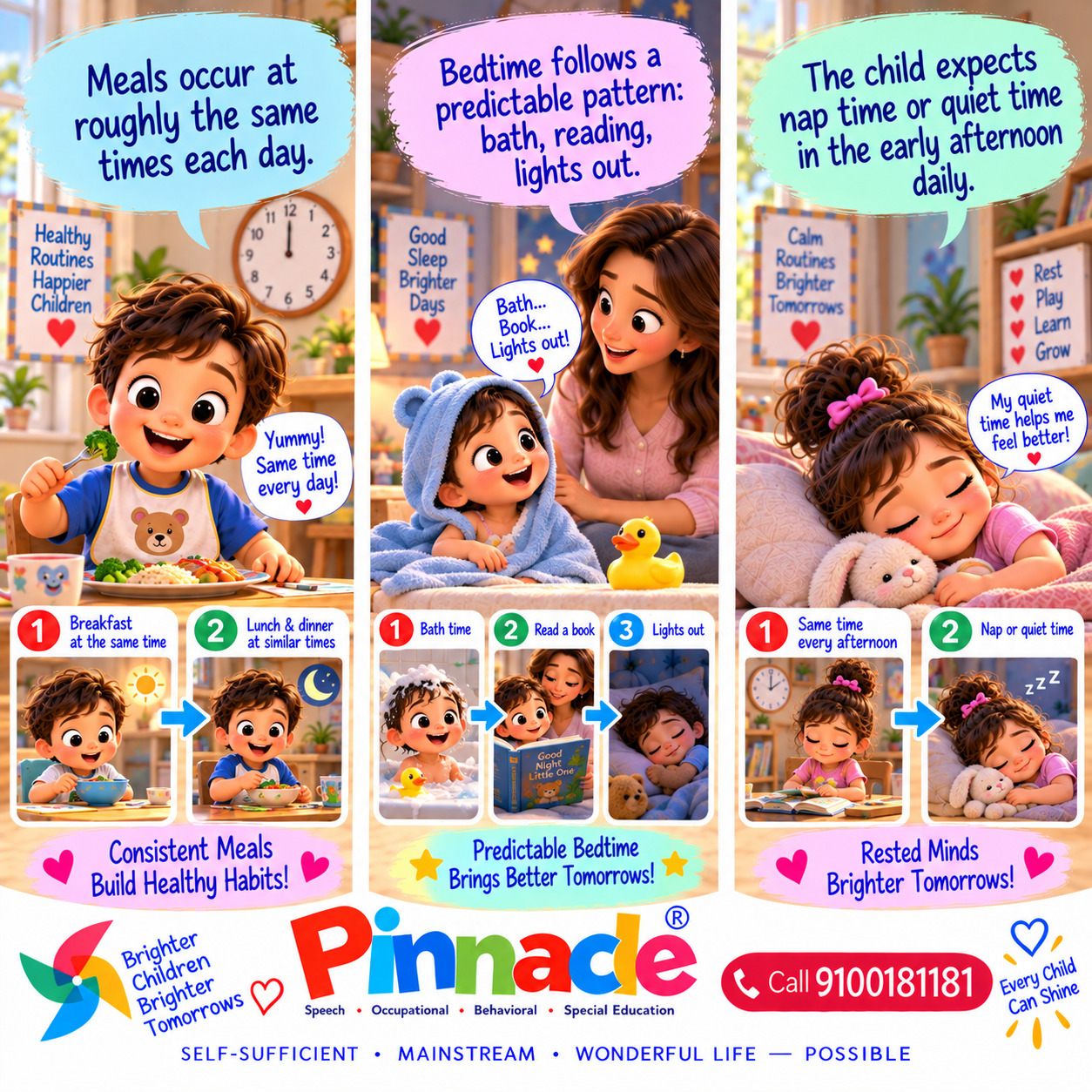
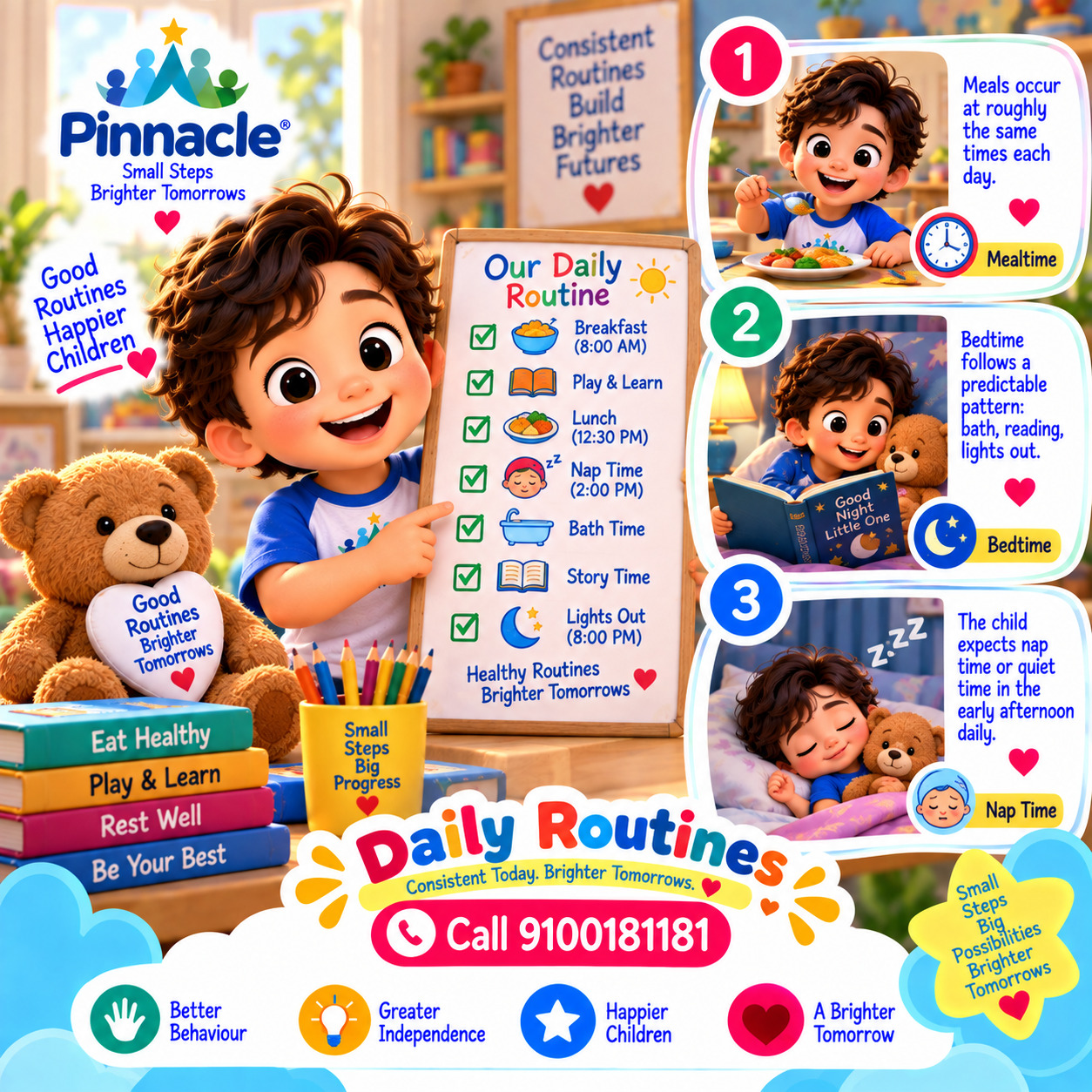
Meals occur at roughly the same times each day.
Example 2
Bedtime follows a predictable pattern: bath, reading, lights out.
Example 3
The child expects nap time or quiet time in the early afternoon daily.
Example illustrationQuestion illustration
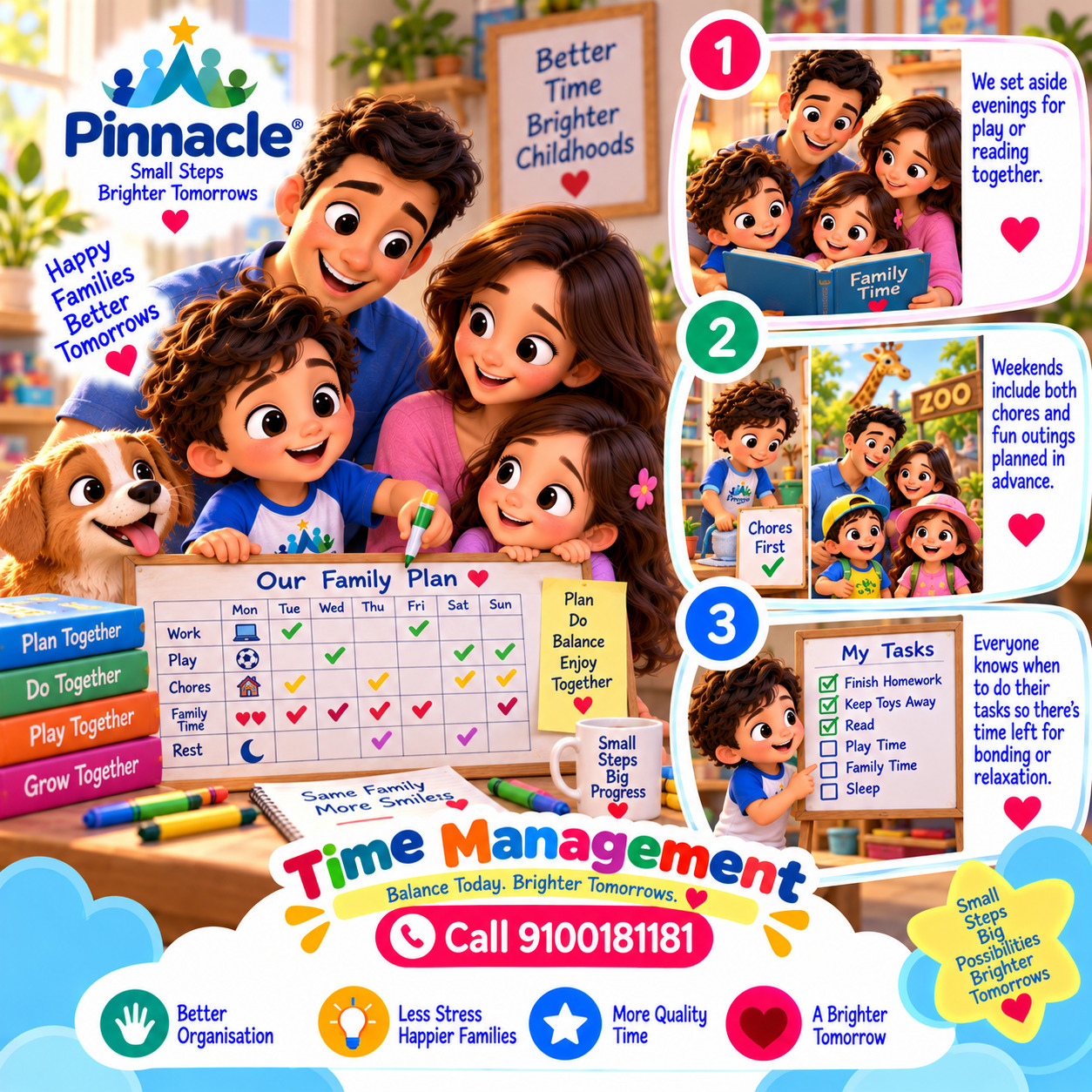
Time Management : Is family time structured effectively to balance work, play, and rest?
Topic: Time Management
Example 1
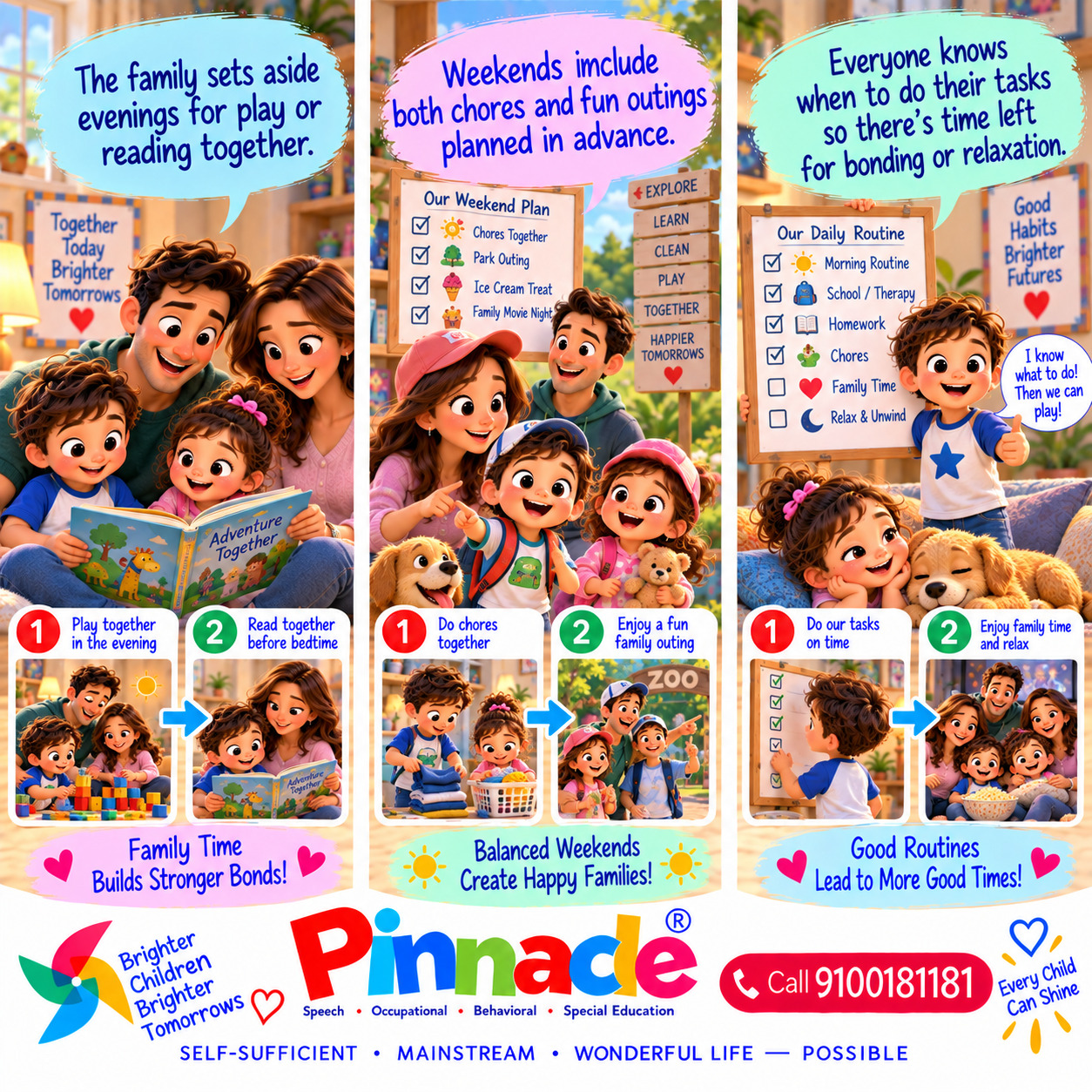
The family sets aside evenings for play or reading together.
Example 2
Weekends include both chores and fun outings planned in advance.
Example 3
Everyone knows when to do their tasks so there’s time left for bonding or relaxation.
Example illustrationQuestion illustration
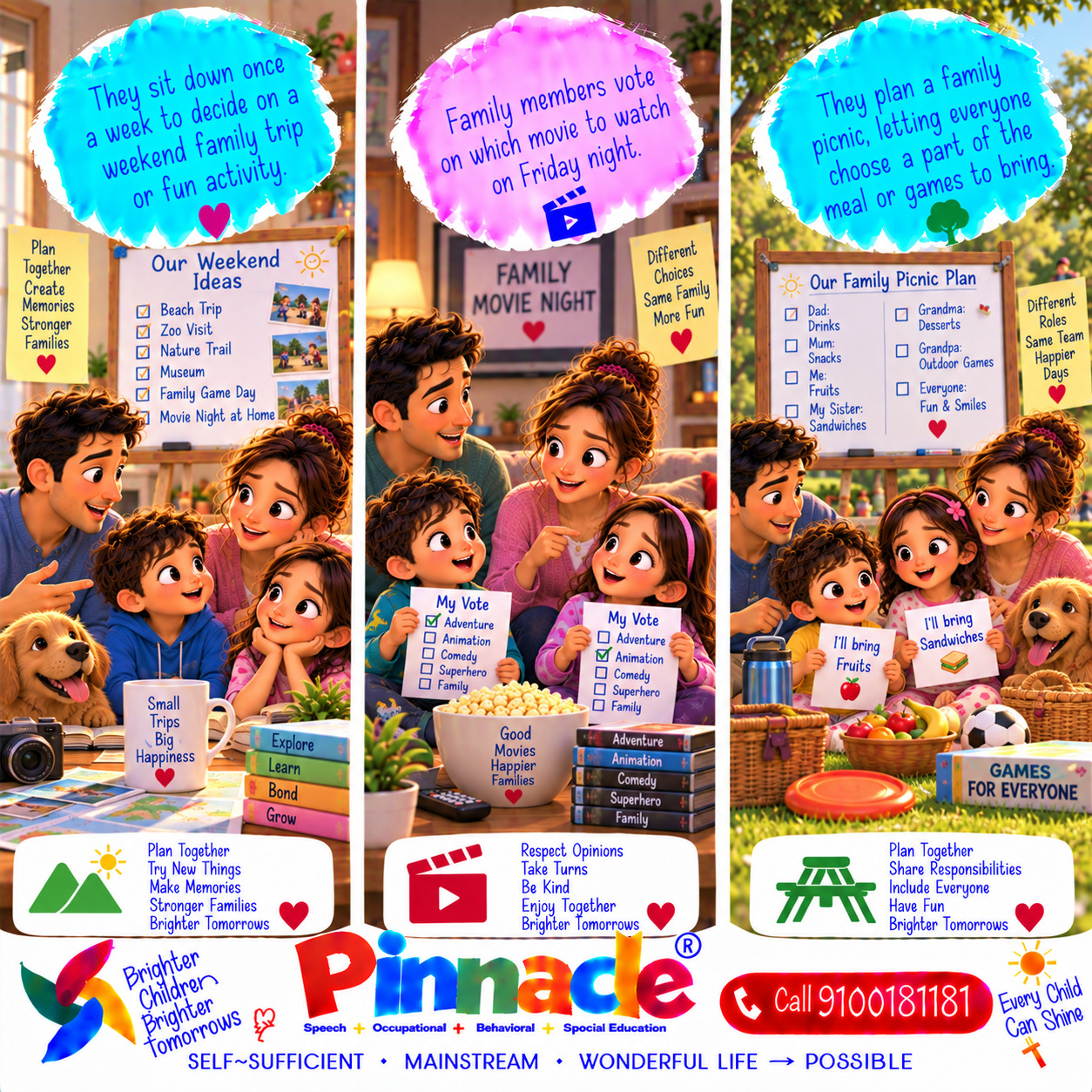
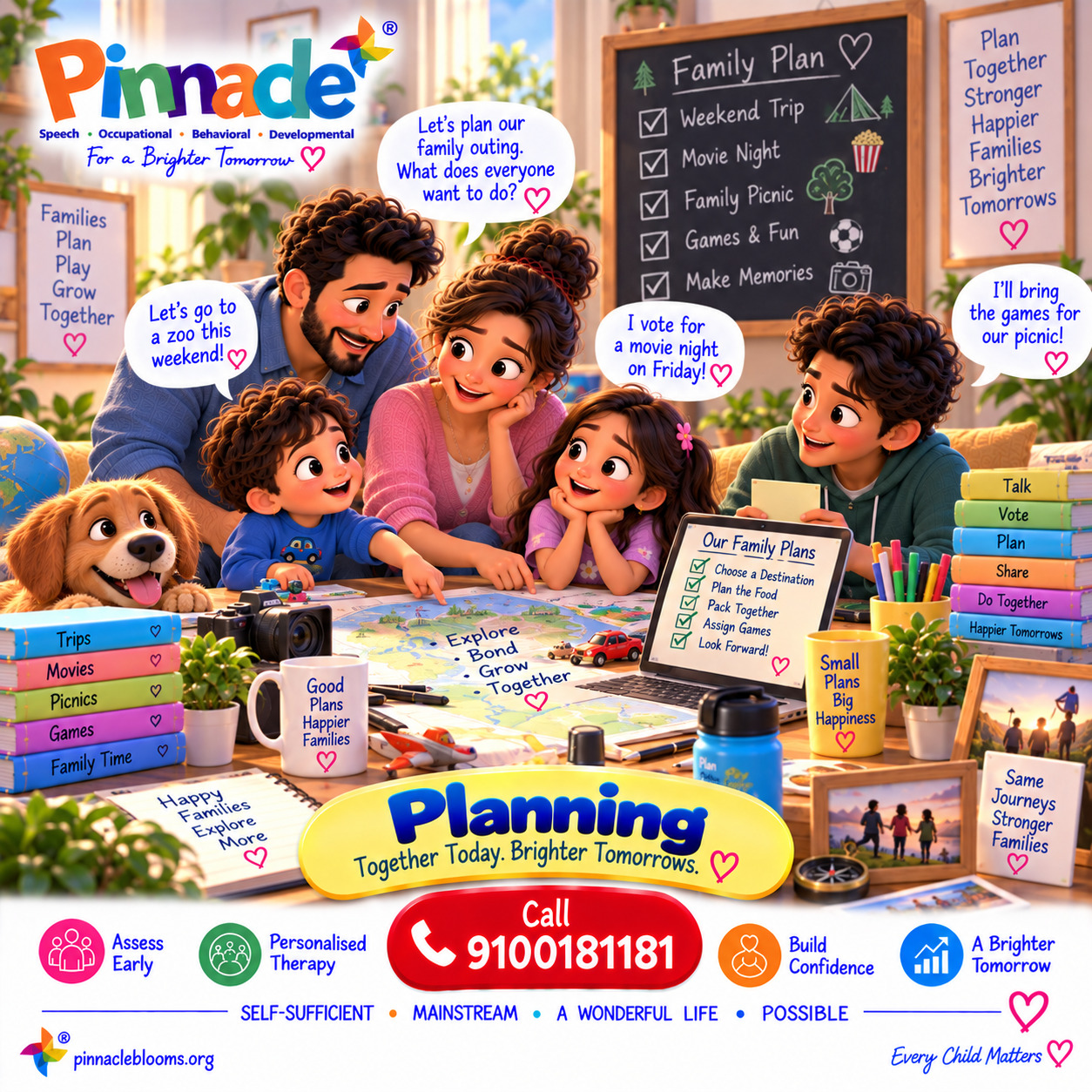
Planning : Do family members plan activities or outings together?
Topic: Planning
Example 1
They sit down once a week to decide on a weekend family trip or fun activity.
Example 2
Family members vote on which movie to watch on Friday night.
Example 3
They plan a family picnic, letting everyone choose a part of the meal or games to bring.
Example illustrationQuestion illustration
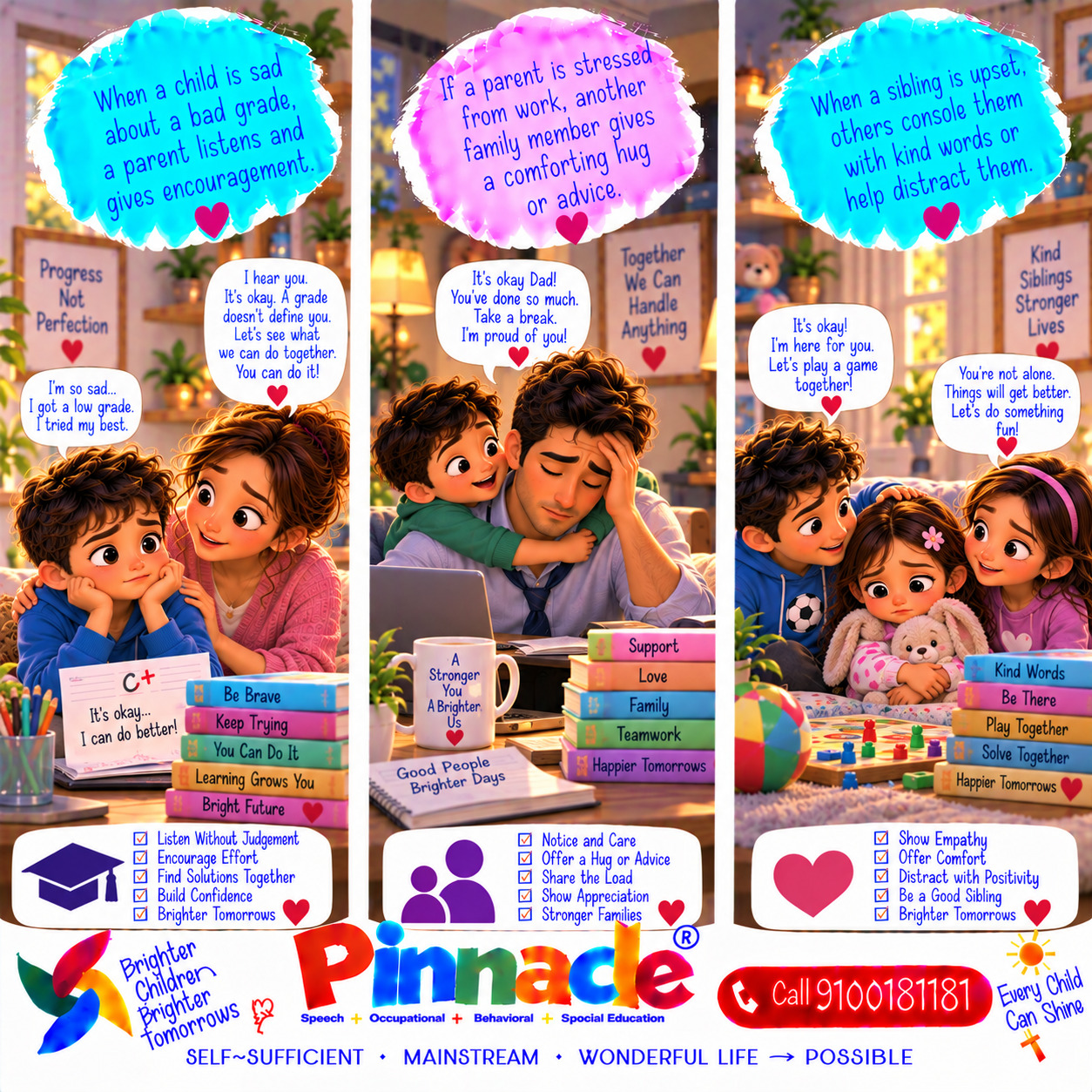
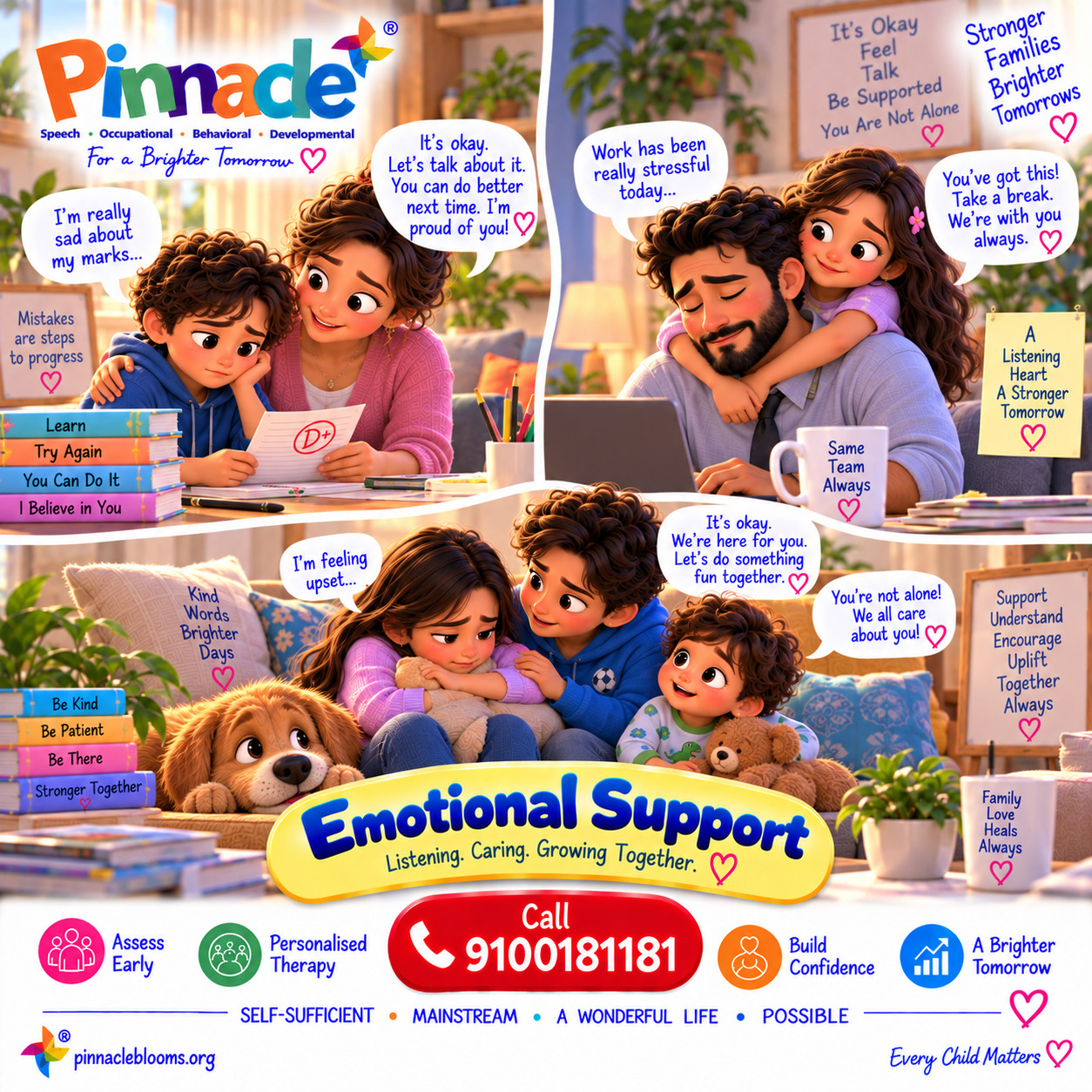
Emotional Support : Do family members provide emotional support when someone is feeling down?
Topic: Emotional Support
Example 1
When a child is sad about a bad grade, a parent listens and gives encouragement.
Example 2
If a parent is stressed from work, another family member gives a comforting hug or advice.
Example 3
When a sibling is upset, others console them with kind words or help distract them.
Example illustrationQuestion illustration
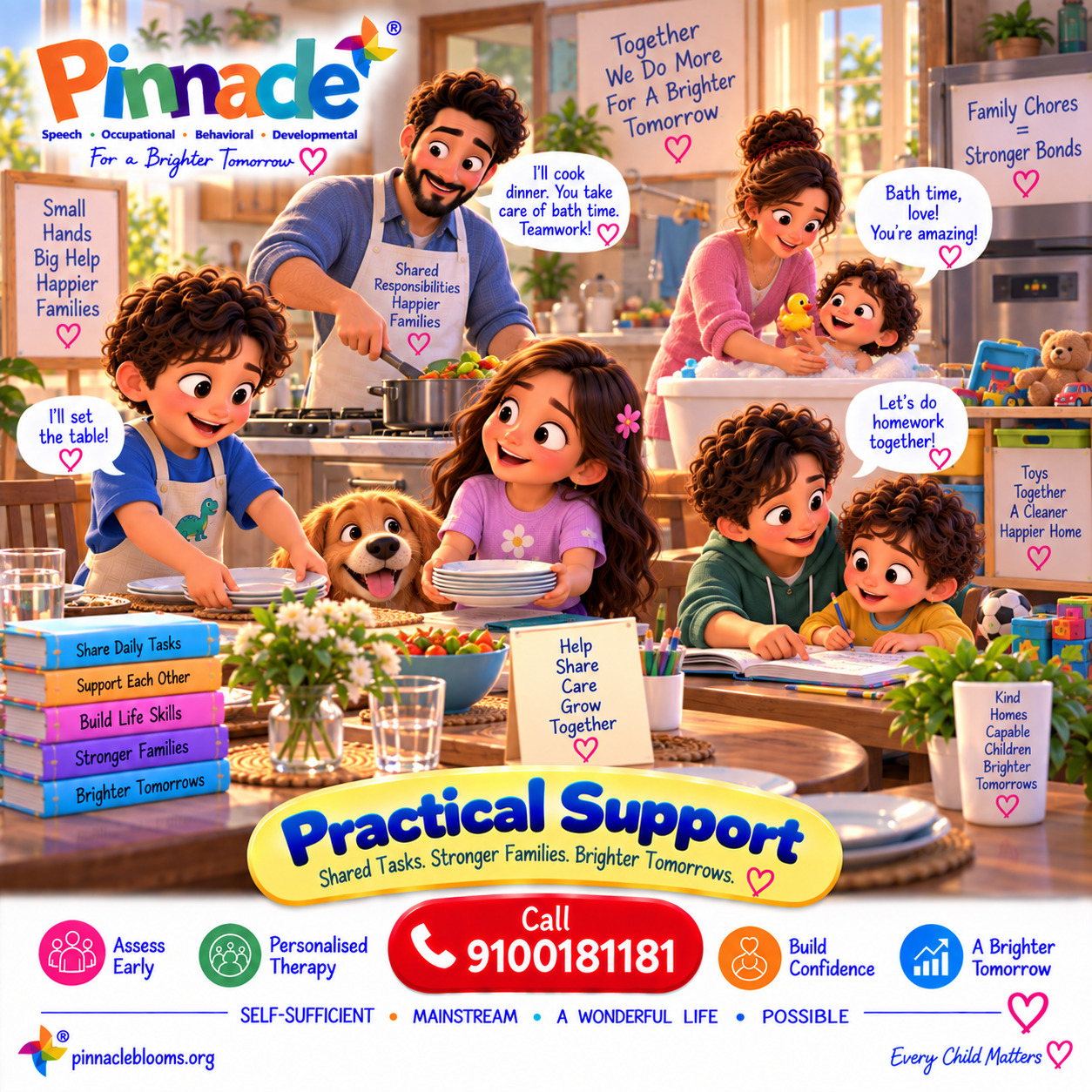
Practical Support : Do family members help each other with daily tasks (e.g., chores, childcare)?
Topic: Practical Support
Example 1
A child helps set the table for dinner without being asked.
Example 2
One parent bathes the younger child while the other cooks dinner.
Example 3
Siblings help each other with homework or tidying the shared play area.
Example illustrationQuestion illustration
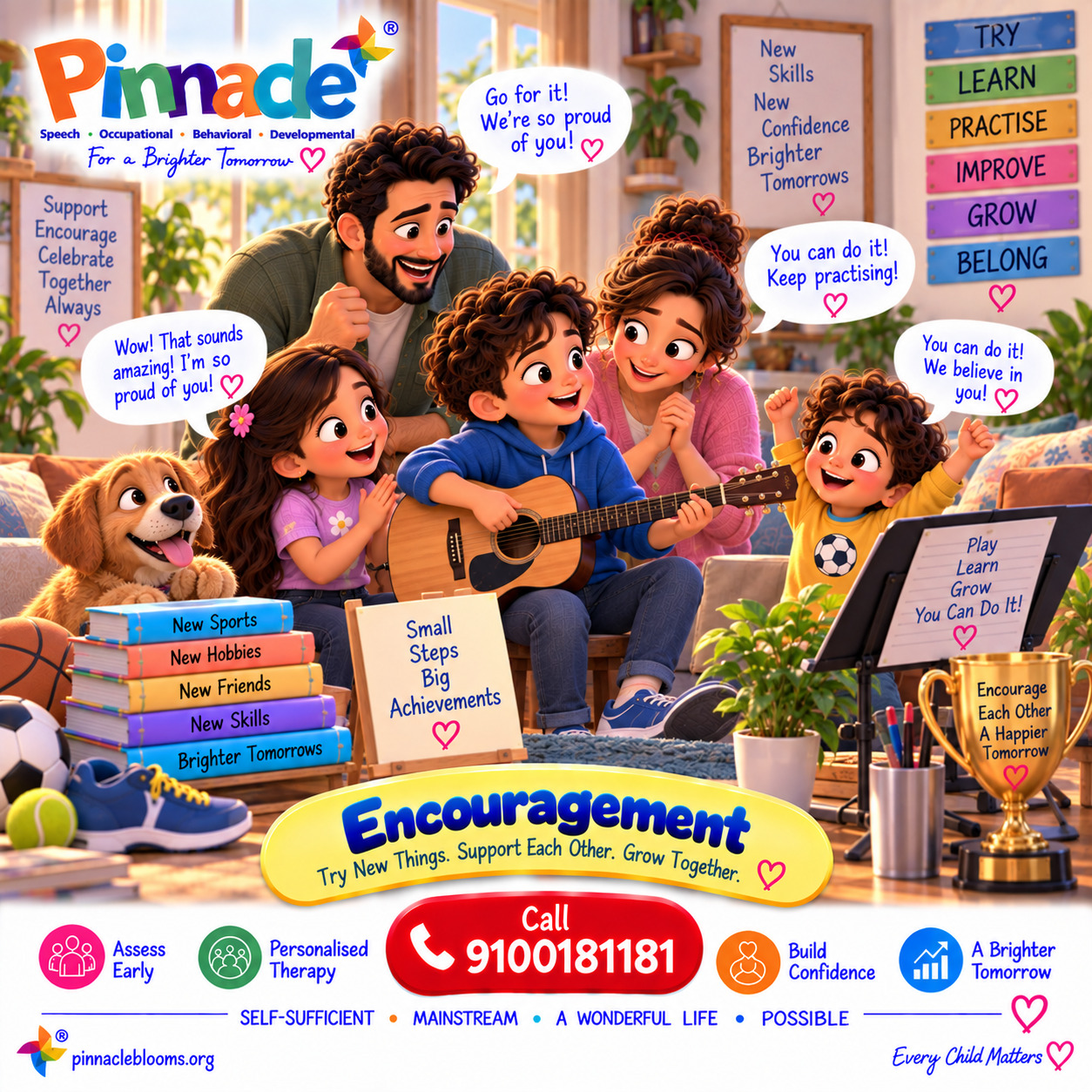
Encouragement : Do family members encourage each other to try new things?
Topic: Encouragement
Example 1
Parents say “Go for it!” when a child wants to join a new sport.
Example 2
Siblings cheer each other on when trying a new hobby.
Example 3
They support a family member learning an instrument, saying “You can do it!”
Example illustrationQuestion illustration
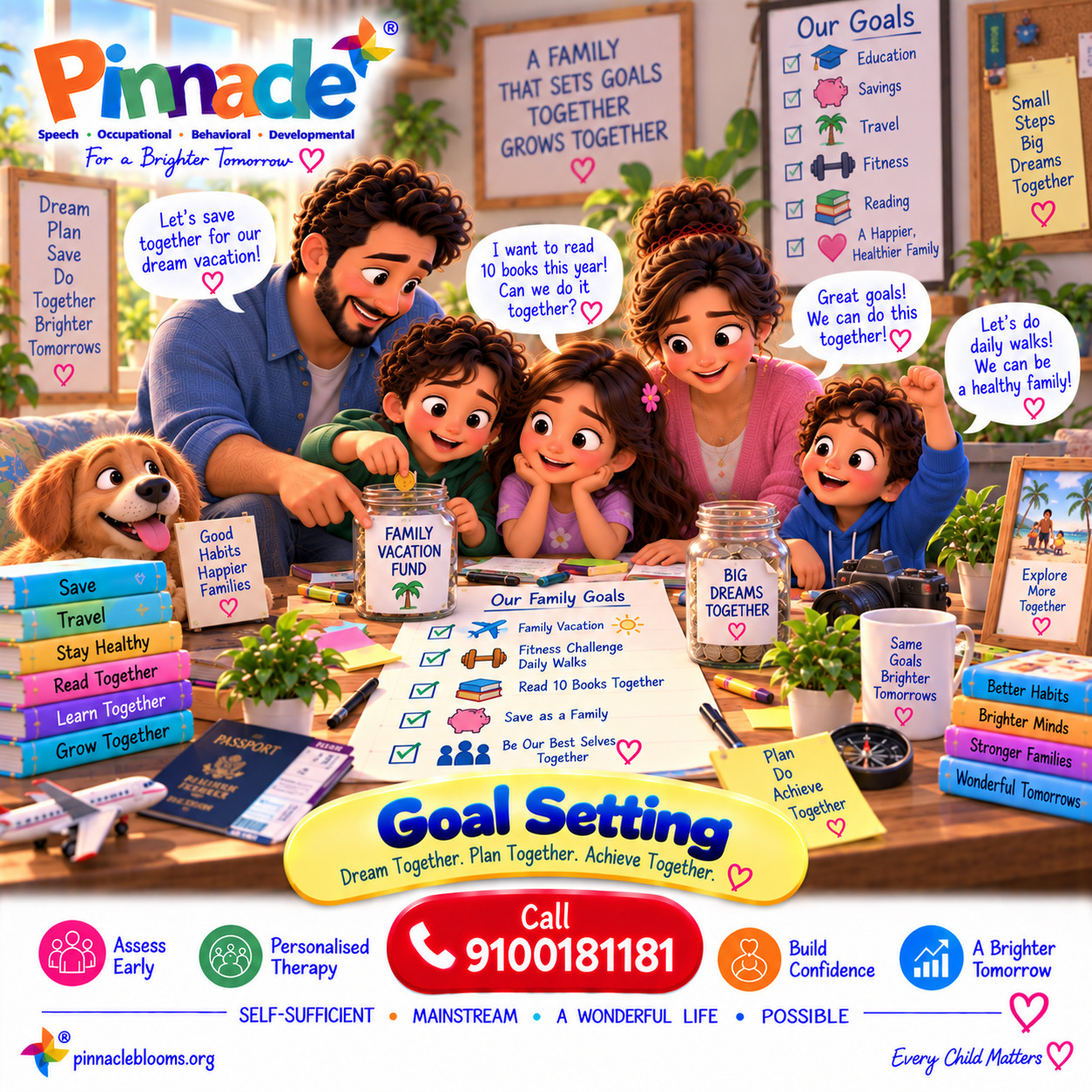
Goal Setting : Does the family set and work toward shared goals (e.g., education, savings, travel)?
Topic: Goal Setting
Example 1
They save money together for a family vacation.
Example 2
Everyone agrees on a family fitness challenge, like daily walks for a month.
Example 3
They plan educational goals, like reading a certain number of books collectively.
Example illustrationQuestion illustration
Success Recognition : Do family members celebrate each other’s achievements?
Topic: Success Recognition
Example 1
They clap and praise when a child learns to ride a bike.
Example 2
Graduation or promotion is acknowledged with a special dinner or card.
Example 3
They applaud a sibling who wins a small art contest or improves in a skill.
Example illustrationQuestion illustration
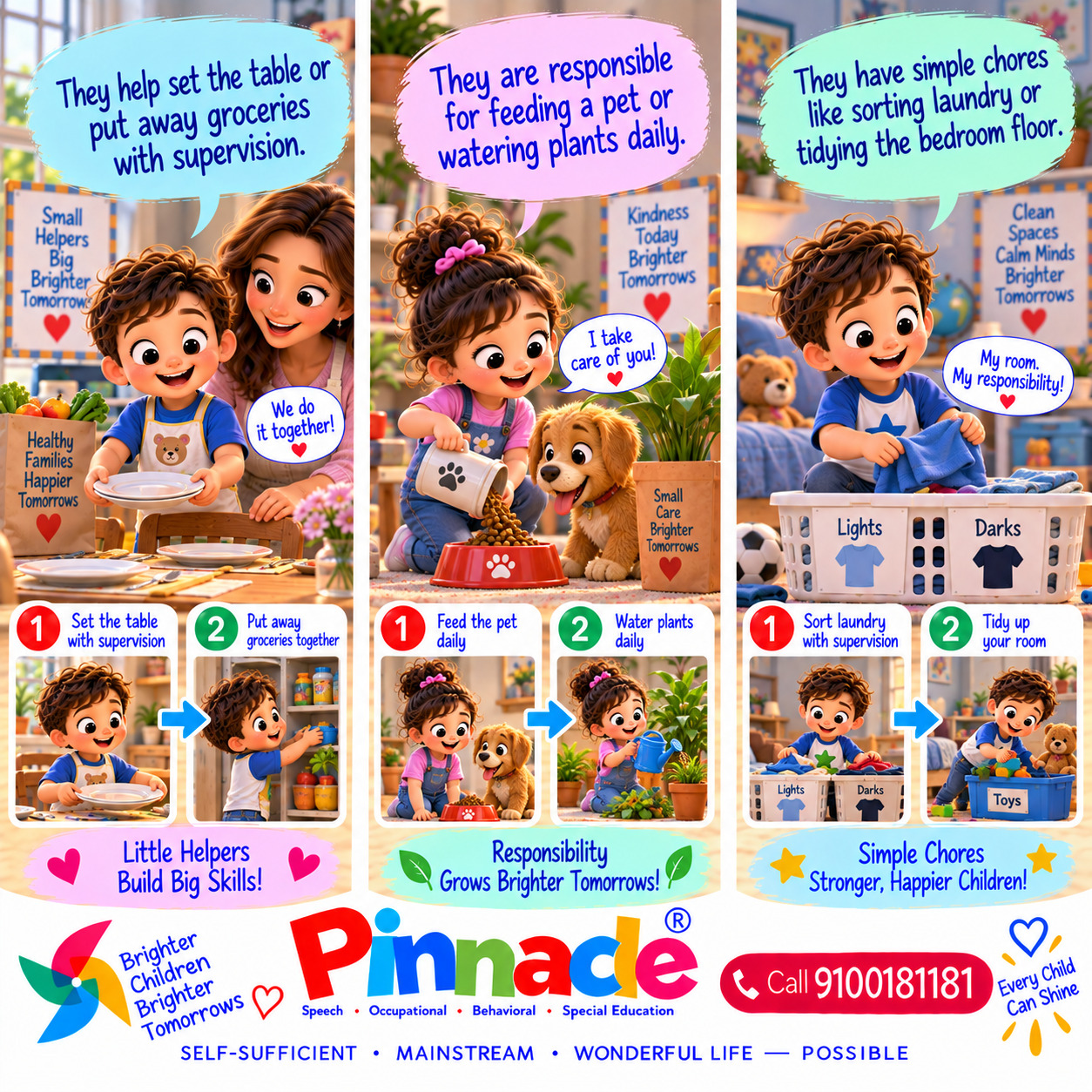
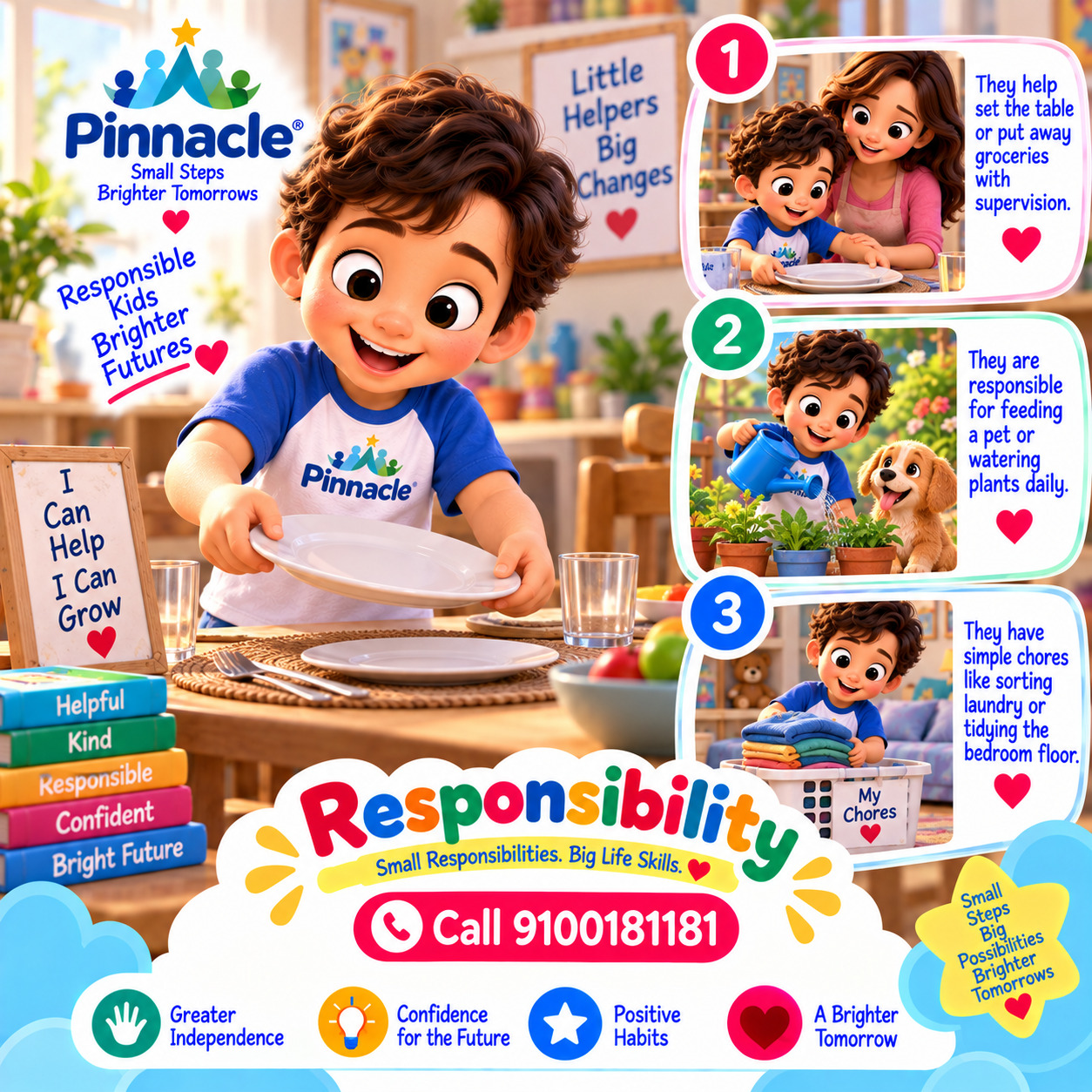
Responsibility : Are children encouraged to take on age-appropriate responsibilities?
Topic: Responsibility
Example 1
They help set the table or put away groceries with supervision.
Example 2
They are responsible for feeding a pet or watering plants daily.
Example 3
They have simple chores like sorting laundry or tidying the bedroom floor.
Example illustrationQuestion illustration
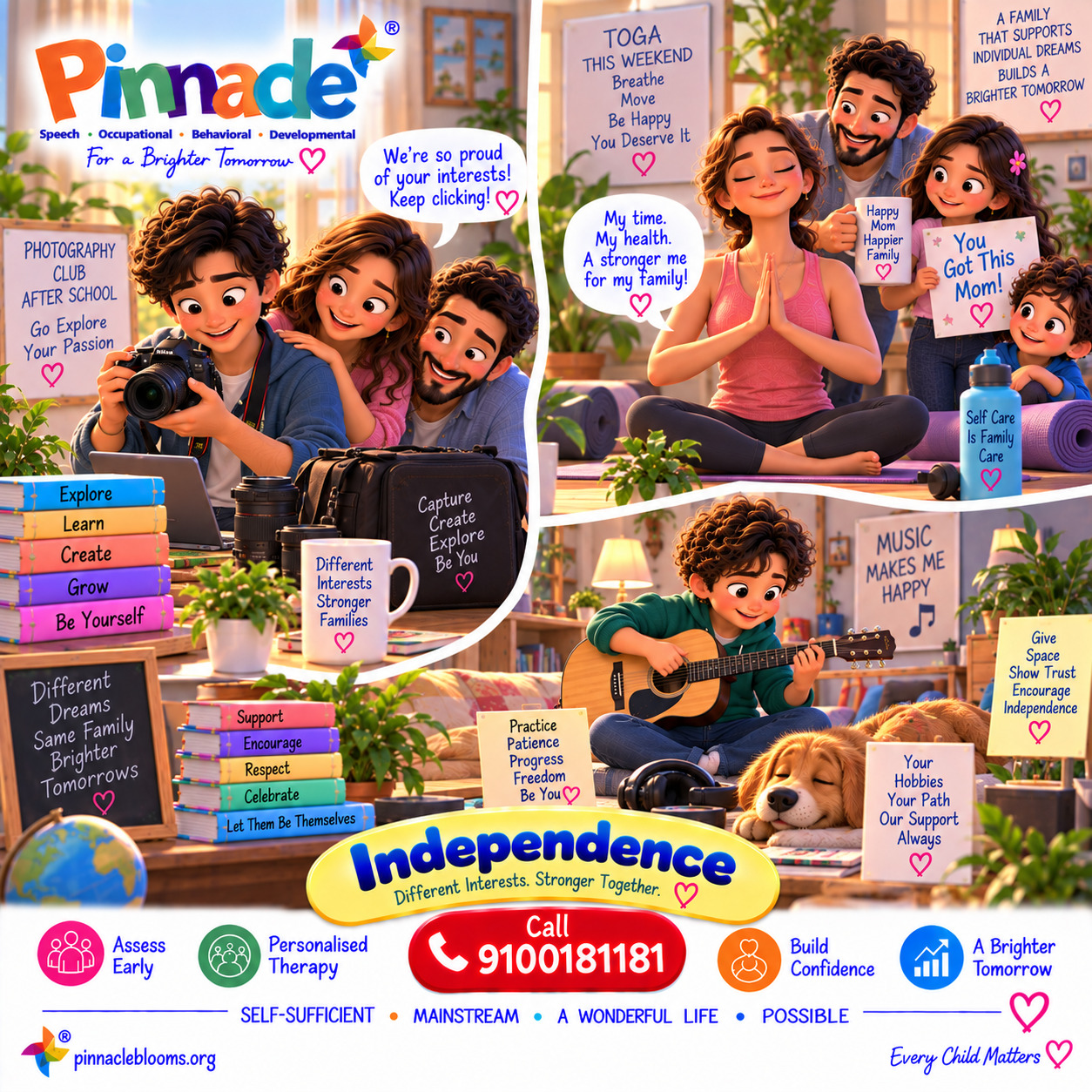
Independence : Are family members encouraged to pursue individual interests and hobbies?
Topic: Independence
Example 1
A teen is supported in joining a photography club after school.
Example 2
A parent is encouraged to take a yoga class on weekends.
Example 3
A child is allowed time to practice guitar alone, respected by others.
Example illustrationQuestion illustration
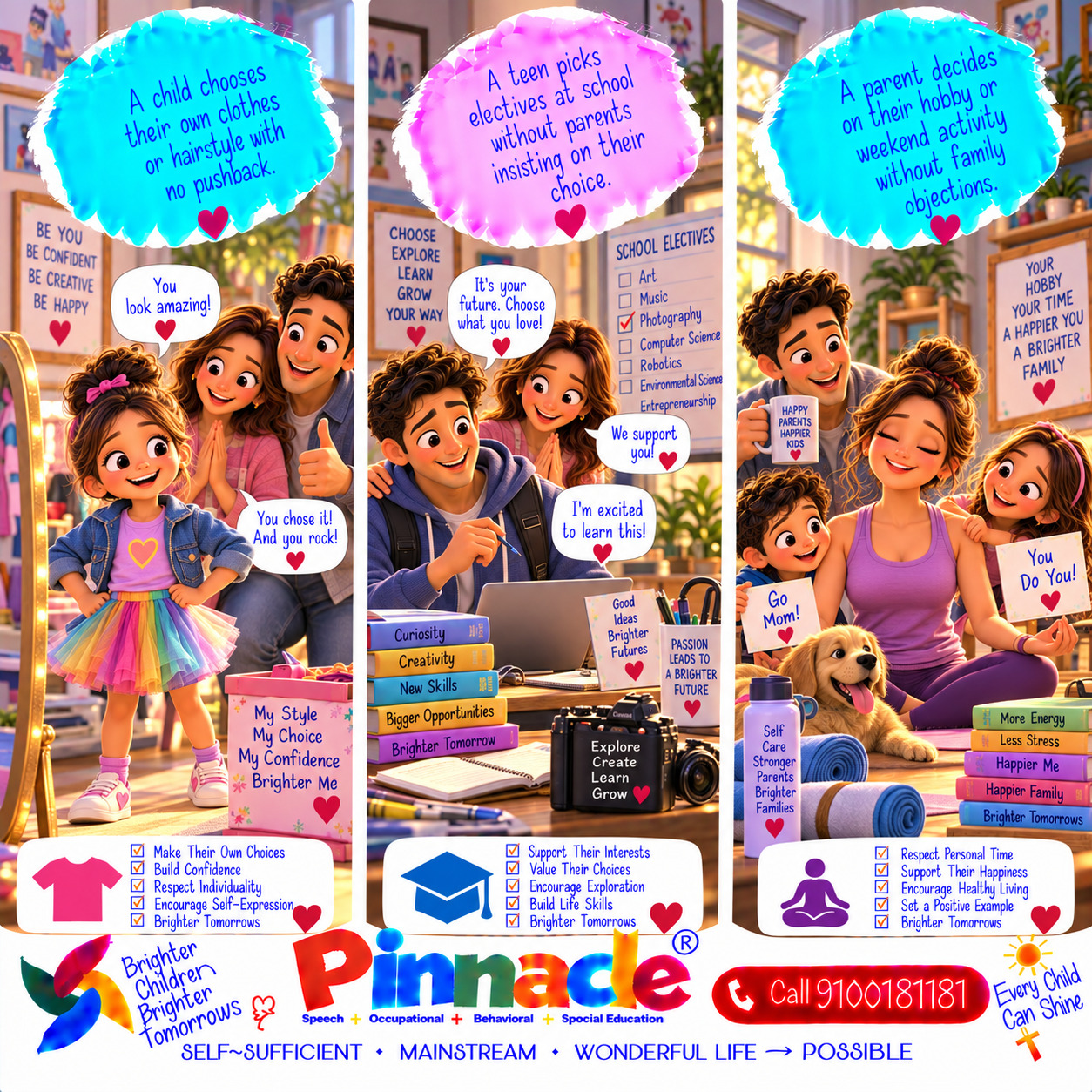
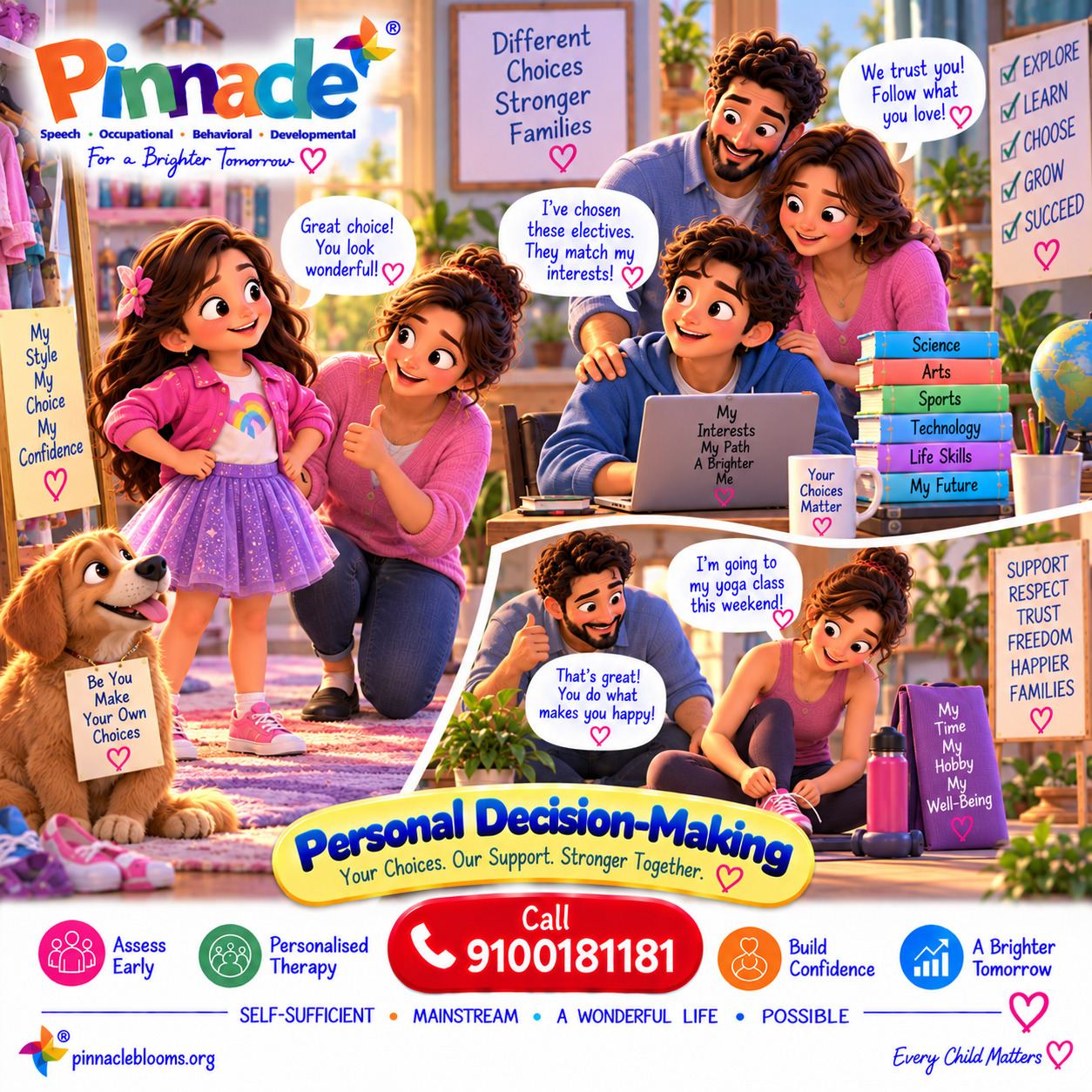
Personal Decision-Making : Do family members allow each other to make personal decisions (appropriate to age)?
Topic: Personal Decision-Making
Example 1
A child chooses their own clothes or hairstyle with no pushback.
Example 2
A teen picks electives at school without parents insisting on their choice.
Example 3
A parent decides on their hobby or weekend activity without family objections.
Example illustrationQuestion illustration
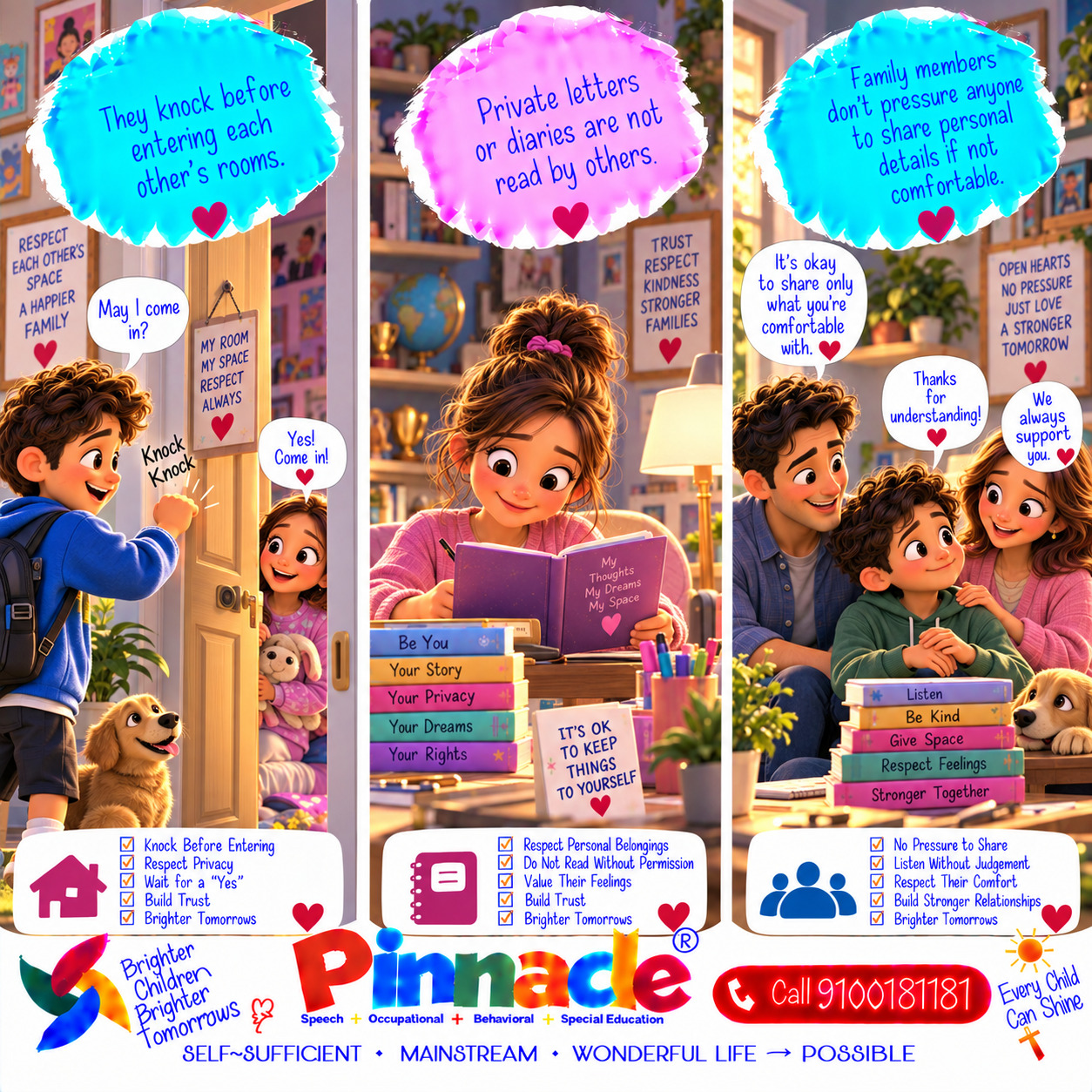
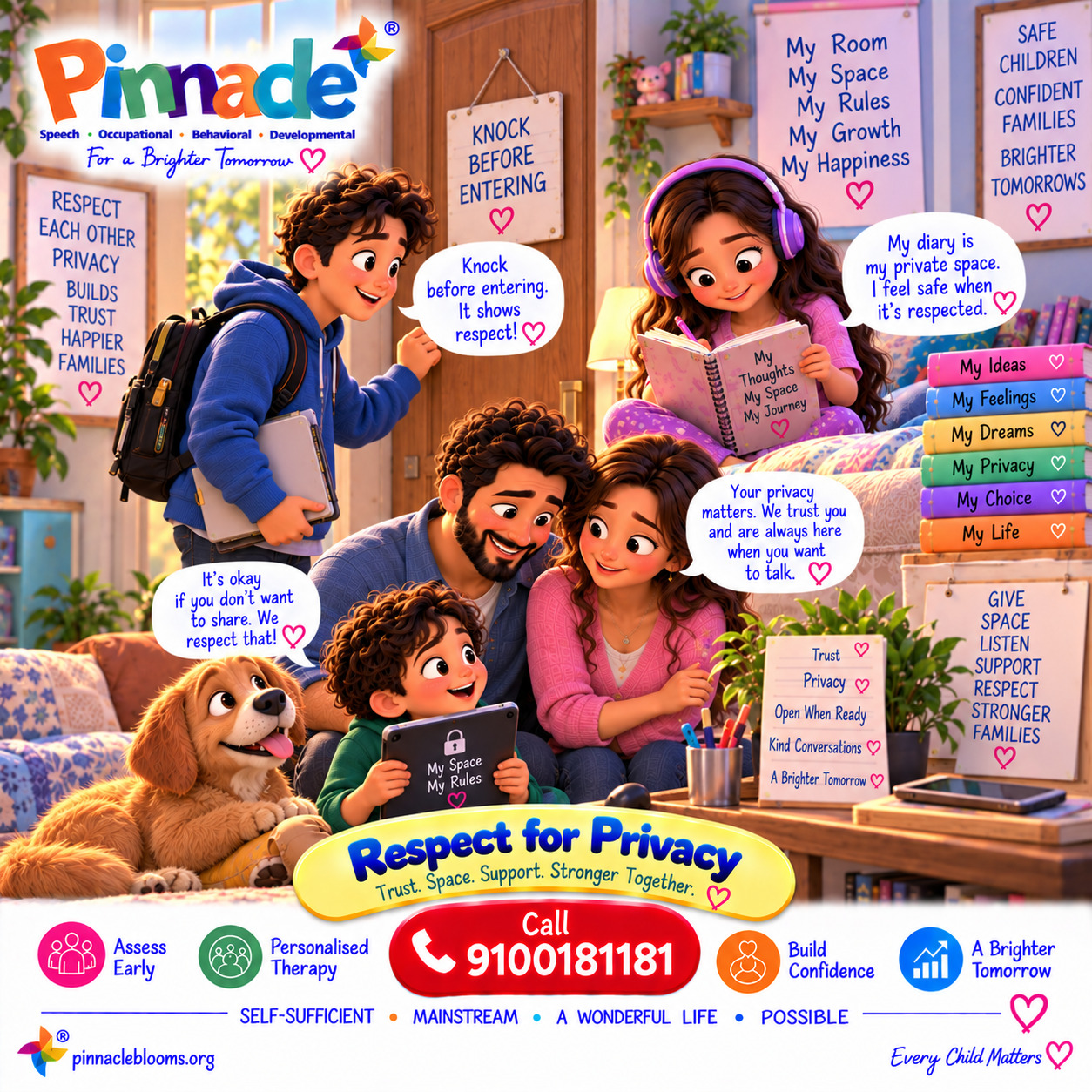
Respect for Privacy : Do family members respect each other’s privacy?
Topic: Respect for Privacy
Example 1
They knock before entering each other’s rooms.
Example 2
Private letters or diaries are not read by others.
Example 3
Family members don’t pressure anyone to share personal details if not comfortable.
Example illustrationQuestion illustration
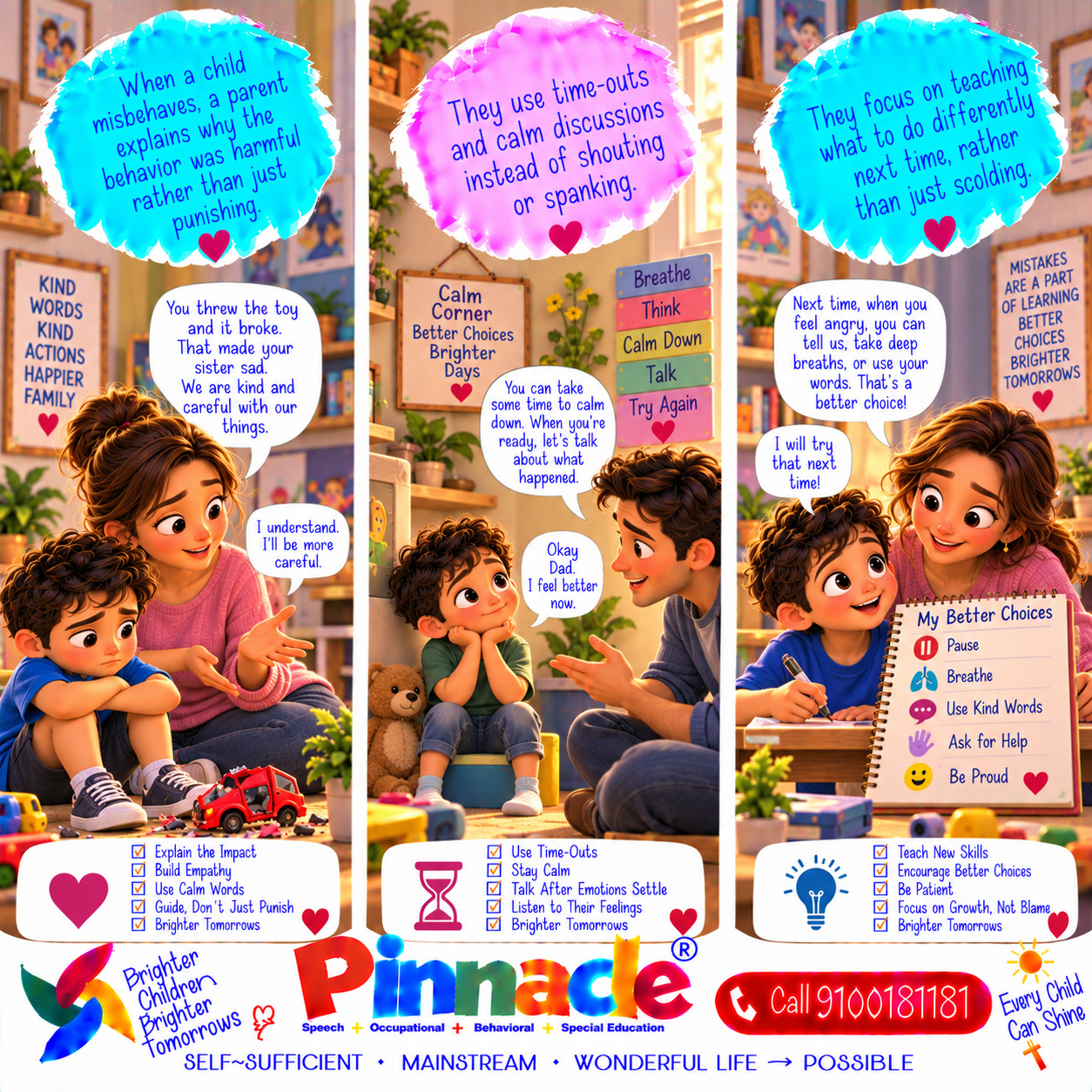
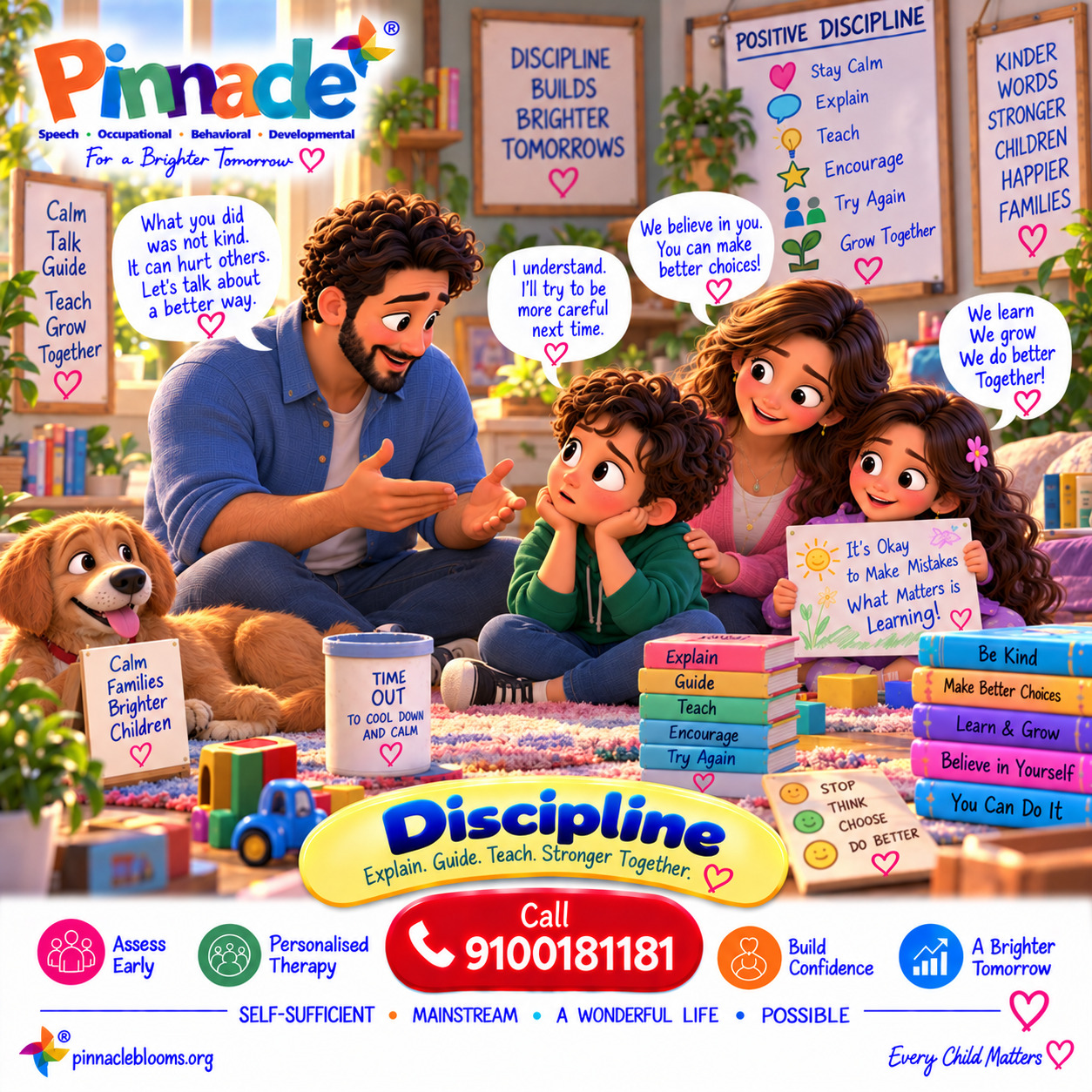
Discipline : Is positive discipline (e.g., explanations rather than punishment) used to manage behavior?
Topic: Discipline
Example 1
When a child misbehaves, a parent explains why the behavior was harmful rather than just punishing.
Example 2
They use time-outs and calm discussions instead of shouting or spanking.
Example 3
They focus on teaching what to do differently next time, rather than just scolding.
Example illustrationQuestion illustration
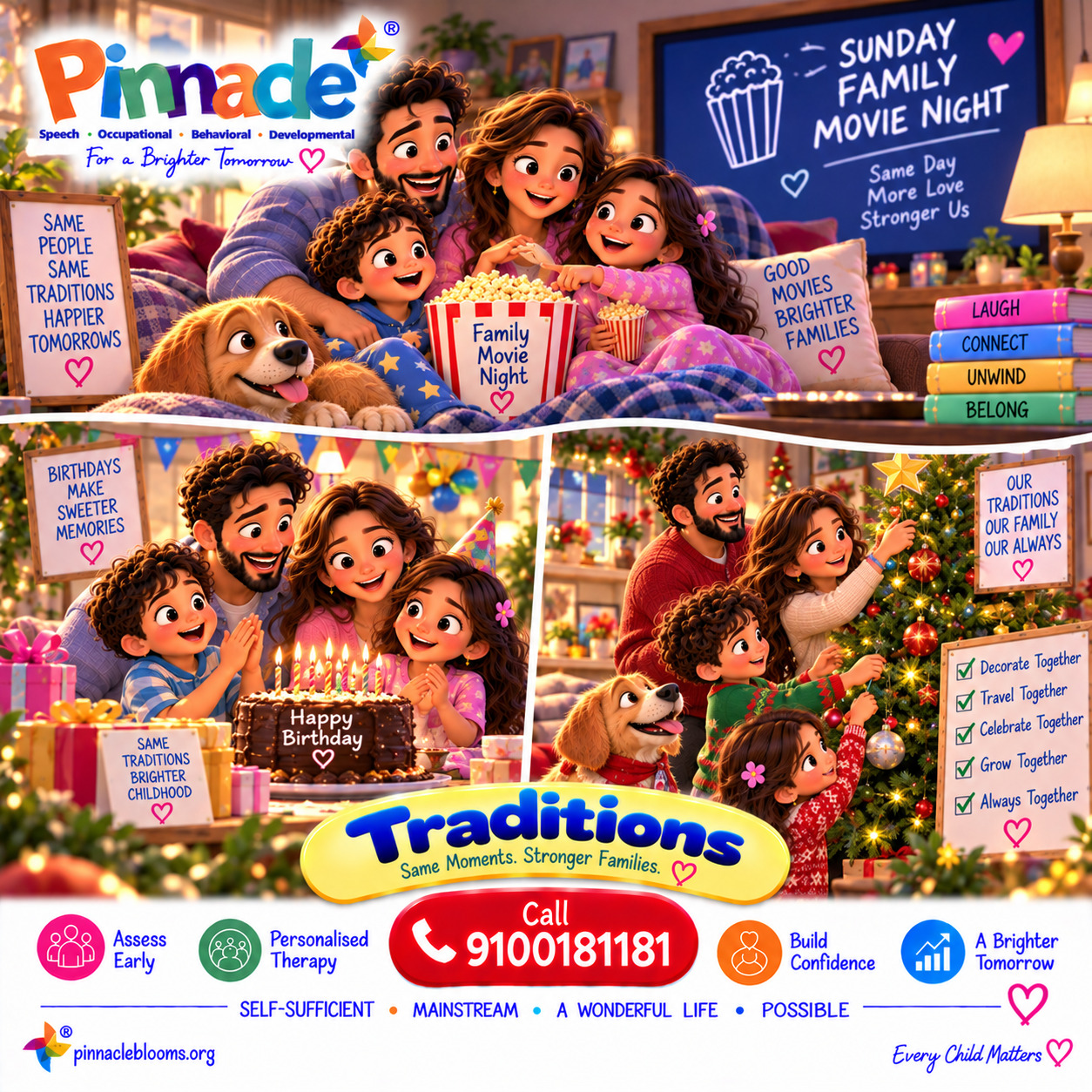
Traditions : Does the family have regular traditions or rituals that everyone participates in?
Topic: Traditions
Example 1
Every Sunday is “family movie night” with popcorn.
Example 2
They celebrate birthdays with a special homemade cake each year.
Example 3
Annual holiday traditions, like decorating the tree together, are kept consistently.
Example illustrationQuestion illustration
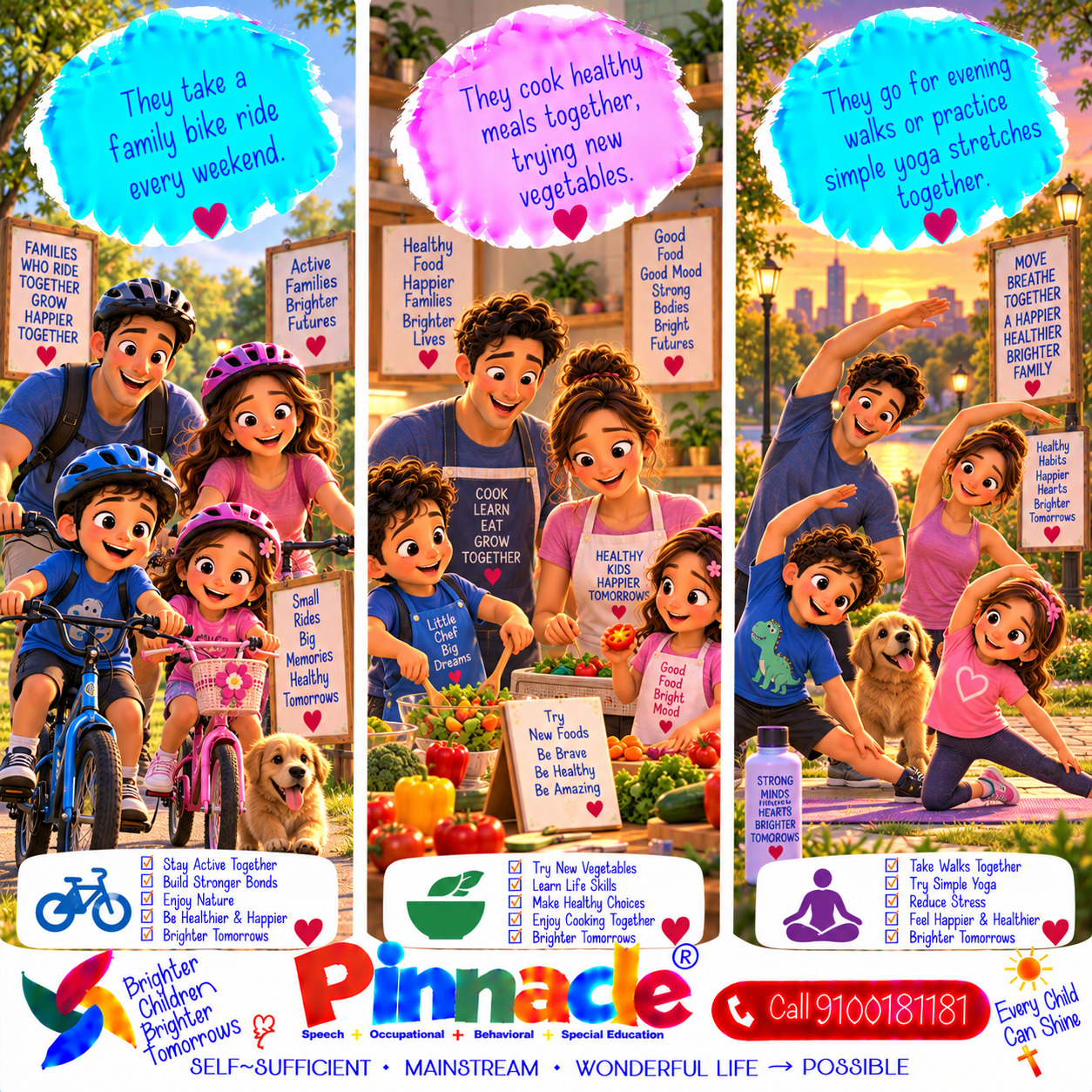
Health & Wellness : Does the family engage in activities that promote health (e.g., exercise, outdoor play)?
Topic: Health & Wellness
Example 1
They take a family bike ride every weekend.
Example 2
They cook healthy meals together, trying new vegetables.
Example 3
They go for evening walks or practice simple yoga stretches together.