Pinnacle iBASC-3 - Behavior Assessment System for Children–3
share
The Behavior Assessment System for Children-3 (BASC-3) is a comprehensive tool designed to assess the behaviors and emotions impacting children''s ability to operate effectively in various settings. It is a crucial step in crafting personalized, effective intervention strategies.
BASC-3 evaluates various aspects of a child''s behavior and emotions, helping professionals identify developmental disorders and design targeted treatments.
Early and accurate assessments using the BASC-3 are vital in identifying challenges and opportunities for growth. Understanding these elements can significantly improve your child''s developmental trajectory.
Our expert team at Pinnacle Blooms Network uses the BASC-3 to evaluate your child''s behavior. The results inform a personalized therapy plan that may include Speech Therapy, ABA Therapy, Occupational Therapy, and Special Education.
The best time to conduct a BASC-3 assessment is when you notice atypical behaviors or developmental concerns in your child. Early intervention leads to better outcomes.
With locations across India, USA, Dubai, and Singapore, Pinnacle Blooms Network is equipped to deliver BASC-3 assessments, ensuring comprehensive care and accessibility.
Pinnacle Blooms Network has successfully delivered 1,00,00,000+ assessments with a 97% accuracy rate, leveraging the world''s first patented AI-driven TherapeuticAI.
Raghav was just 4 when his parents noticed his struggles with communication and social interactions. The uncertainty and worry they felt were overwhelming. After discovering Pinnacle Blooms Network, they opted for a BASC-3 assessment. The insights gained transformed their approach to Raghav''s care, providing not just answers, but a plan and a supportive community. Today, Raghav thrives, achieving milestones one step at a time, surrounded by understanding and guided dedication.
These are reference questions and illustrative examples. This section does not collect child responses, calculate scores or produce an individual assessment result.
Does the child frequently argue or become upset when given instructions?
Topic: Instructions Compliance
Example 1
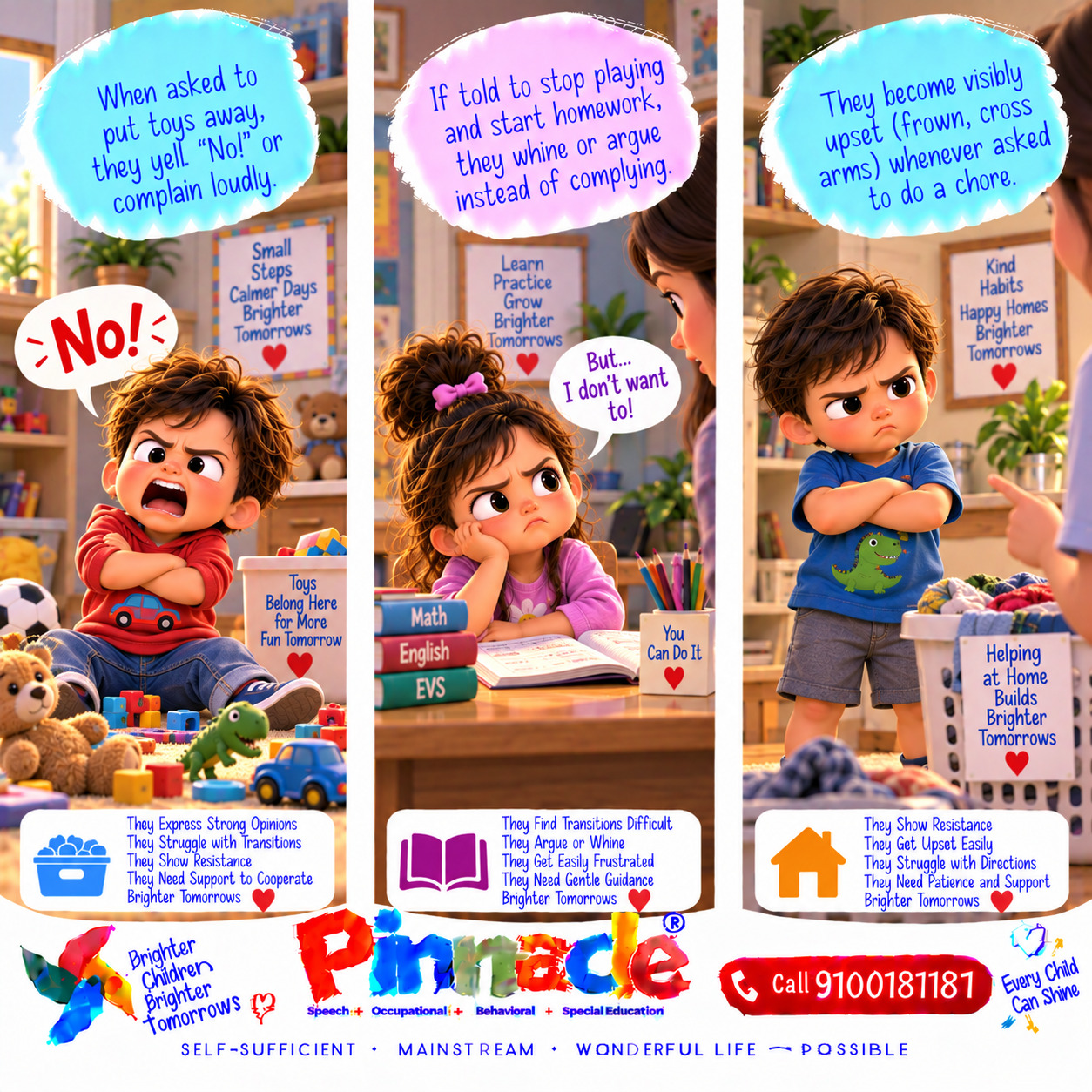
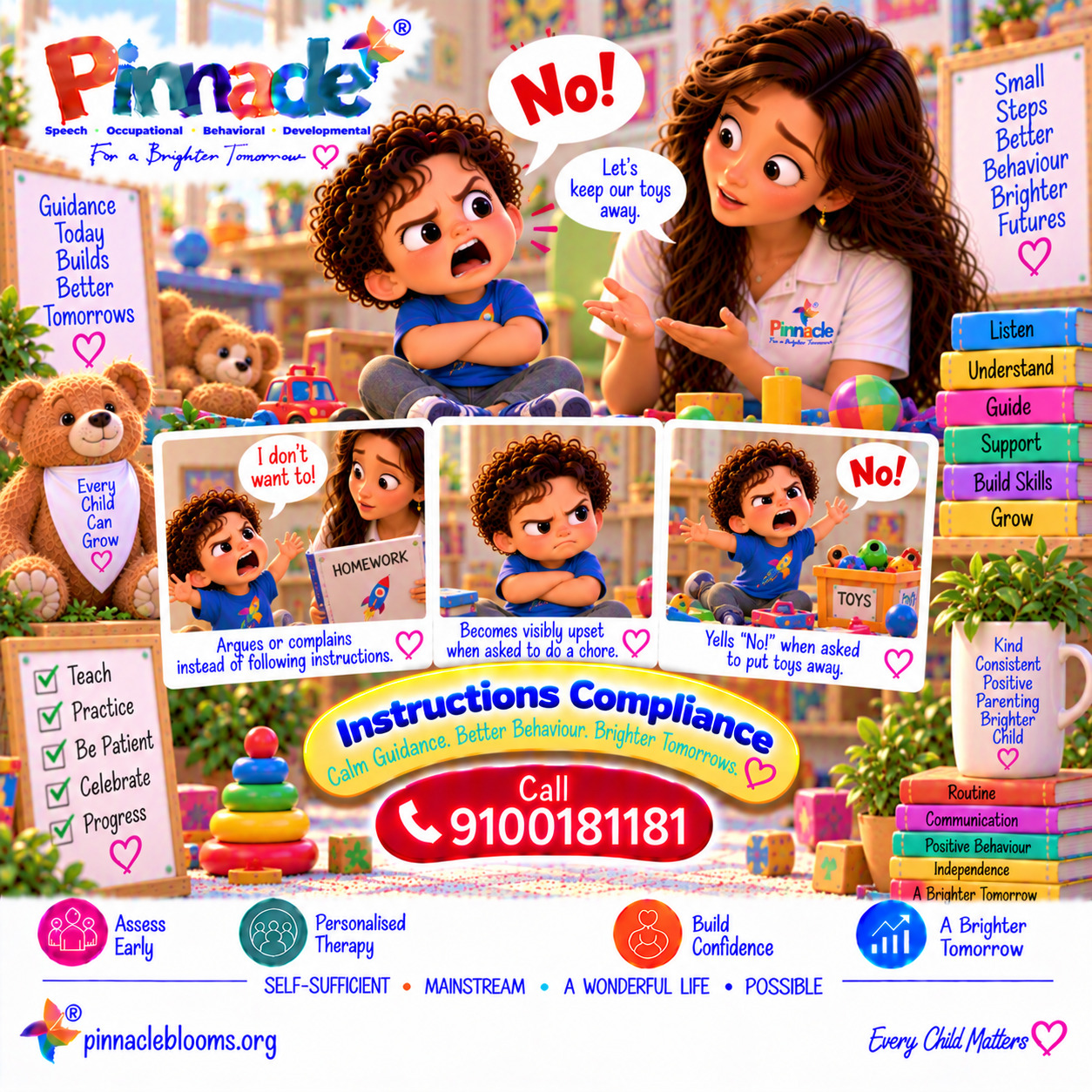
When asked to put toys away, they yell “No!” or complain loudly.
Example 2
If told to stop playing and start homework, they whine or argue instead of complying.
Example 3
They become visibly upset (frown, cross arms) whenever asked to do a chore.
Example illustrationQuestion illustration
Does the child throw tantrums when they don’t get what they want?
Topic: Emotional Outbursts
Example 1
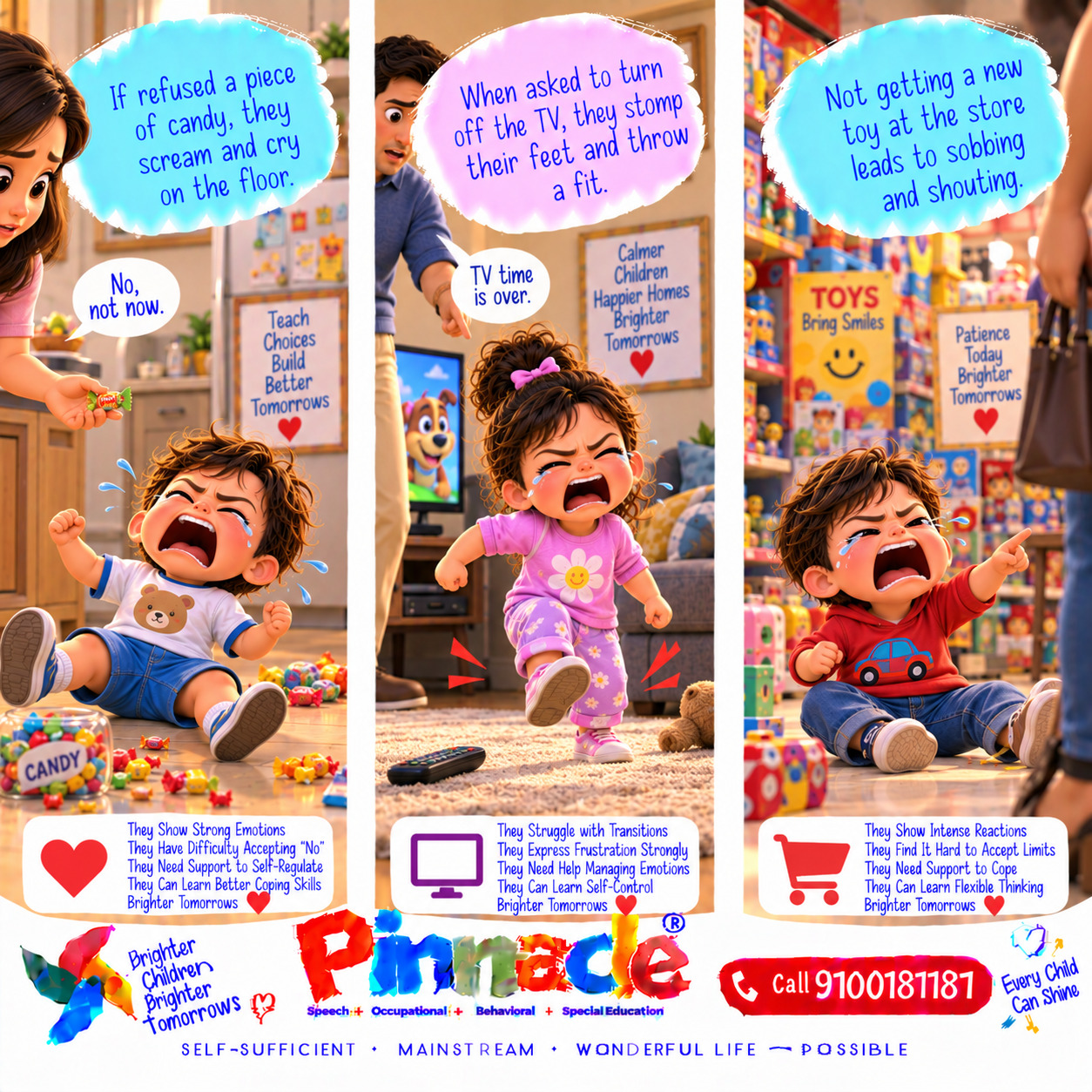
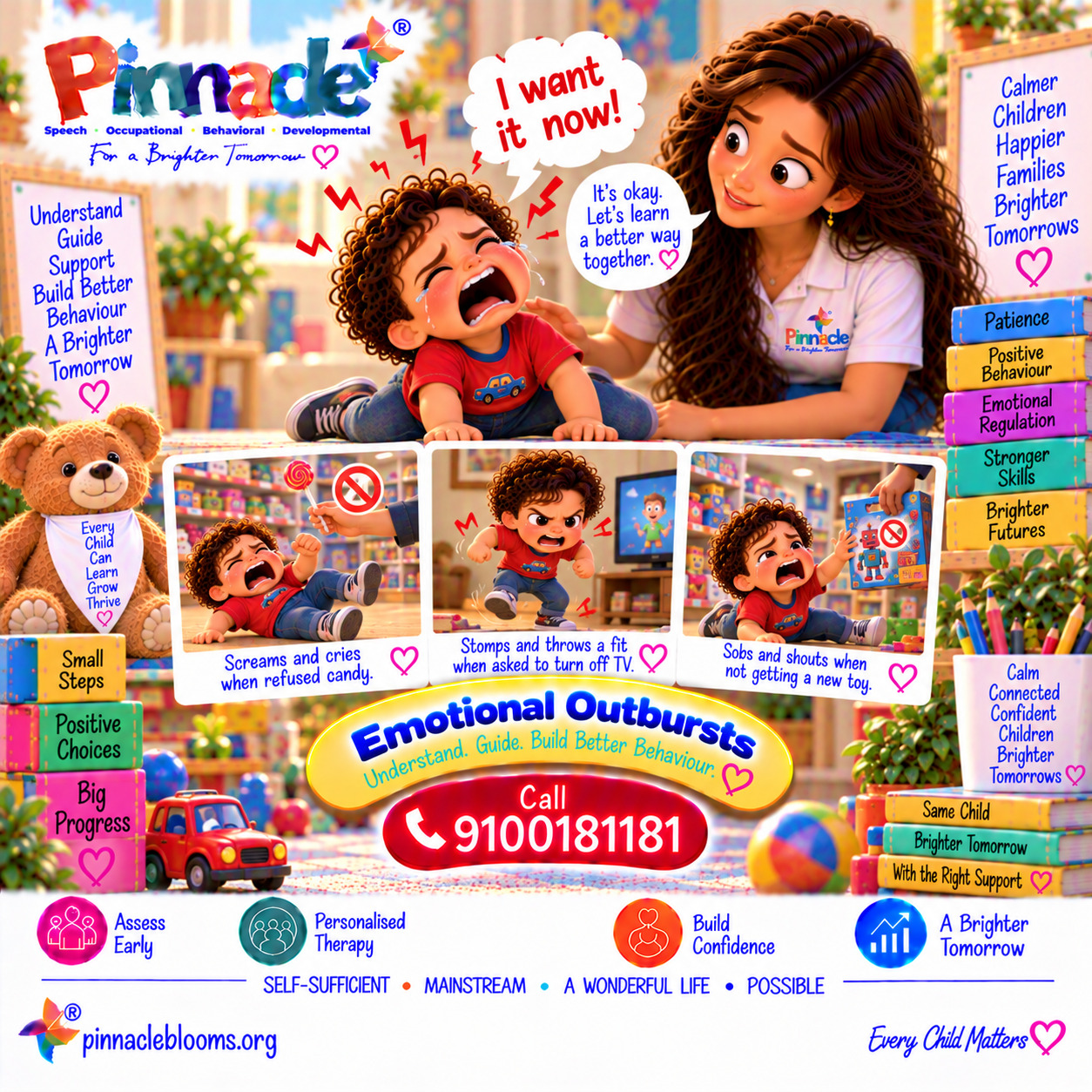
If refused a piece of candy, they scream and cry on the floor.
Example 2
When asked to turn off the TV, they stomp their feet and throw a fit.
Example 3
Not getting a new toy at the store leads to sobbing and shouting.
Example illustrationQuestion illustration
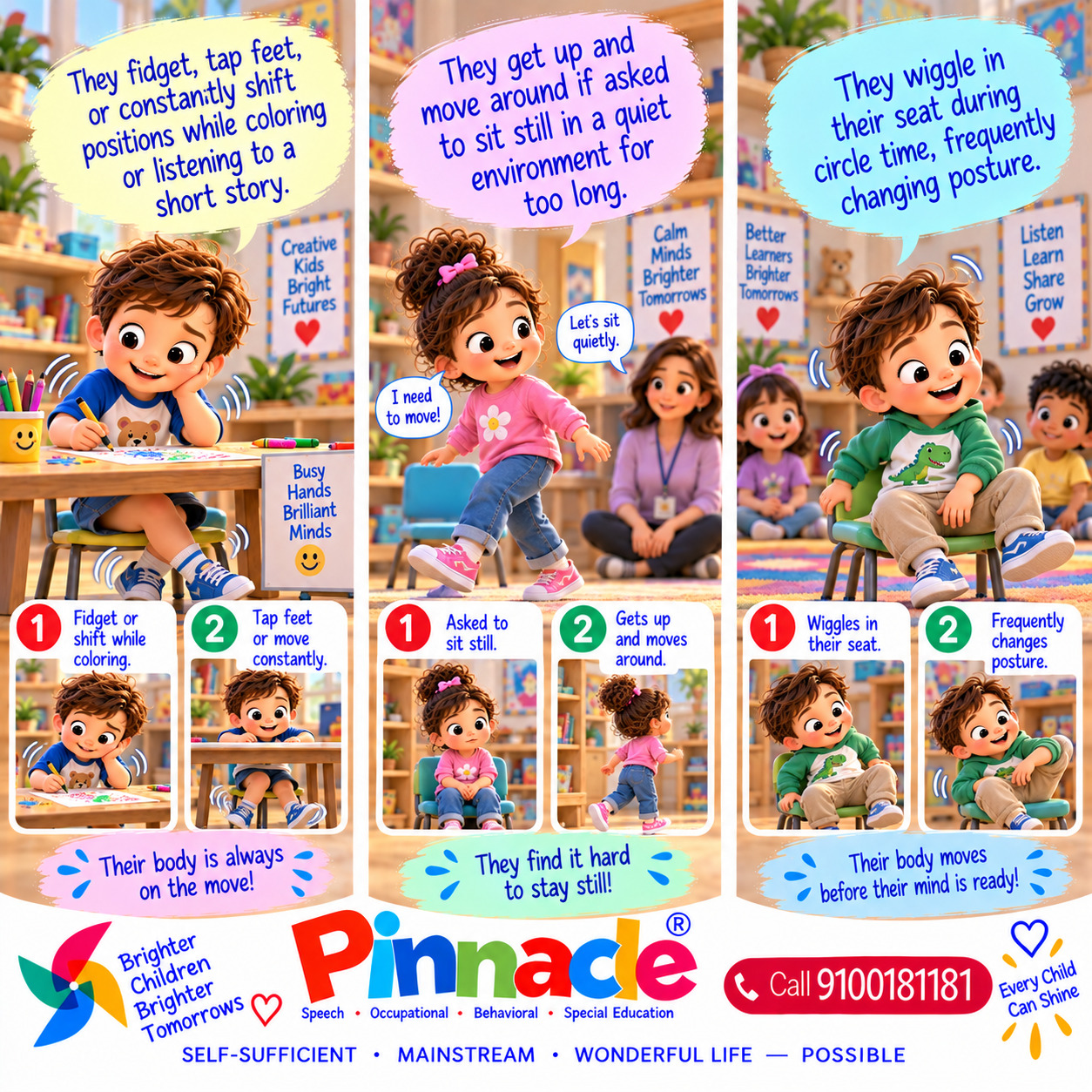
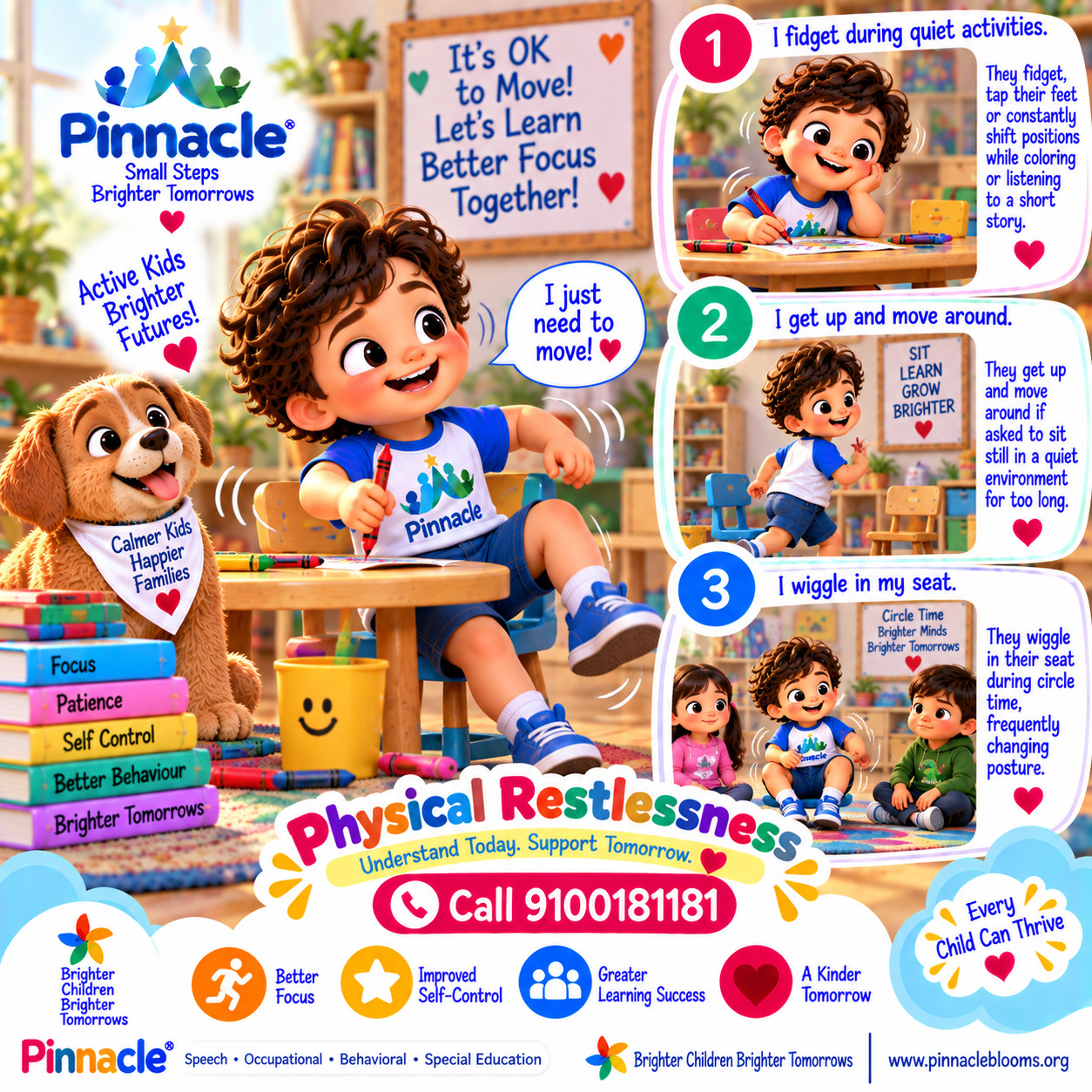
Does the child become physically restless during quiet activities?
Topic: Physical Restlessness
Example 1
They fidget, tap feet, or constantly shift positions while coloring or listening to a short story.
Example 2
They get up and move around if asked to sit still in a quiet environment for too long.
Example 3
They wiggle in their seat during circle time, frequently changing posture.
Example illustrationQuestion illustration
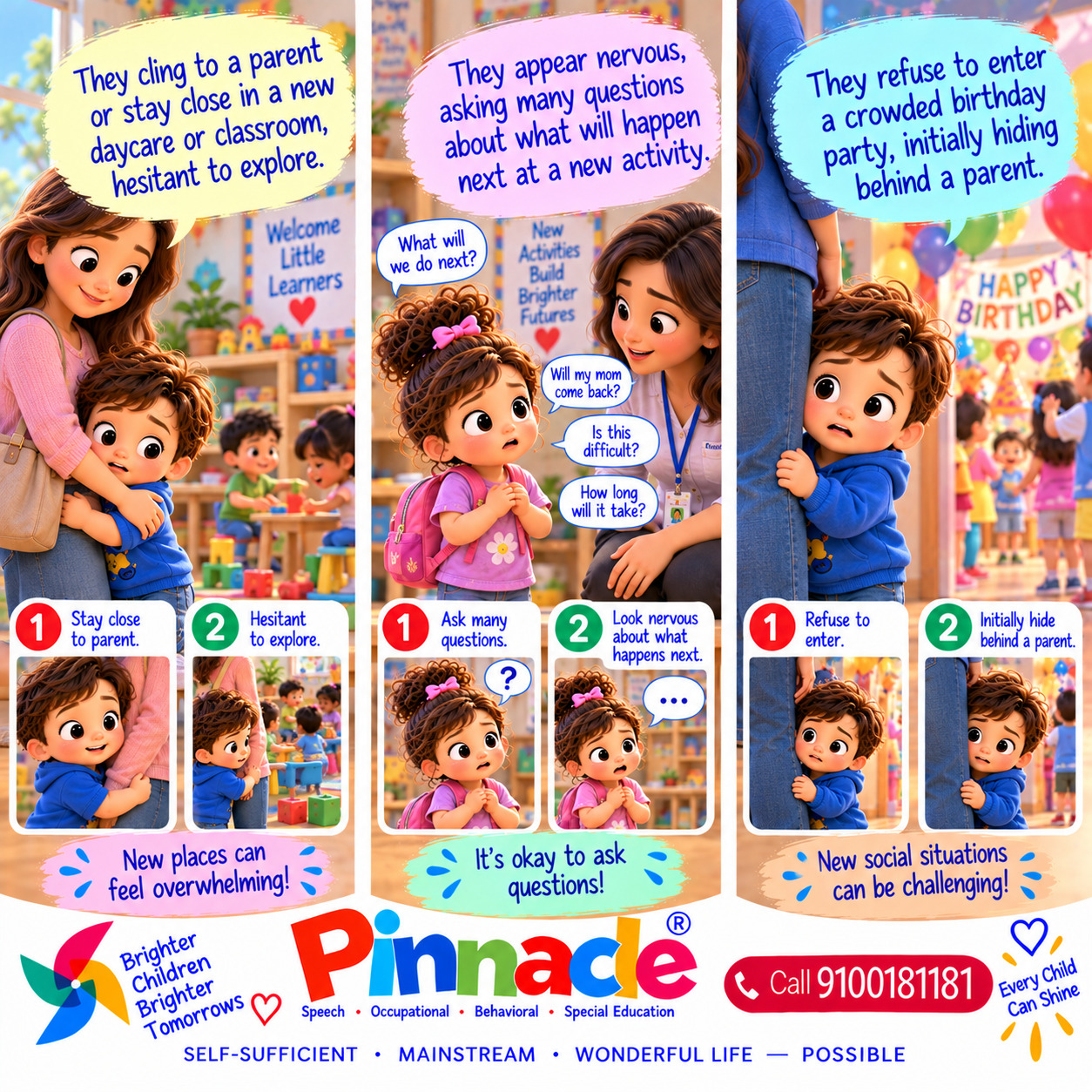
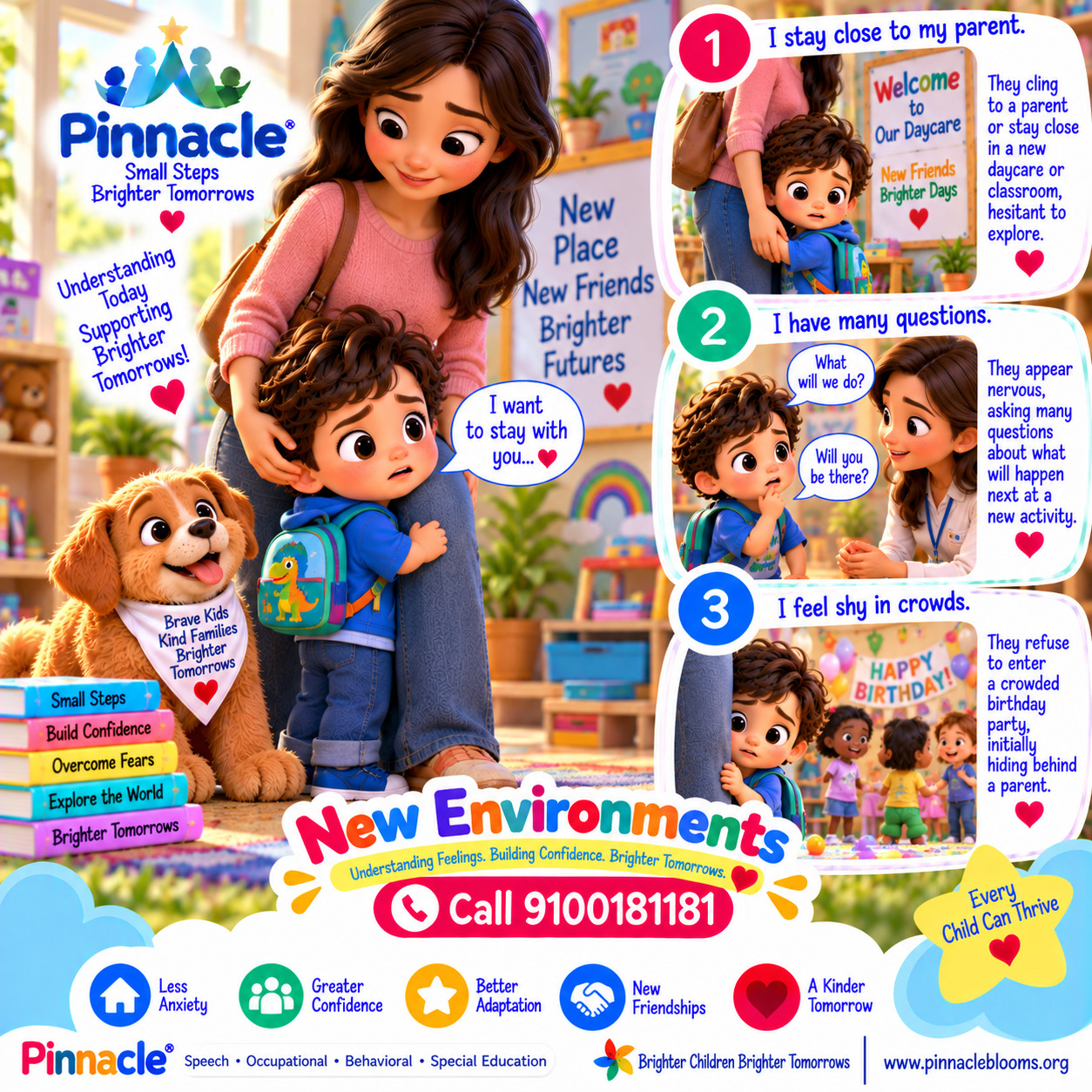
Does the child show signs of anxiety in new settings?
Topic: New Environments
Example 1
They cling to a parent or stay close in a new daycare or classroom, hesitant to explore.
Example 2
They appear nervous, asking many questions about what will happen next at a new activity.
Example 3
They refuse to enter a crowded birthday party, initially hiding behind a parent.
Example illustrationQuestion illustration
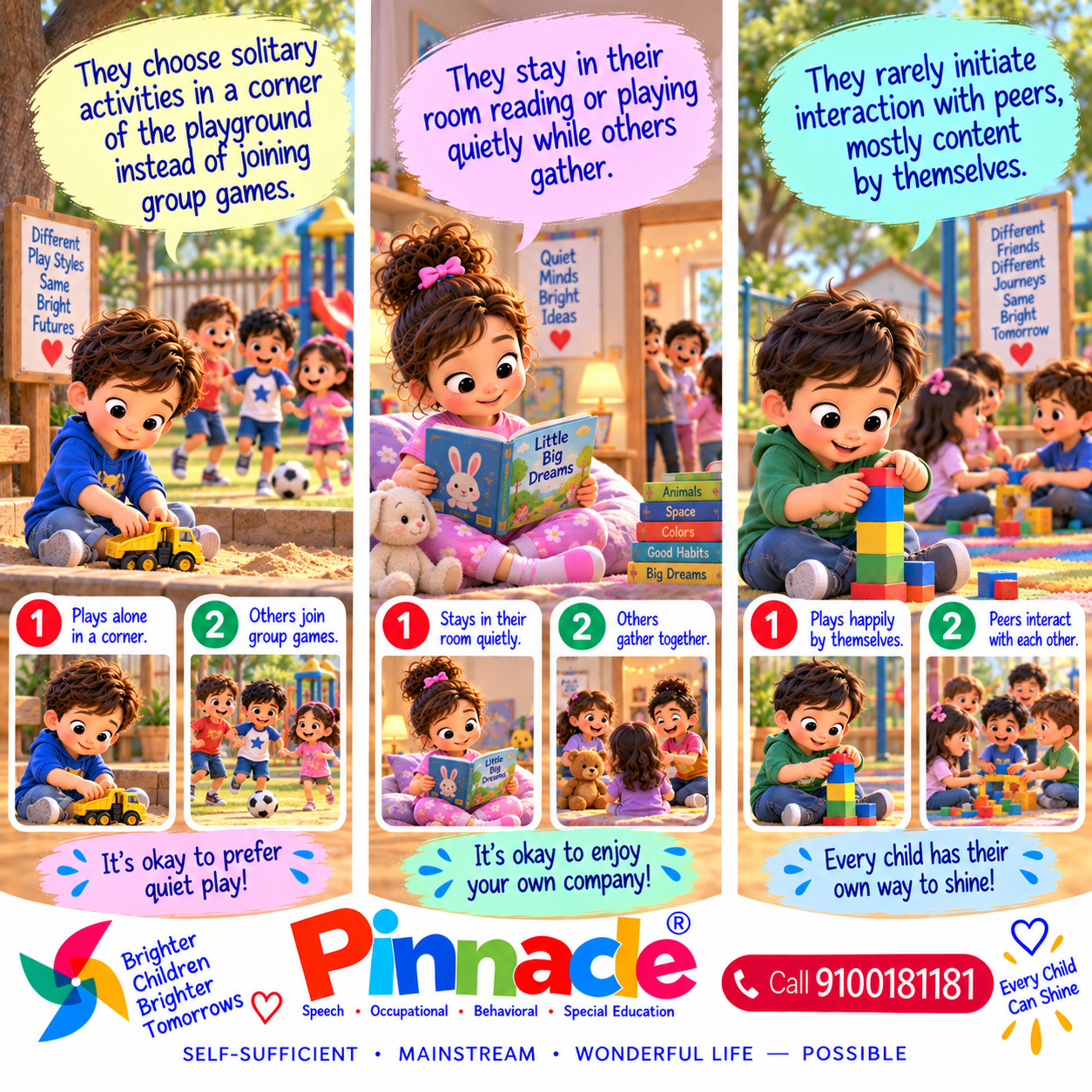
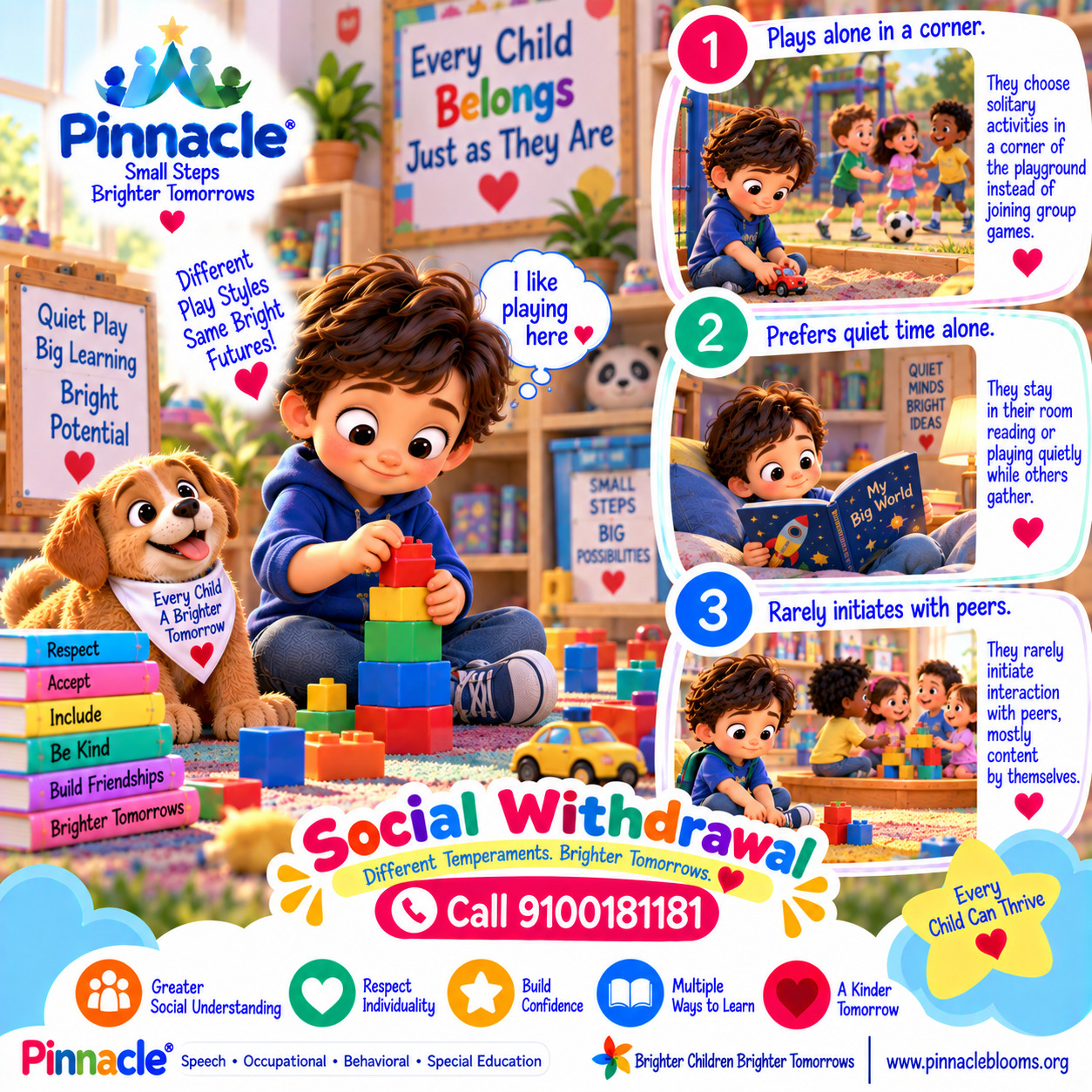
Does the child appear withdrawn or prefer to play alone?
Topic: Social Withdrawal
Example 1
They choose solitary activities in a corner of the playground instead of joining group games.
Example 2
They stay in their room reading or playing quietly while others gather.
Example 3
They rarely initiate interaction with peers, mostly content by themselves.
Example illustrationQuestion illustration
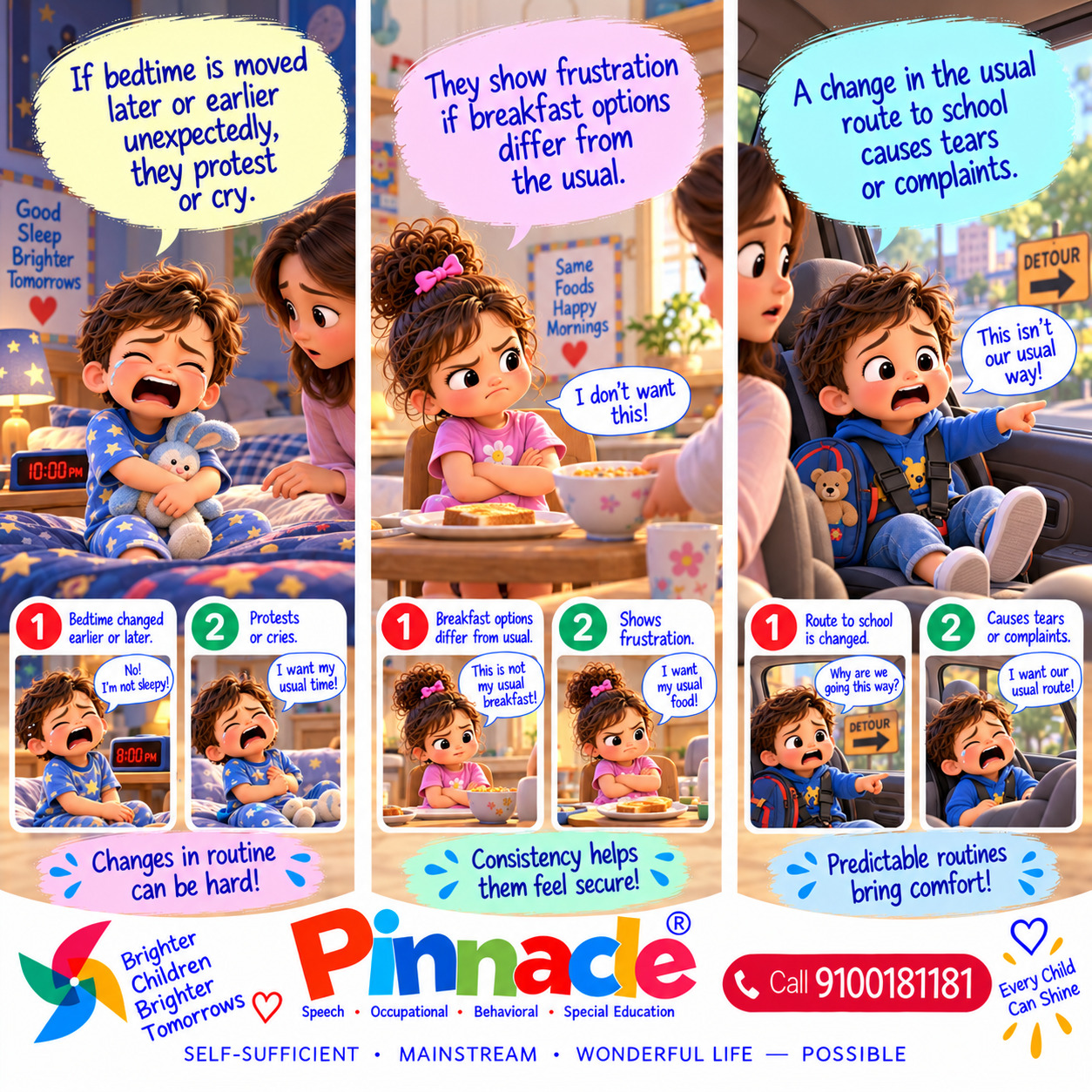
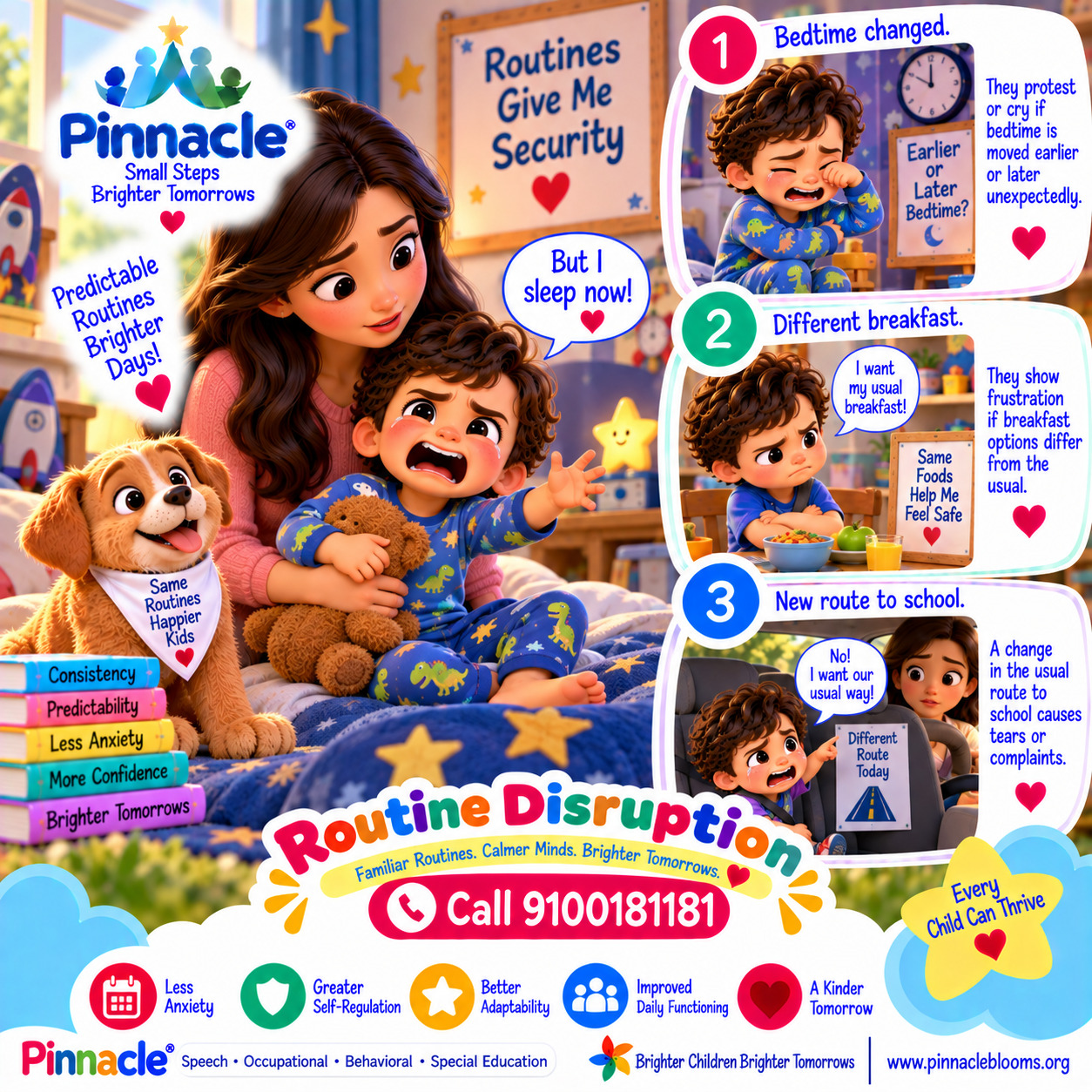
Does the child become upset when routines are changed?
Topic: Routine Disruption
Example 1
If bedtime is moved later or earlier unexpectedly, they protest or cry.
Example 2
They show frustration if breakfast options differ from the usual.
Example 3
A change in the usual route to school causes tears or complaints.
Example illustrationQuestion illustration
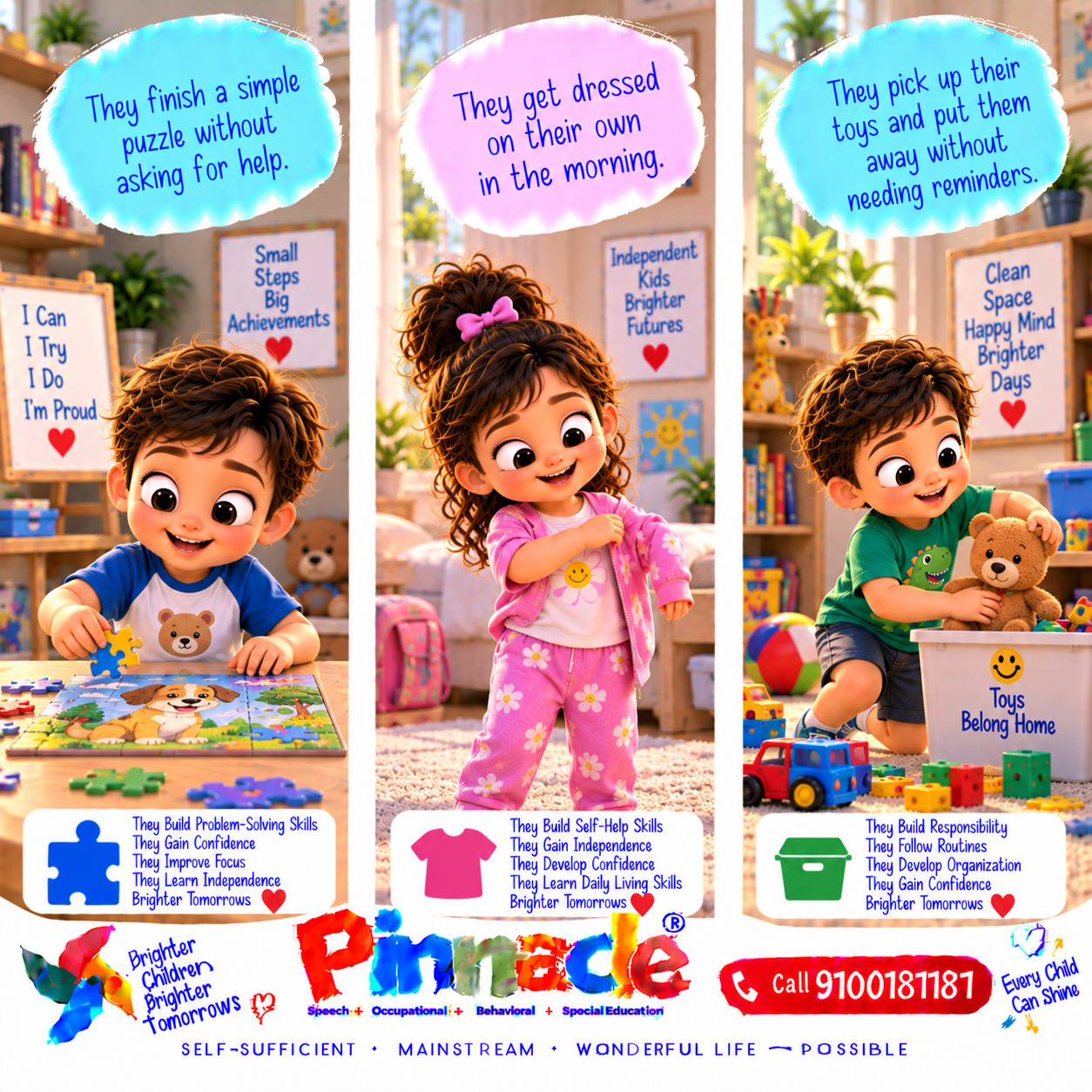
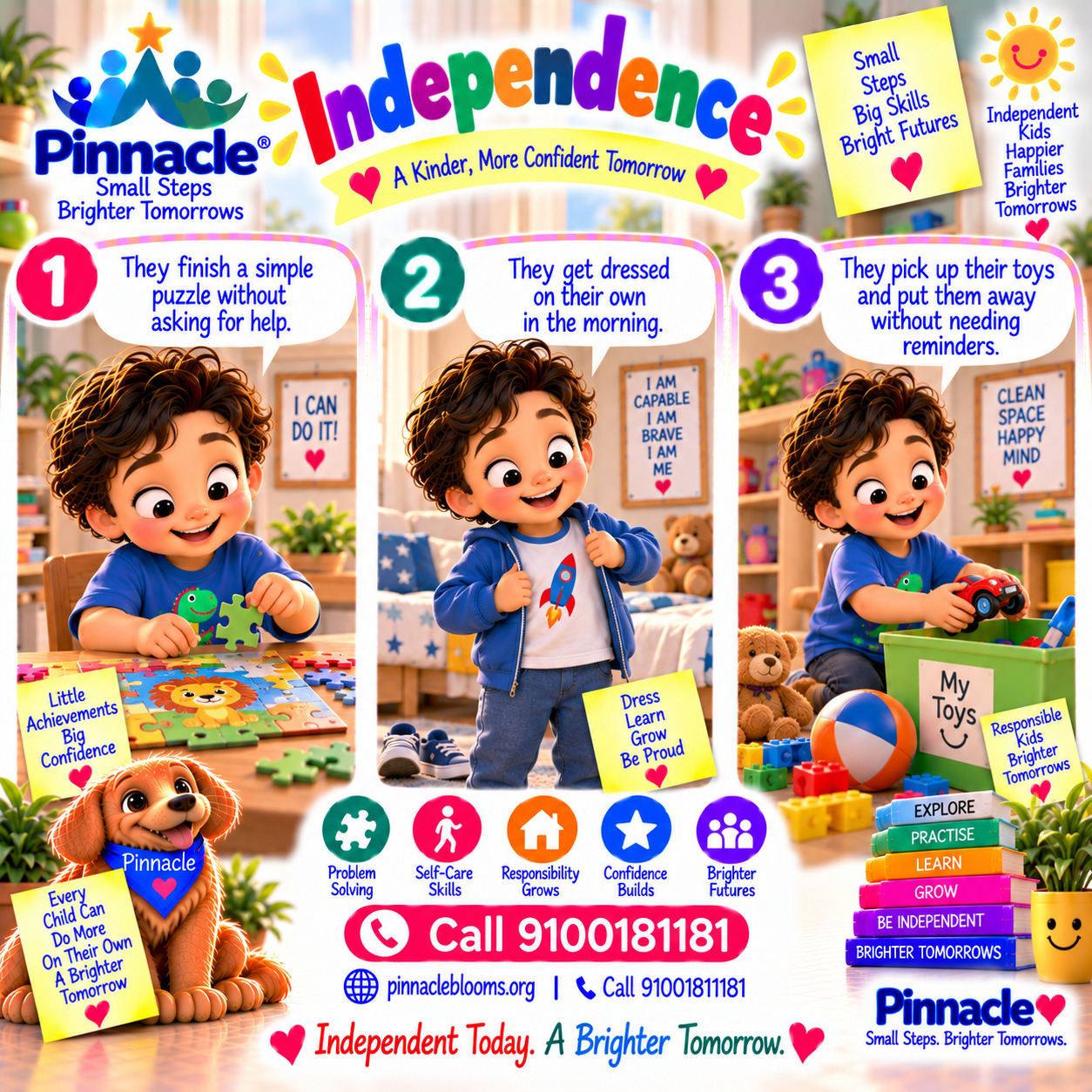
Does the child complete tasks independently?
Topic: Independence
Example 1
They finish a simple puzzle without asking for help.
Example 2
They get dressed on their own in the morning.
Example 3
They pick up their toys and put them away without needing reminders.
Example illustrationQuestion illustration
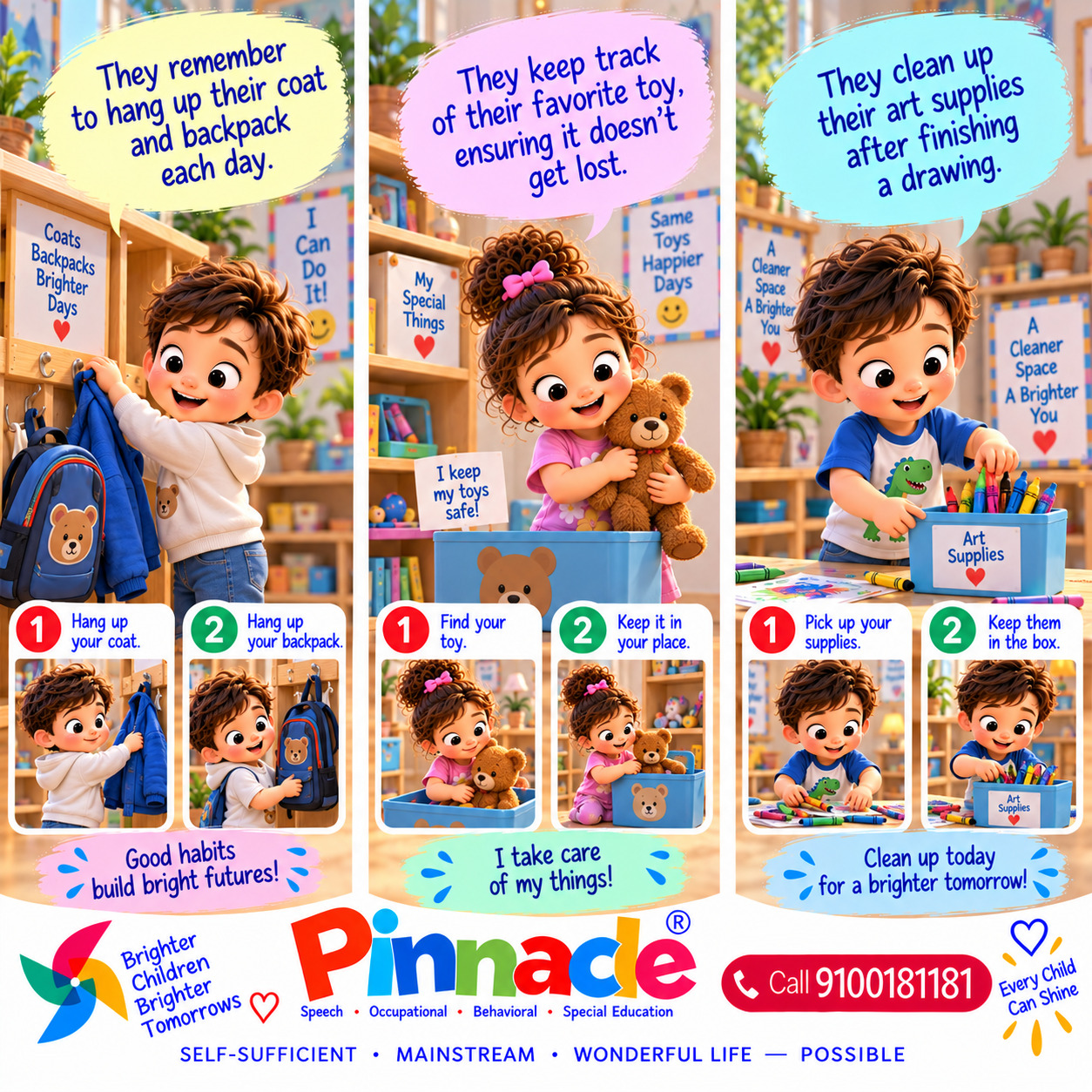
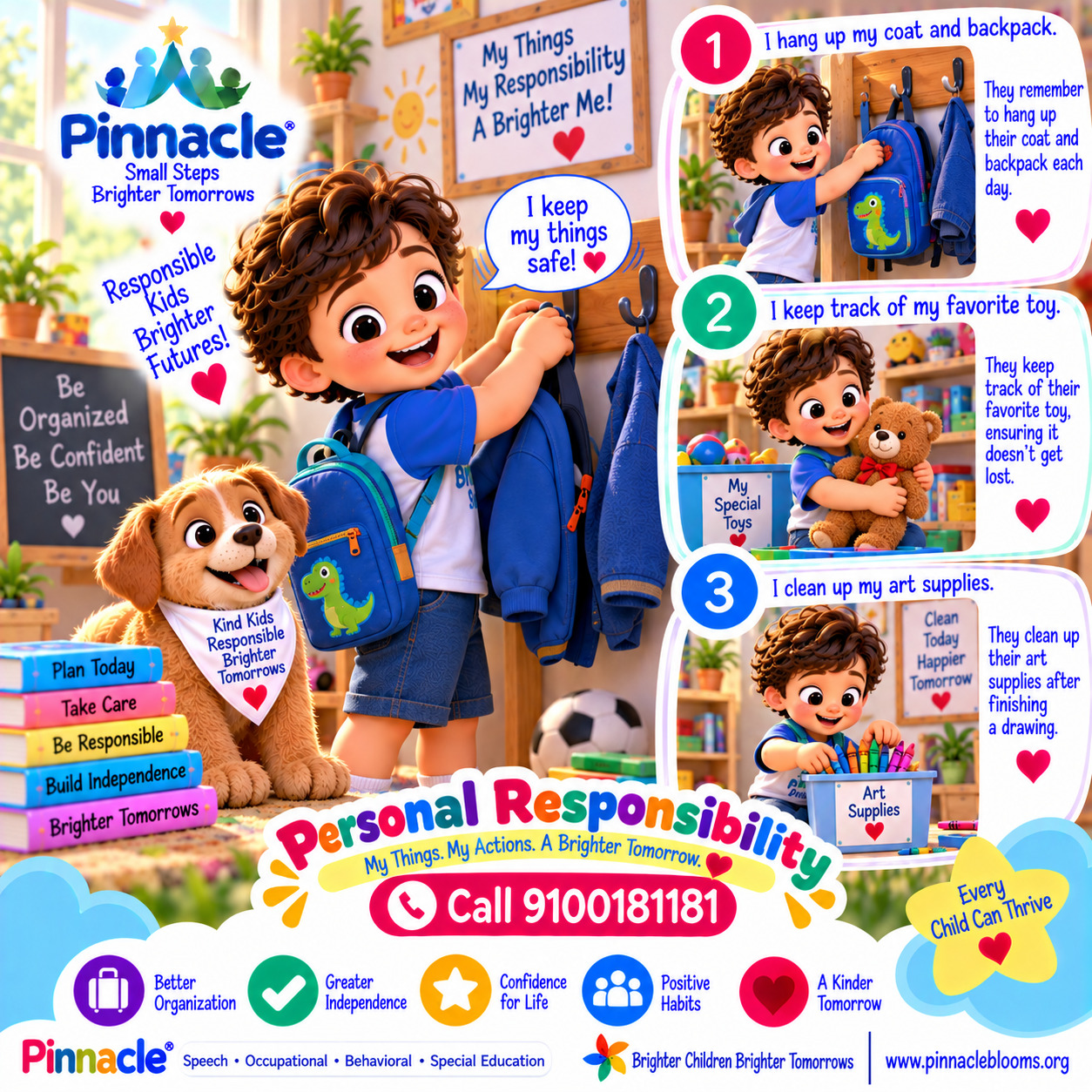
Does the child show responsibility for personal belongings?
Topic: Personal Responsibility
Example 1
They remember to hang up their coat and backpack each day.
Example 2
They keep track of their favorite toy, ensuring it doesn’t get lost.
Example 3
They clean up their art supplies after finishing a drawing.
Example illustrationQuestion illustration
Is the child able to brush their teeth with supervision?
Topic: Hygiene Tasks
Example 1
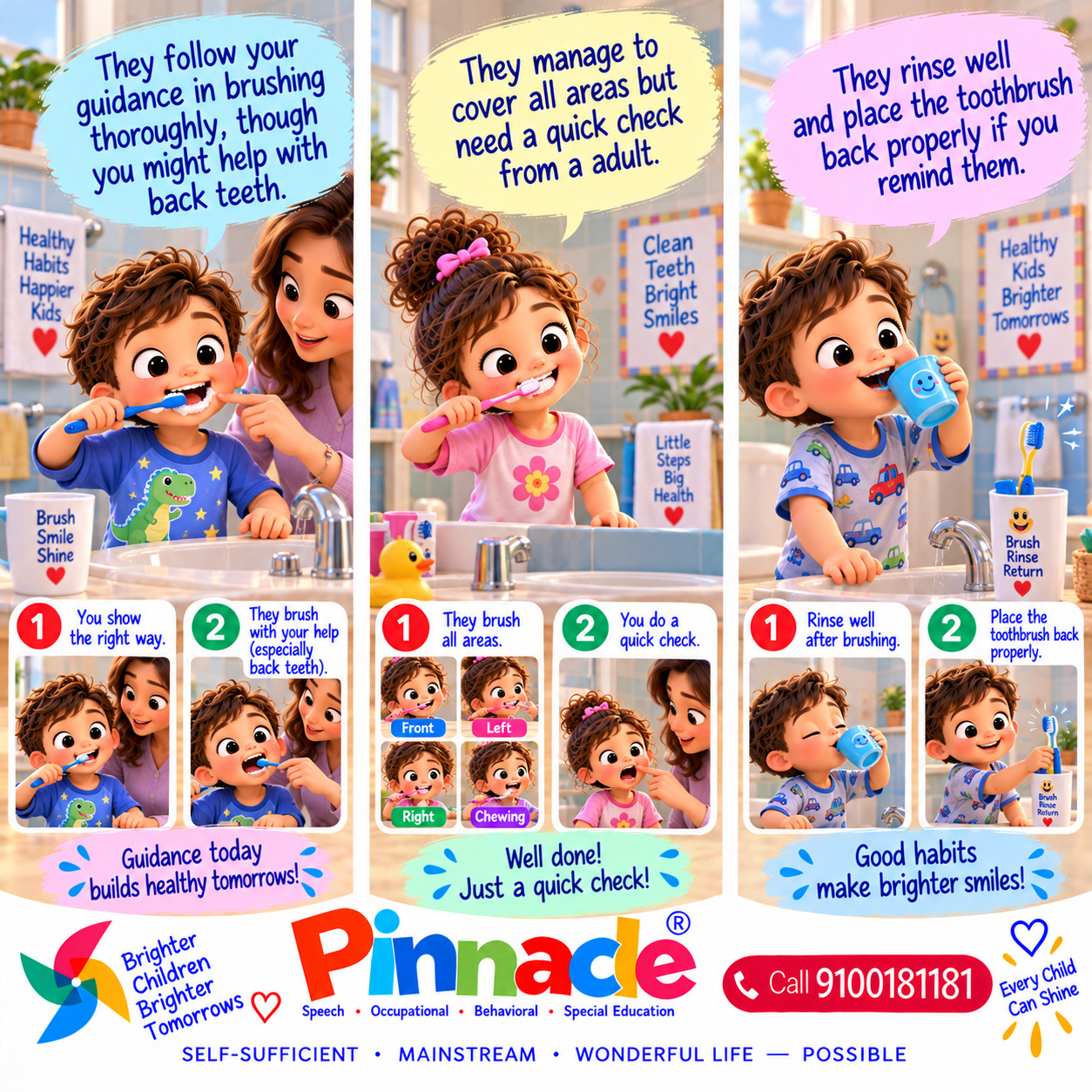
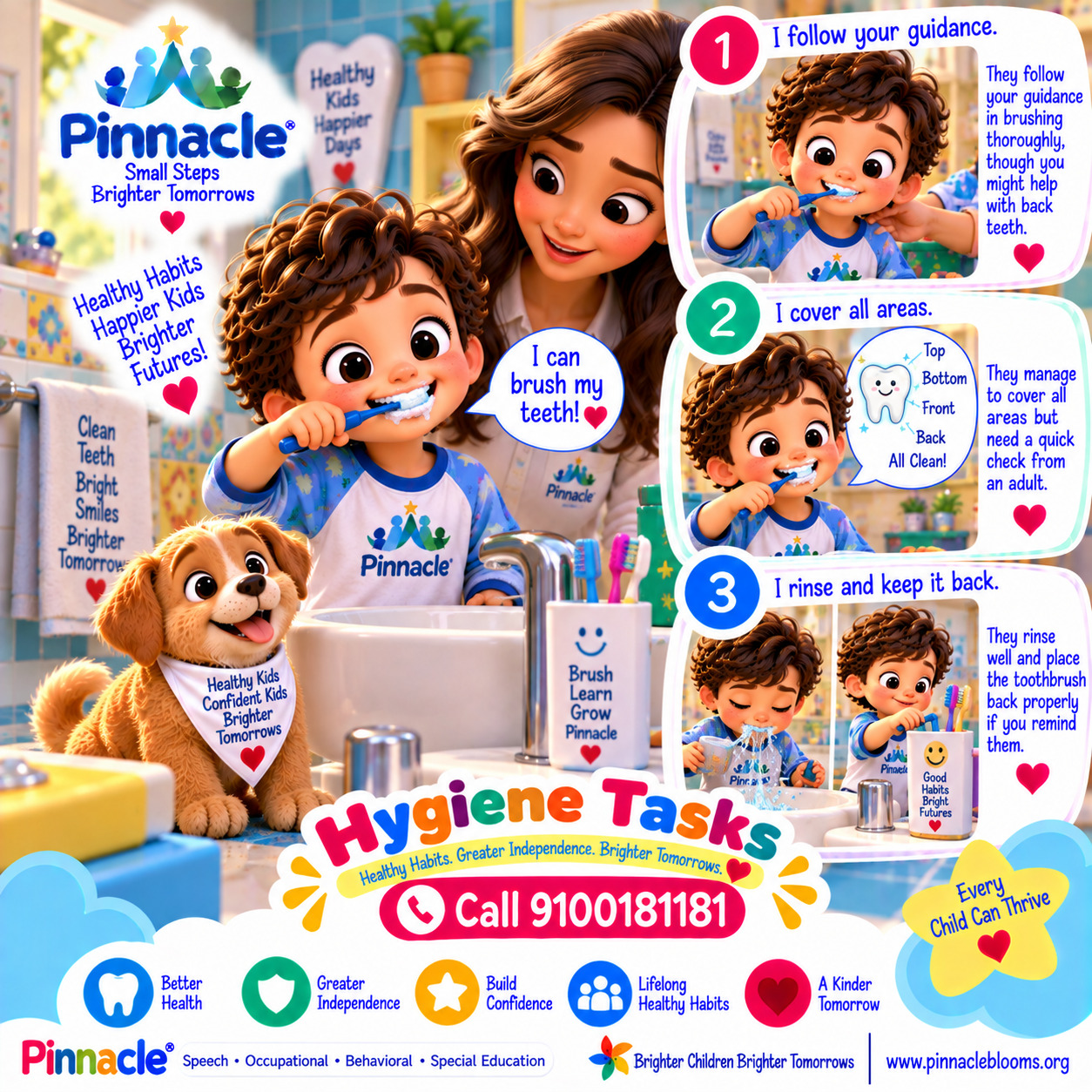
They follow your guidance in brushing thoroughly, though you might help with back teeth.
Example 2
They manage to cover all areas but need a quick check from an adult.
Example 3
They rinse well and place the toothbrush back properly if you remind them.
Example illustrationQuestion illustration
Does the child participate in turn-taking games?
Topic: Turn-Taking
Example 1
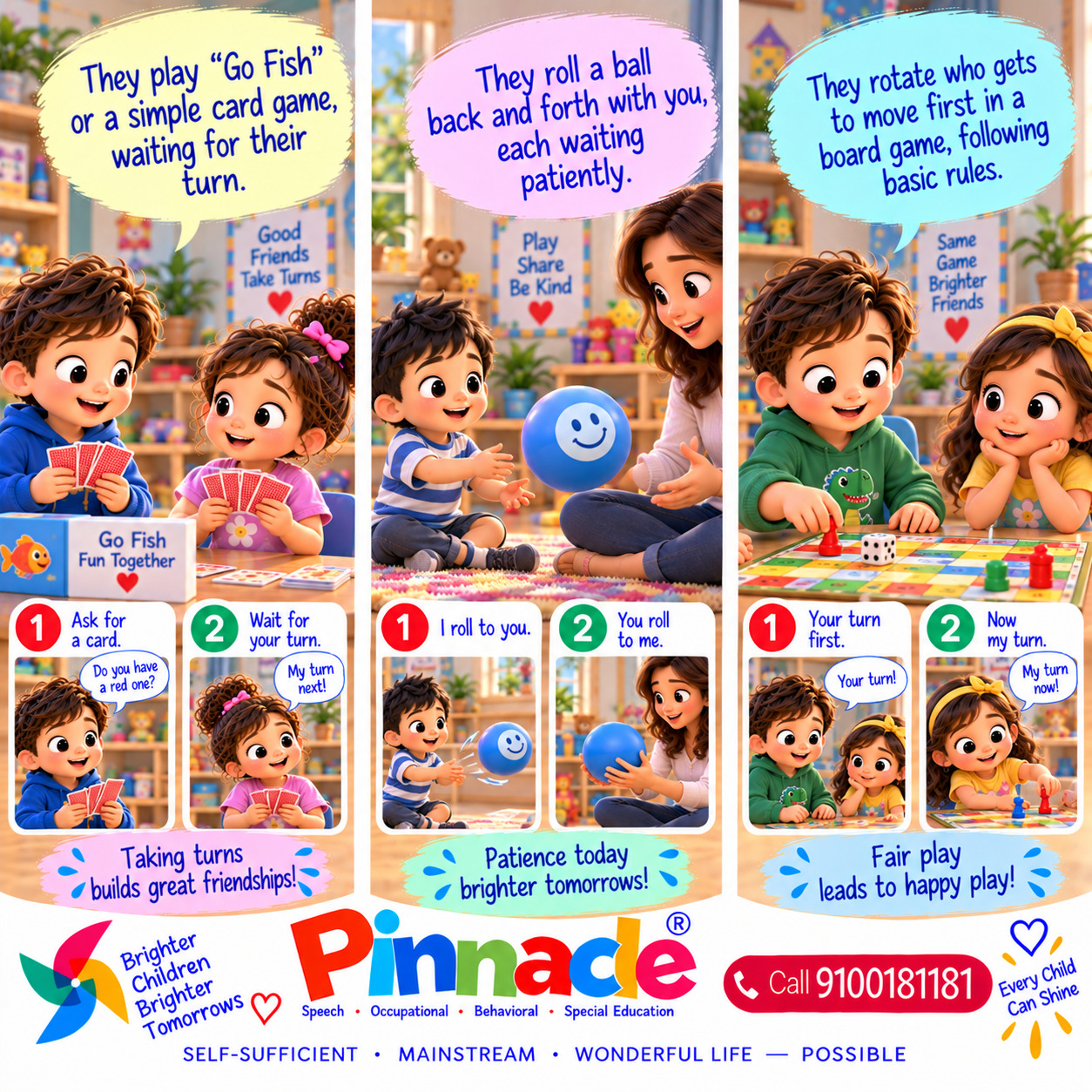
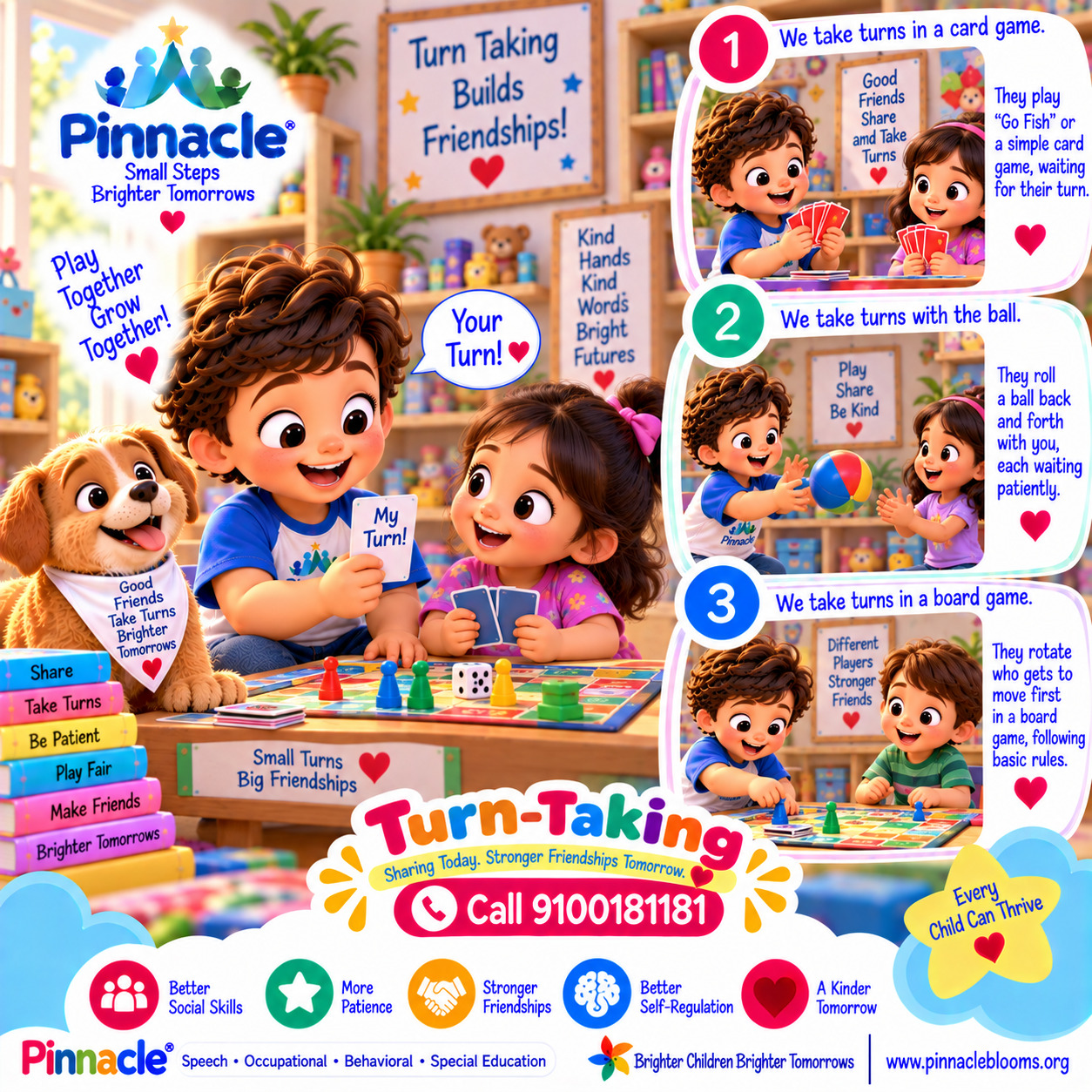
They play “Go Fish” or a simple card game, waiting for their turn.
Example 2
They roll a ball back and forth with you, each waiting patiently.
Example 3
They rotate who gets to move first in a board game, following basic rules.
Example illustrationQuestion illustration
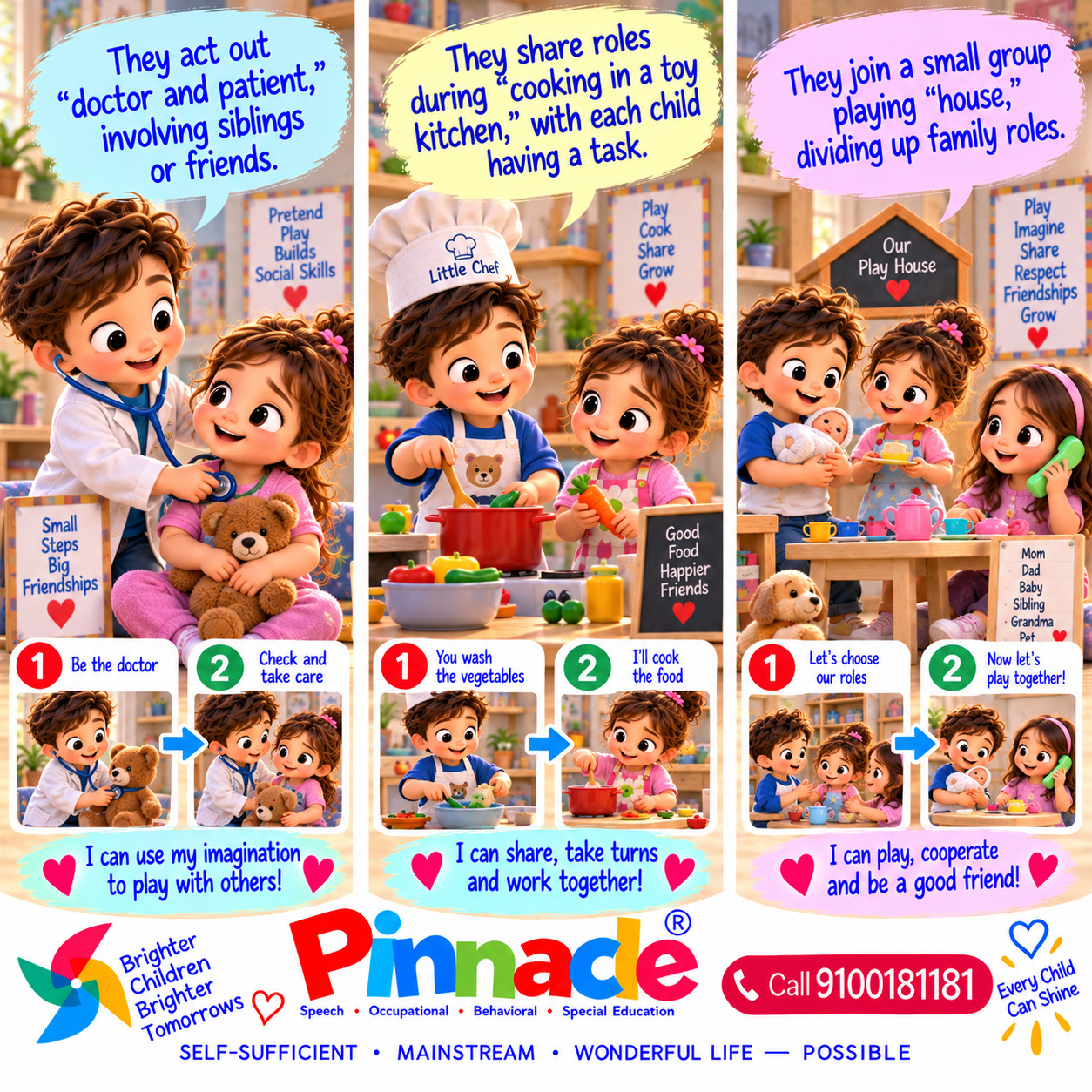
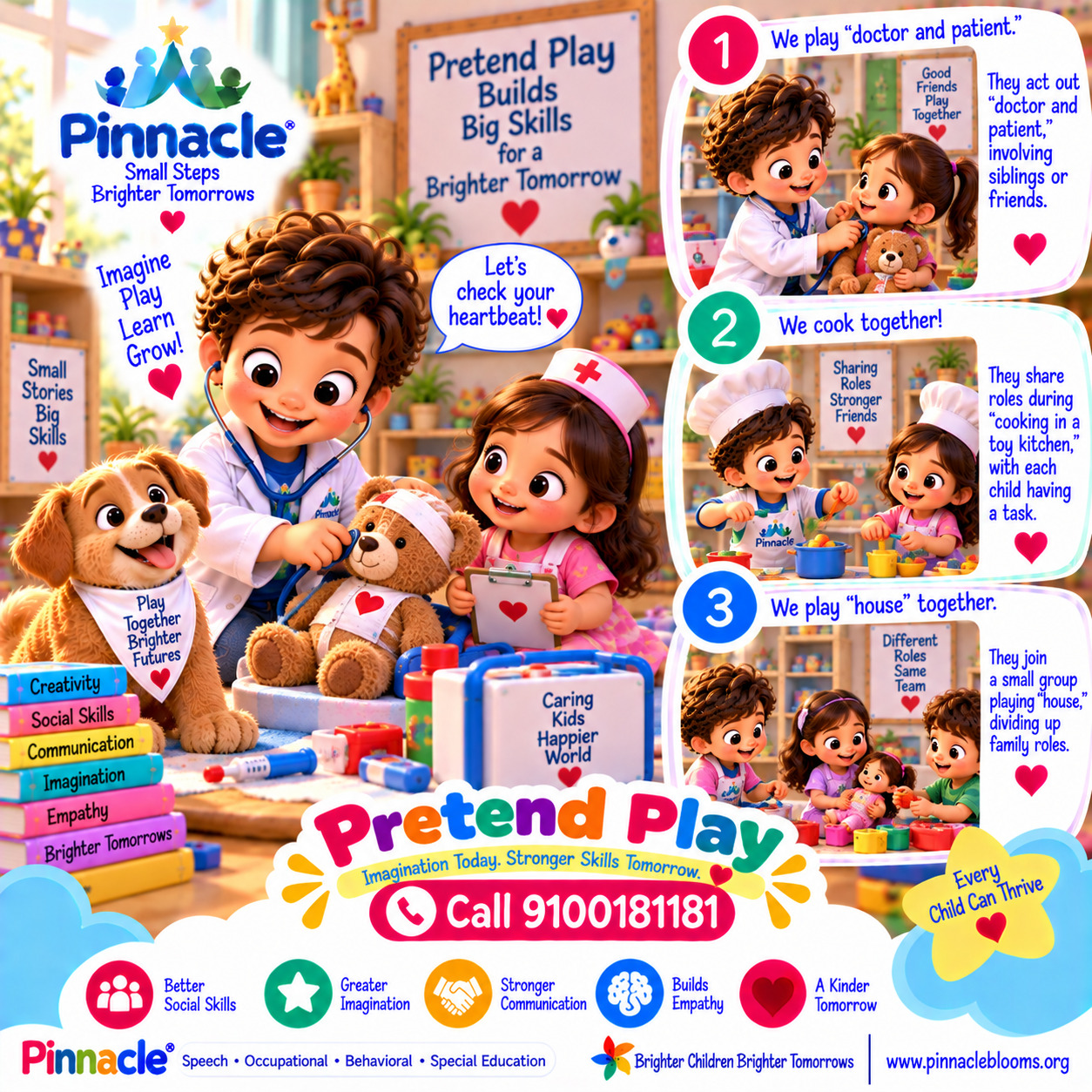
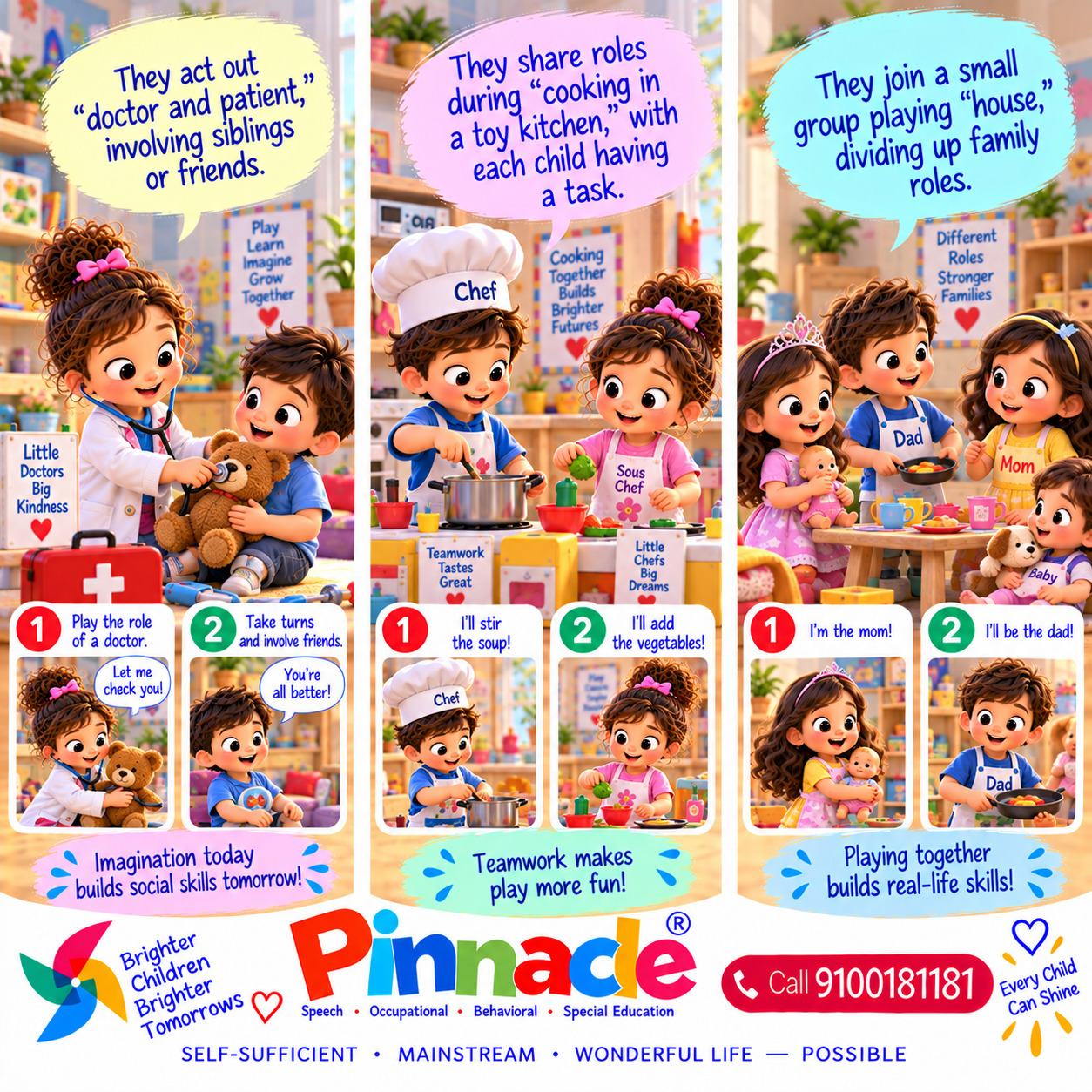
Does the child engage in pretend play with others?
Topic: Pretend Play
Example 1
They act out “doctor and patient,” involving siblings or friends.
Example 2
They share roles during “cooking in a toy kitchen,” with each child having a task.
Example 3
They join a small group playing “house,” dividing up family roles.
Example illustrationQuestion illustration
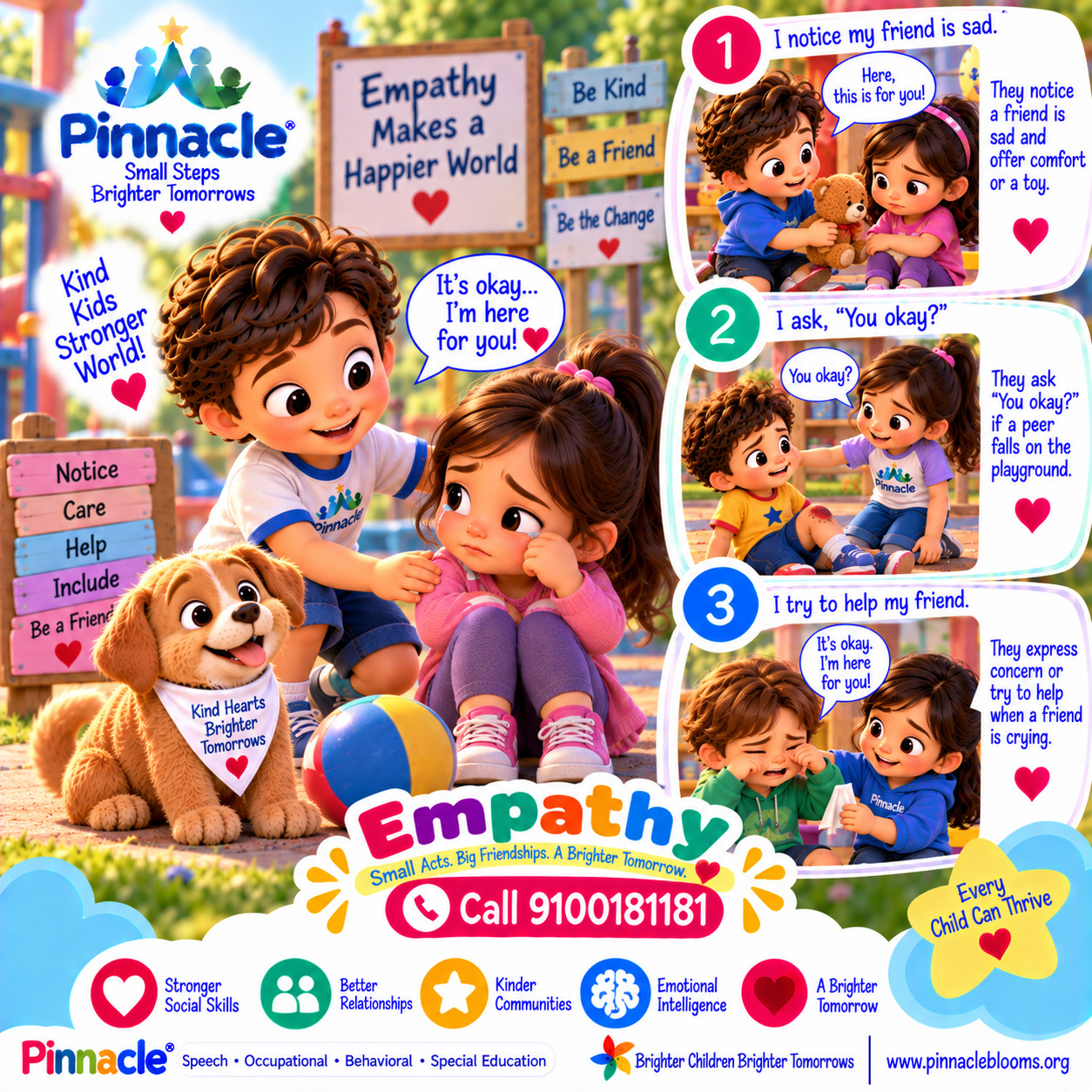
Does the child show empathy toward peers?
Topic: Empathy
Example 1
They notice a friend is sad and offer comfort or a toy.
Example 2
They ask “You okay?” if a peer falls on the playground.
Example 3
They express concern or try to help when a friend is crying.
Example illustrationQuestion illustration
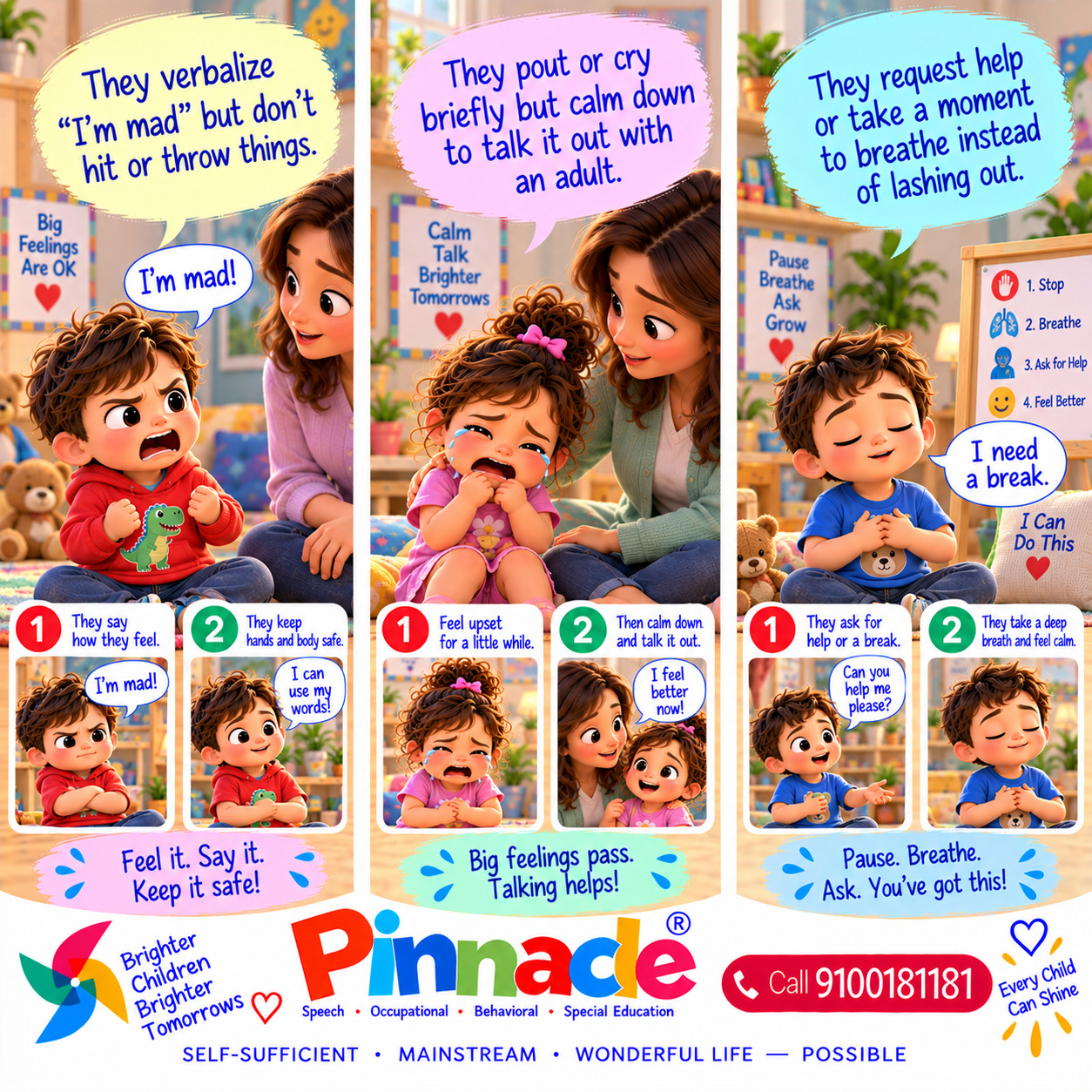
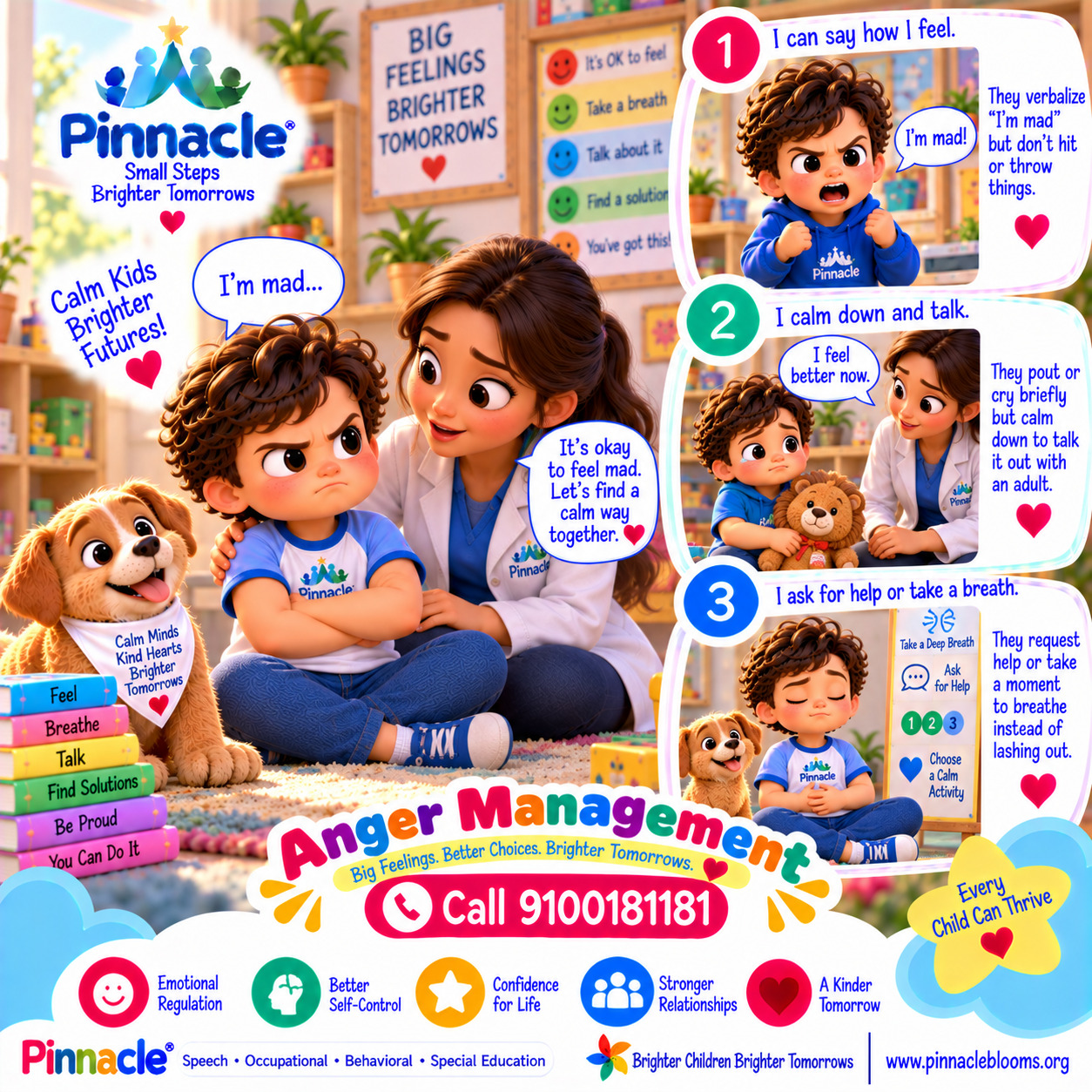
Can the child manage anger or frustration without aggression?
Topic: Anger Management
Example 1
They verbalize “I’m mad” but don’t hit or throw things.
Example 2
They pout or cry briefly but calm down to talk it out with an adult.
Example 3
They request help or take a moment to breathe instead of lashing out.
Example illustrationQuestion illustration
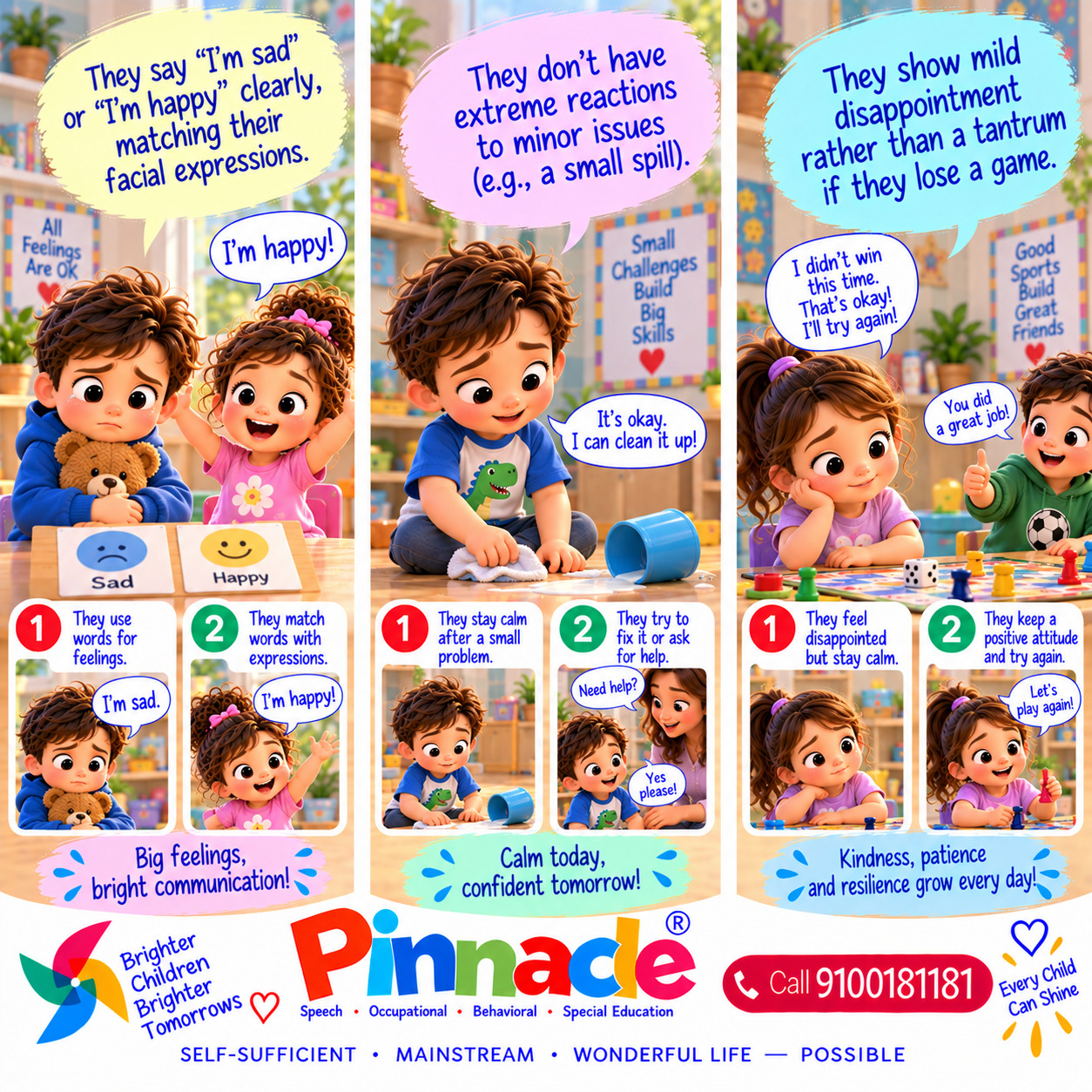
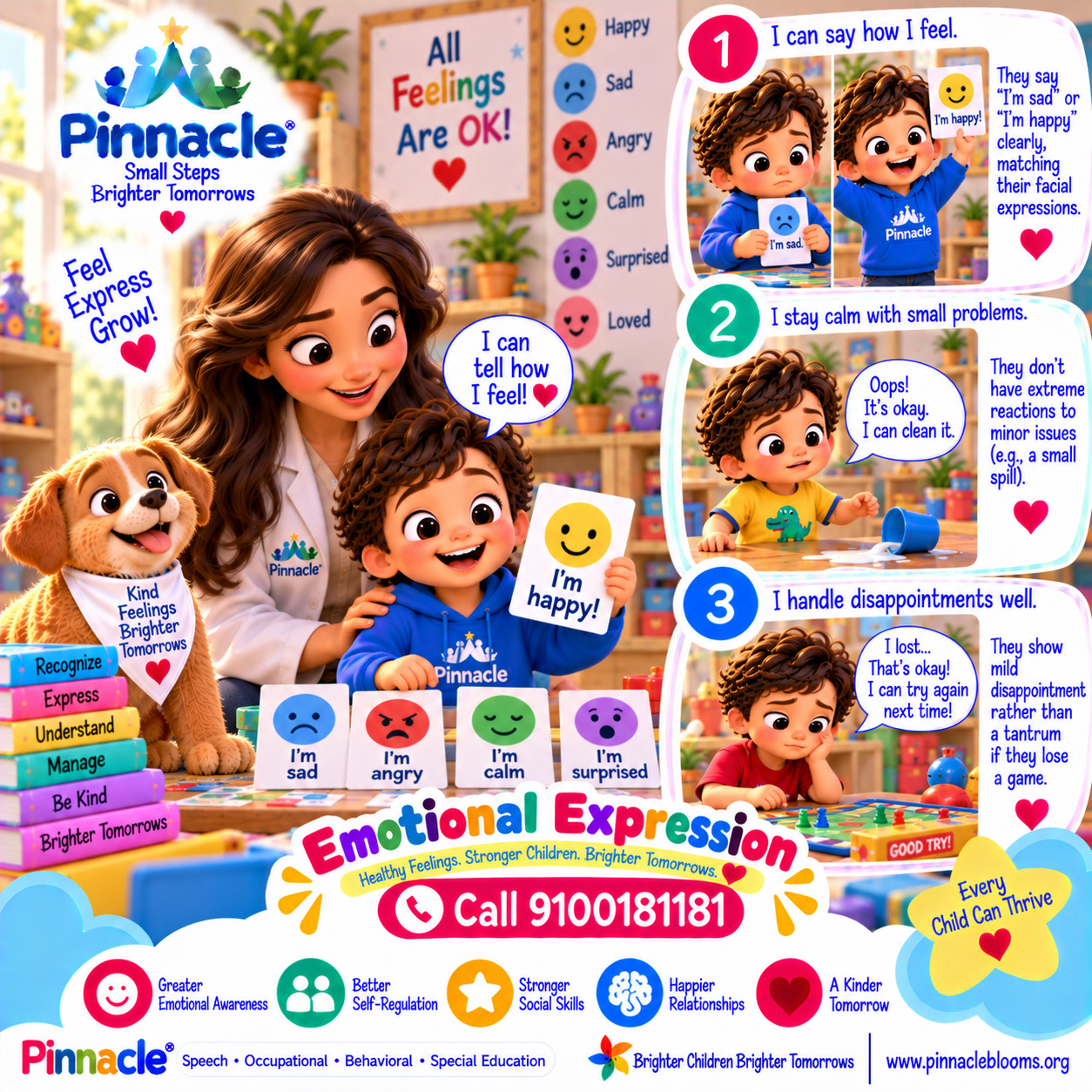
Can the child express emotions appropriately for their age?
Topic: Emotional Expression
Example 1
They say “I’m sad” or “I’m happy” clearly, matching their facial expressions.
Example 2
They don’t have extreme reactions to minor issues (e.g., a small spill).
Example 3
They show mild disappointment rather than a tantrum if they lose a game.
Example illustrationQuestion illustration
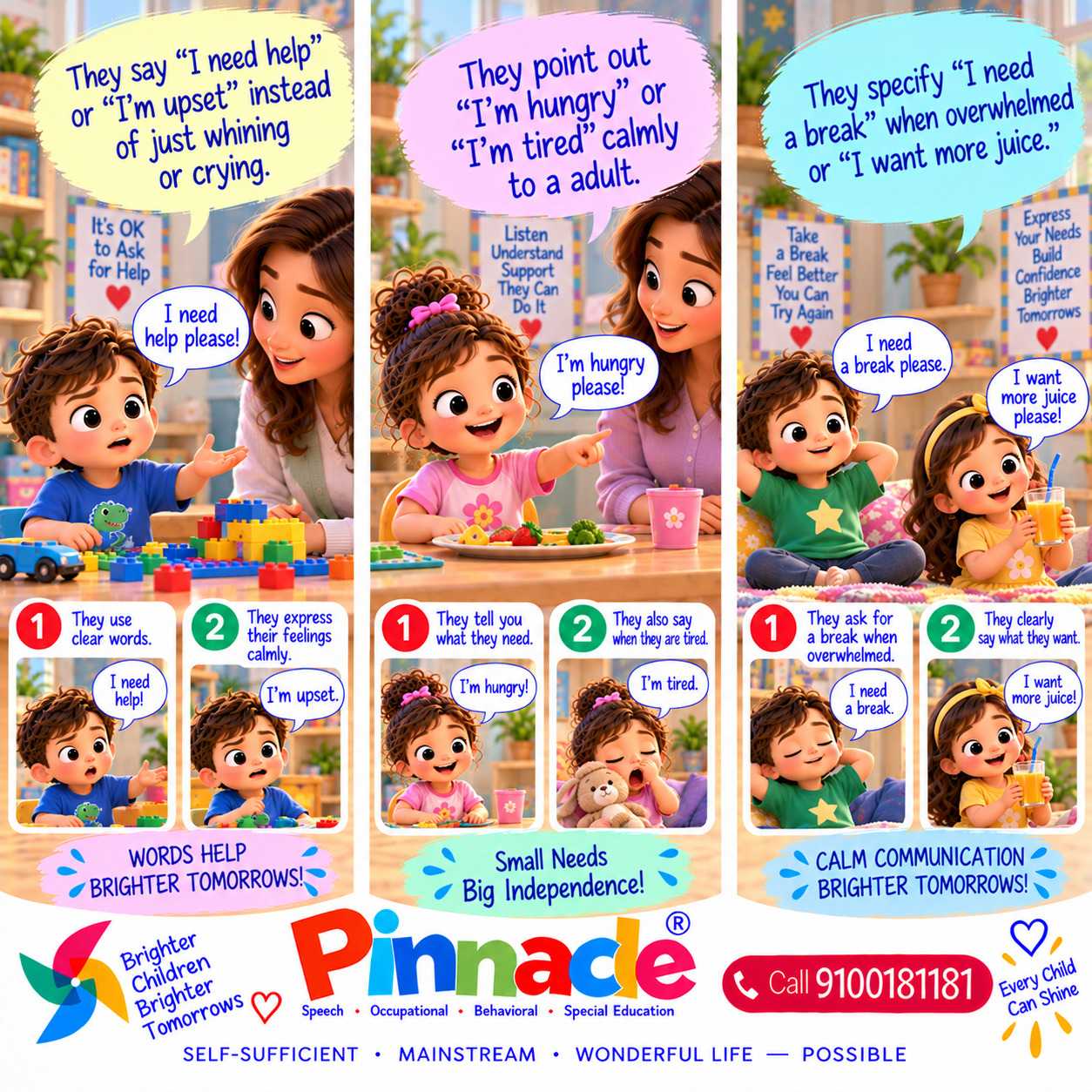
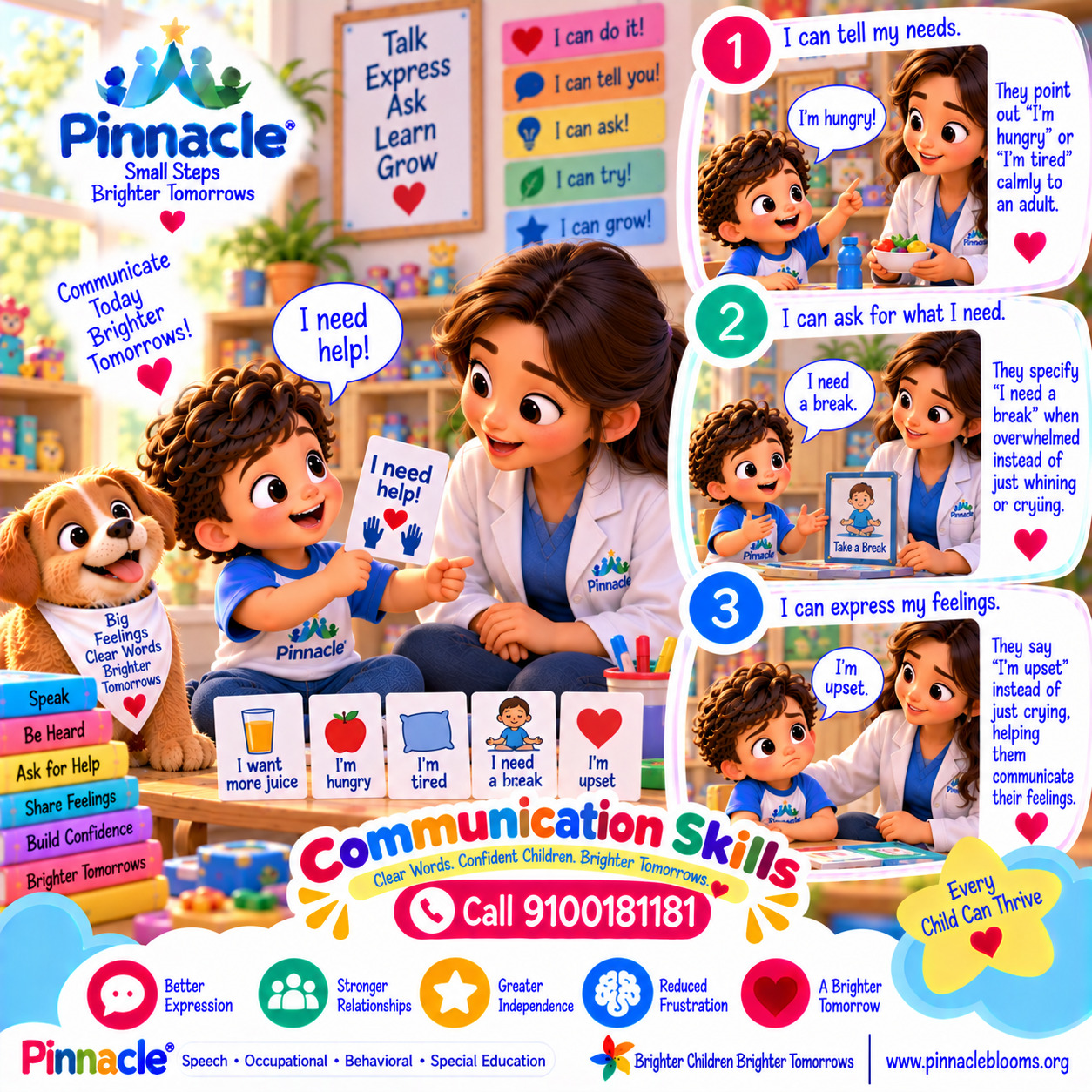
Can the child communicate their feelings or needs?
Topic: Communication Skills
Example 1
They say “I need help” or “I’m upset” instead of just whining or crying.
Example 2
They point out “I’m hungry” or “I’m tired” calmly to an adult.
Example 3
They specify “I need a break” when overwhelmed or “I want more juice.”