The child appears to be falling behind in multiple areas, and early intervention is crucial.
Average
The child is on track for their age but may need a bit more practice in certain skills. This is common and usually managed with home activities and supportive environments.
Above Average
The child is thriving developmentally. They are consistently showing abilities that are at or above the expected range for their age.
Aarav was only 3 when he seemed trapped within his own world. His parents were heartbroken, uncertain of what to do. After connecting with Pinnacle Blooms Network, his world began to expand. Today, Aarav communicates freely, and his laughter echoes the home once more.
These are reference questions and illustrative examples. This section does not collect child responses, calculate scores or produce an individual assessment result.
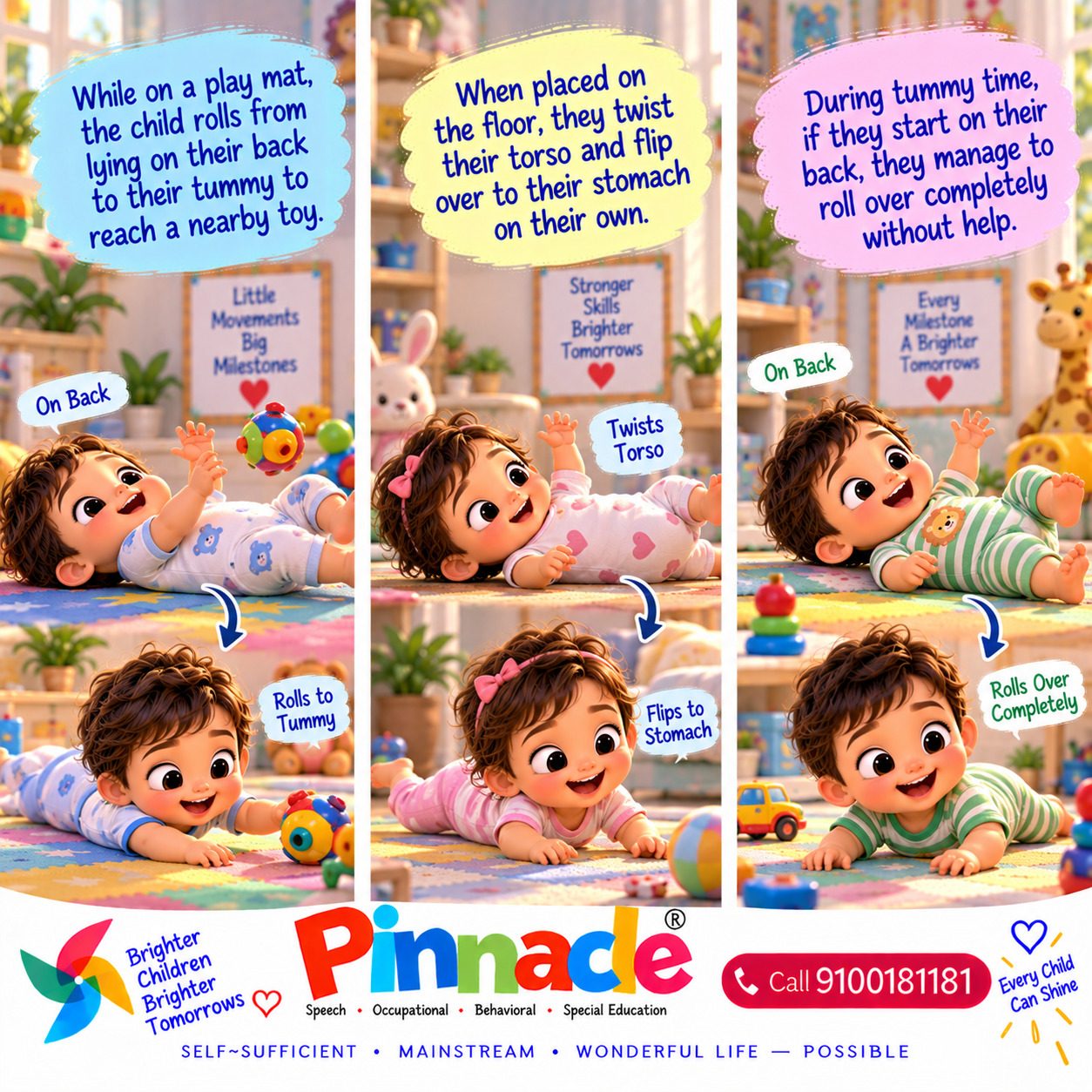
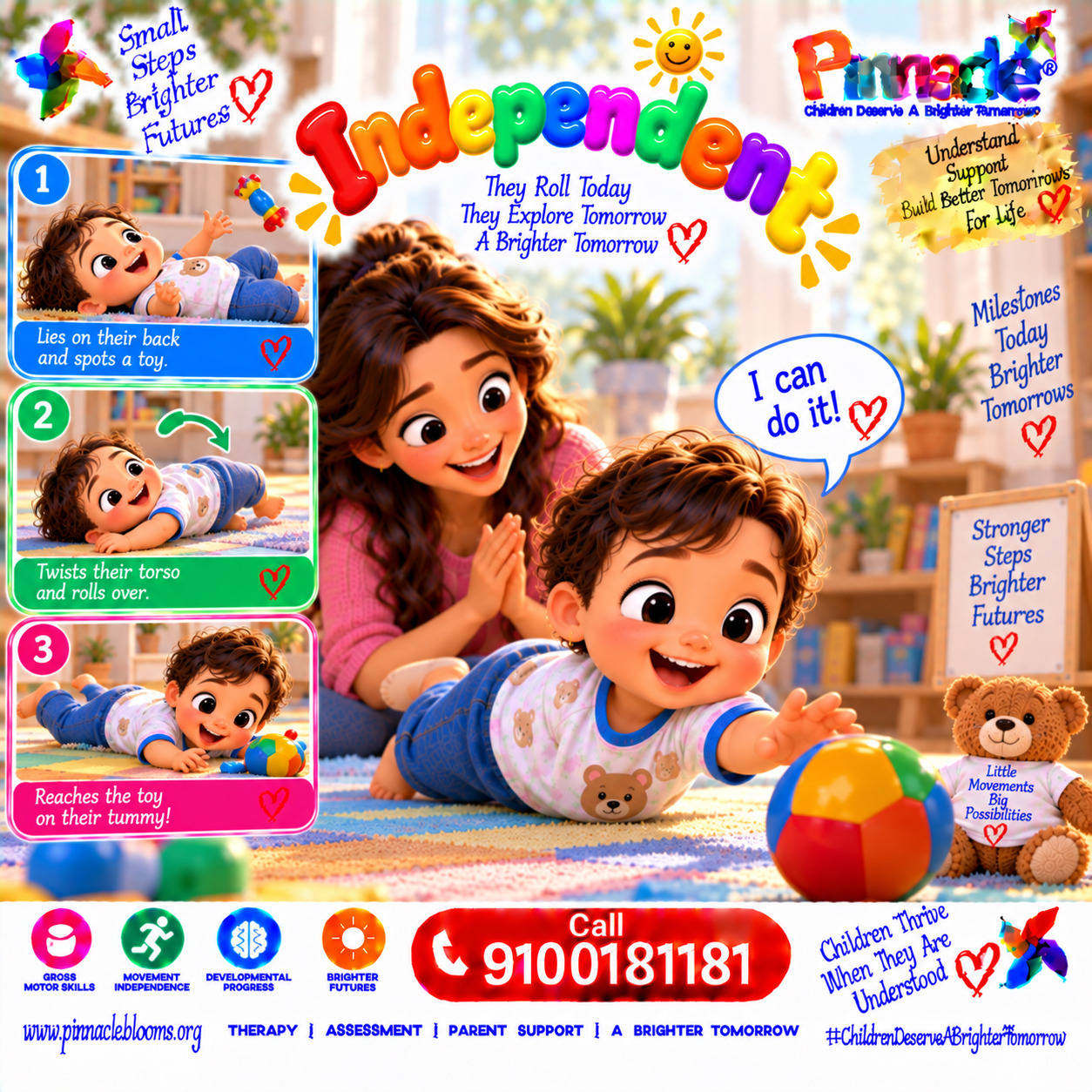
Can the child roll from back to stomach independently?
Topic: Independent
Example 1
While on a play mat, the child rolls from lying on their back to their tummy to reach a nearby toy.
Example 2
When placed on the floor, they twist their torso and flip over to their stomach on their own.
Example 3
During tummy time, if they start on their back, they manage to roll over completely without help.
Example illustrationQuestion illustration
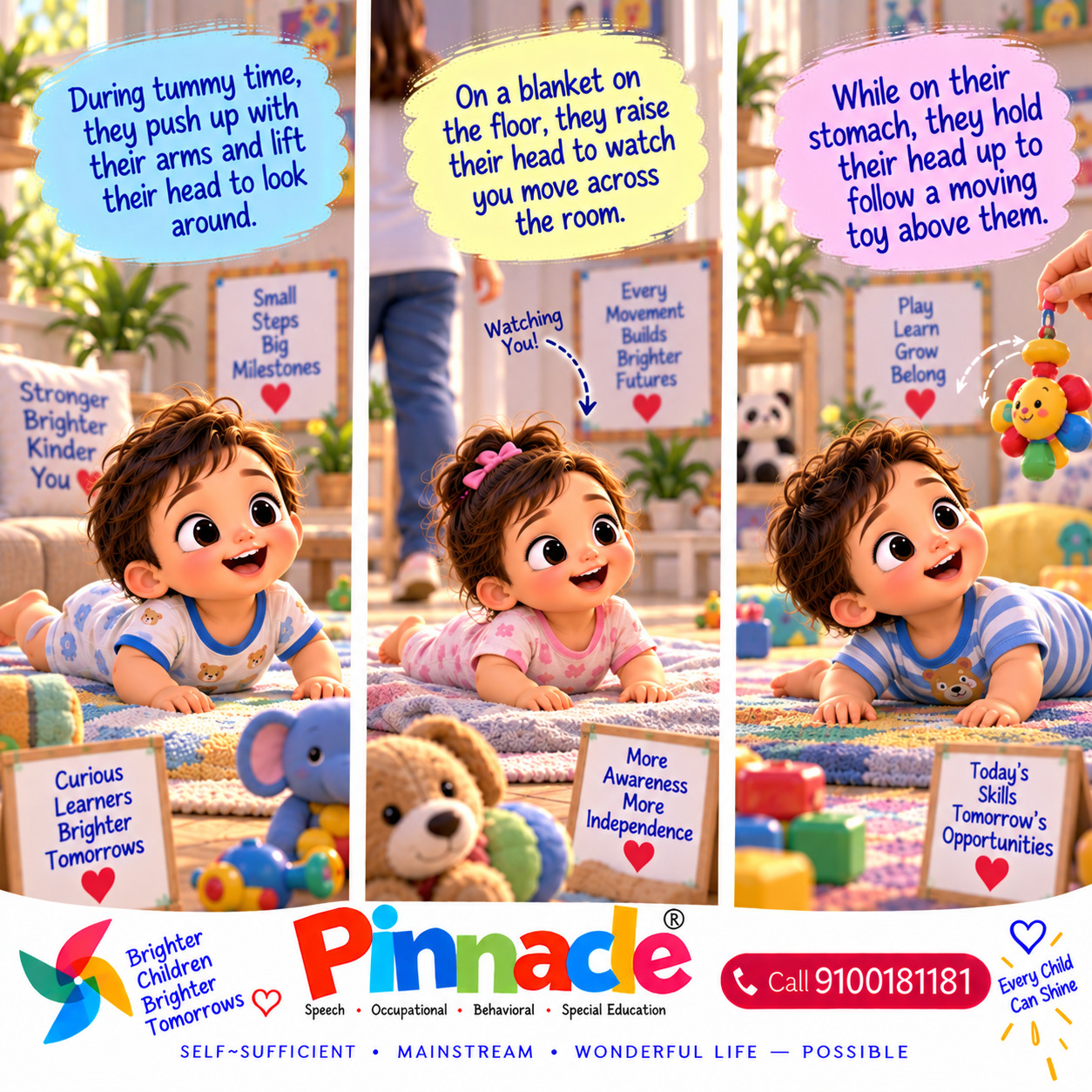
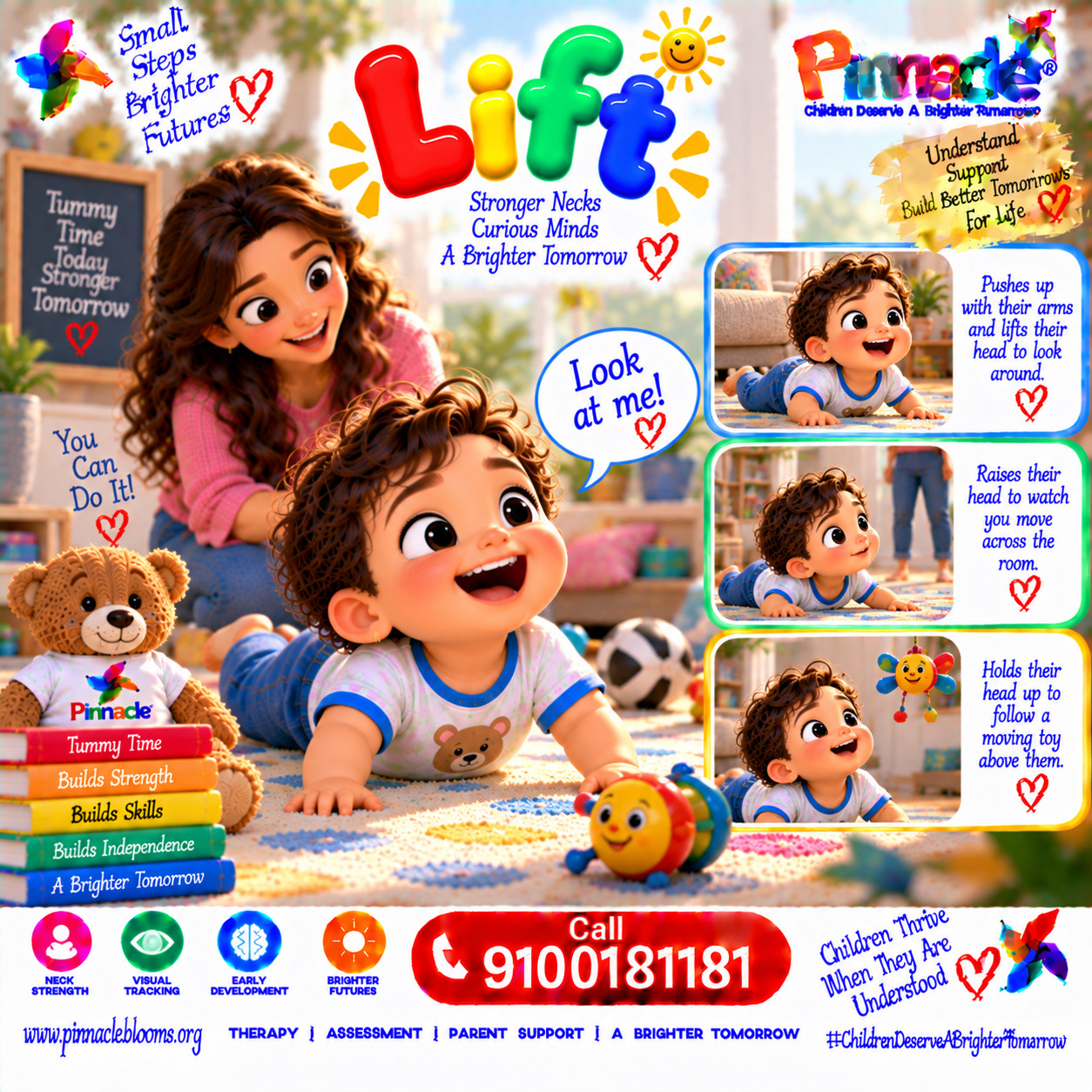
Does the child lift their head while lying on their stomach?
Topic: Lift
Example 1
During tummy time, they push up with their arms and lift their head to look around.
Example 2
On a blanket on the floor, they raise their head to watch you move across the room.
Example 3
While on their stomach, they hold their head up to follow a moving toy above them.
Example illustrationQuestion illustration
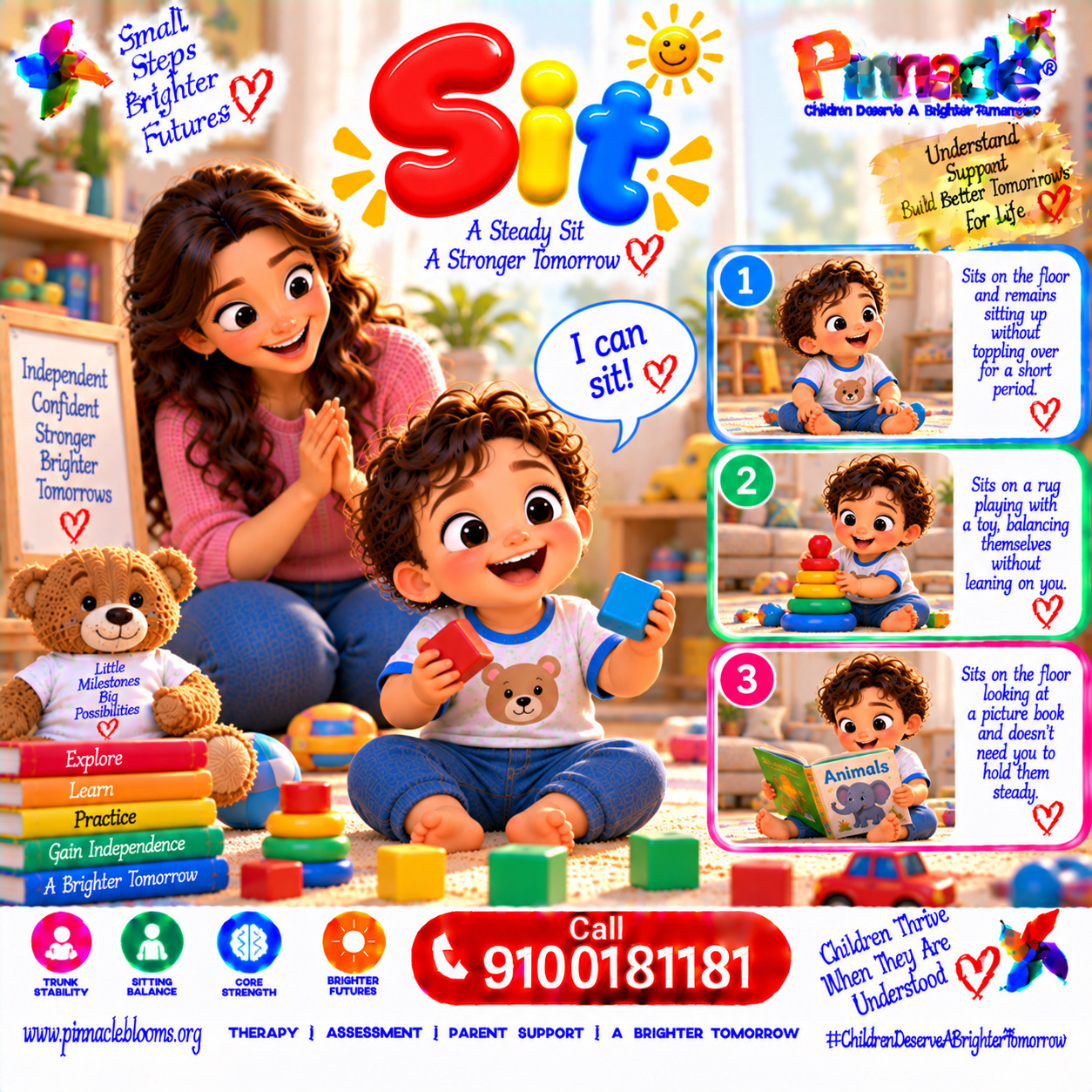
Can the child sit unsupported for more than 10 seconds?
Topic: Sit
Example 1
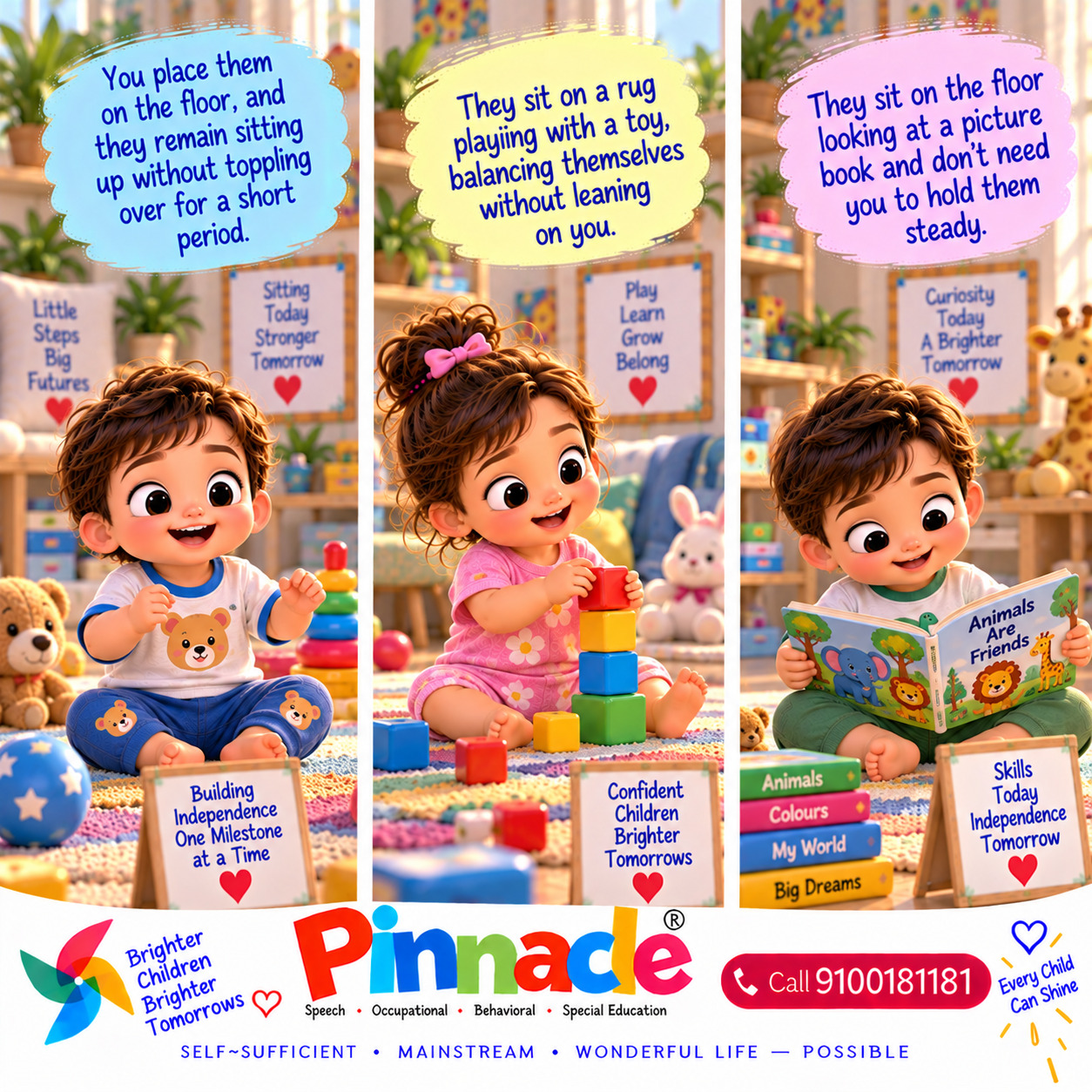
You place them on the floor, and they remain sitting up without toppling over for a short period.
Example 2
They sit on a rug playing with a toy, balancing themselves without leaning on you.
Example 3
They sit on the floor looking at a picture book and don’t need you to hold them steady.
Example illustrationQuestion illustration
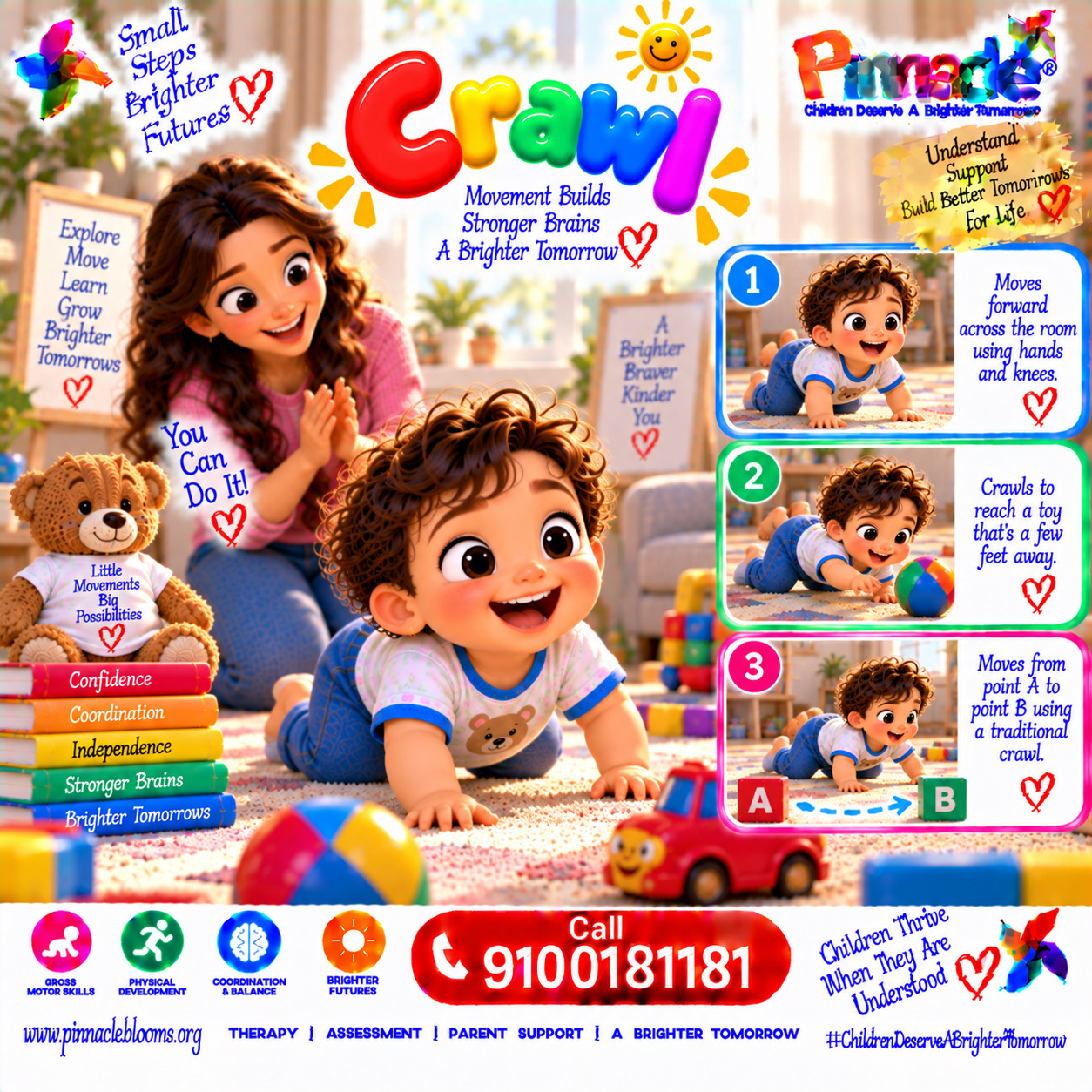
Does the child crawl or creep using hands and knees?
Topic: Crawl
Example 1
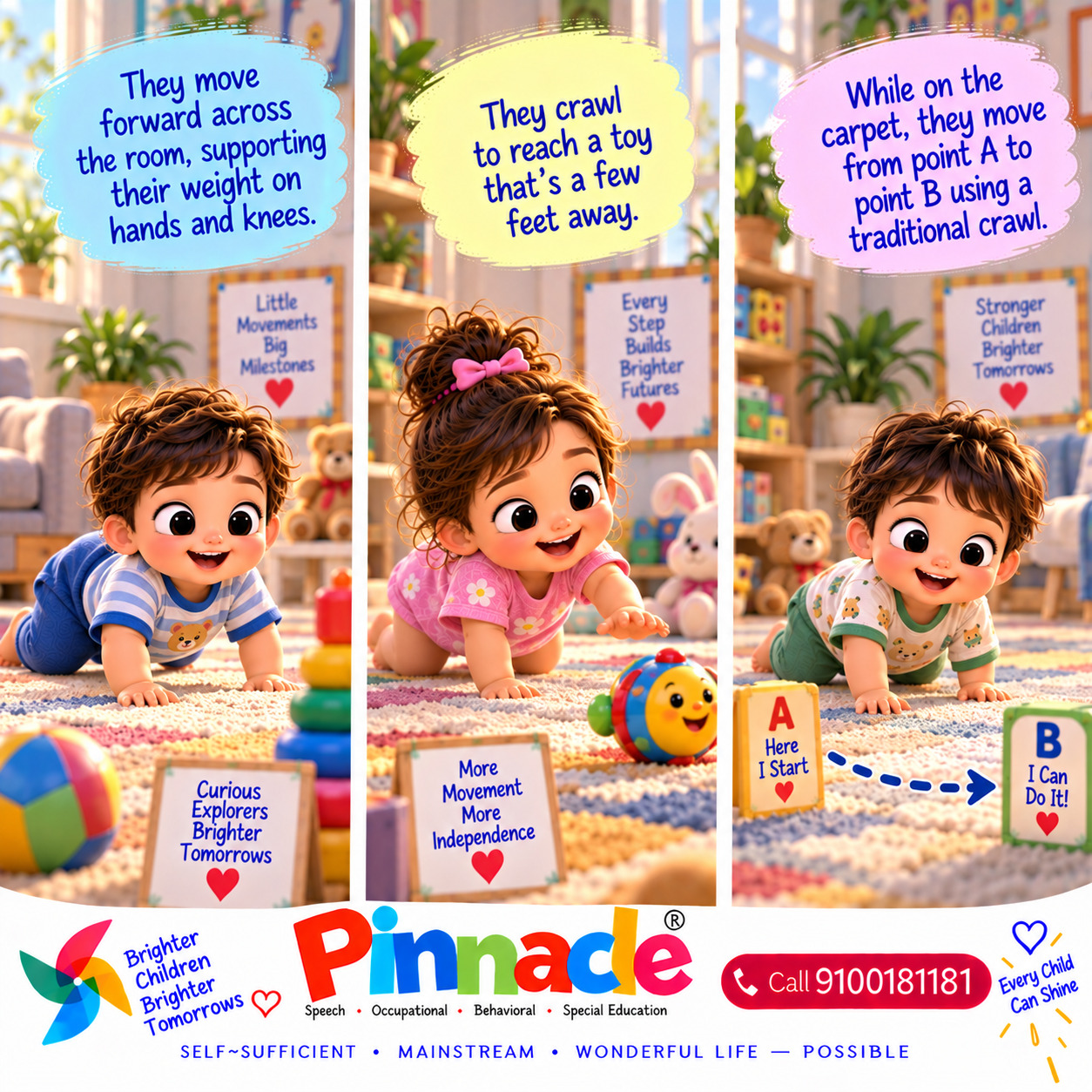
They move forward across the room, supporting their weight on hands and knees.
Example 2
They crawl to reach a toy that’s a few feet away.
Example 3
While on the carpet, they move from point A to point B using a traditional crawl.
Example illustrationQuestion illustration
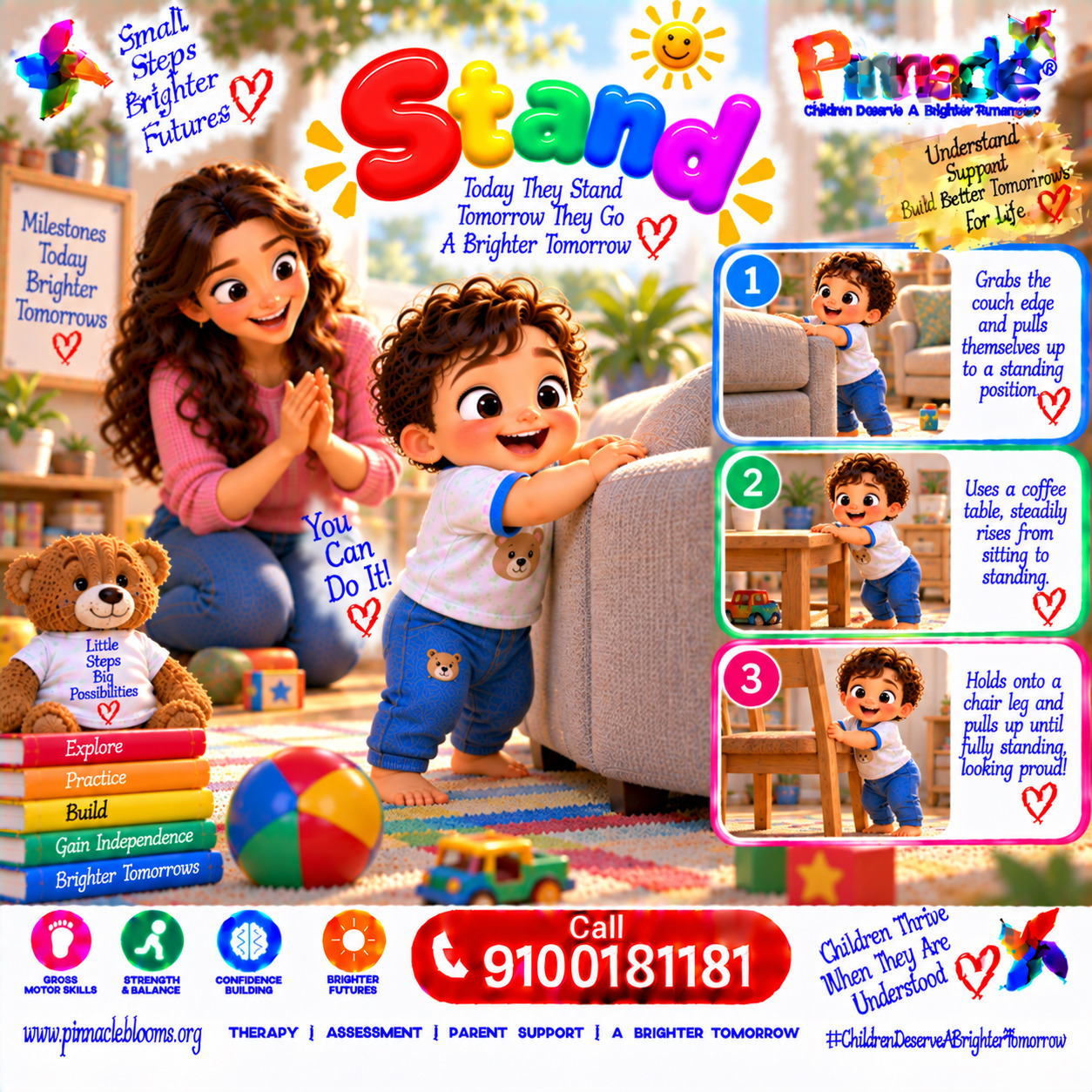
Can the child pull to stand while holding onto furniture?
Topic: Stand
Example 1
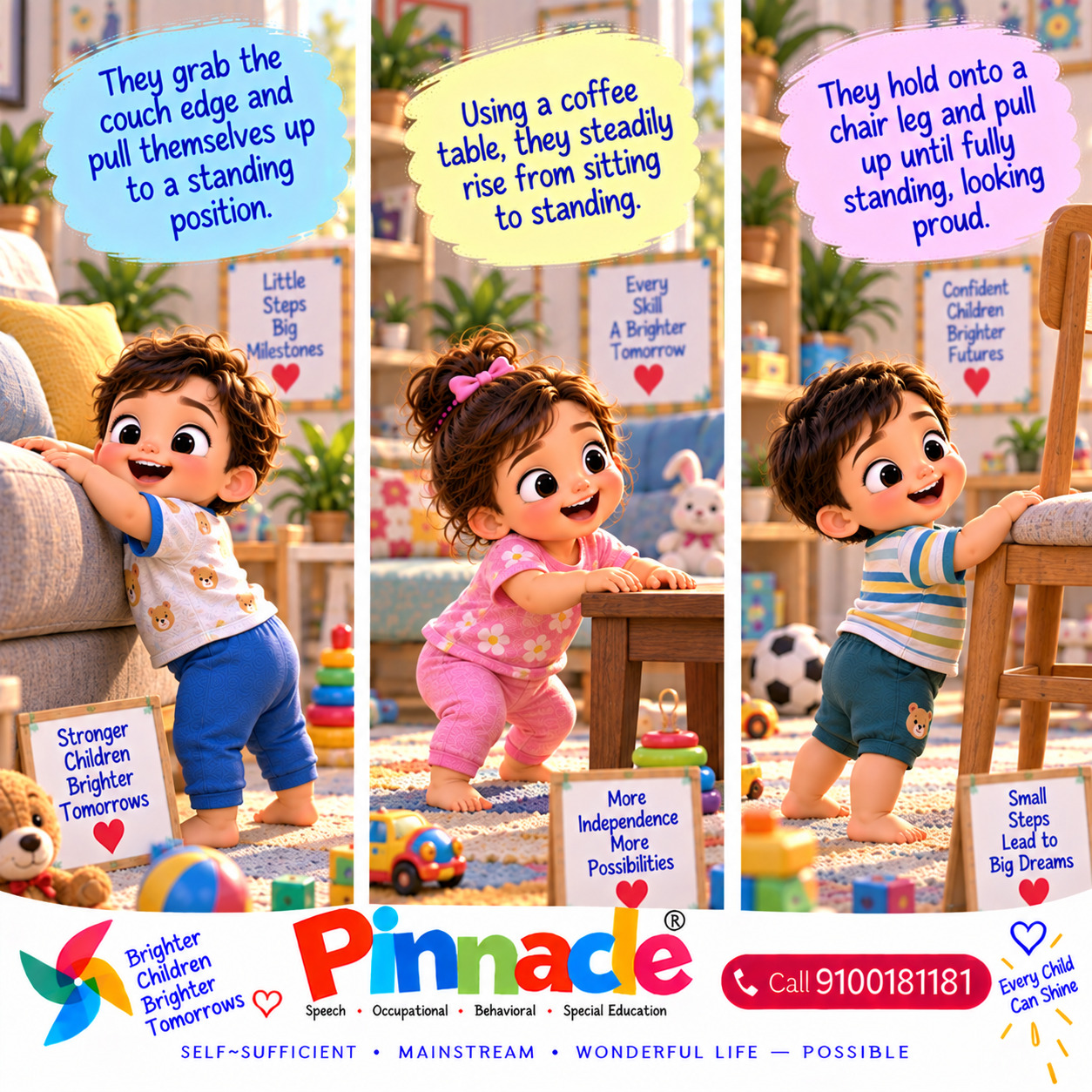
They grab the couch edge and pull themselves up to a standing position.
Example 2
Using a coffee table, they steadily rise from sitting to standing.
Example 3
They hold onto a chair leg and pull up until fully standing, looking proud.
Example illustrationQuestion illustration
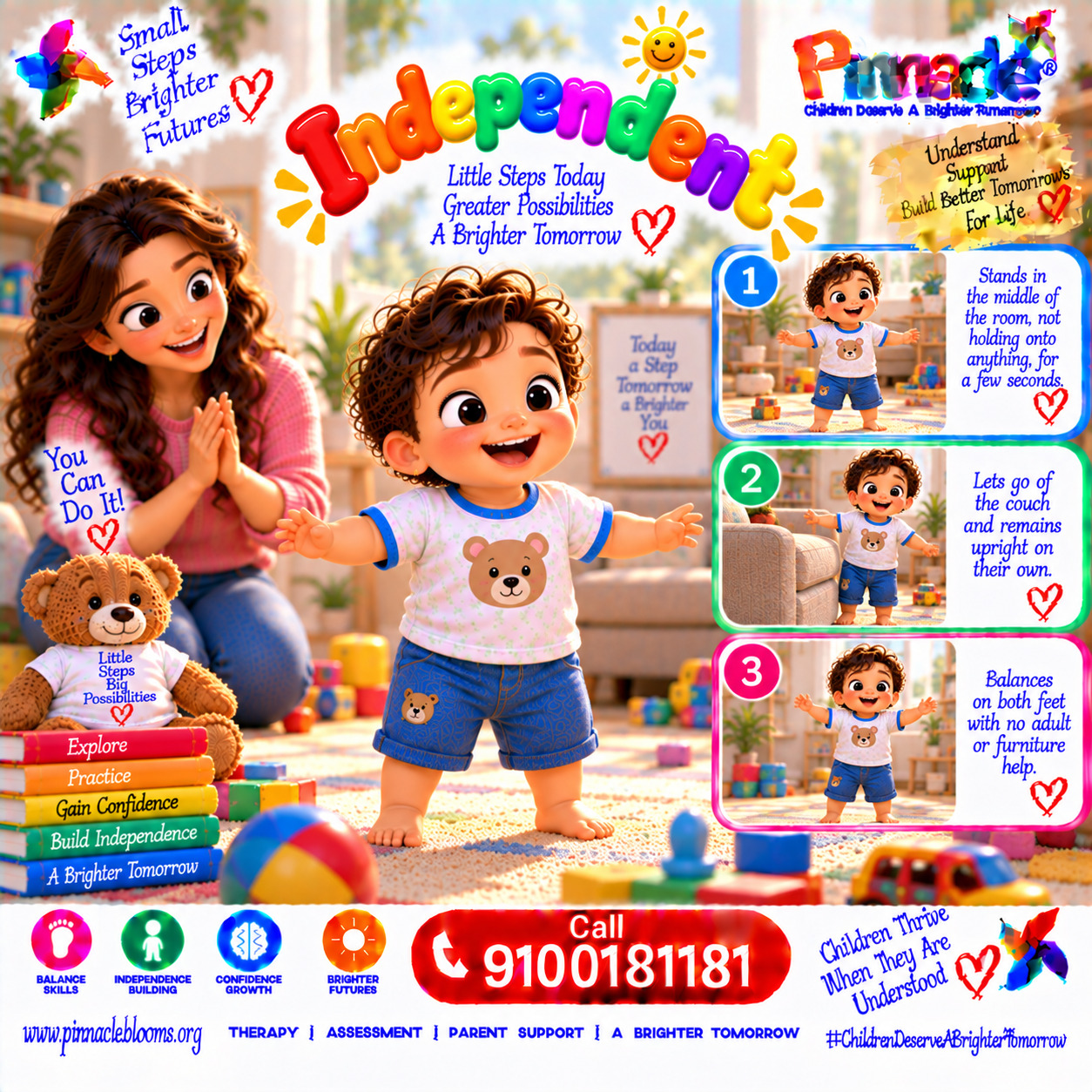
Does the child stand independently without support?
Topic: Independent
Example 1
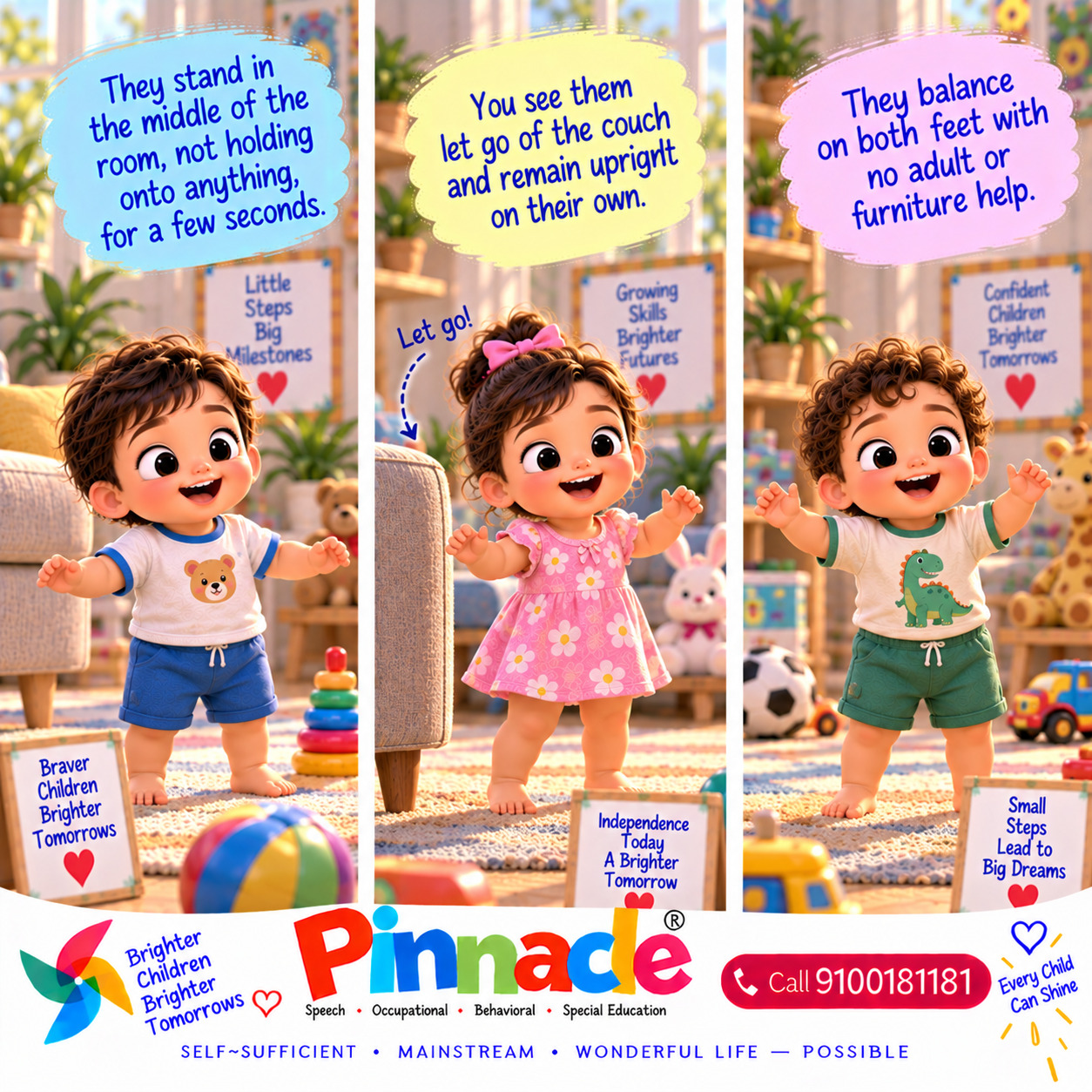
They stand in the middle of the room, not holding onto anything, for a few seconds.
Example 2
You see them let go of the couch and remain upright on their own.
Example 3
They balance on both feet with no adult or furniture help.
Example illustrationQuestion illustration
Can the child walk independently without falling?
Topic: Independent
Example 1
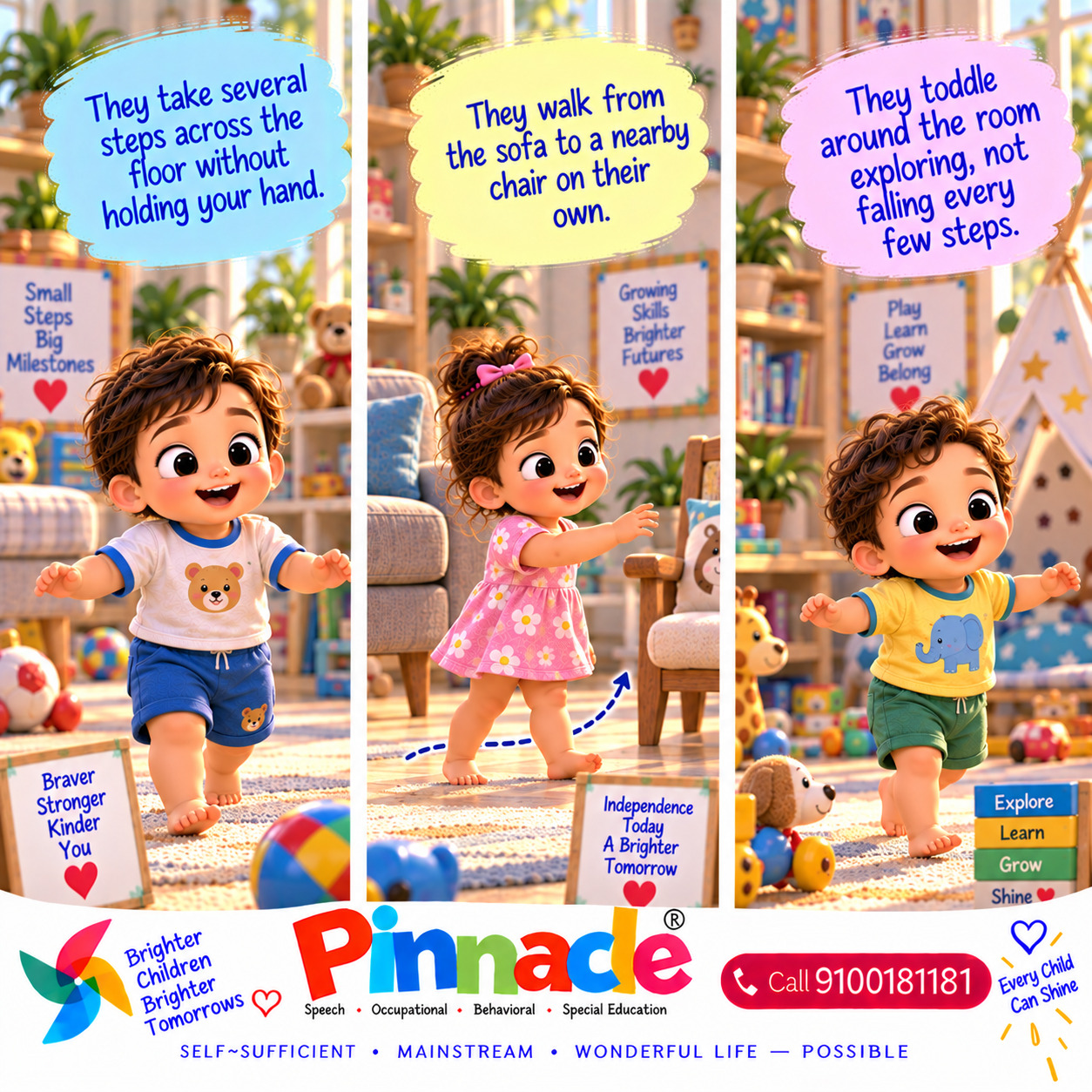
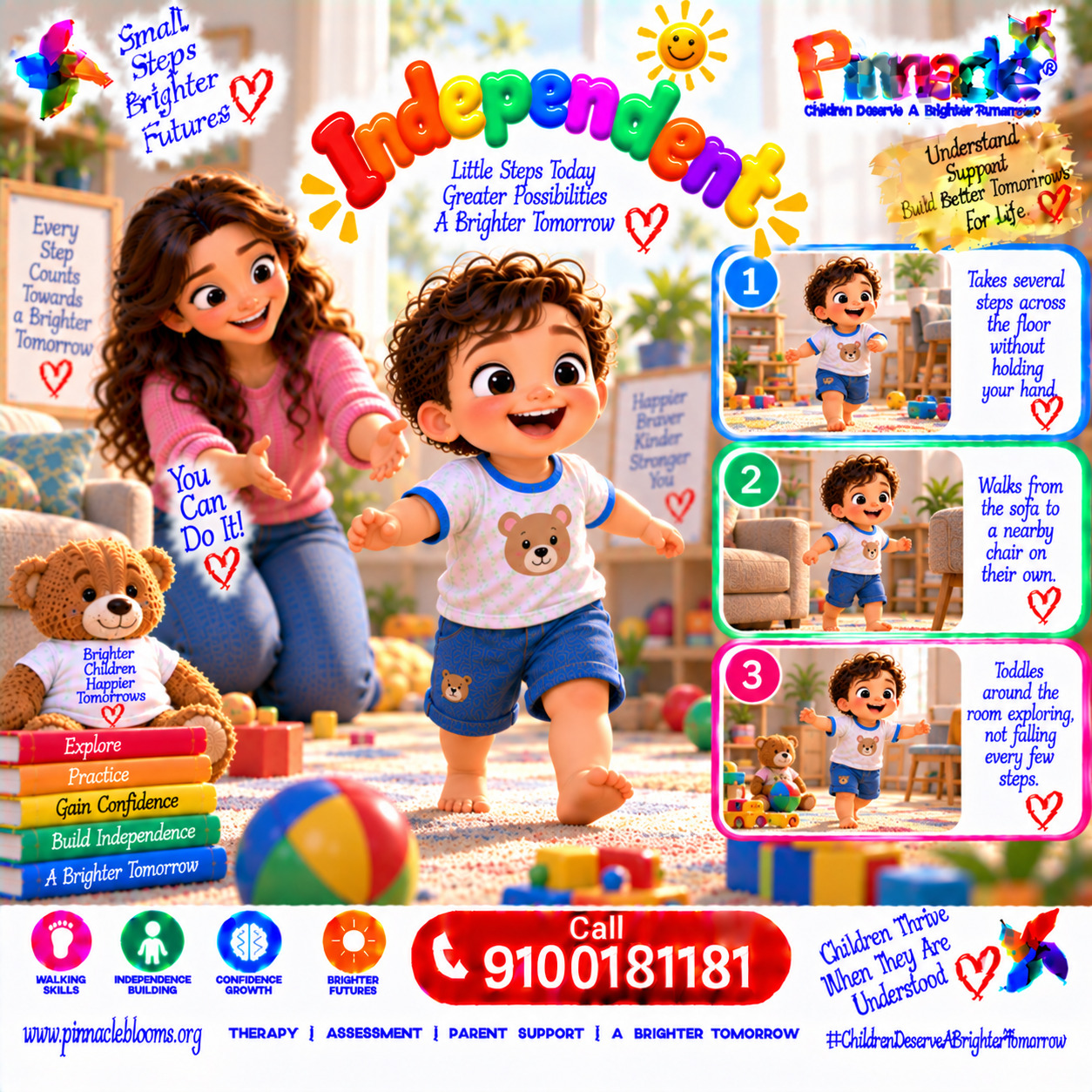
They take several steps across the floor without holding your hand.
Example 2
They walk from the sofa to a nearby chair on their own.
Example 3
They toddle around the room exploring, not falling every few steps.
Example illustrationQuestion illustration
Can the child pick up an object from the floor while standing?
Topic: Pickup
Example 1
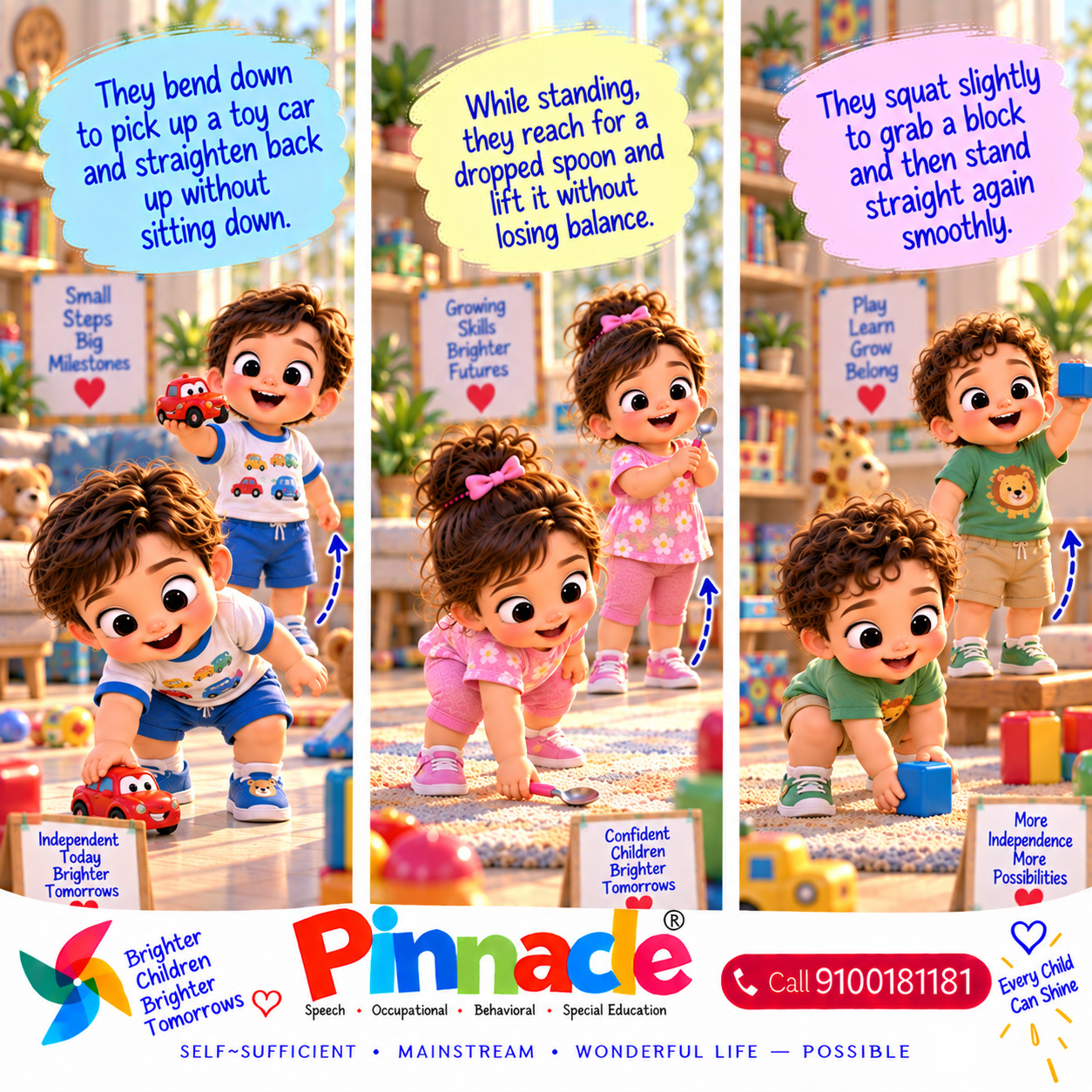
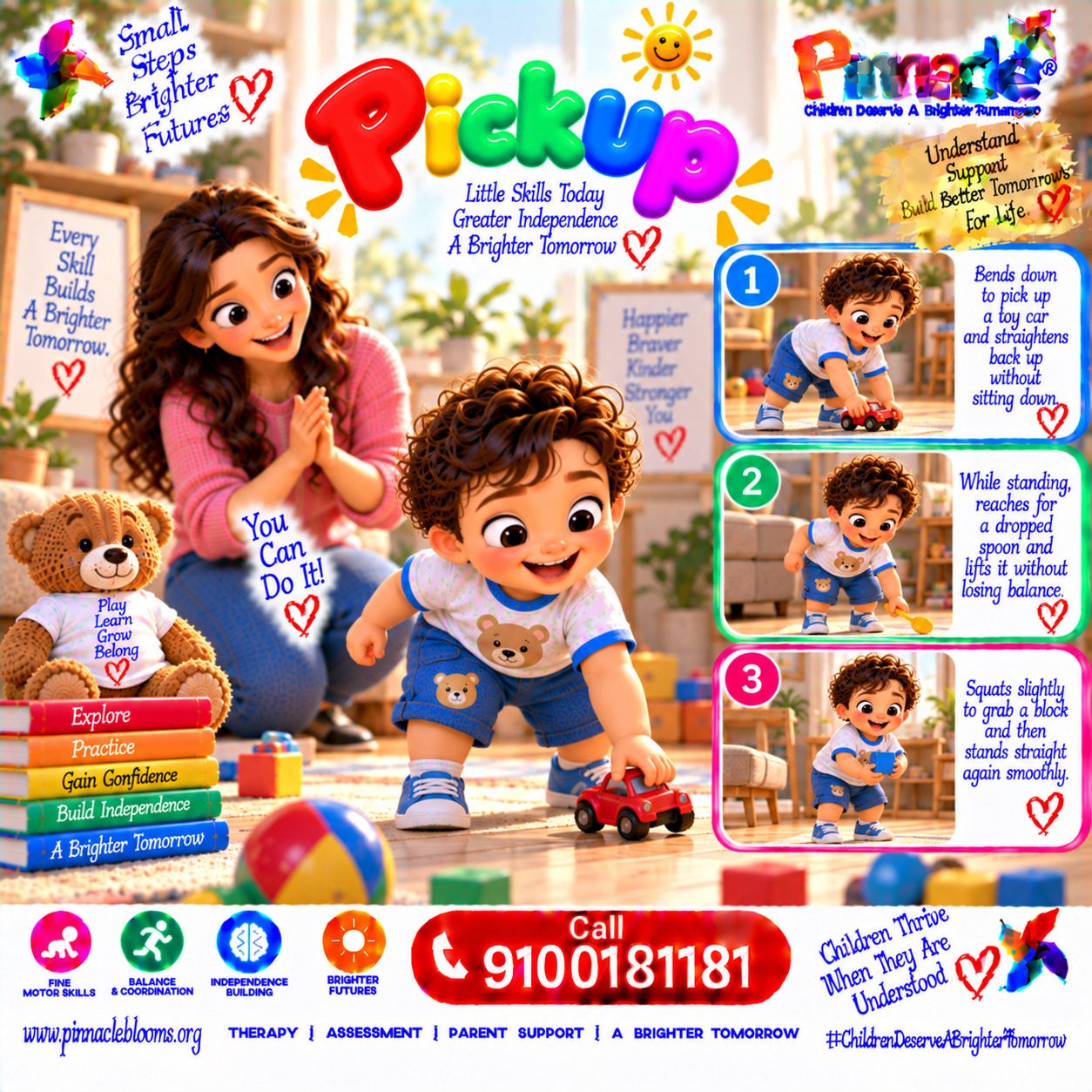
They bend down to pick up a toy car and straighten back up without sitting down.
Example 2
While standing, they reach for a dropped spoon and lift it without losing balance.
Example 3
They squat slightly to grab a block and then stand straight again smoothly.
Example illustrationQuestion illustration
Does the child climb onto furniture independently?
Topic: Climb
Example 1
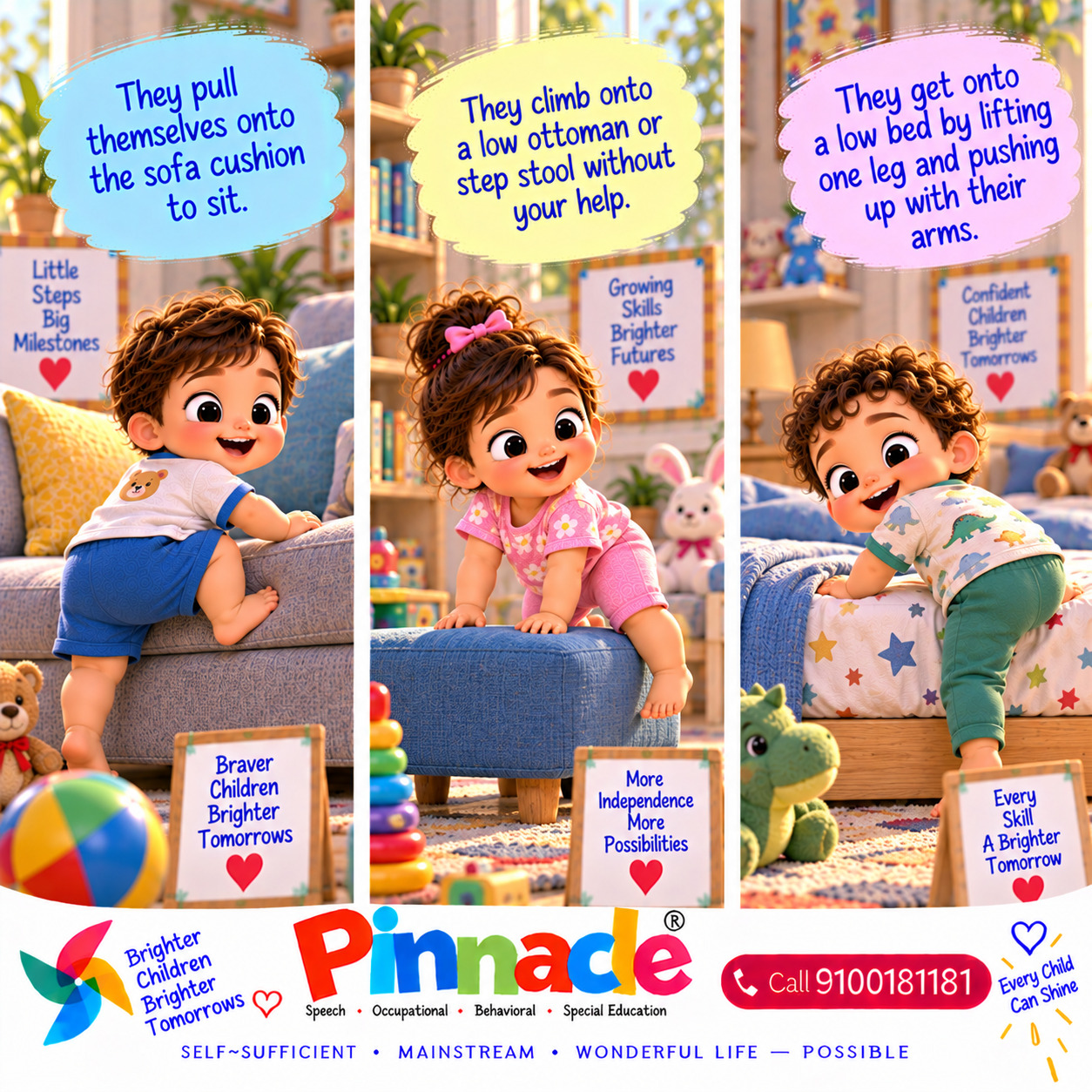
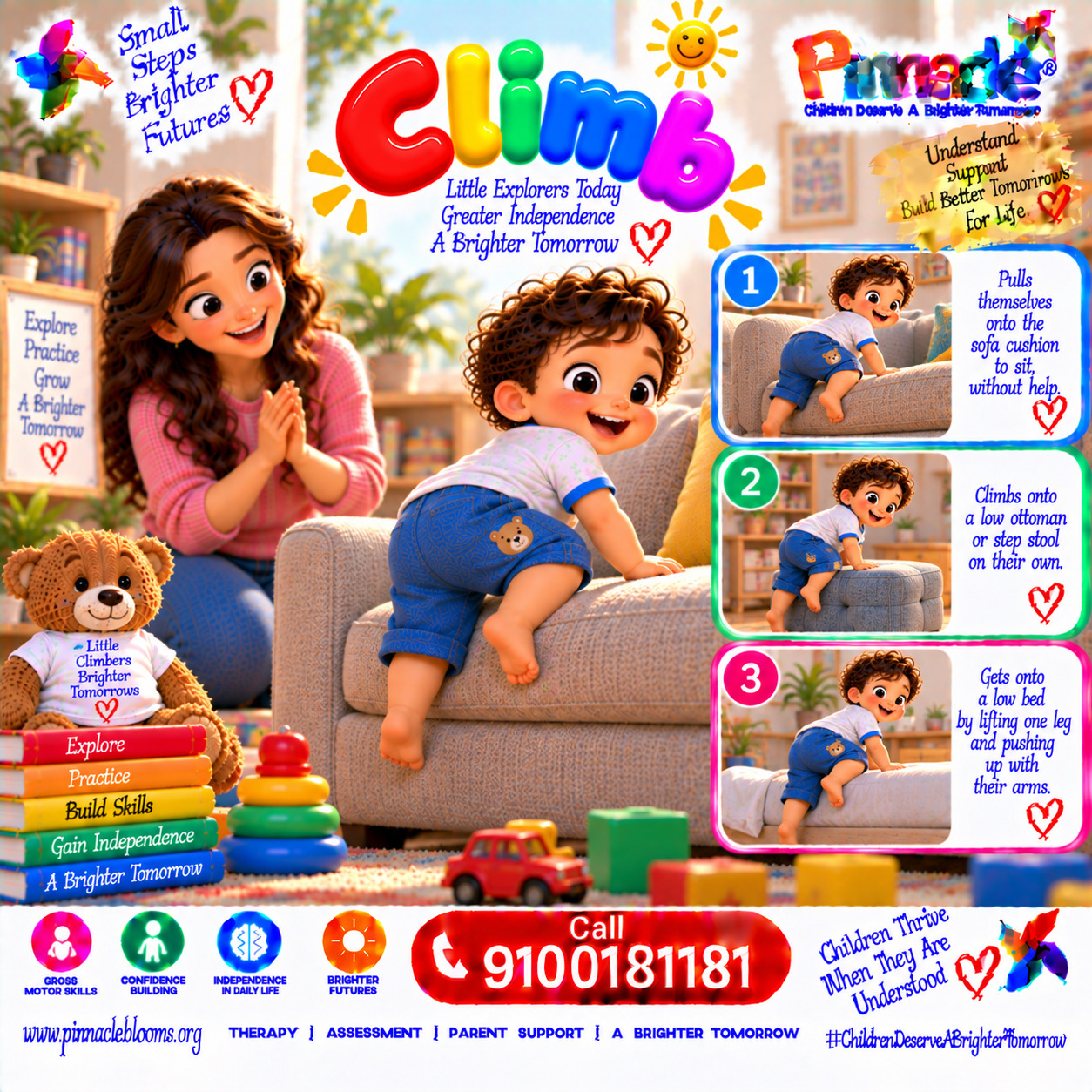
They pull themselves onto the sofa cushion to sit.
Example 2
They climb onto a low ottoman or step stool without your help.
Example 3
They get onto a low bed by lifting one leg and pushing up with their arms.
Example illustrationQuestion illustration
Can the child walk up a few steps while holding an adult's hand or railing?
Topic: Walkup
Example 1
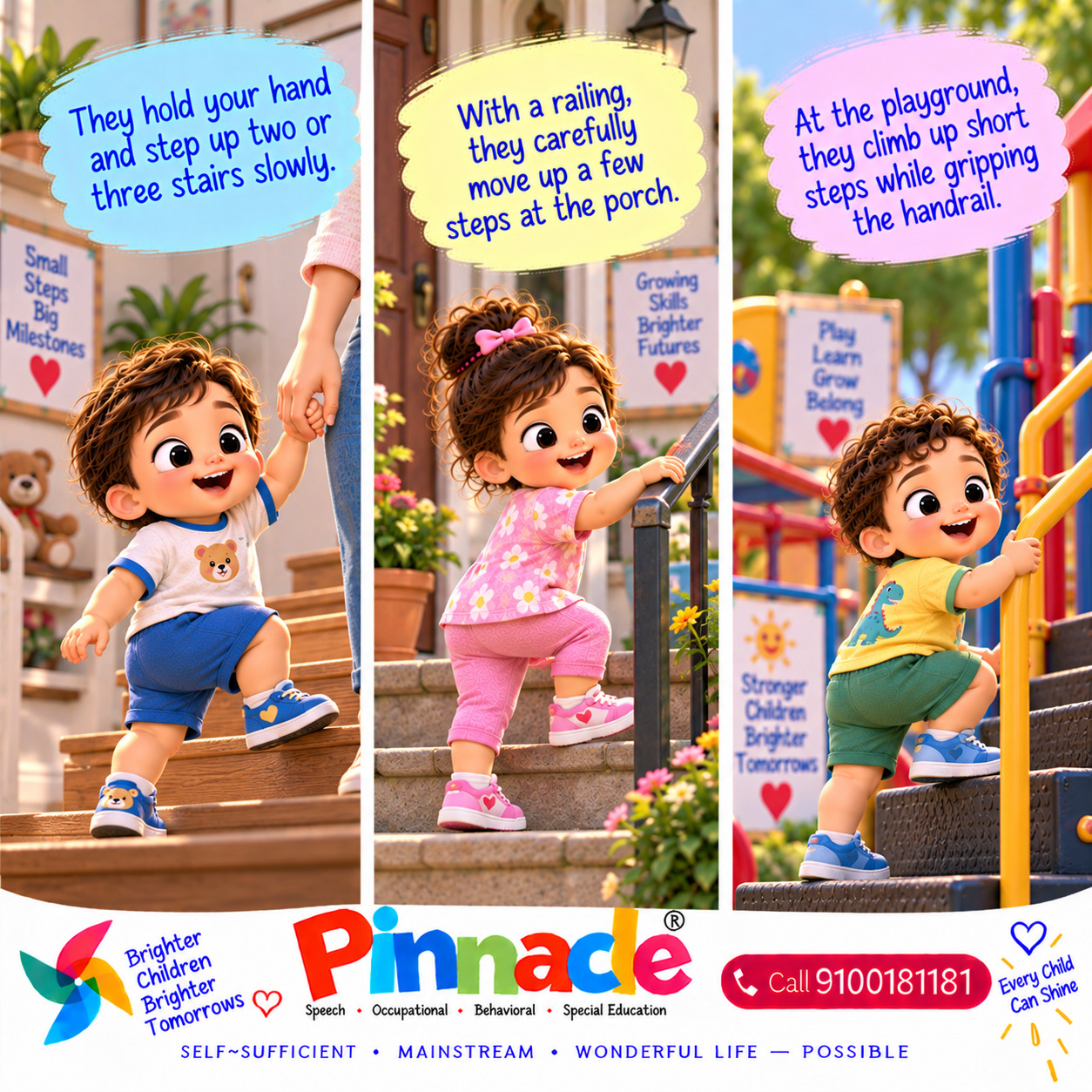
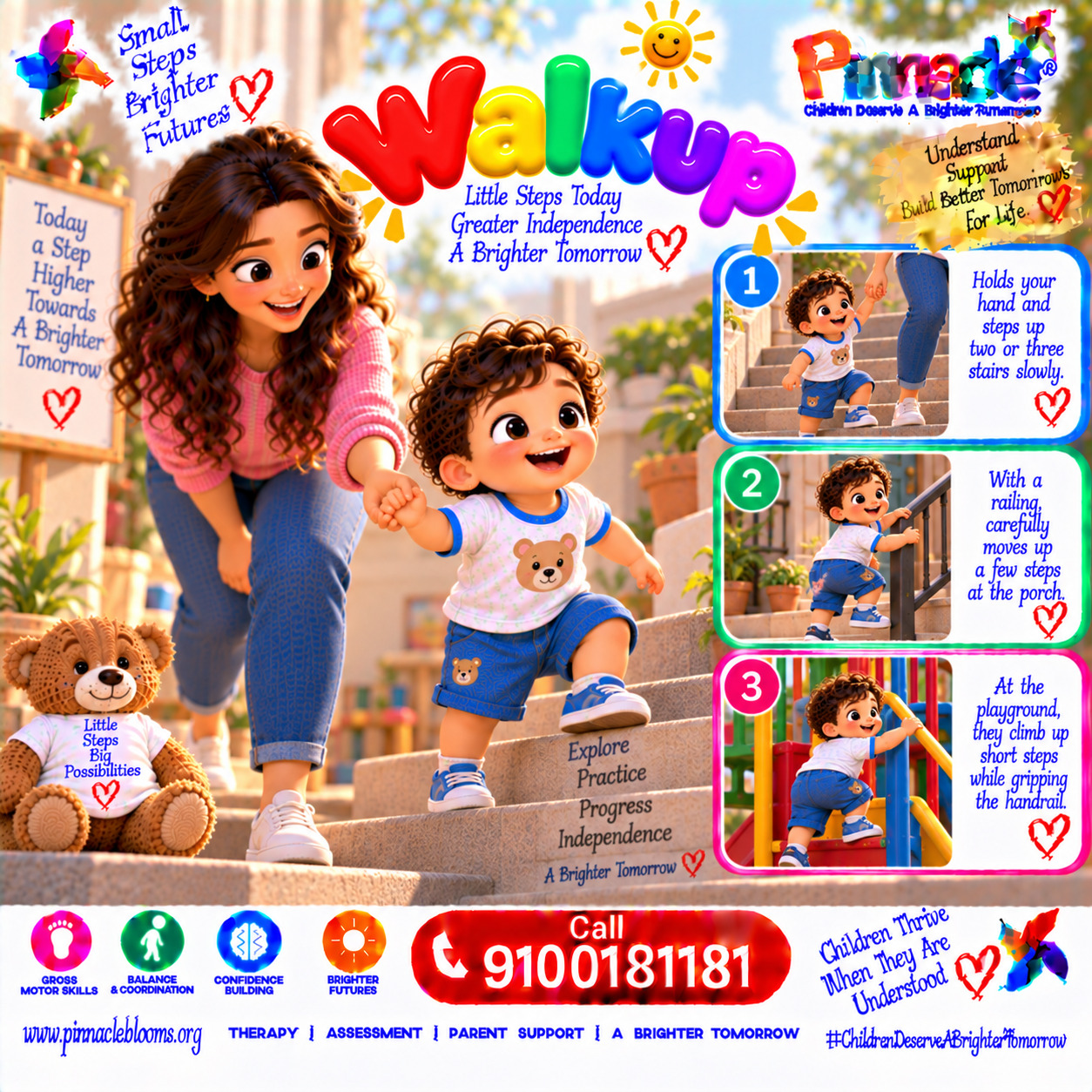
They hold your hand and step up two or three stairs slowly.
Example 2
With a railing, they carefully move up a few steps at the porch.
Example 3
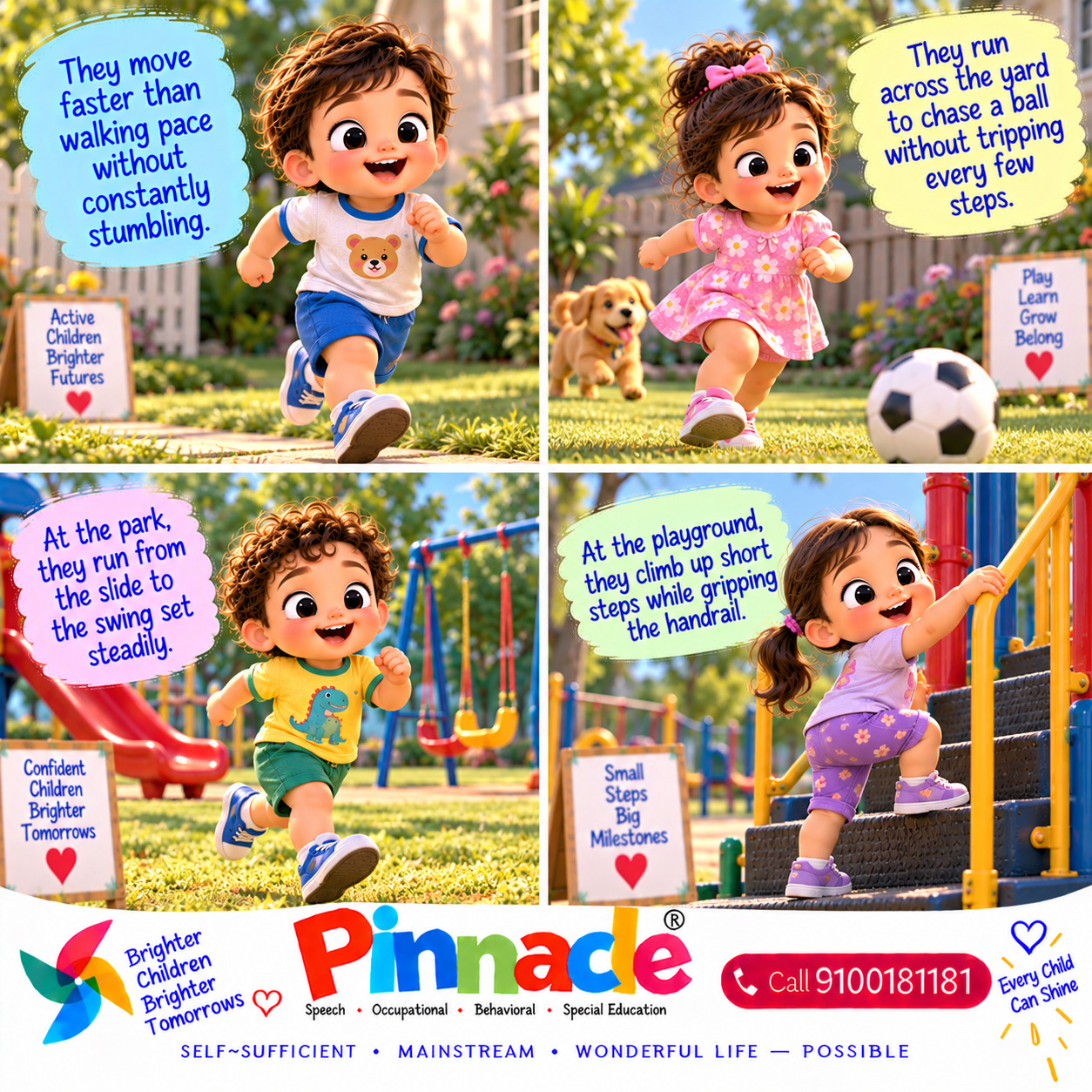
At the playground, they climb up short steps while gripping the handrail.
Example illustrationQuestion illustration
Does the child run with coordination and control?
Topic: Run
Example 1
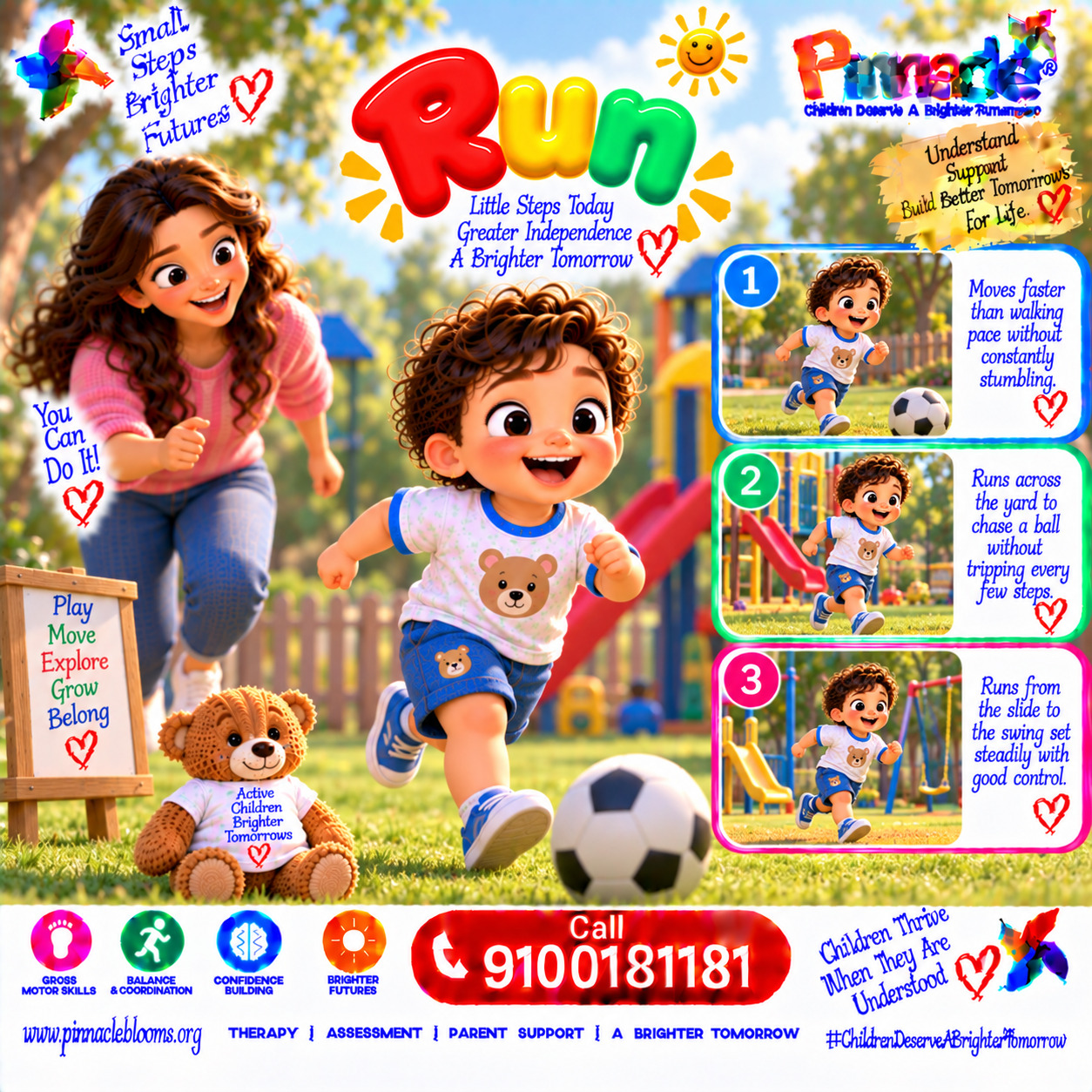
They move faster than walking pace without constantly stumbling.
Example 2
They run across the yard to chase a ball without tripping every few steps.
Example 3
At the park, they run from the slide to the swing set steadily.
Example illustrationQuestion illustration
Can the child kick a ball forward with either foot?
Topic: Kick
Example 1
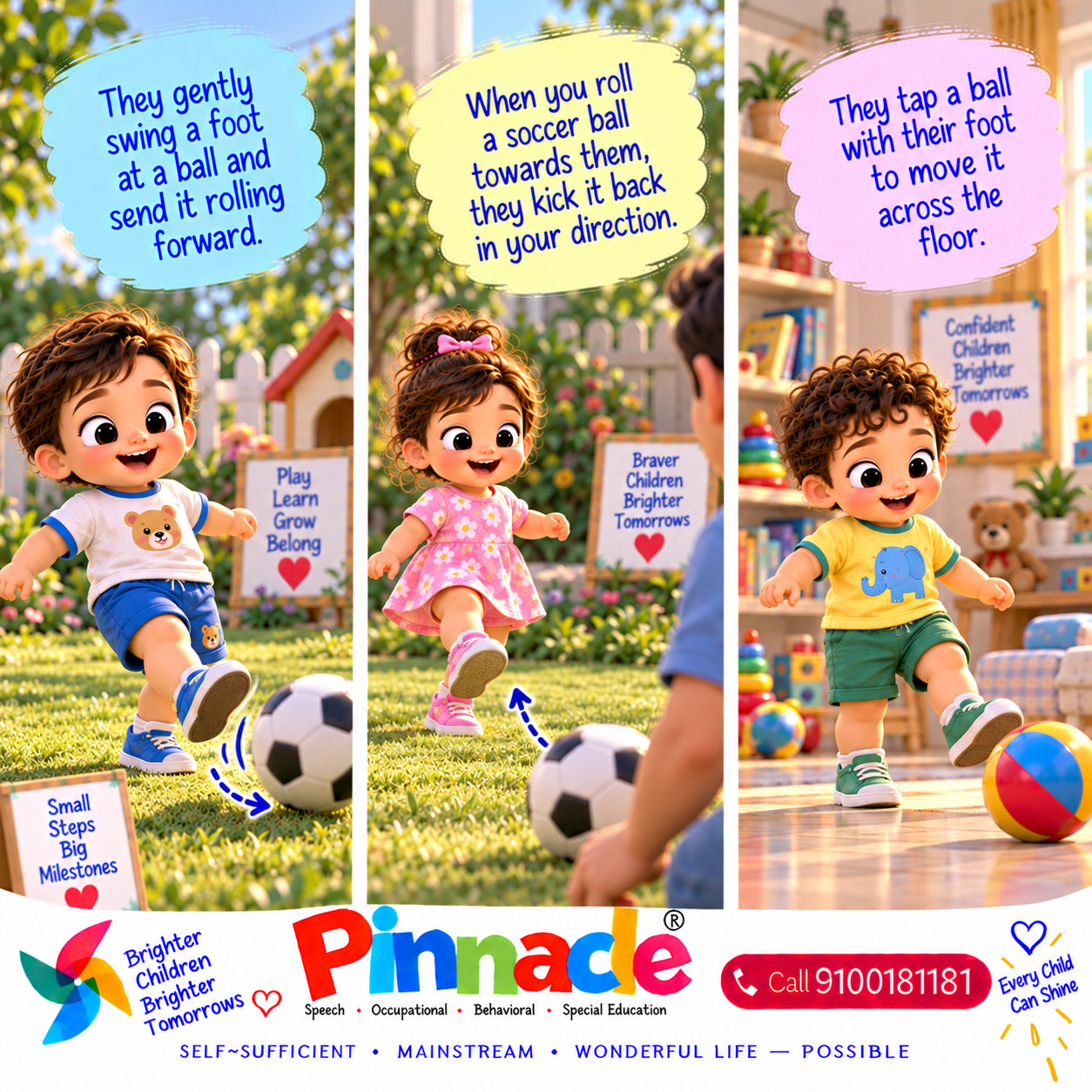
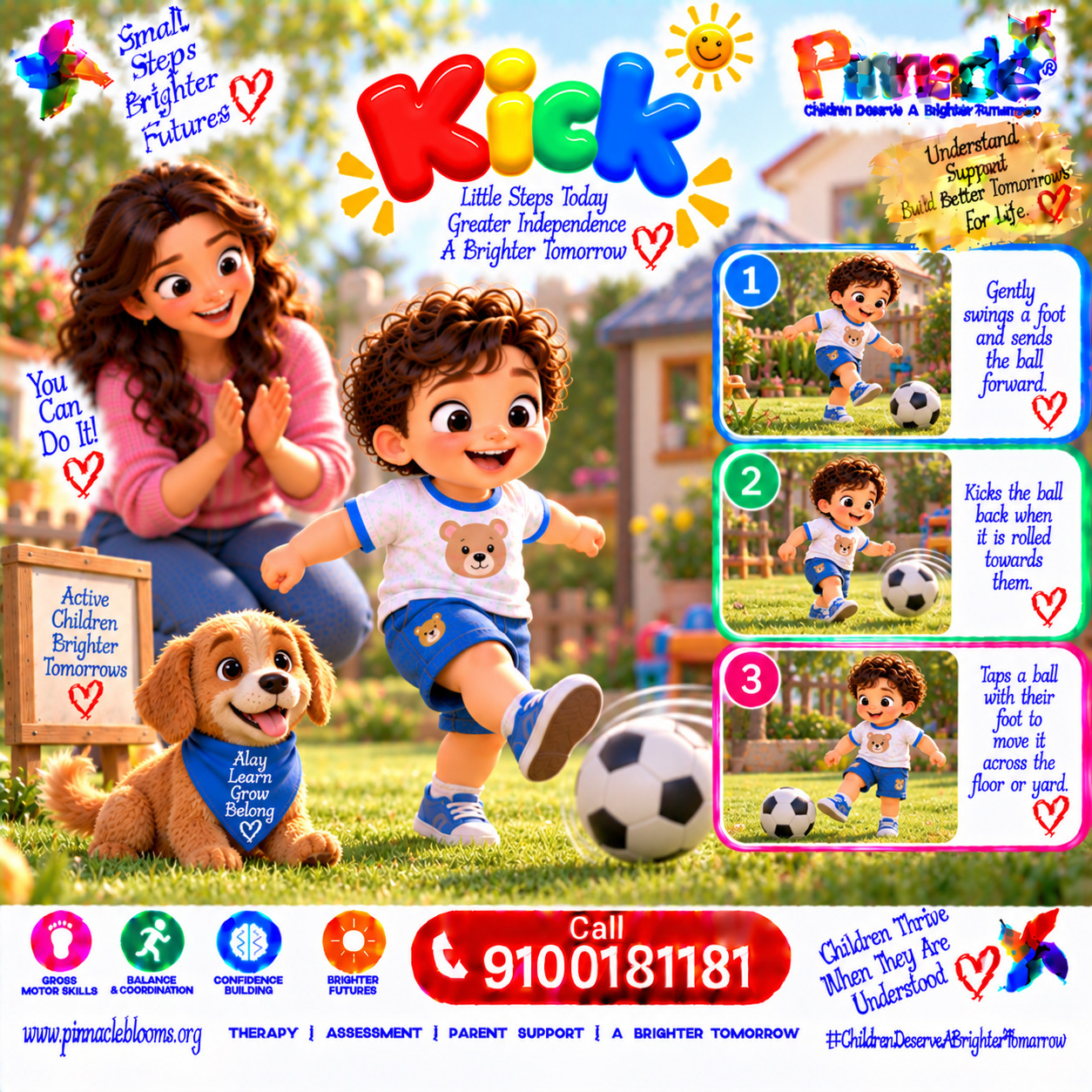
They gently swing a foot at a ball and send it rolling forward.
Example 2
When you roll a soccer ball towards them, they kick it back in your direction.
Example 3
They tap a ball with their foot to move it across the floor.
Example illustrationQuestion illustration
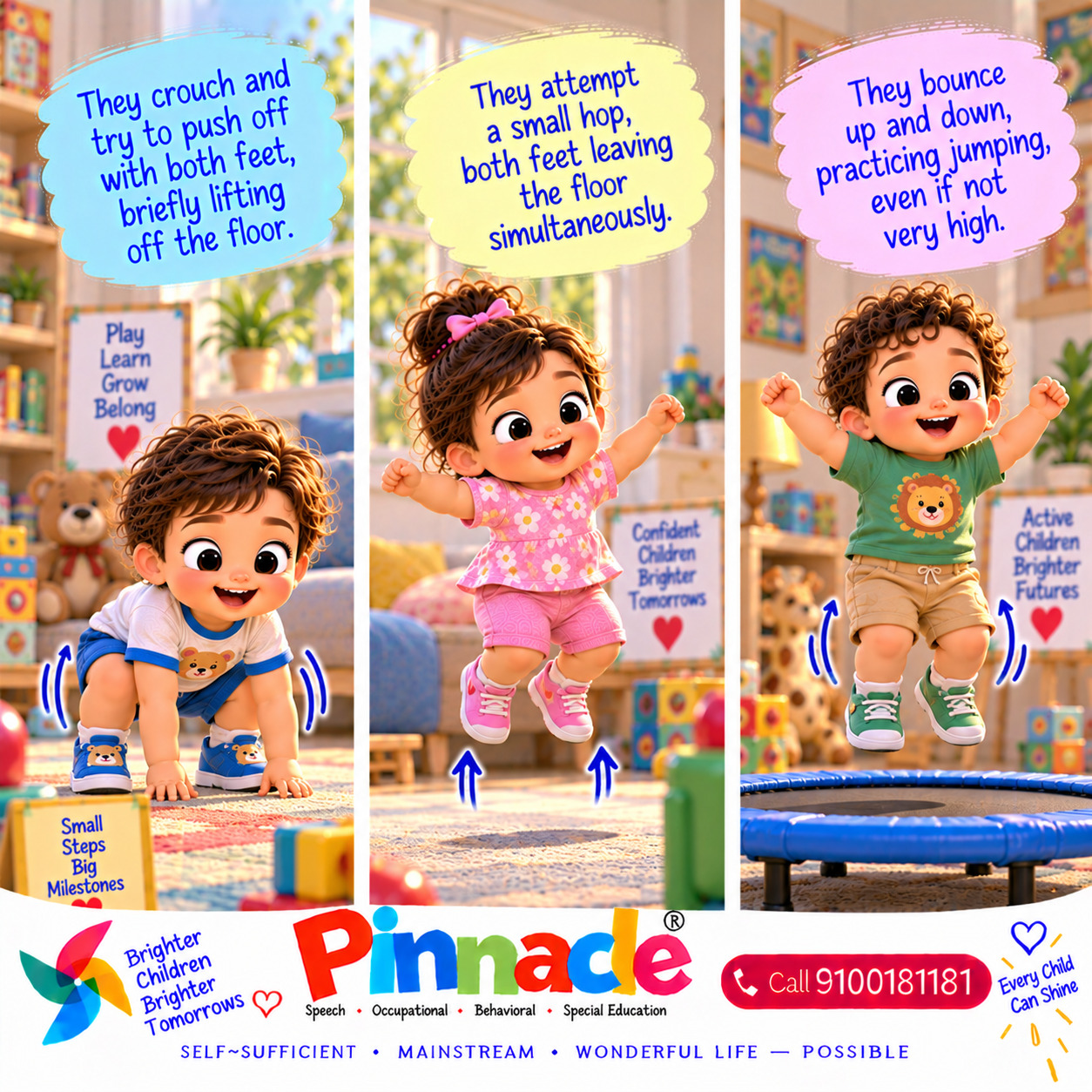
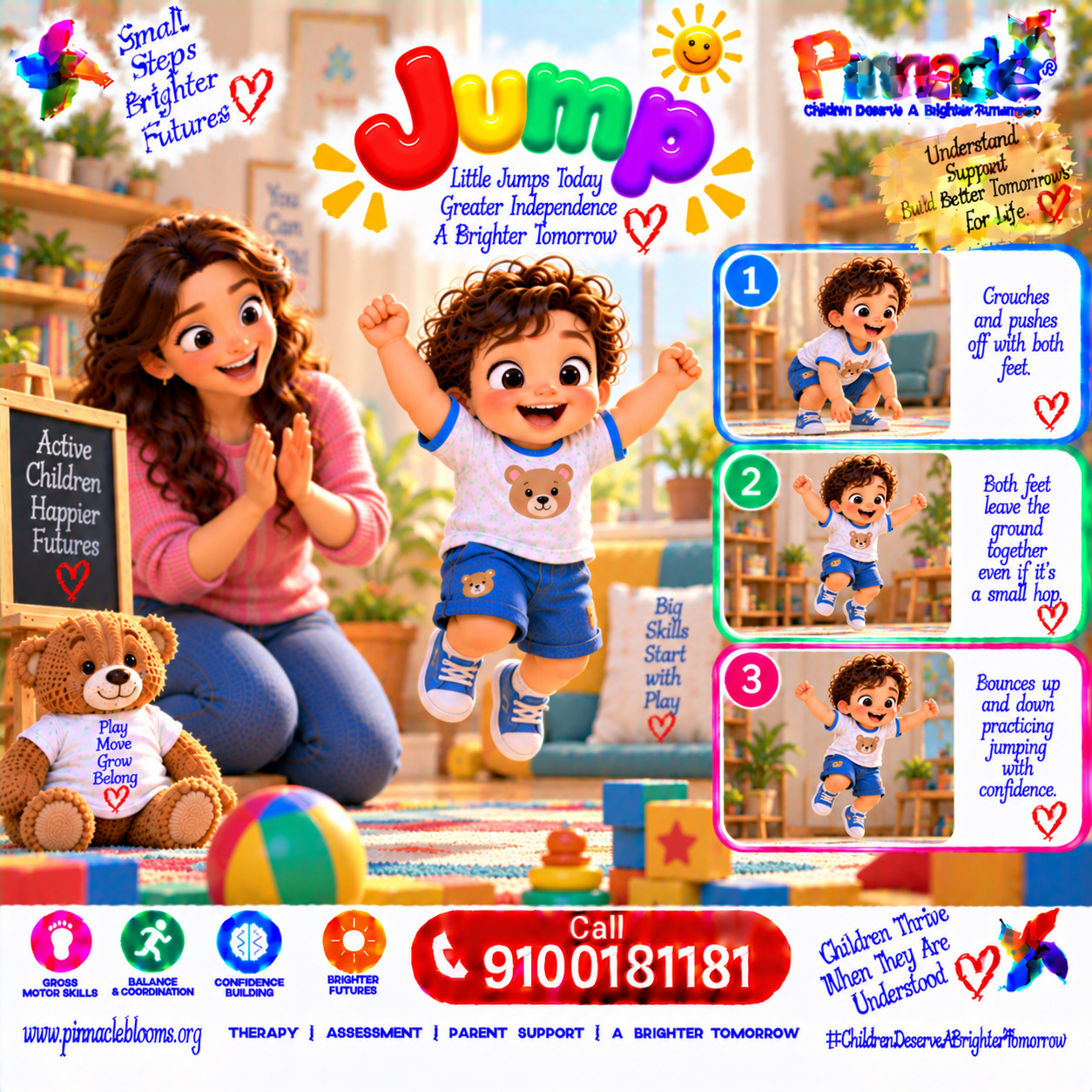
Does the child attempt to jump in place with both feet leaving the ground?
Topic: Jump
Example 1
They crouch and try to push off with both feet, briefly lifting off the floor.
Example 2
They attempt a small hop, both feet leaving the ground simultaneously.
Example 3
They bounce up and down, practicing jumping, even if not very high.
Example illustrationQuestion illustration
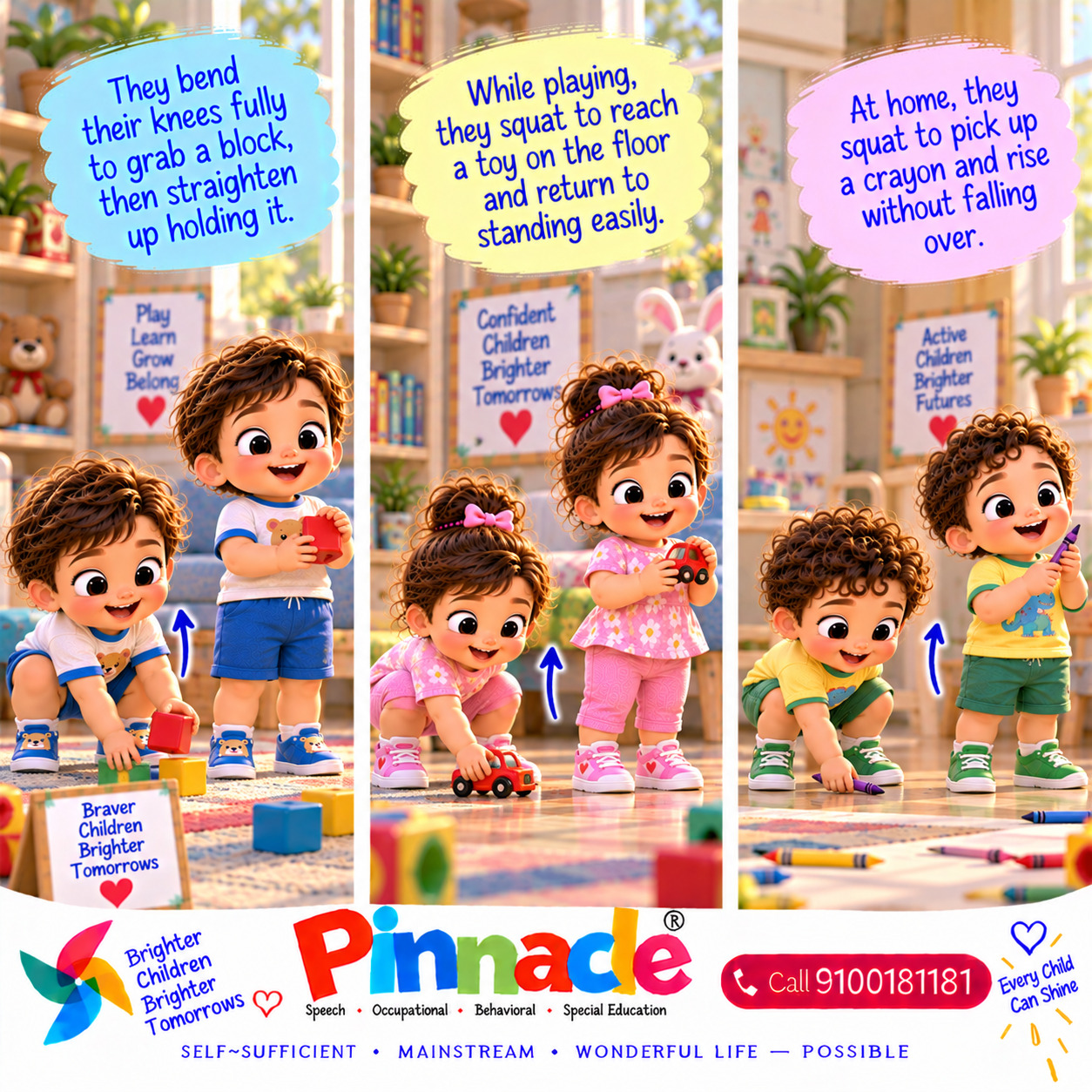
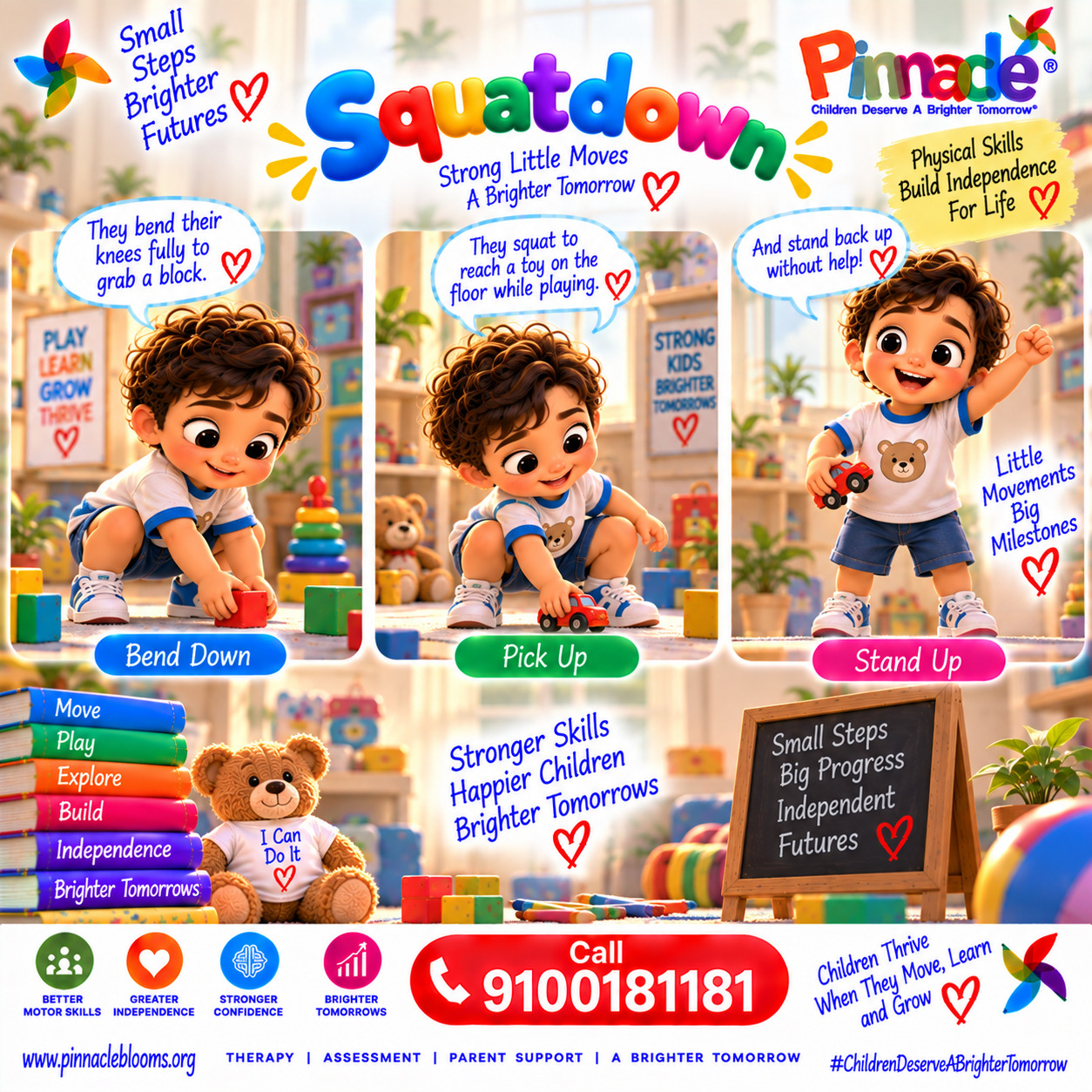
Can the child squat down to pick up a toy and stand back up without help?
Topic: Squatdown
Example 1
They bend their knees fully to grab a block, then straighten up holding it.
Example 2
While playing, they squat to reach a toy on the floor and return to standing easily.
Example 3
At home, they squat to pick up a crayon and rise without falling over.
Example illustrationQuestion illustration
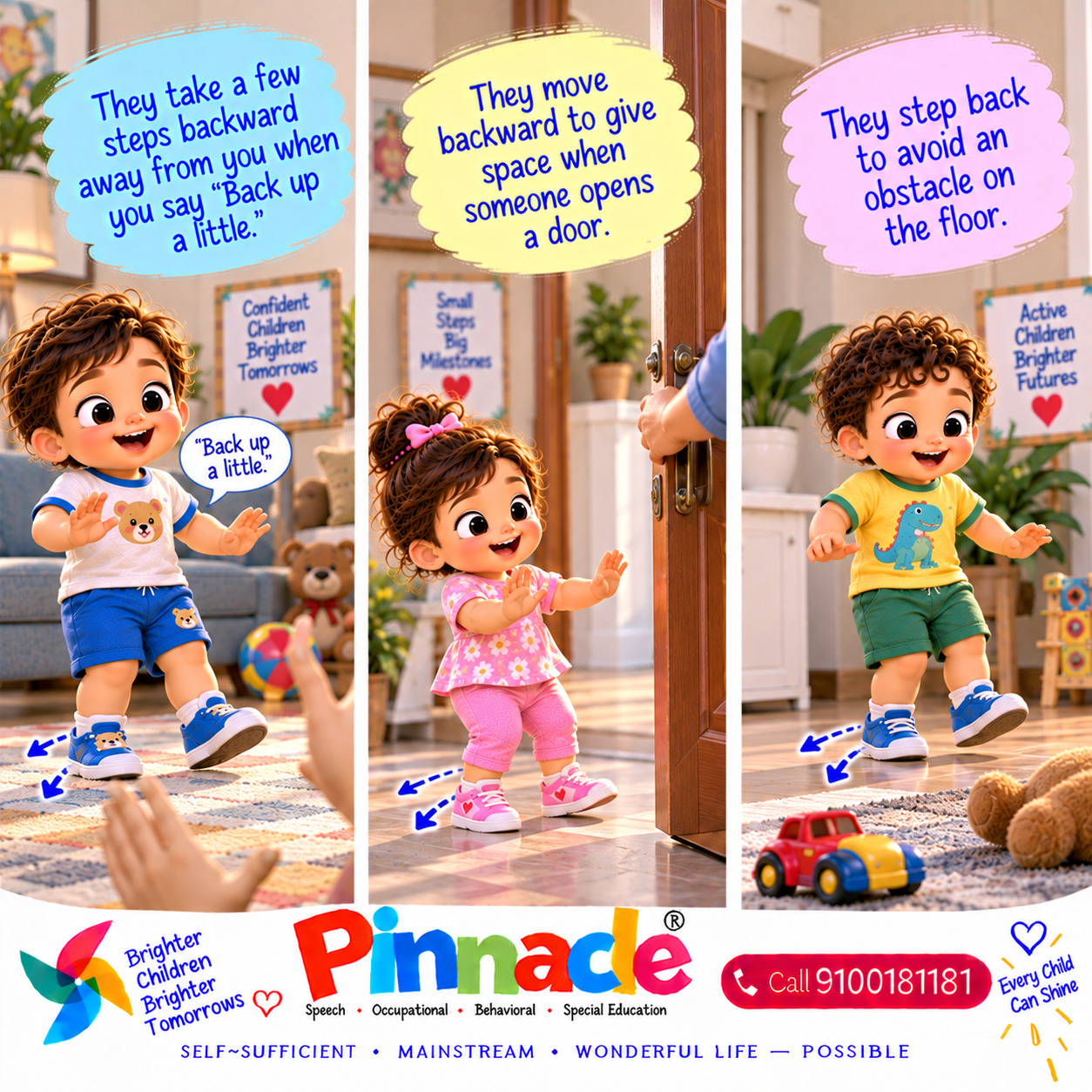
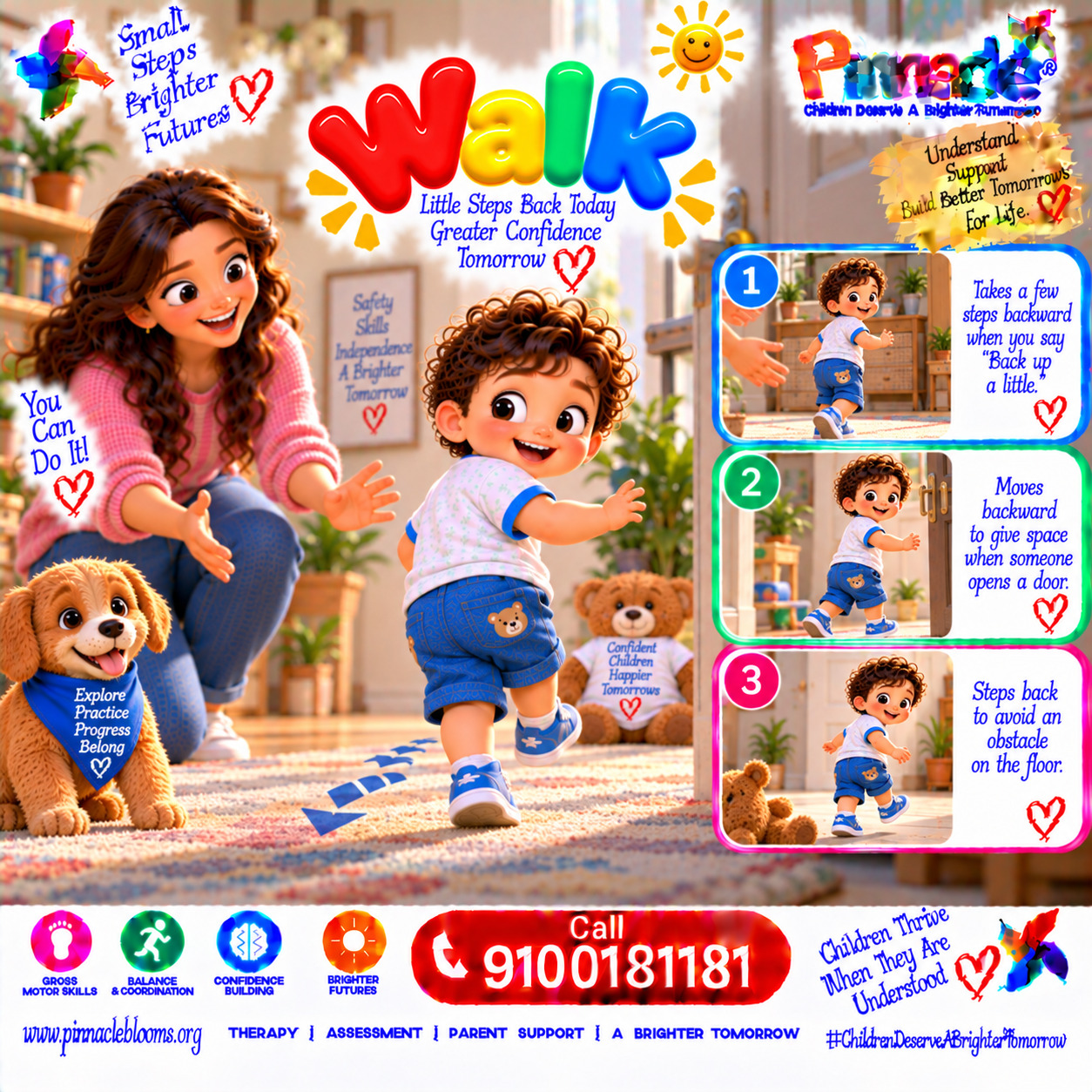
Does the child walk backward for at least a few steps?
Topic: Walk
Example 1
They take a few steps backward away from you when you say “Back up a little.”
Example 2
They move backward to give space when someone opens a door.
Example 3
They step back to avoid an obstacle on the floor.
Example illustrationQuestion illustration
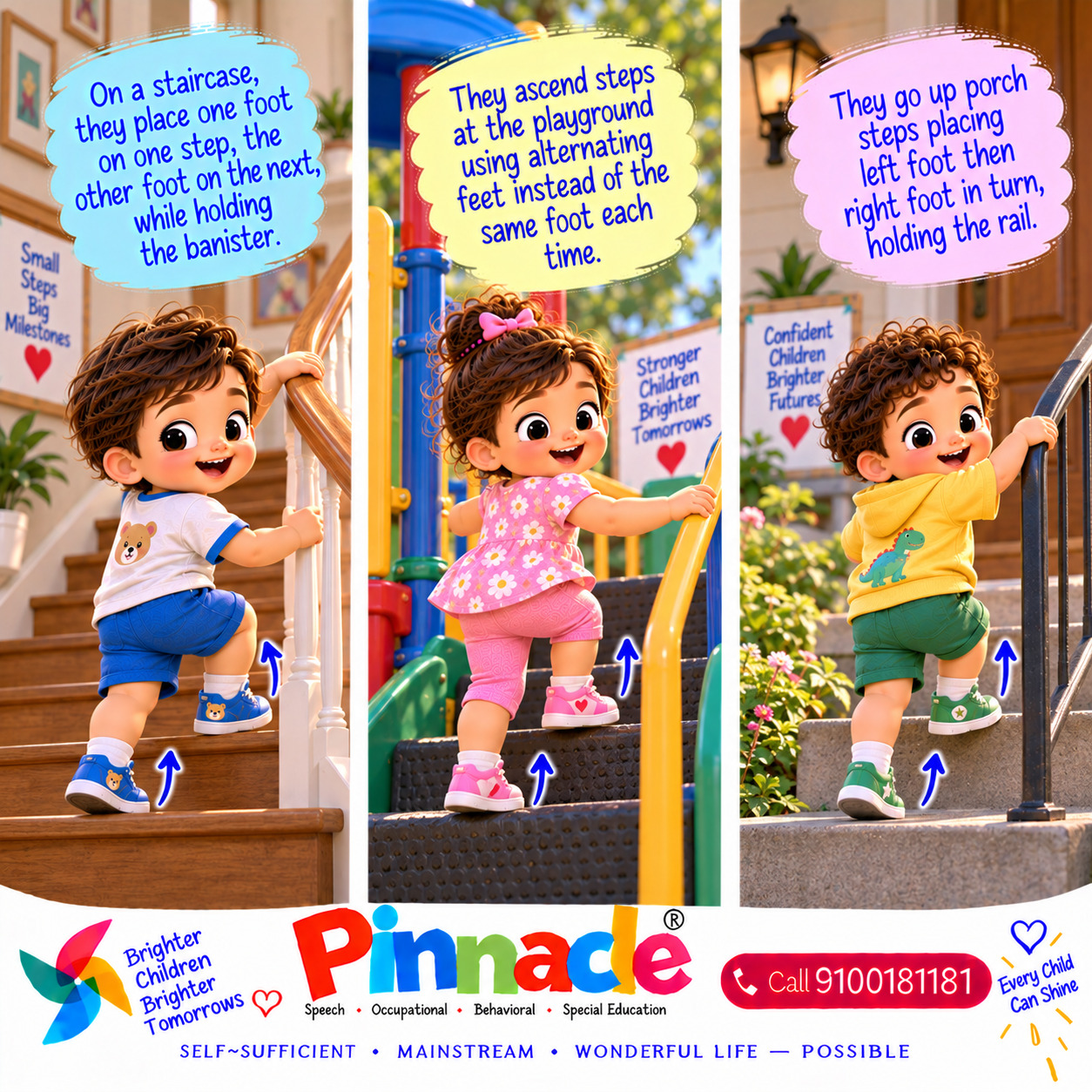
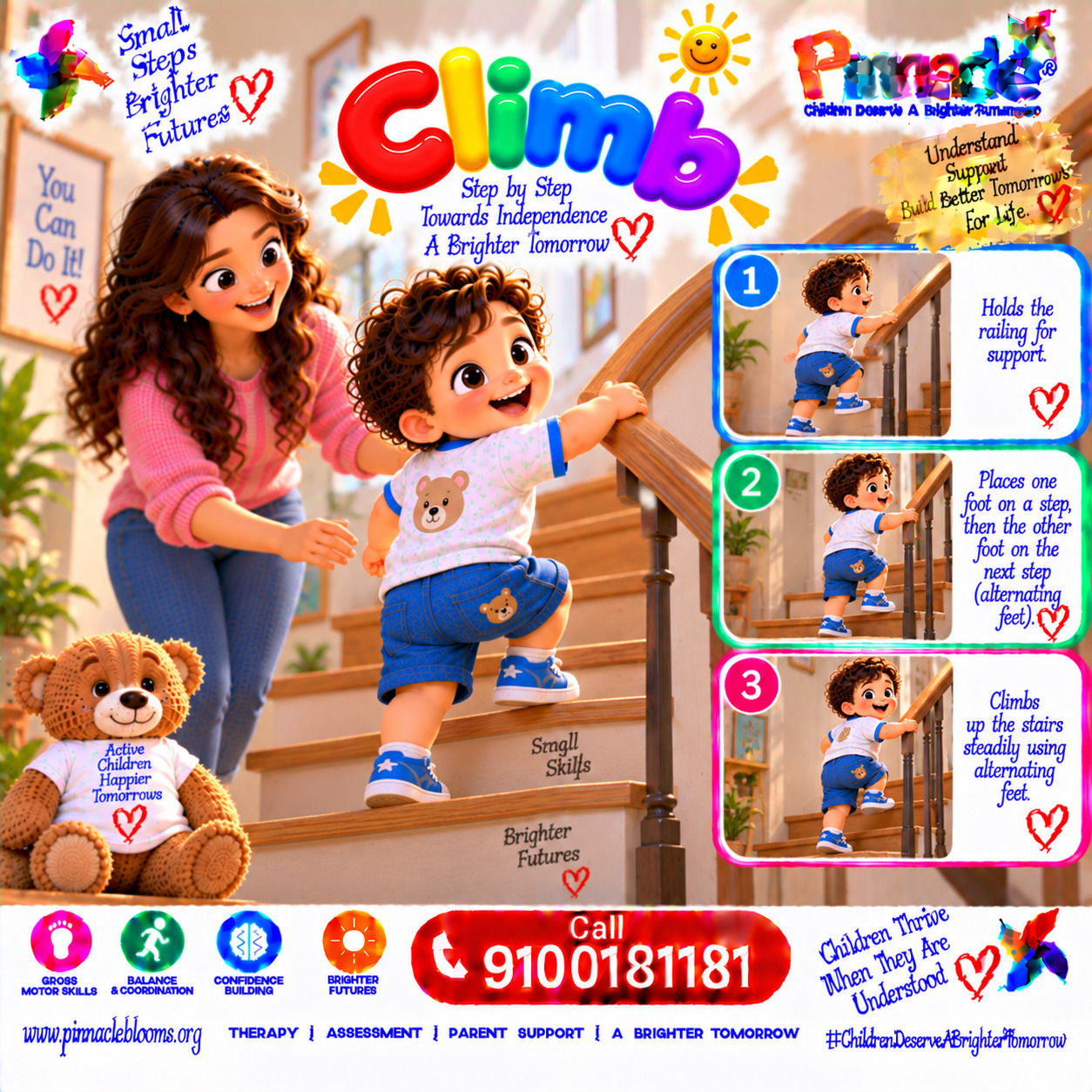
Can the child climb stairs with alternating feet while holding a railing?
Topic: Climb
Example 1
On a staircase, they place one foot on one step, the other foot on the next, while holding the banister.
Example 2
They ascend steps at the playground using alternating feet instead of the same foot each time.
Example 3
They go up porch steps placing left foot then right foot in turn, holding the rail.
Example illustrationQuestion illustration
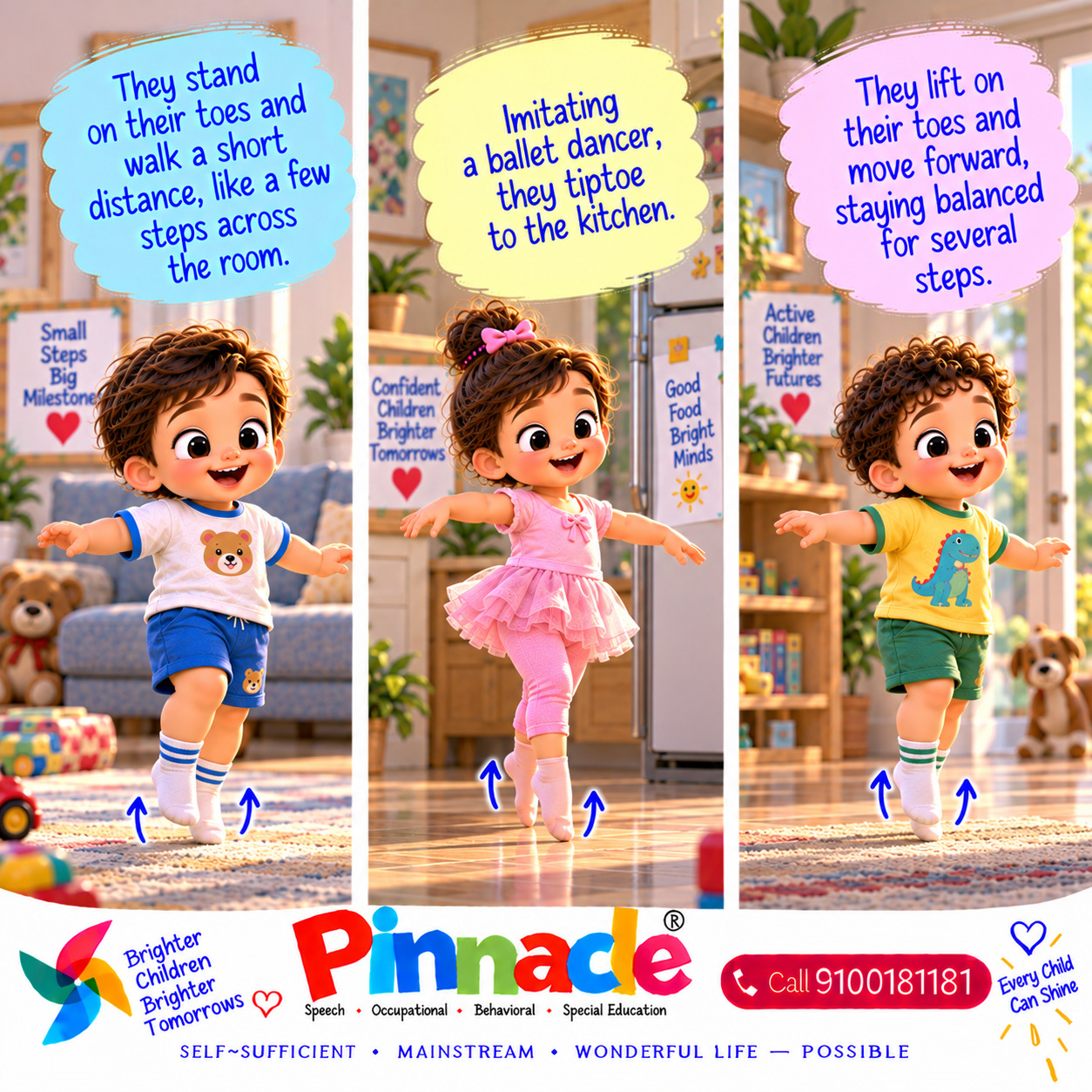
Does the child walk on tiptoes for several steps?
Topic: Walk
Example 1
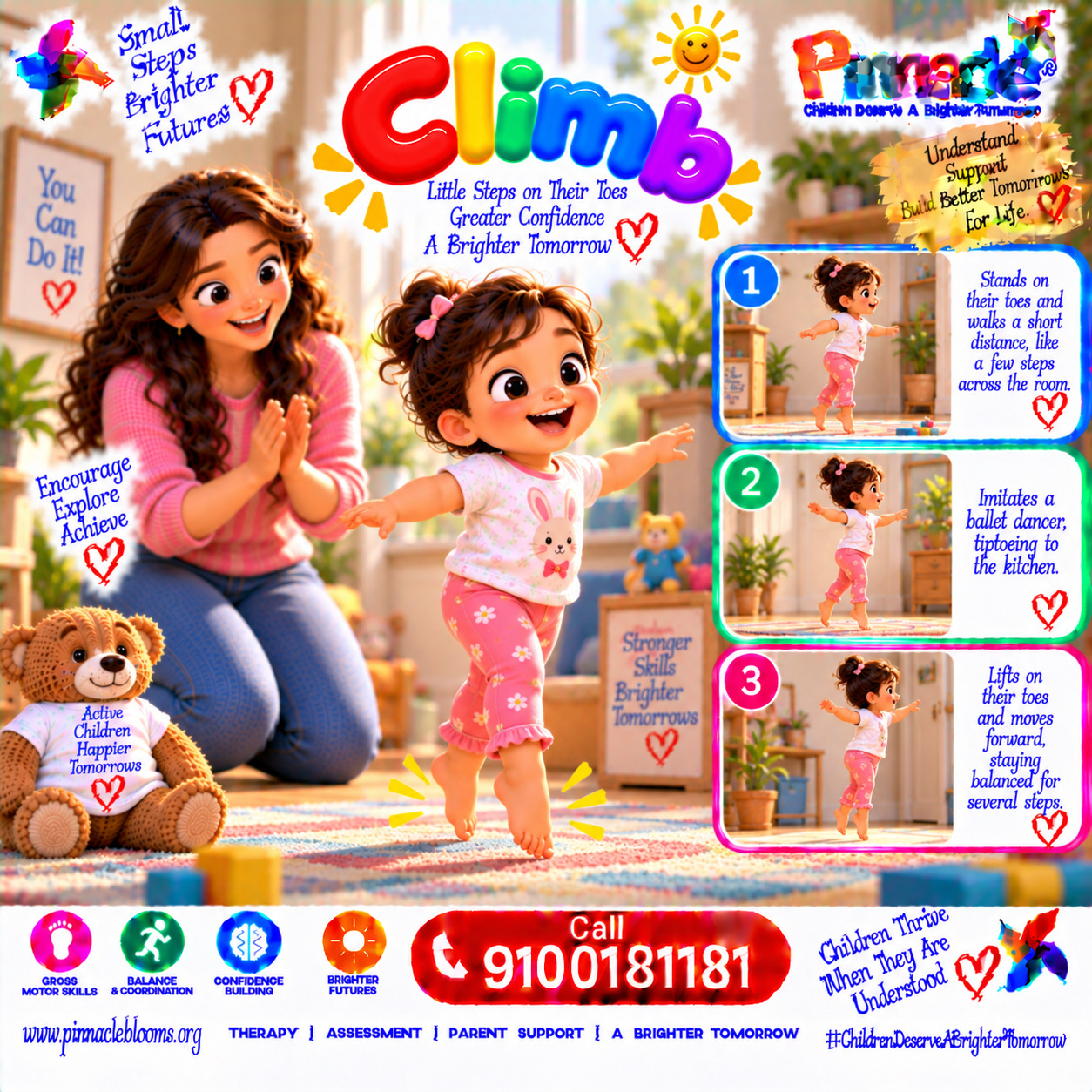
They stand on their toes and walk a short distance, like a few steps across the room.
Example 2
Imitating a ballet dancer, they tiptoe to the kitchen.
Example 3
They lift on their toes and move forward, staying balanced for several steps.
Example illustrationQuestion illustration
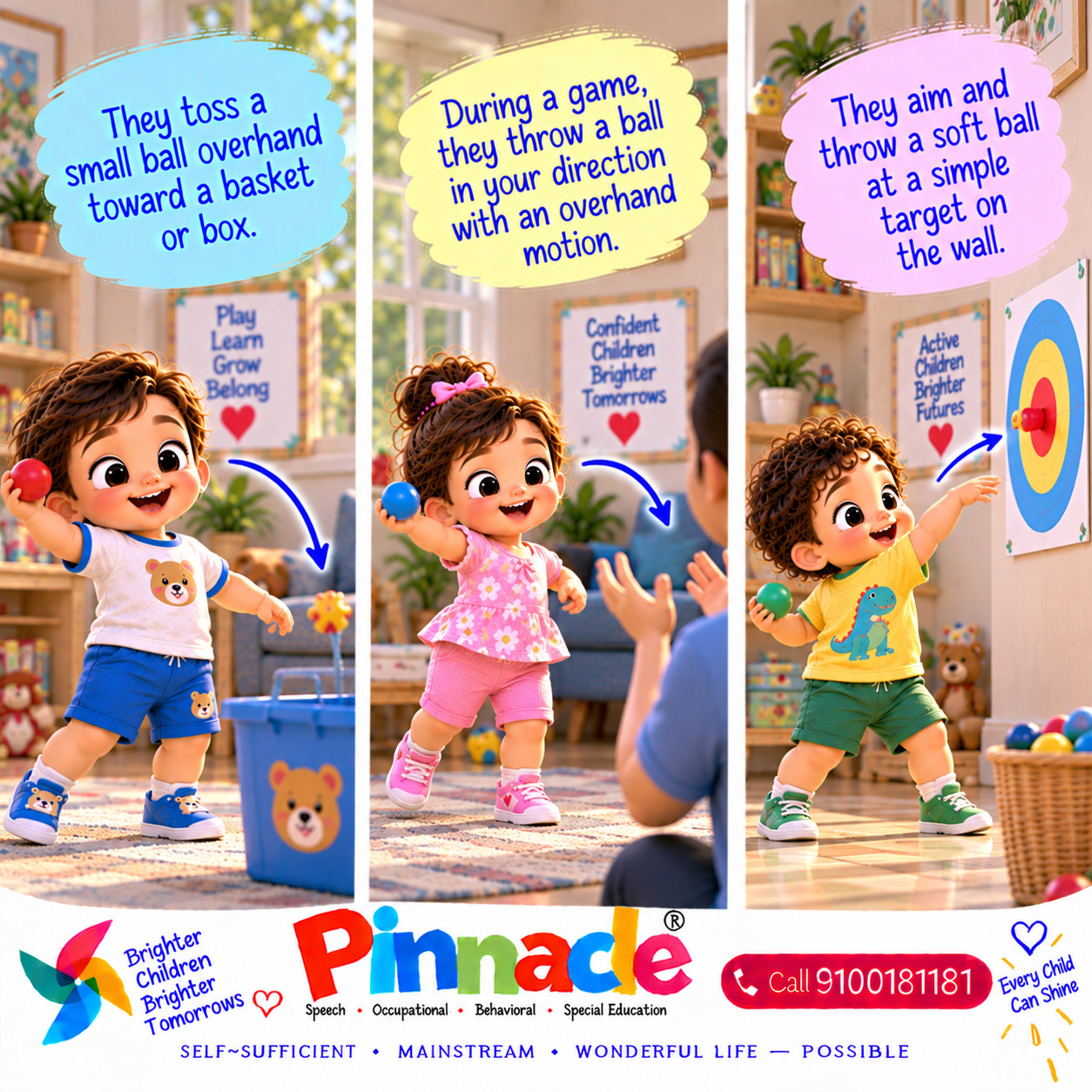
Can the child throw a ball overhand towards a target?
Topic: Throw
Example 1
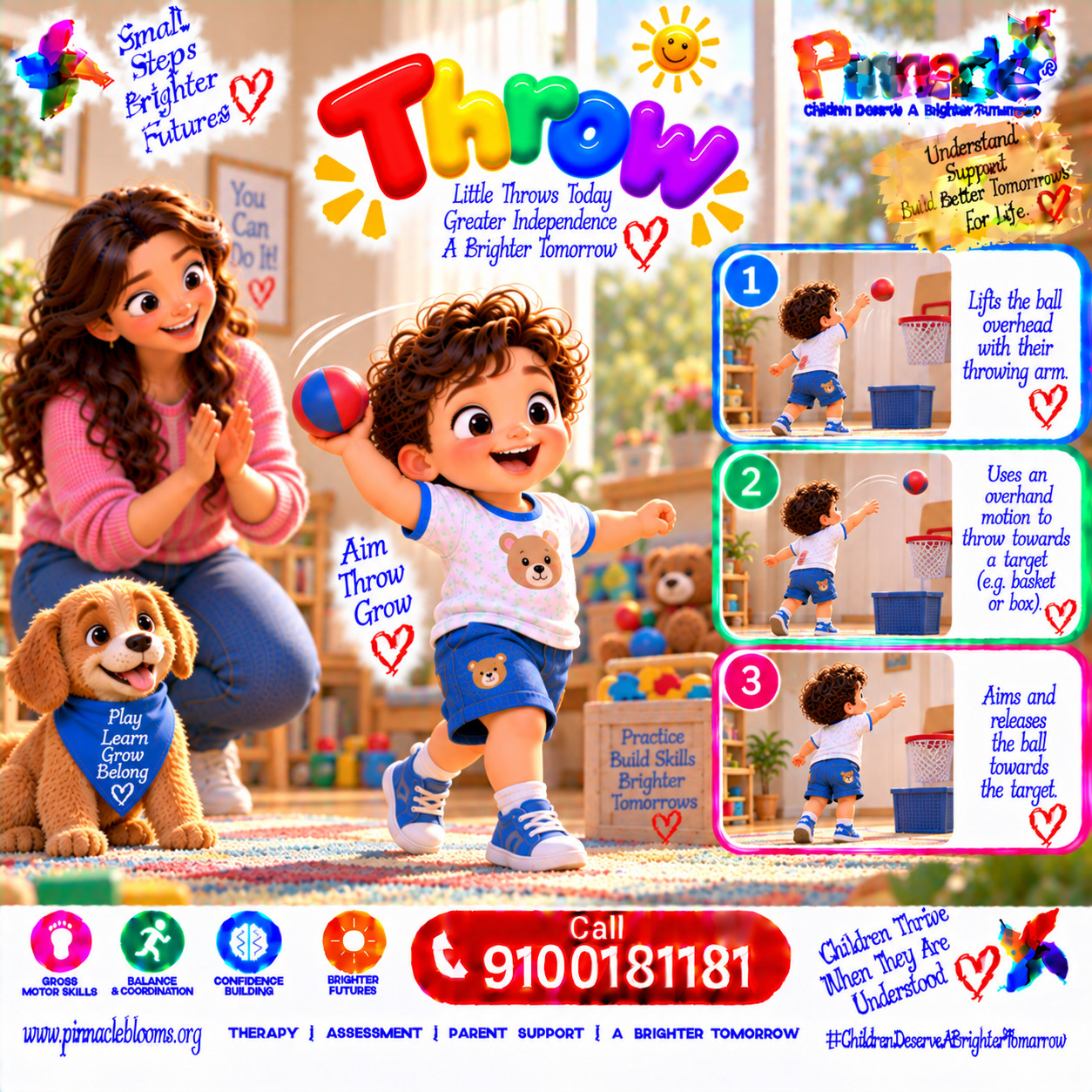
They toss a small ball overhand toward a basket or box.
Example 2
During a game, they throw a ball in your direction with an overhand motion.
Example 3
They aim and throw a soft ball at a simple target on the wall.
Example illustrationQuestion illustration
Does the child balance on one foot for a few seconds?
Topic: Balance
Example 1
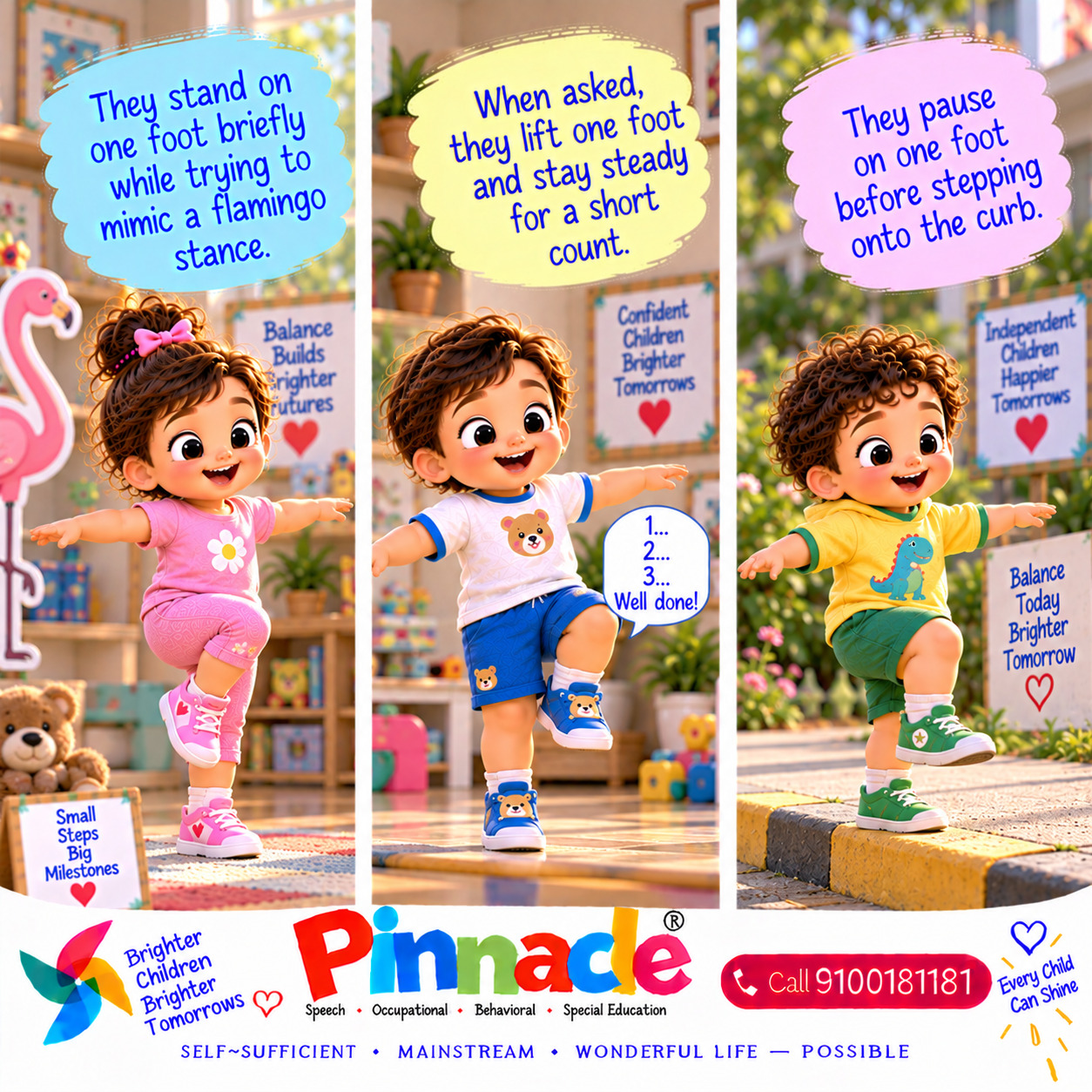
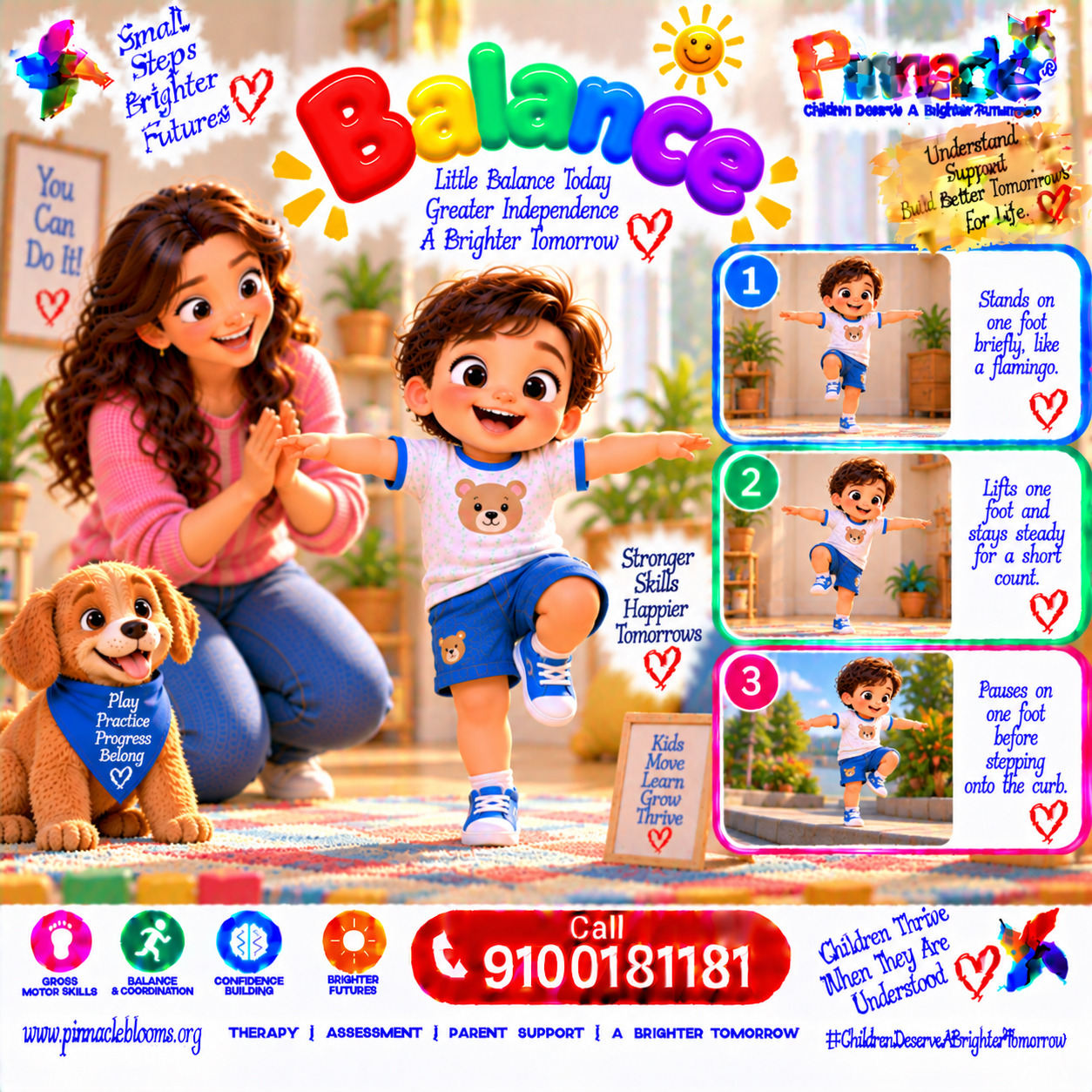
They stand on one foot briefly while trying to mimic a flamingo stance.
Example 2
When asked, they lift one foot and stay steady for a short count.
Example 3
They pause on one foot before stepping onto the curb.
Example illustrationQuestion illustration
Can the child walk across a low balance beam or line on the ground?
Topic: Walk
Example 1
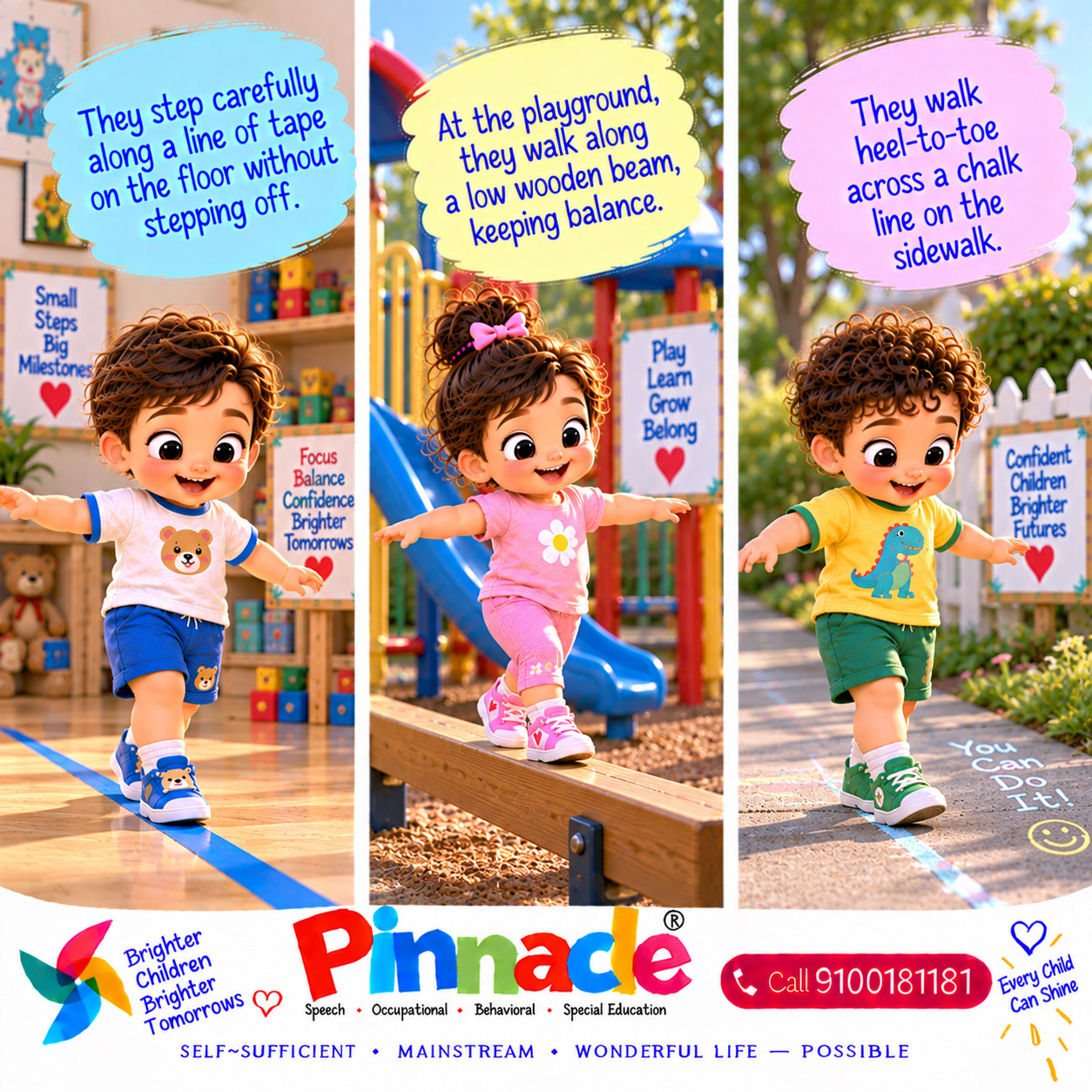
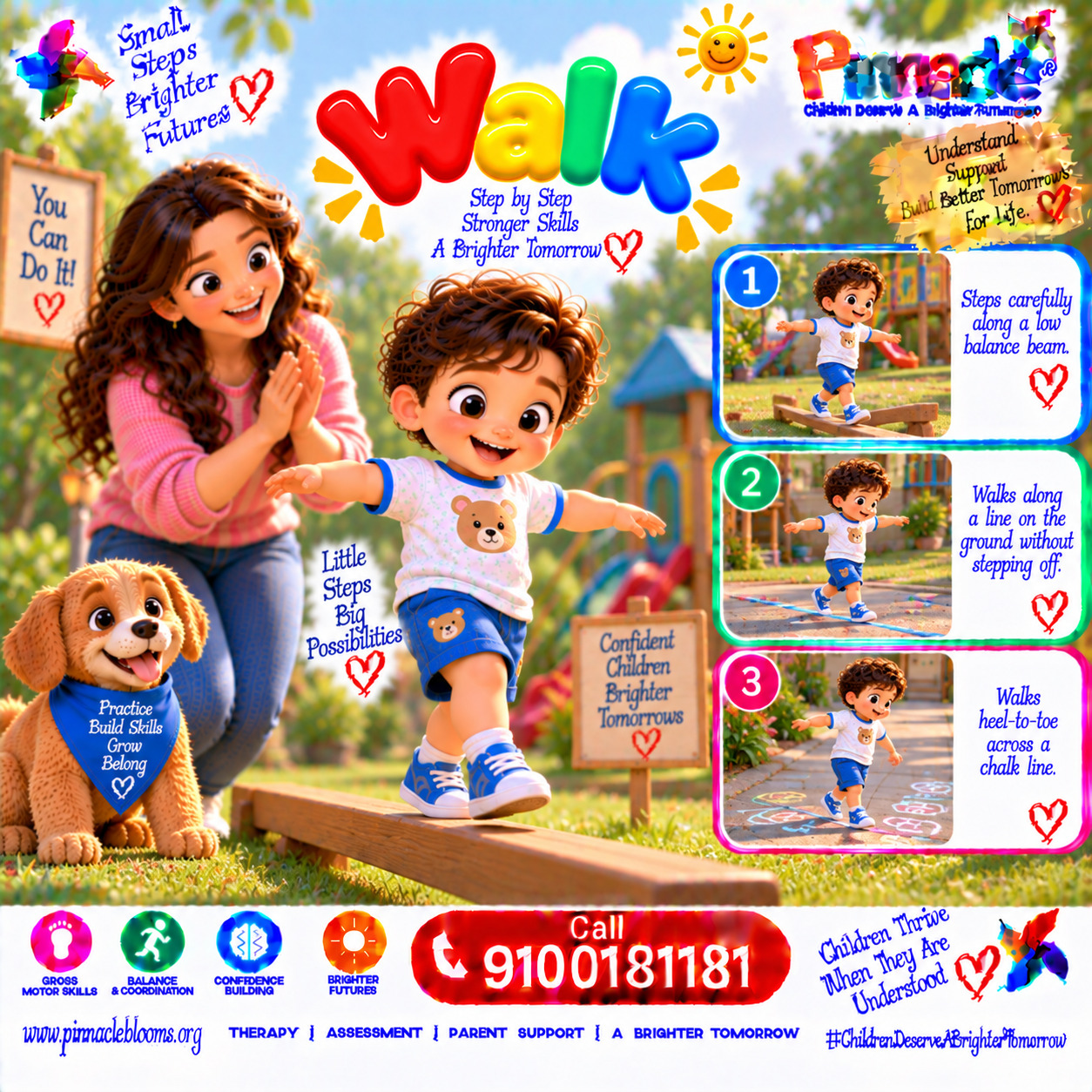
They step carefully along a line of tape on the floor without stepping off.
Example 2
At the playground, they walk along a low wooden beam, keeping balance.
Example 3
They walk heel-to-toe across a chalk line on the sidewalk.
Example illustrationQuestion illustration
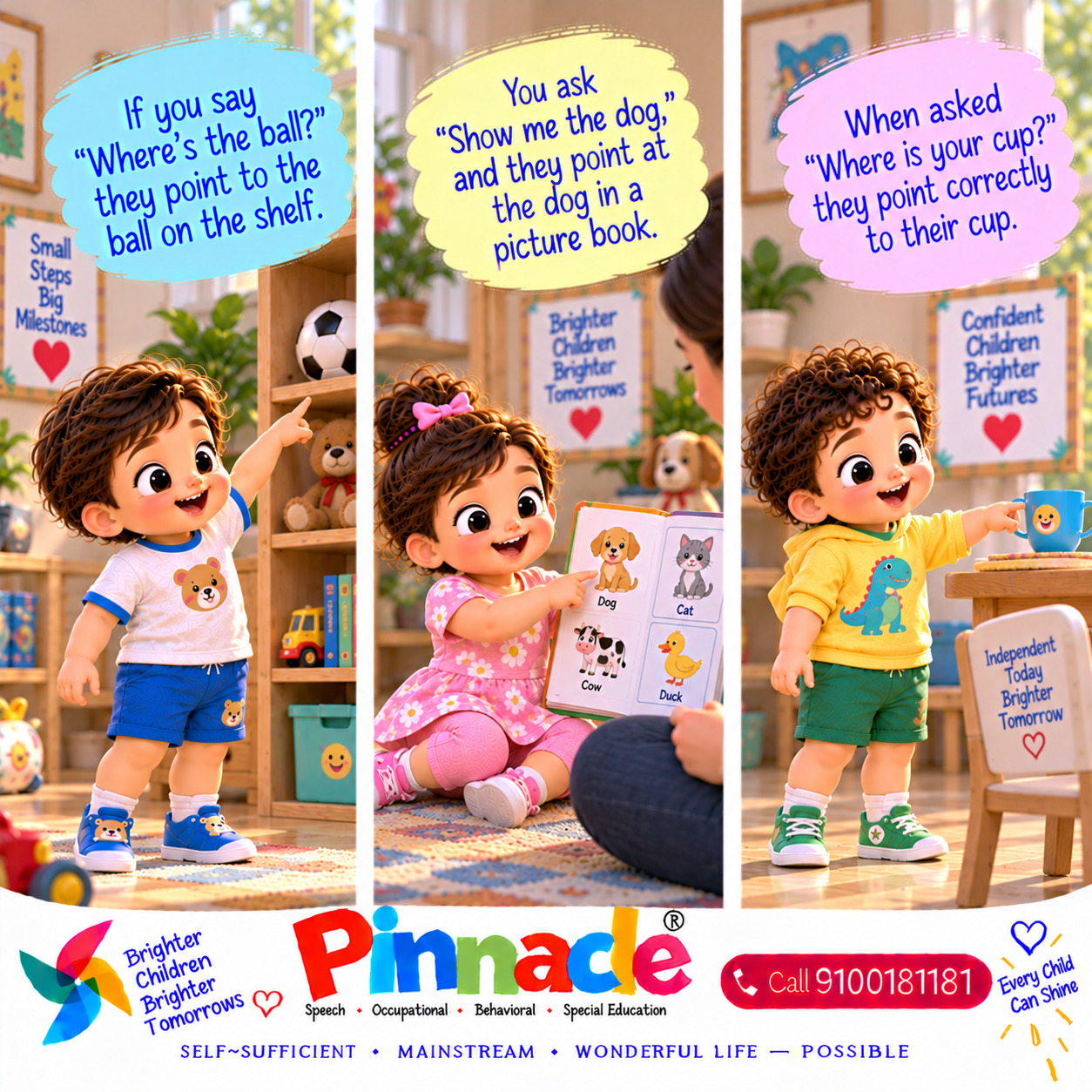
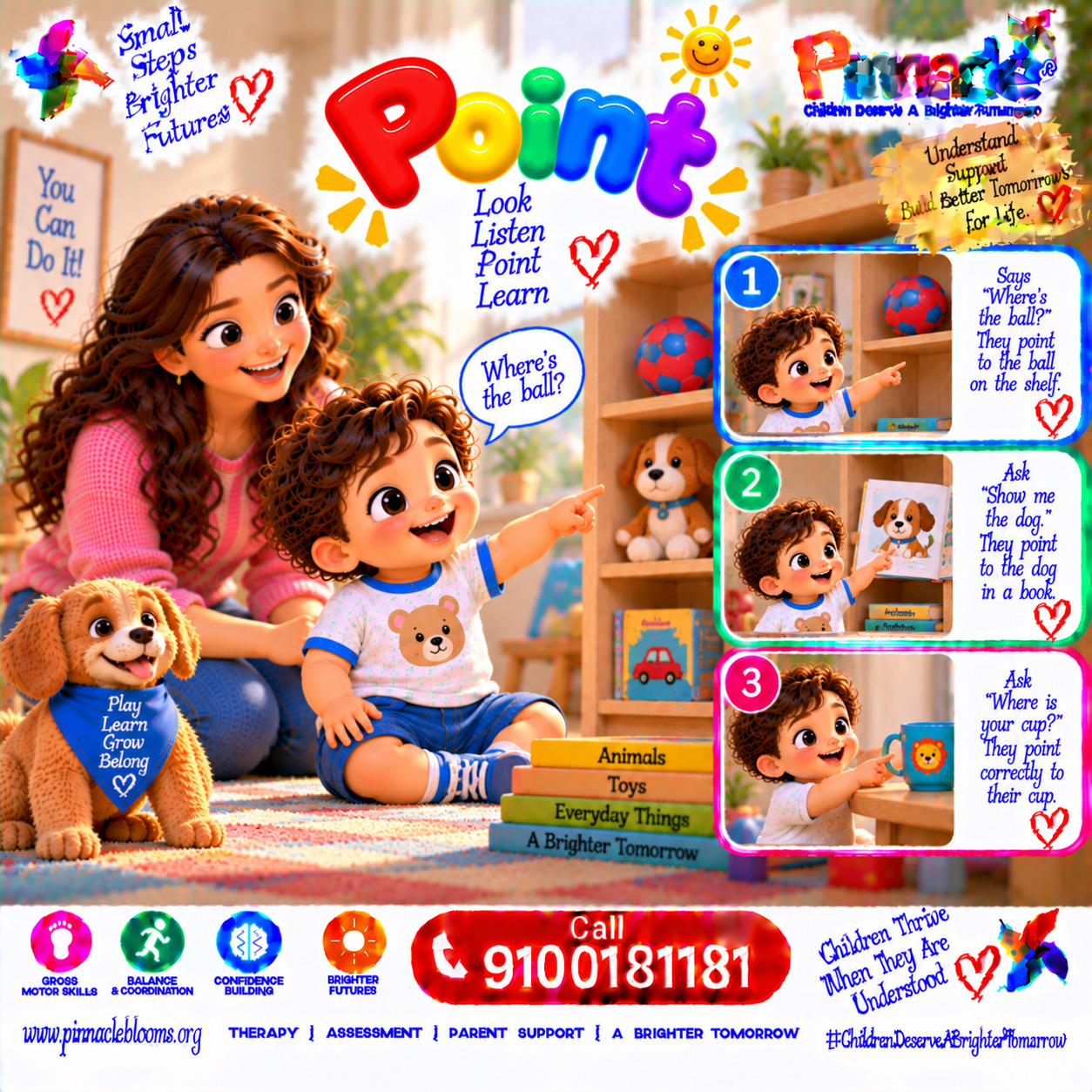
Does the child point to familiar objects when named?
Topic: Point
Example 1
If you say “Where’s the ball?” they point to the ball on the shelf.
Example 2
You ask “Show me the dog,” and they point at the dog in a picture book.
Example 3
When asked “Where is your cup?” they point correctly to their cup.
Example illustrationQuestion illustration
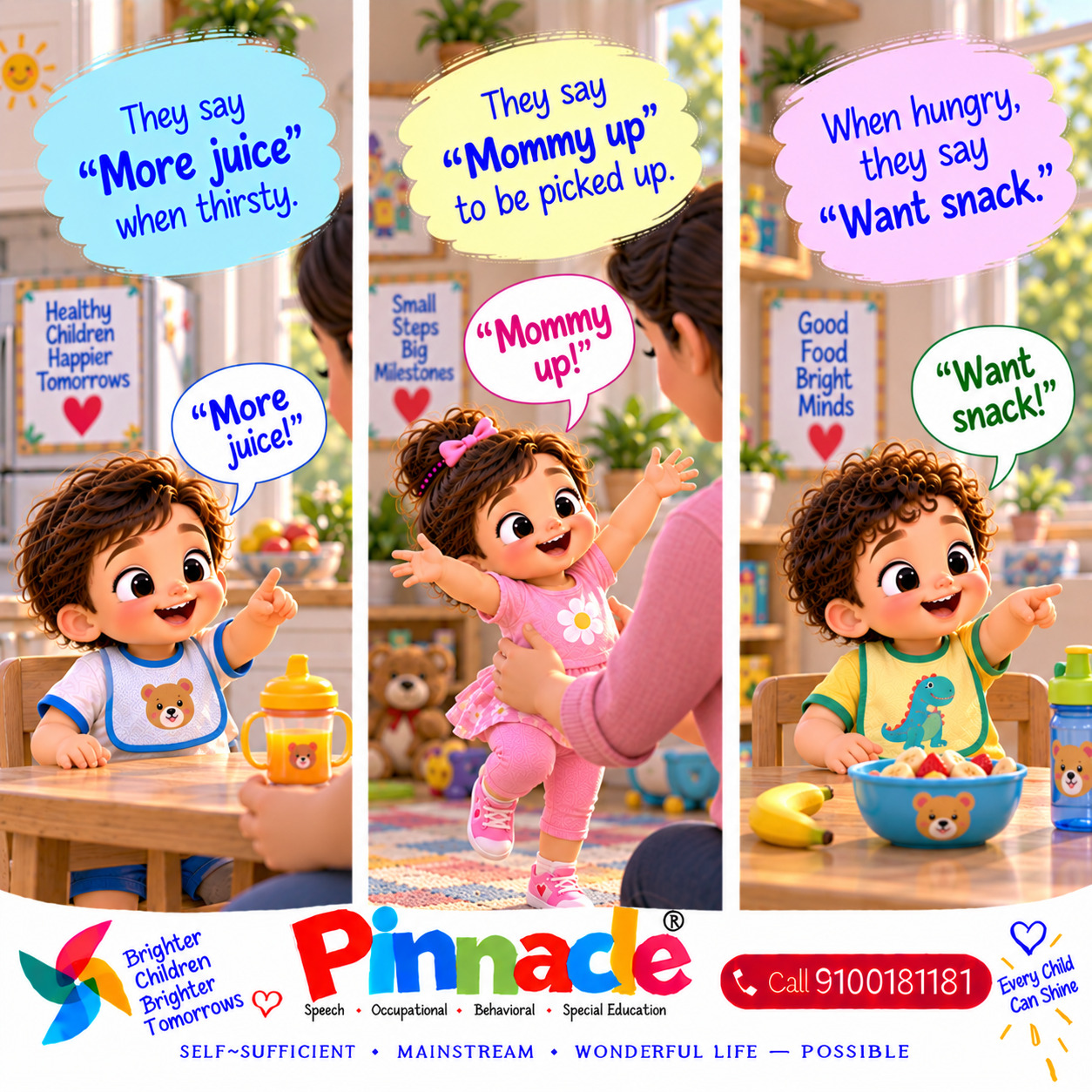
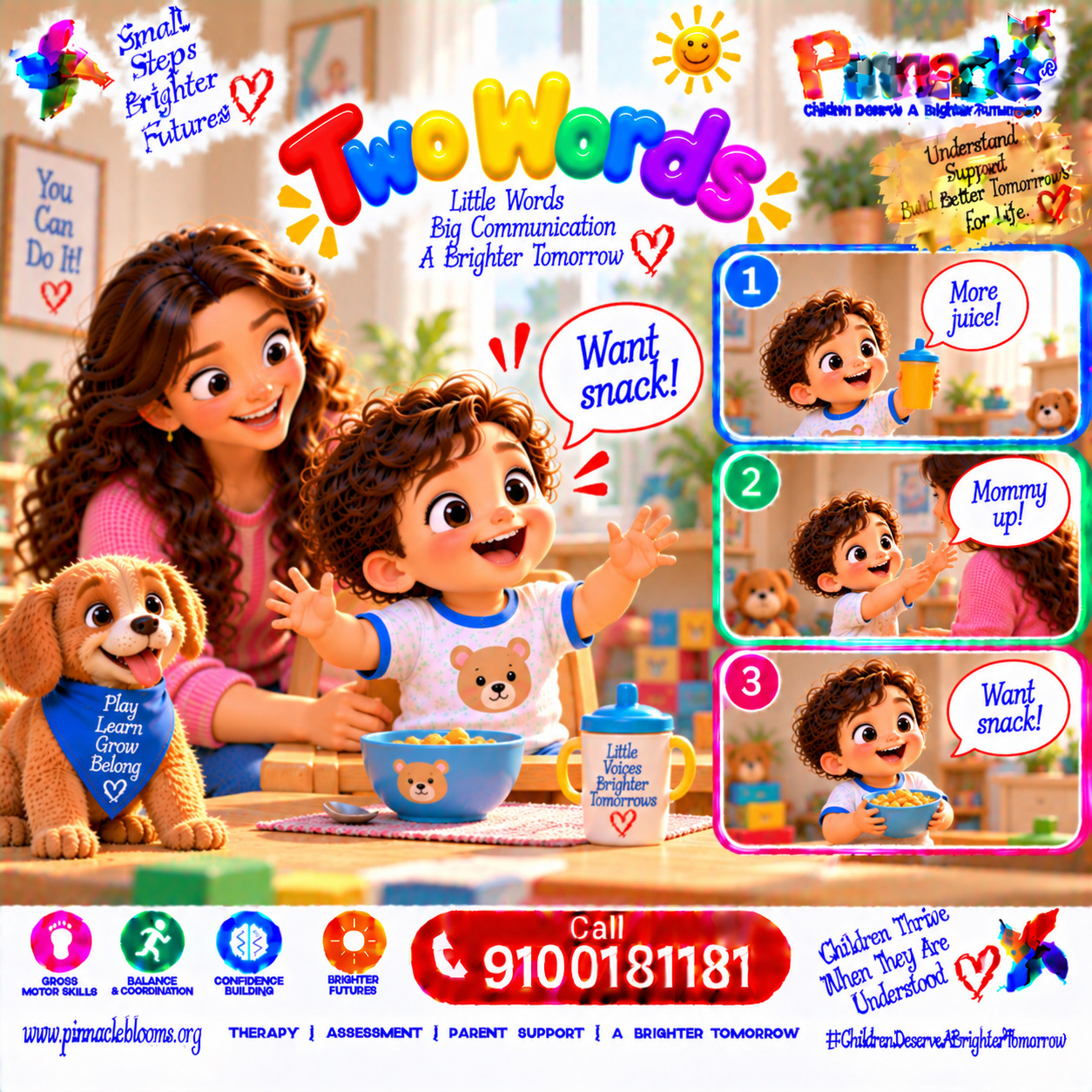
Can the child say two-word phrases like 'want milk'?
Topic: Two Words
Example 1
They say “More juice” when thirsty.
Example 2
They say “Mommy up” to be picked up.
Example 3
When hungry, they say “Want snack.”
Example illustrationQuestion illustration
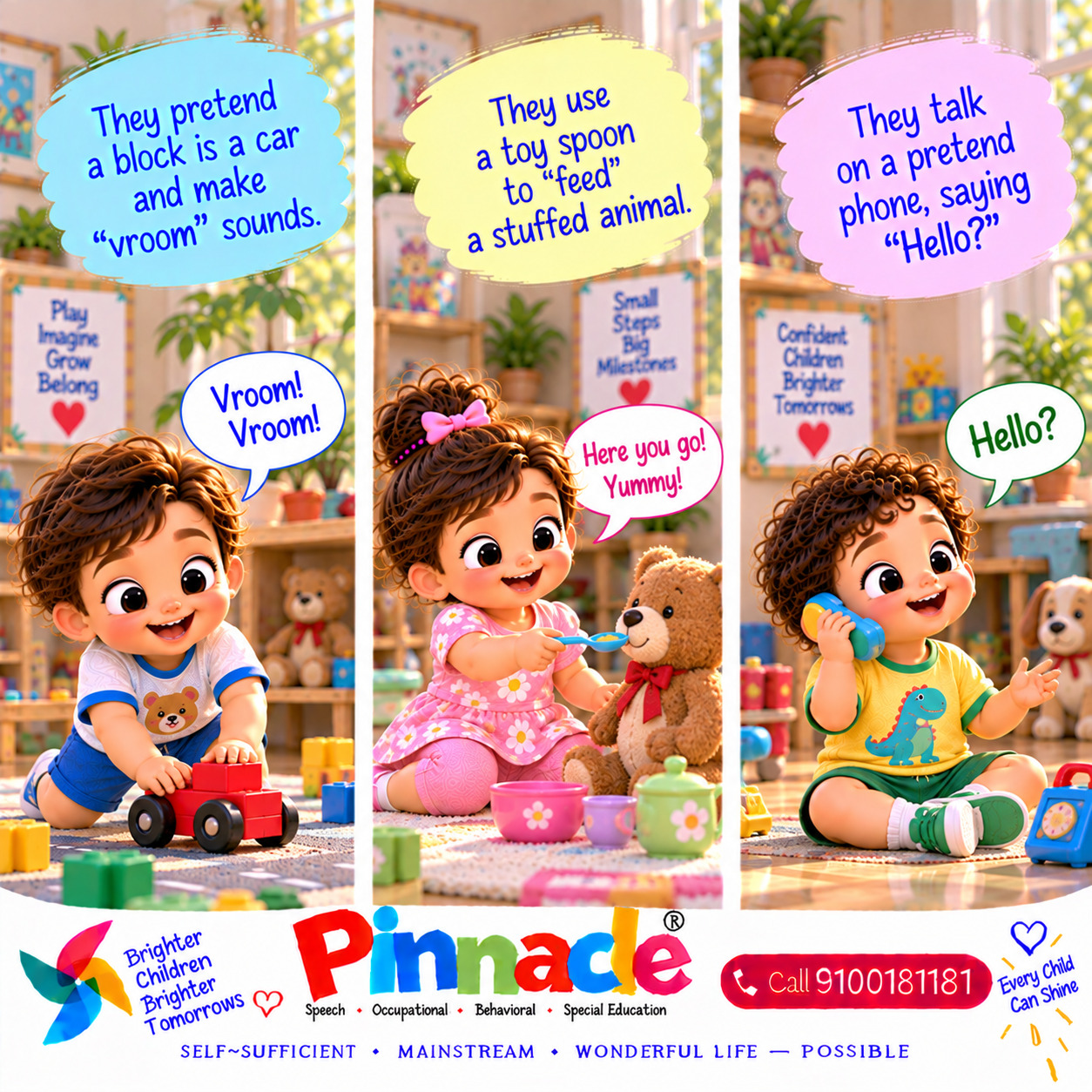
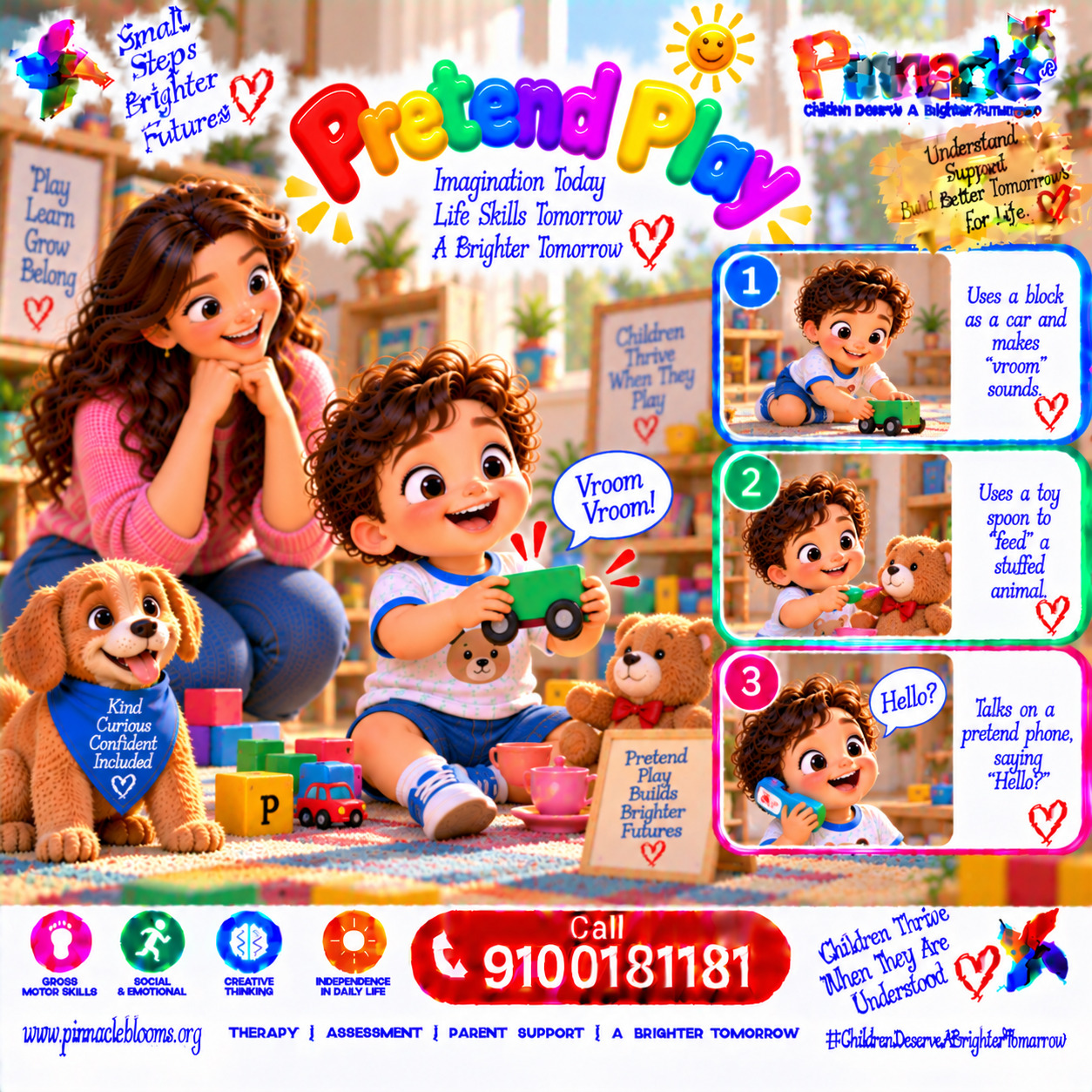
Does the child engage in pretend play activities?
Topic: Pretend Play
Example 1
They pretend a block is a car and make “vroom” sounds.
Example 2
They use a toy spoon to “feed” a stuffed animal.
Example 3
They talk on a pretend phone, saying “Hello?”
Example illustrationQuestion illustration
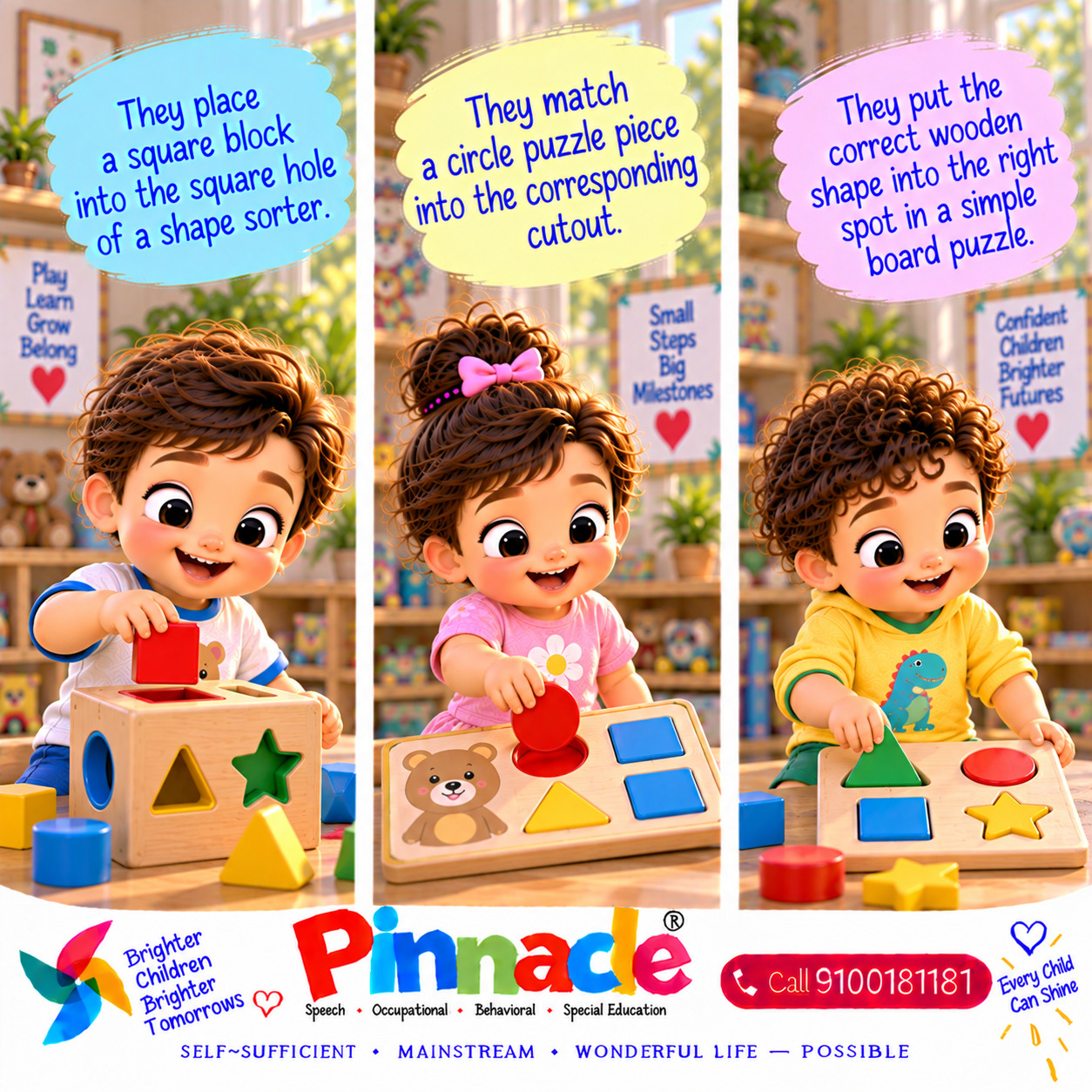
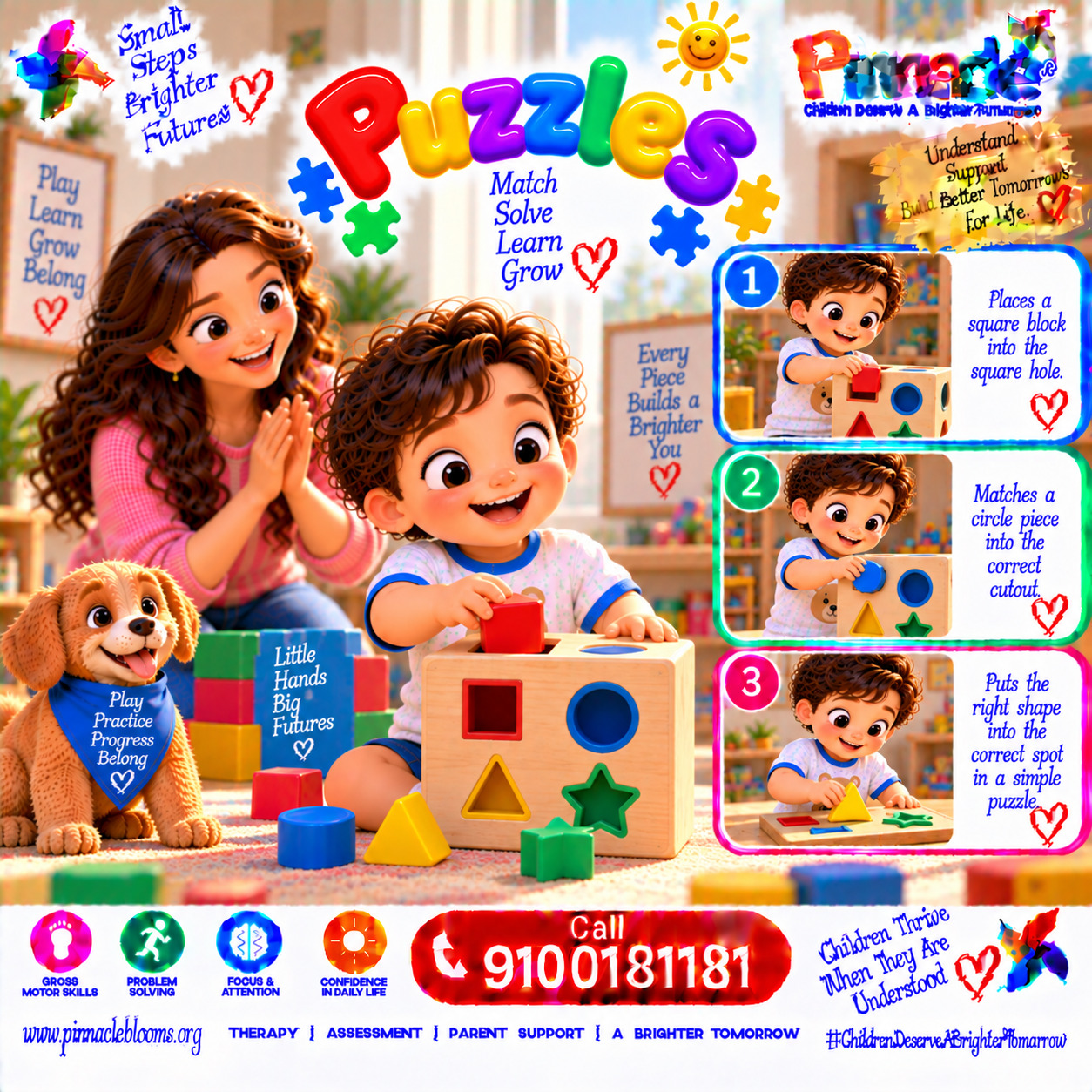
Can the child solve simple puzzles like fitting shapes into the correct holes?
Topic: Puzzles
Example 1
They place a square block into the square hole of a shape sorter.
Example 2
They match a circle puzzle piece into the corresponding cutout.
Example 3
They put the correct wooden shape into the right spot in a simple board puzzle.
Example illustrationQuestion illustration
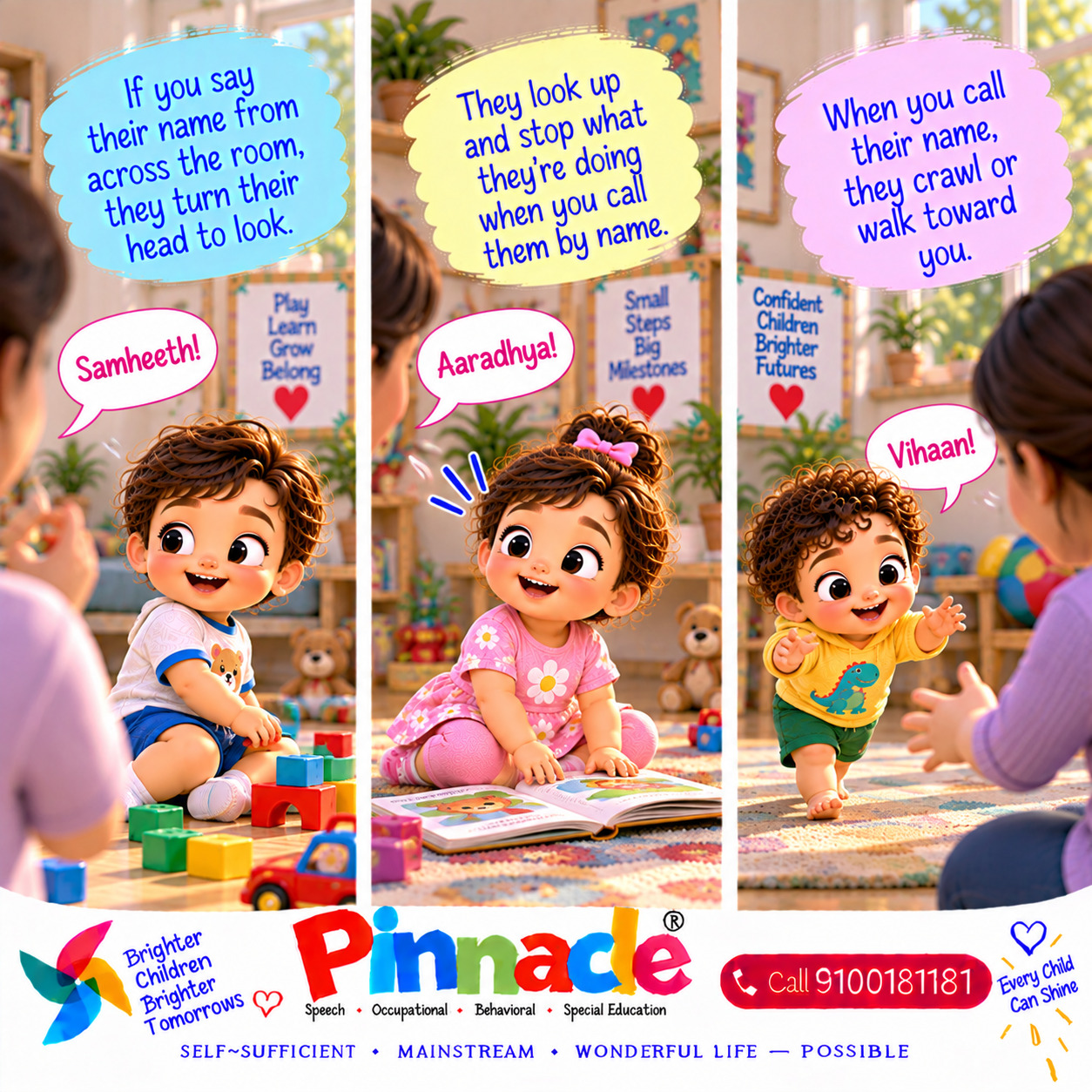
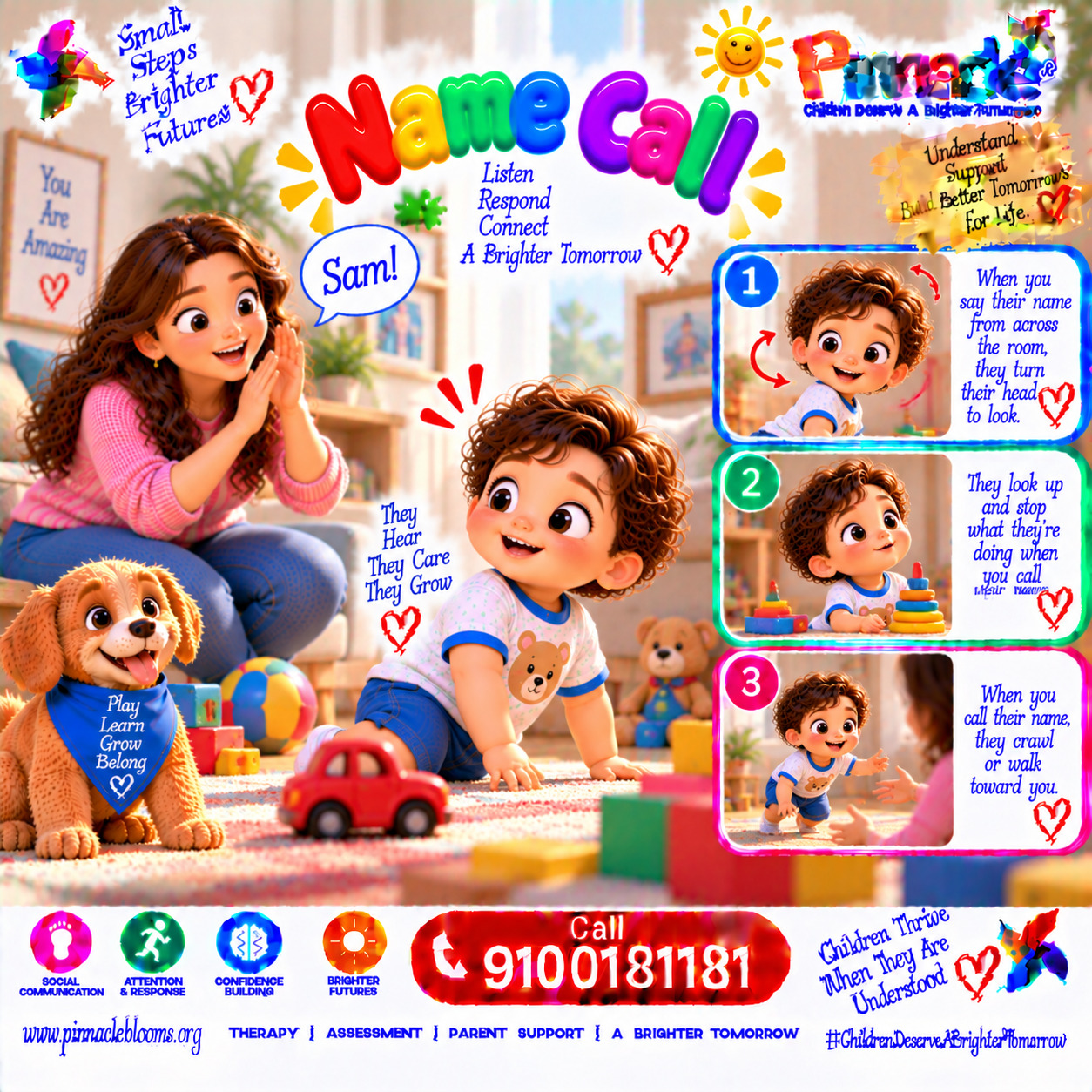
Does the child respond to their name when called?
Topic: Name Call
Example 1
If you say their name from across the room, they turn their head to look.
Example 2
They look up and stop what they’re doing when you call them by name.
Example 3
When you call their name, they crawl or walk toward you.
Example illustrationQuestion illustration
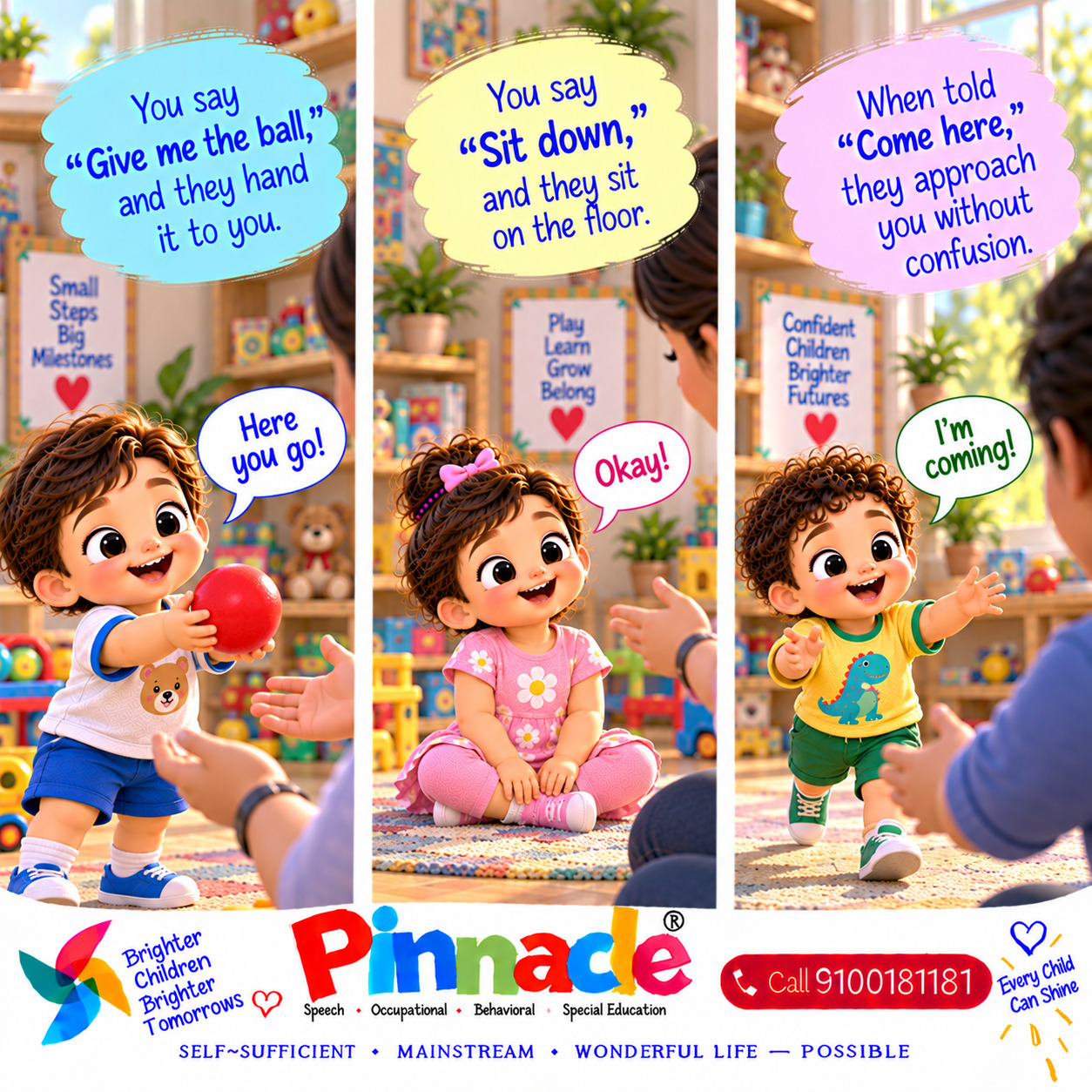
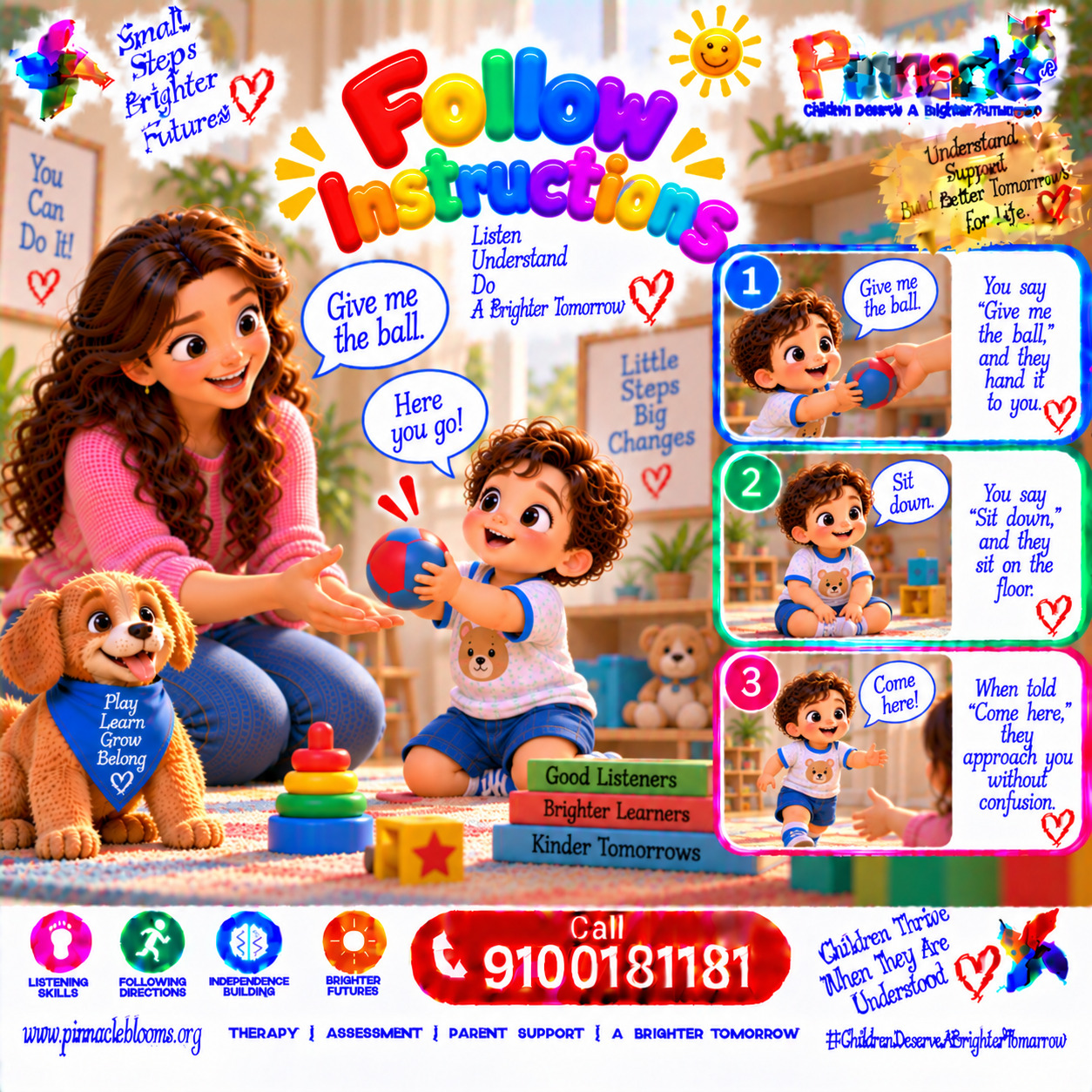
Can the child follow simple one-step directions like 'sit down'?
Topic: Follow Instructions
Example 1
You say “Give me the ball,” and they hand it to you.
Example 2
You say “Sit down,” and they sit on the floor.
Example 3
When told “Come here,” they approach you without confusion.
Example illustrationQuestion illustration
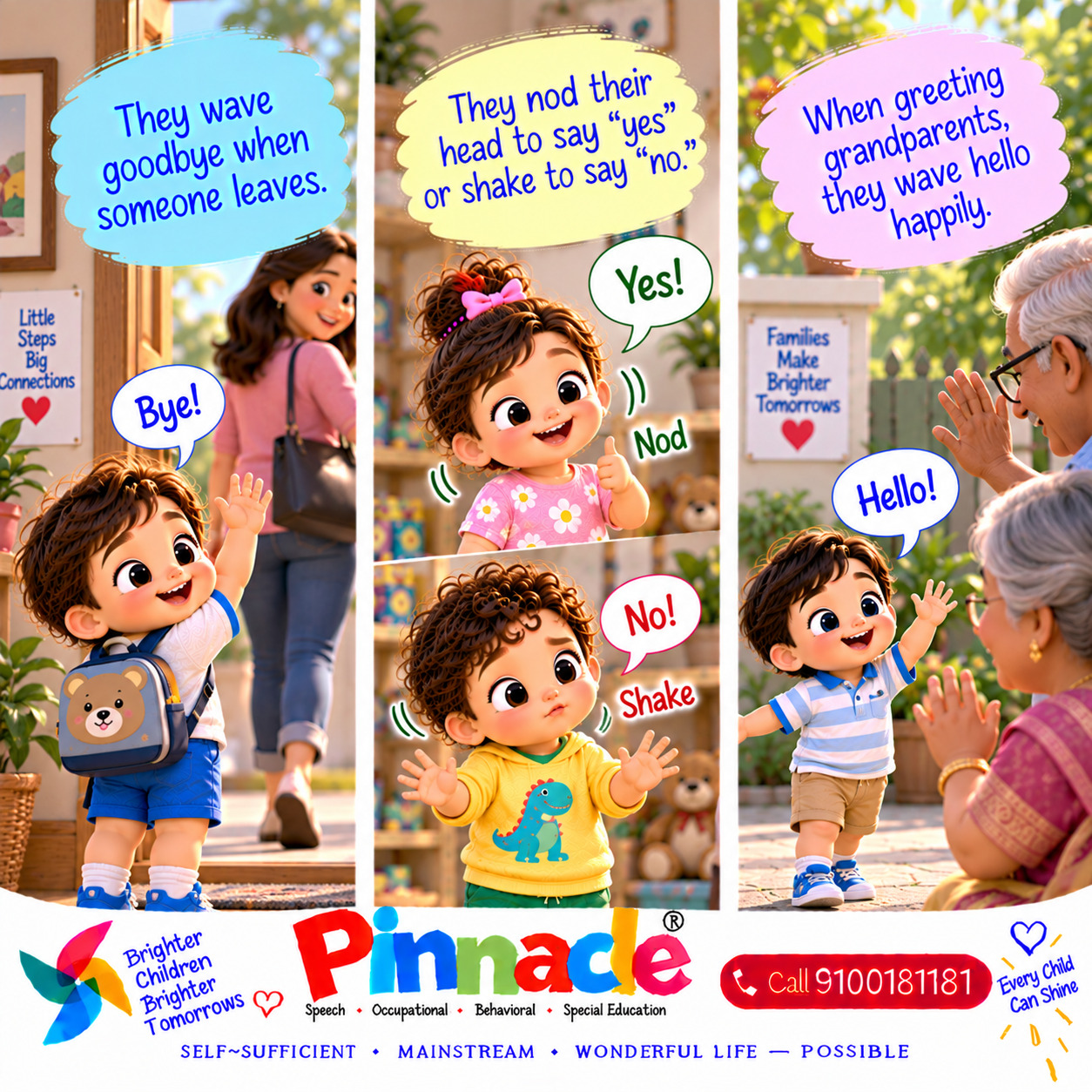
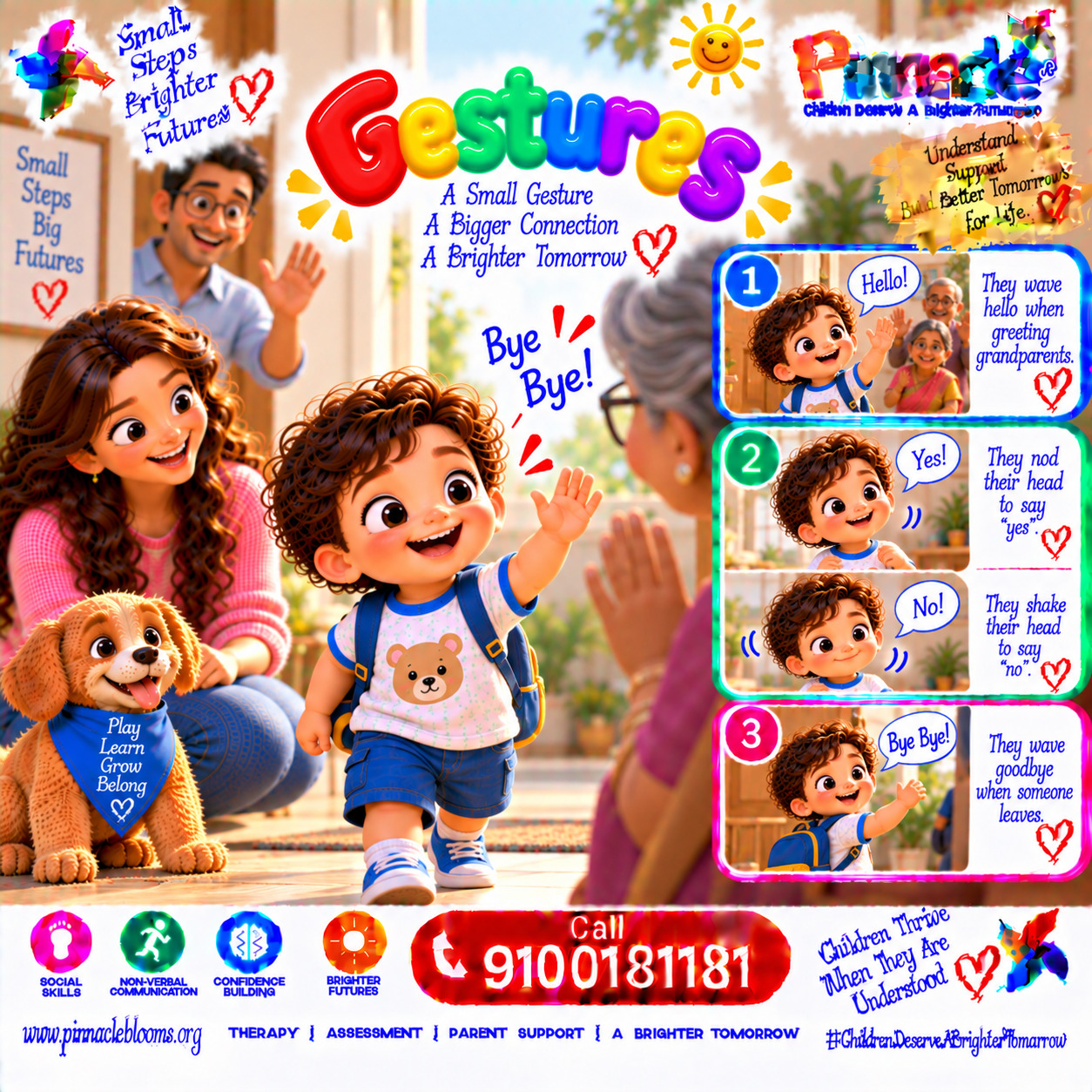
Does the child use gestures such as waving or nodding to communicate?
Topic: Gestures
Example 1
They wave goodbye when someone leaves.
Example 2
They nod their head to say “yes” or shake to say “no.”
Example 3
When greeting grandparents, they wave hello happily.
Example illustrationQuestion illustration
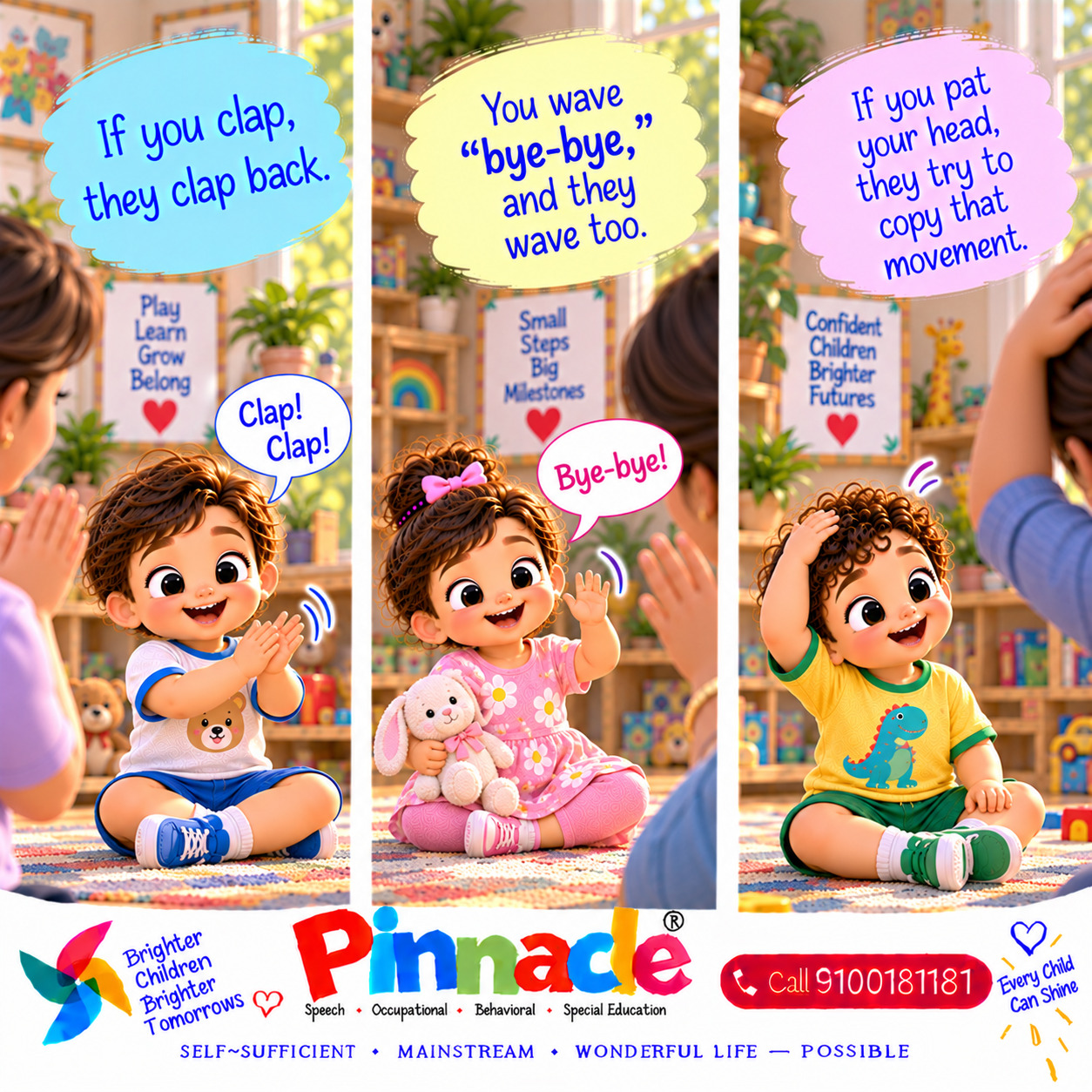
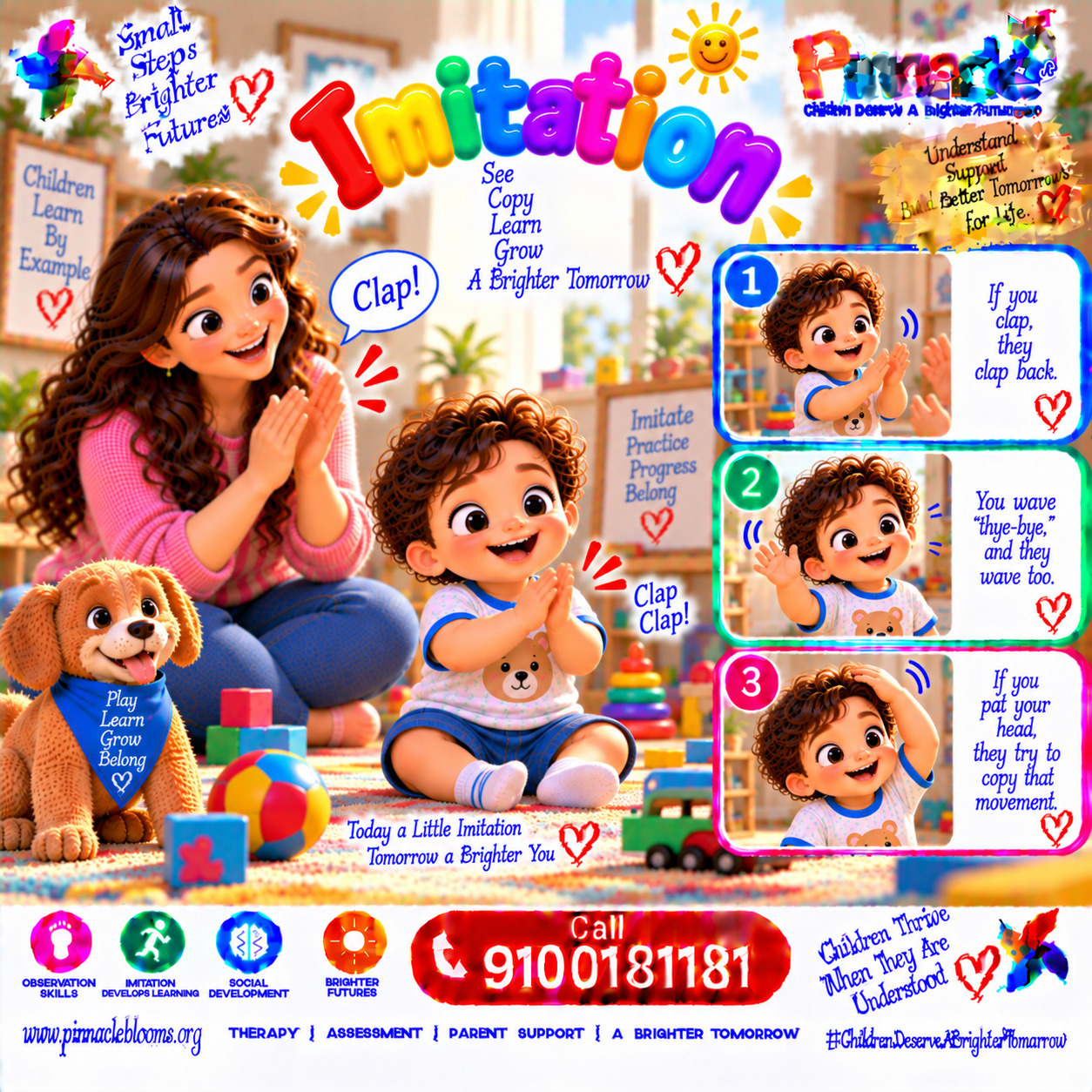
Does the child imitate actions like clapping or waving?
Topic: Imitation
Example 1
If you clap, they clap back.
Example 2
You wave “bye-bye,” and they wave too.
Example 3
If you pat your head, they try to copy that movement.
Example illustrationQuestion illustration
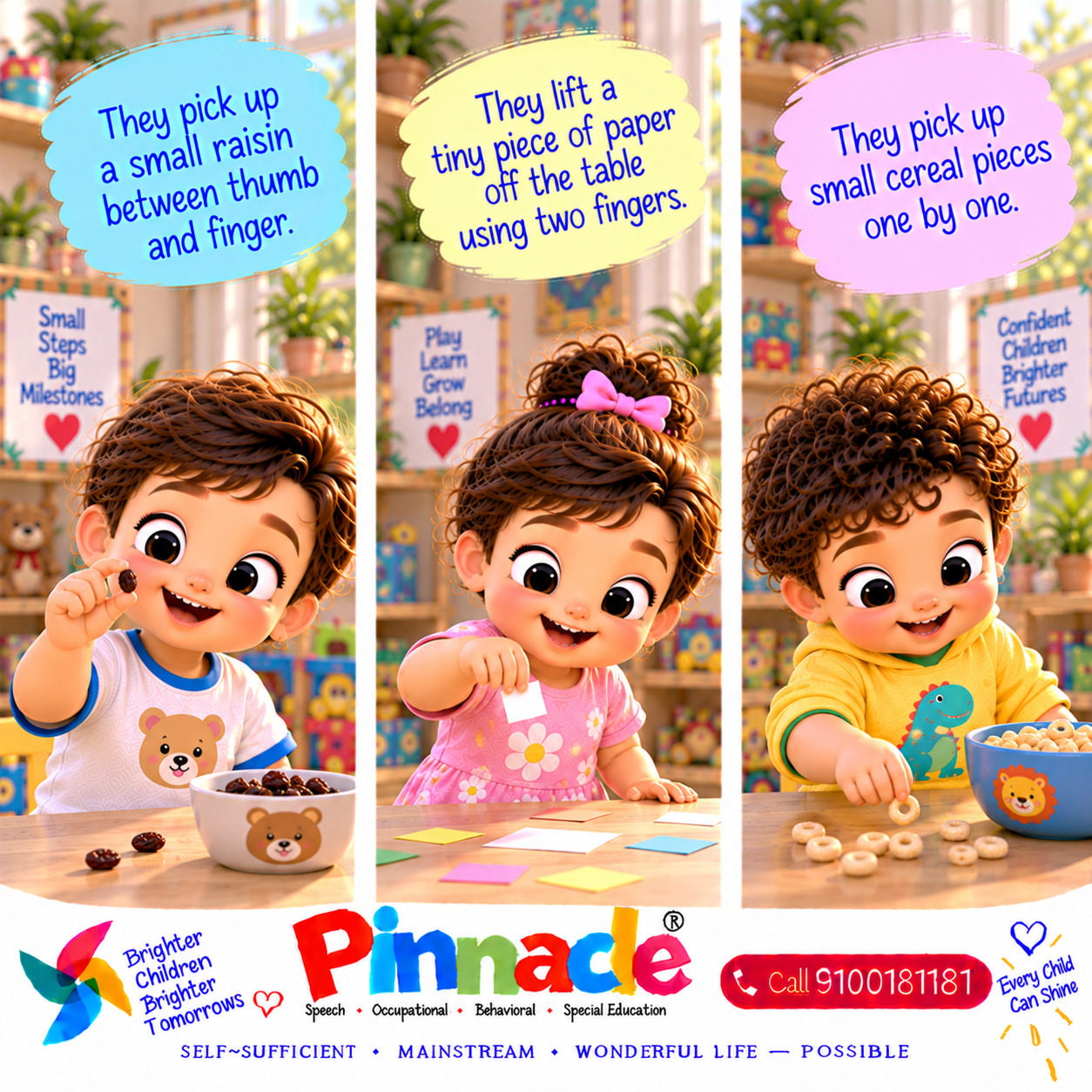
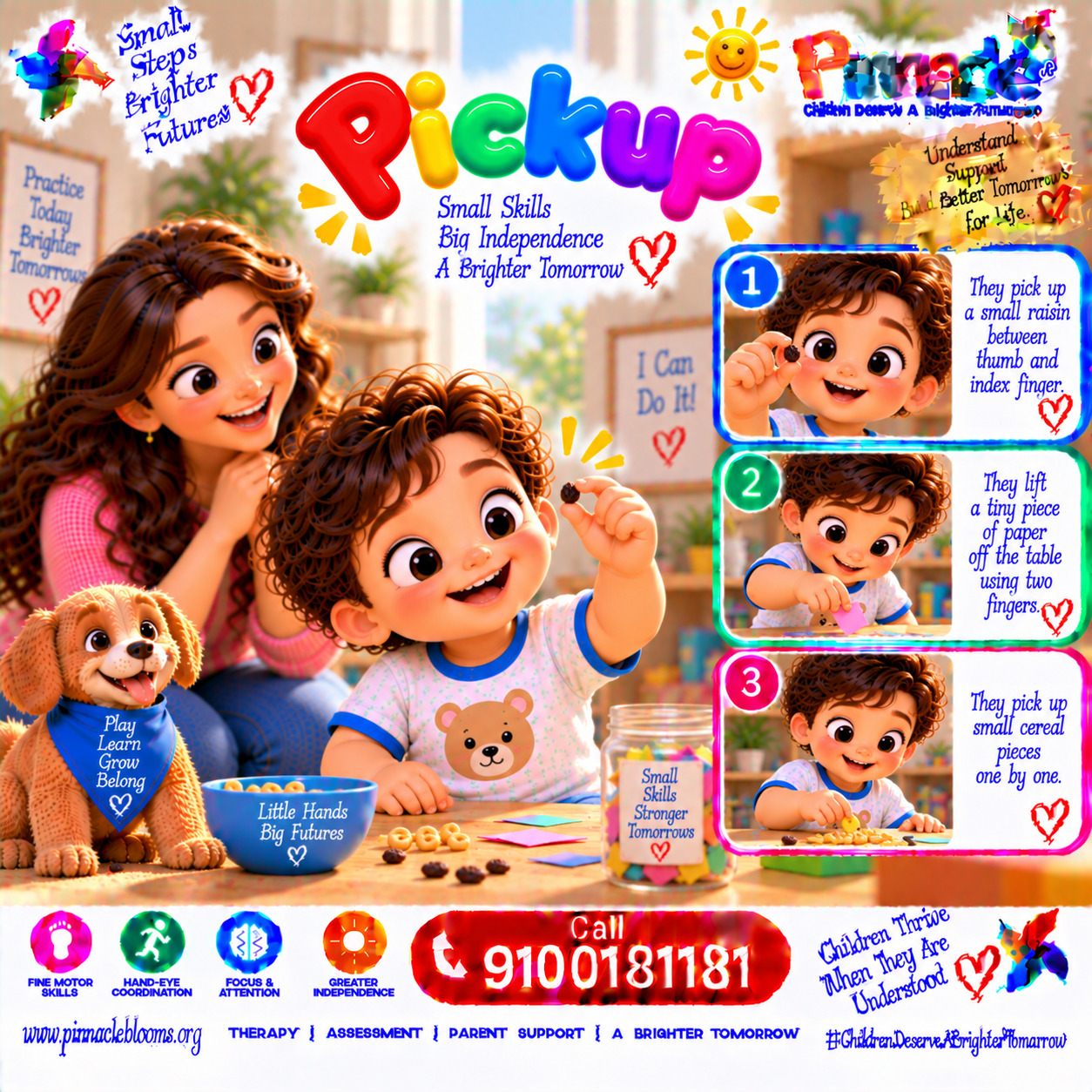
Can the child pick up small objects using a pincer grasp (thumb and index finger)?
Topic: Pickup
Example 1
They pick up a small raisin between thumb and finger.
Example 2
They lift a tiny piece of paper off the table using two fingers.
Example 3
They pick up small cereal pieces one by one.
Example illustrationQuestion illustration
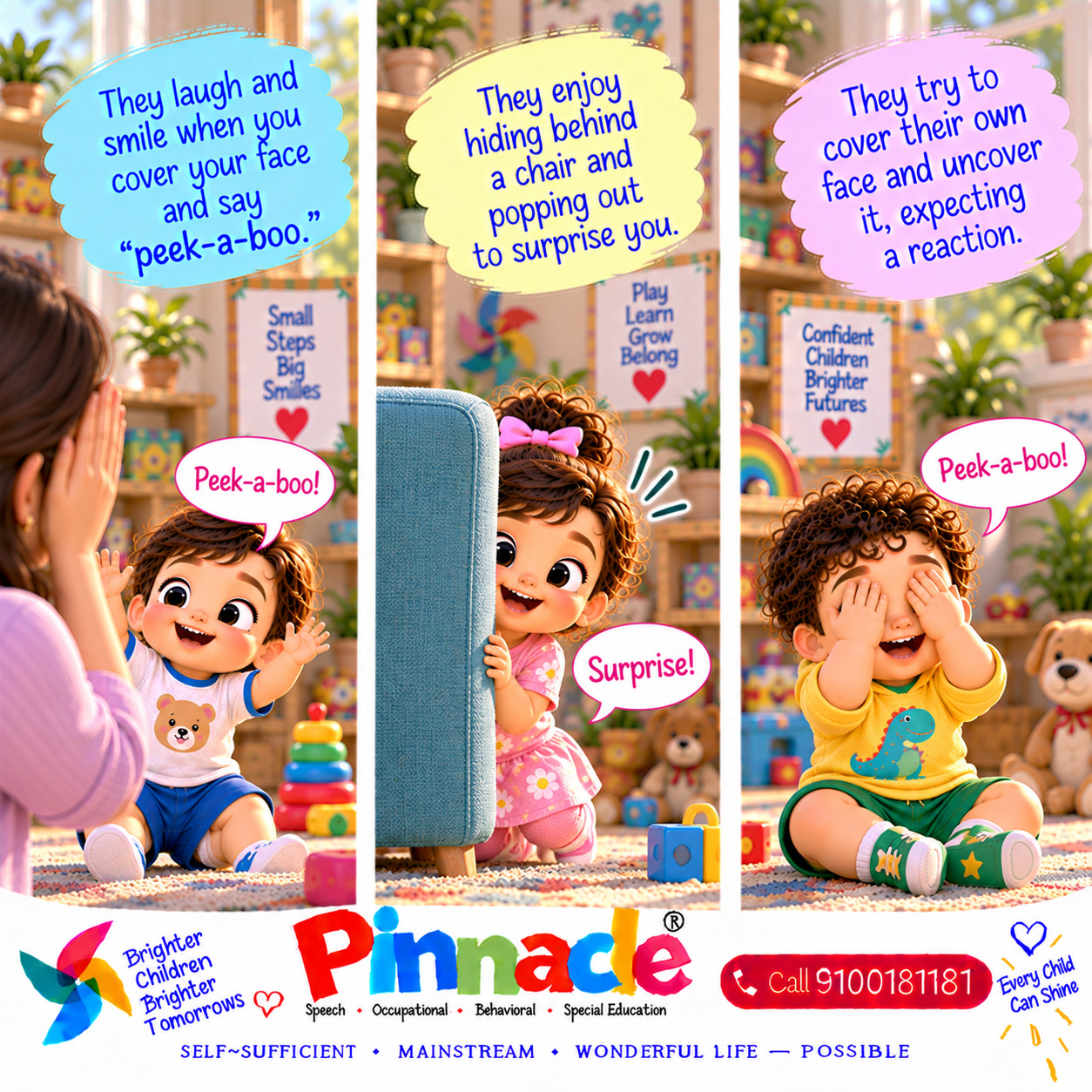
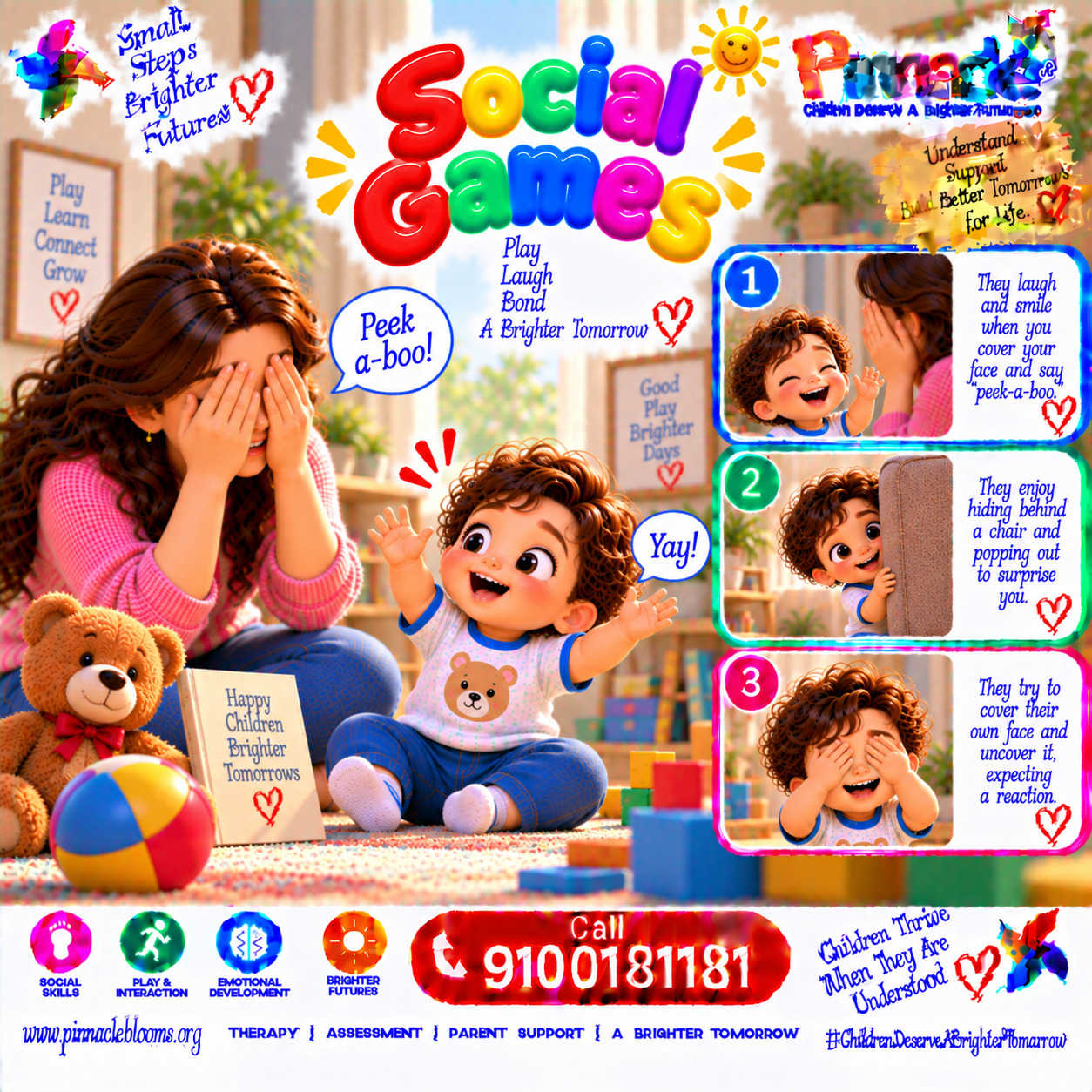
Does the child show interest in playing peek-a-boo or hide-and-seek?
Topic: Social Games
Example 1
They laugh and smile when you cover your face and say “peek-a-boo.”
Example 2
They enjoy hiding behind a chair and popping out to surprise you.
Example 3
They try to cover their own face and uncover it, expecting a reaction.
Example illustrationQuestion illustration
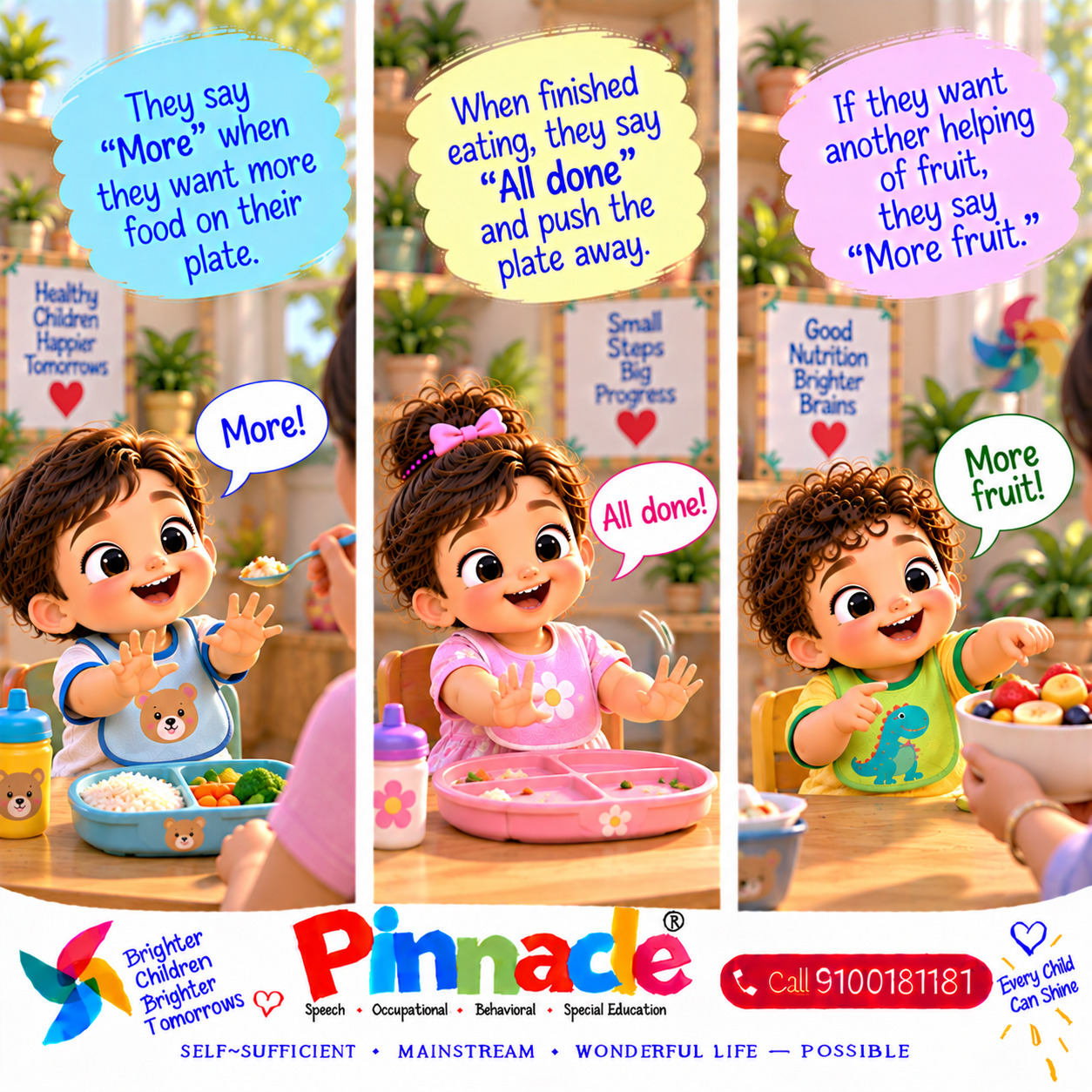
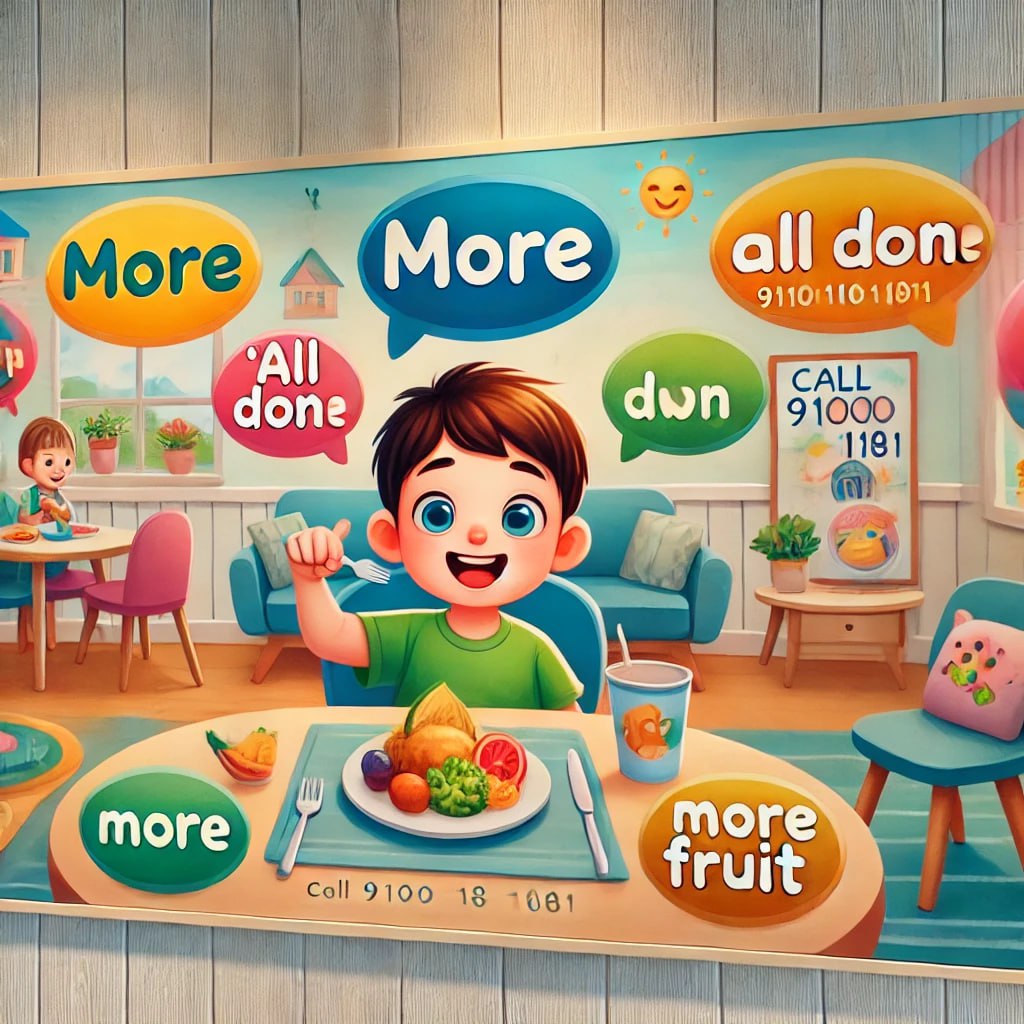
Can the child use words like 'more' or 'all done' appropriately during mealtime?
Topic: Action Words
Example 1
They say “More” when they want more food on their plate.
Example 2
When finished eating, they say “All done” and push the plate away.
Example 3
If they want another helping of fruit, they say “More fruit.”
Example illustrationQuestion illustration
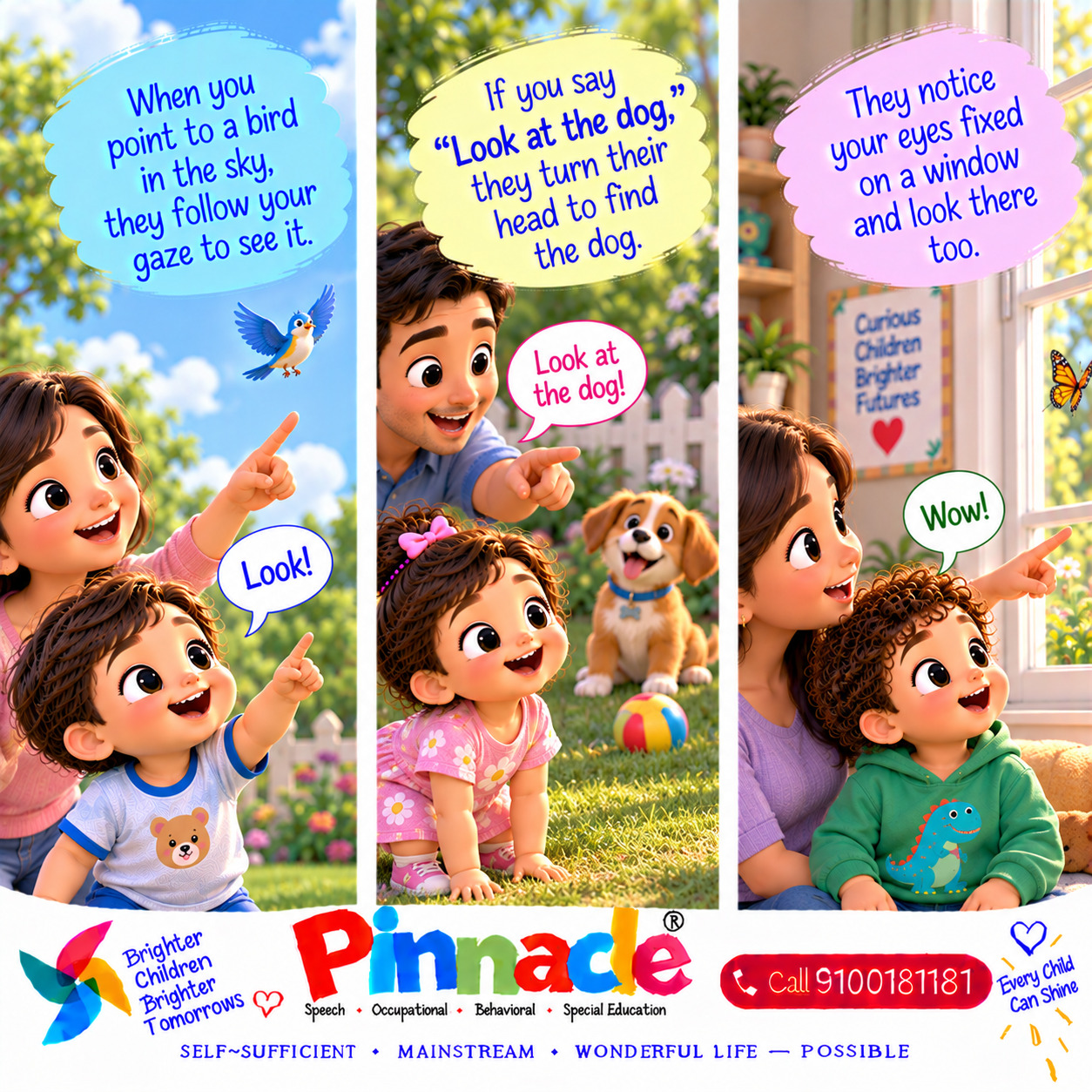
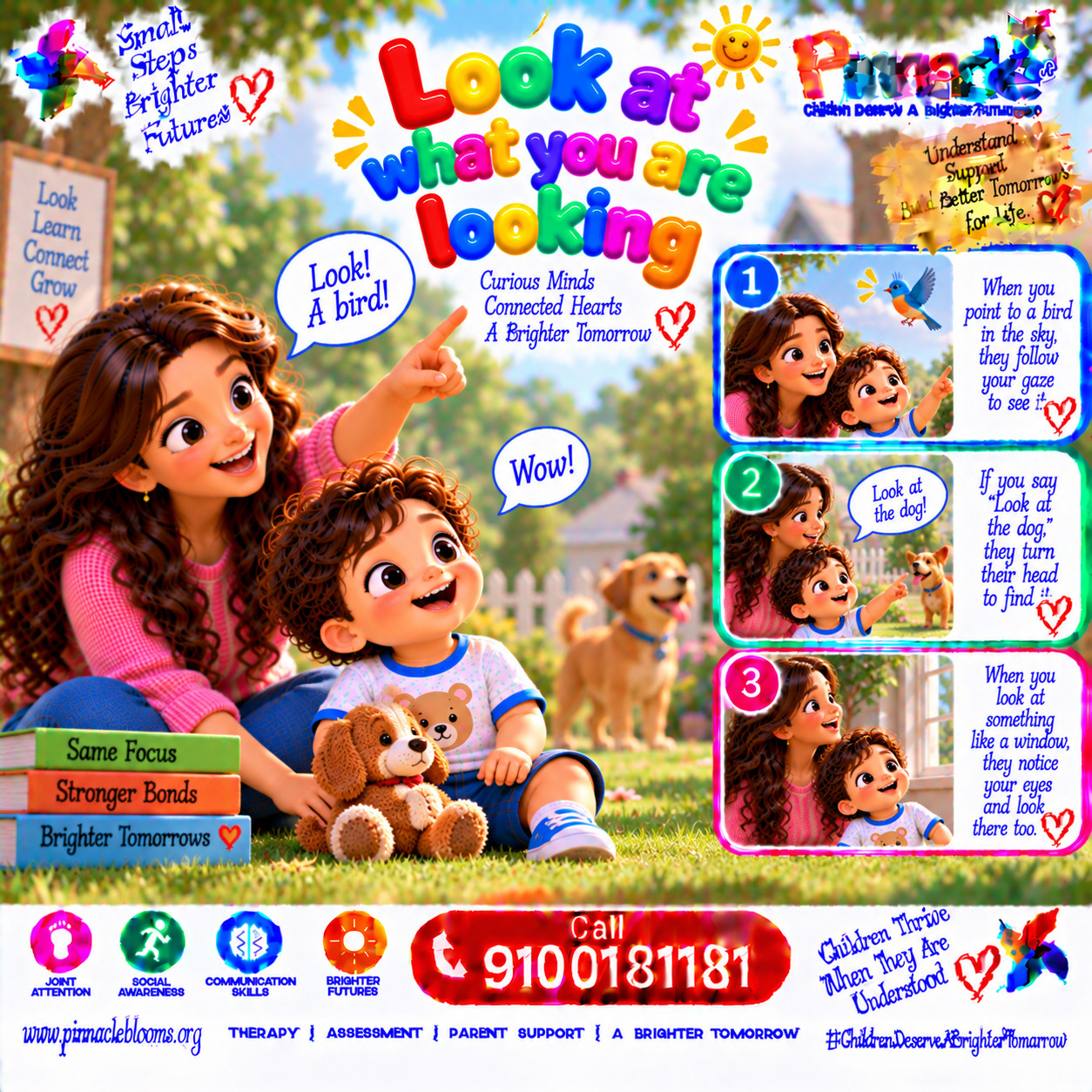
Does the child look at things that you are looking at?
Topic: Look at what you are looking
Example 1
When you point to a bird in the sky, they follow your gaze to see it.
Example 2
If you say “Look at the dog,” they turn their head to find the dog.
Example 3
They notice your eyes fixed on a window and look there too.
Example illustrationQuestion illustration
Can the child stack at least three blocks?
Topic: Stack
Example 1
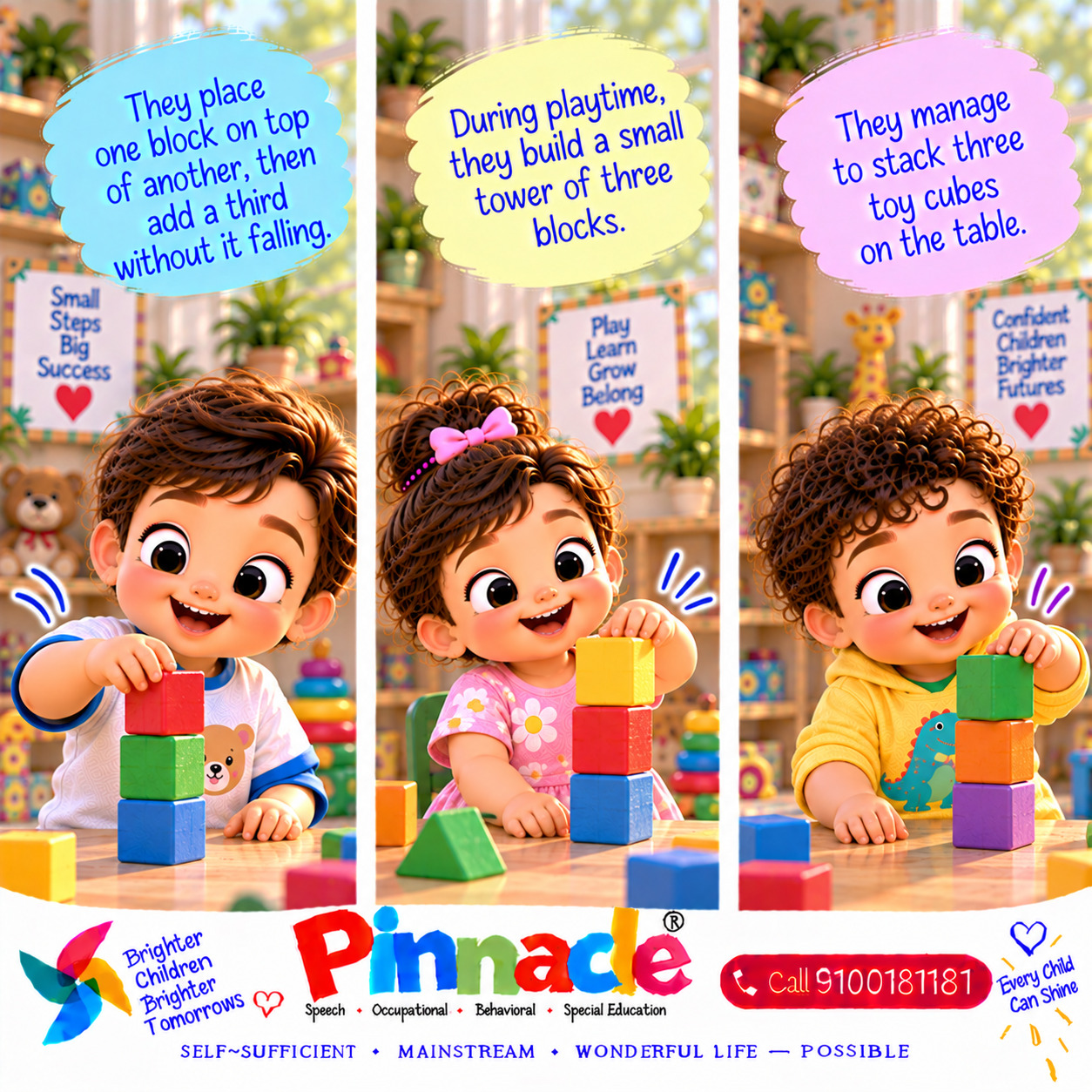
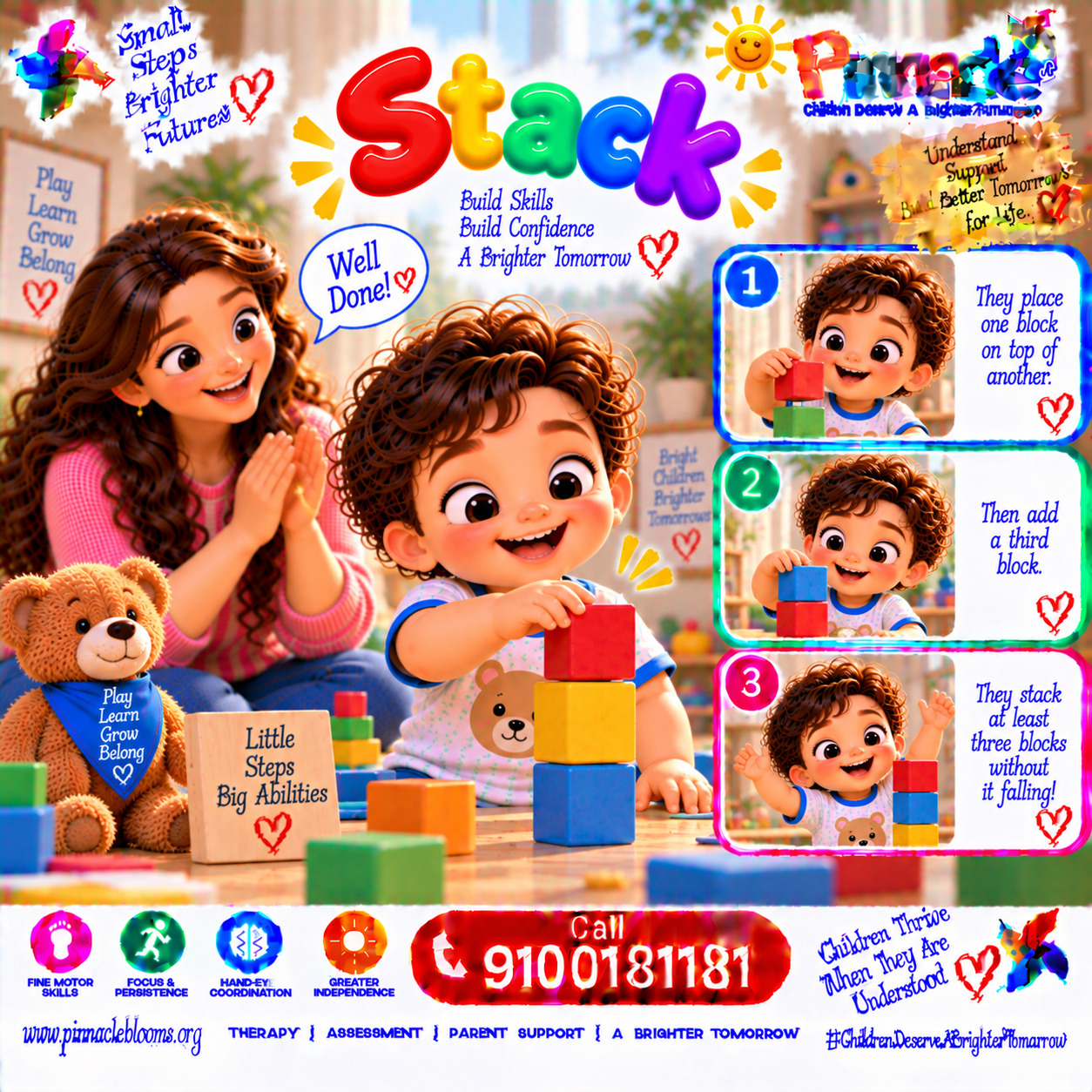
They place one block on top of another, then add a third without it falling.
Example 2
During playtime, they build a small tower of three blocks.
Example 3
They manage to stack three toy cubes on the table.
Example illustrationQuestion illustration
Does the child show understanding of basic emotions (e.g., happy, sad)?
Topic: Emotions
Example 1
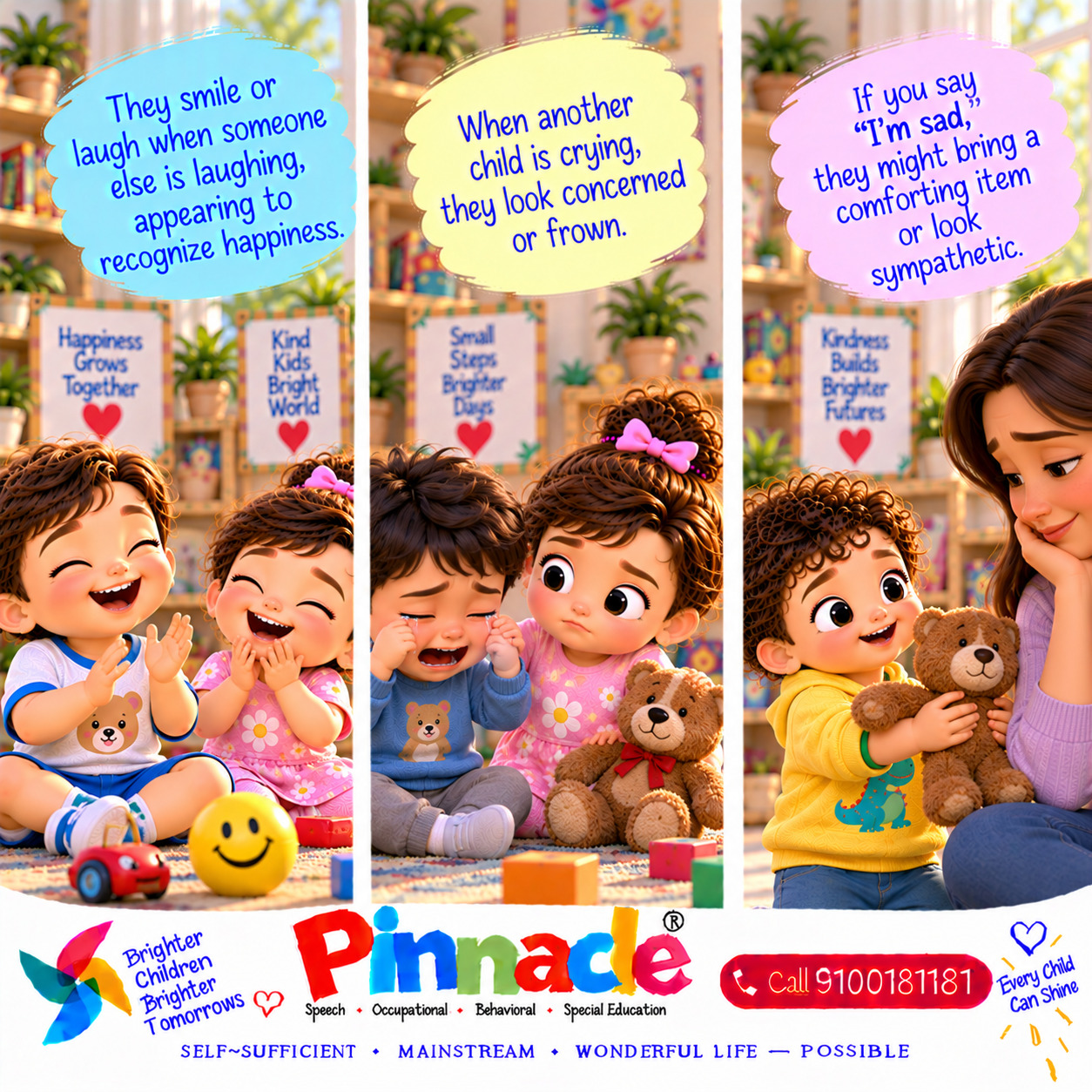
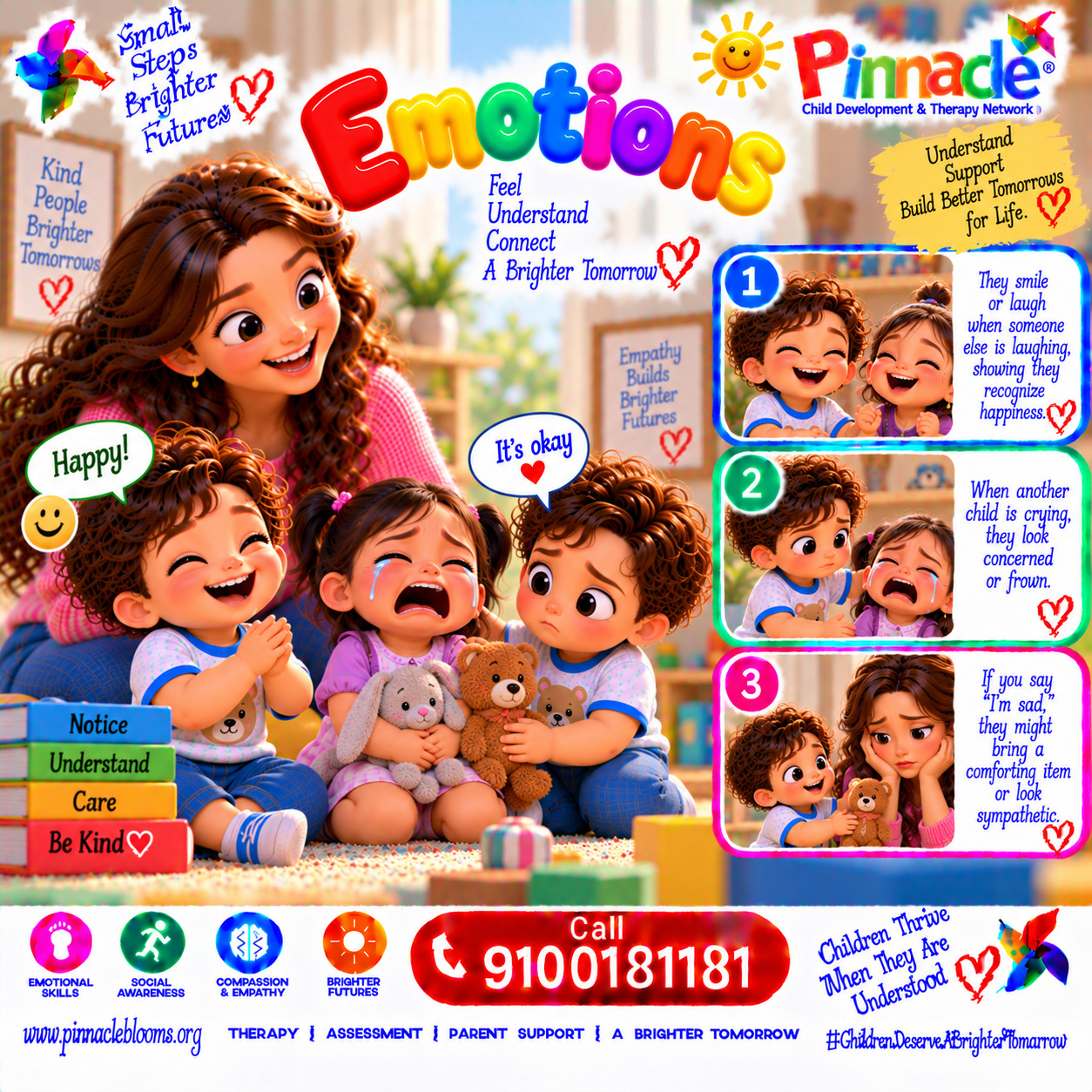
They smile or laugh when someone else is laughing, appearing to recognize happiness.
Example 2
When another child is crying, they look concerned or frown.
Example 3
If you say “I’m sad,” they might bring a comforting item or look sympathetic.
Example illustrationQuestion illustration
Can the child take turns in a simple game?
Topic: Wait
Example 1
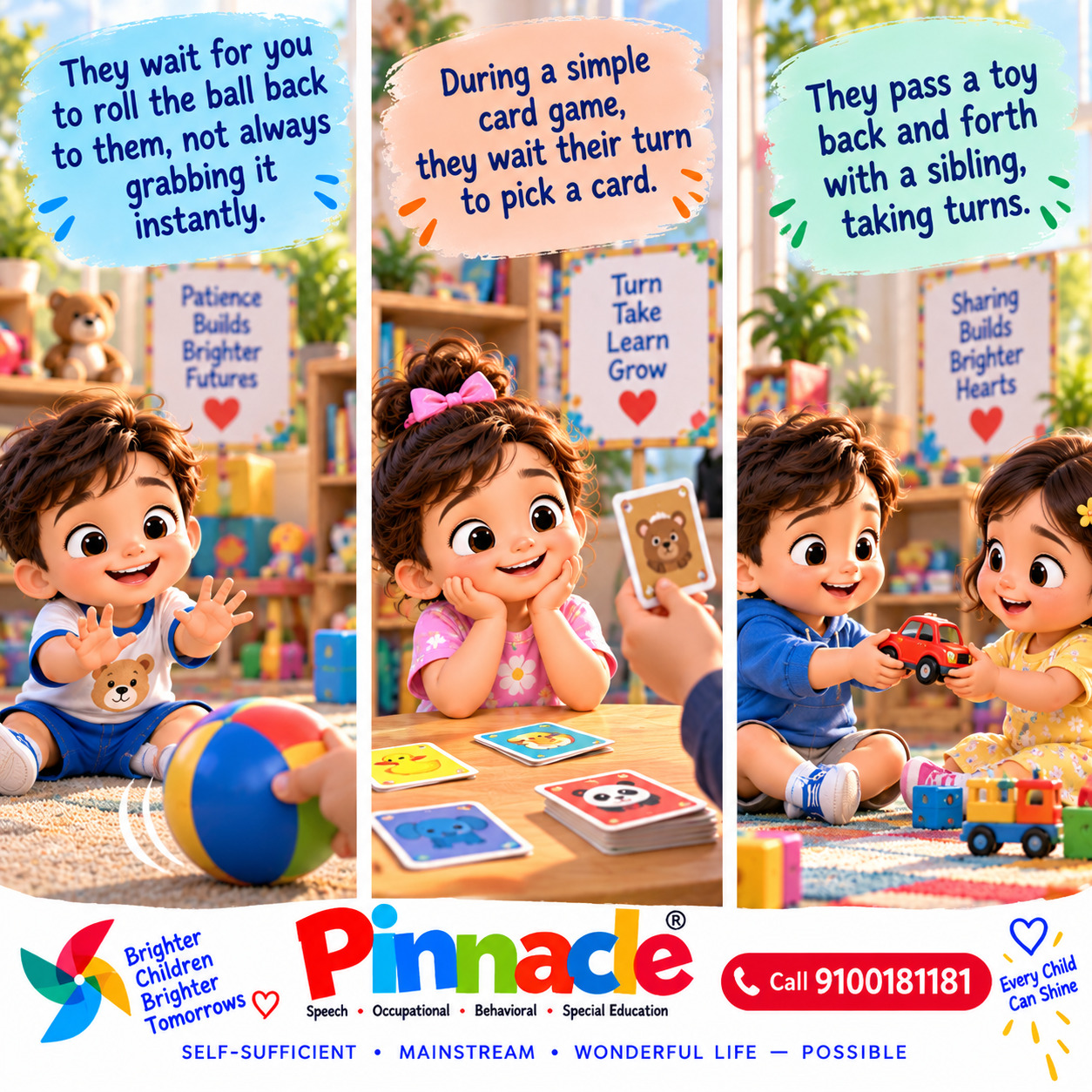
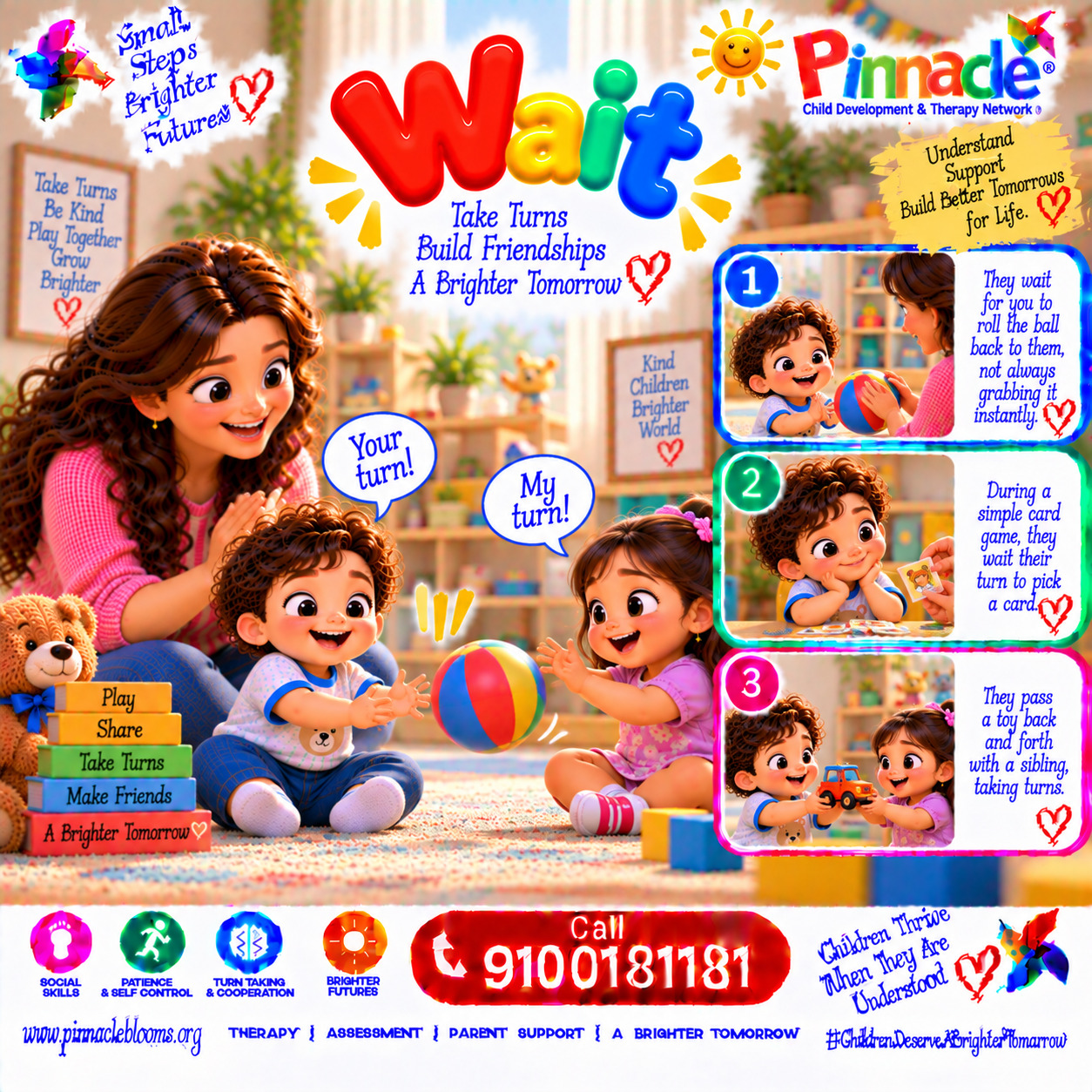
They wait for you to roll the ball back to them, not always grabbing it instantly.
Example 2
During a simple card game, they wait their turn to pick a card.
Example 3
They pass a toy back and forth with a sibling, taking turns.
Example illustrationQuestion illustration
Does the child use a spoon to feed themselves without spilling much?
Topic: Feeding
Example 1
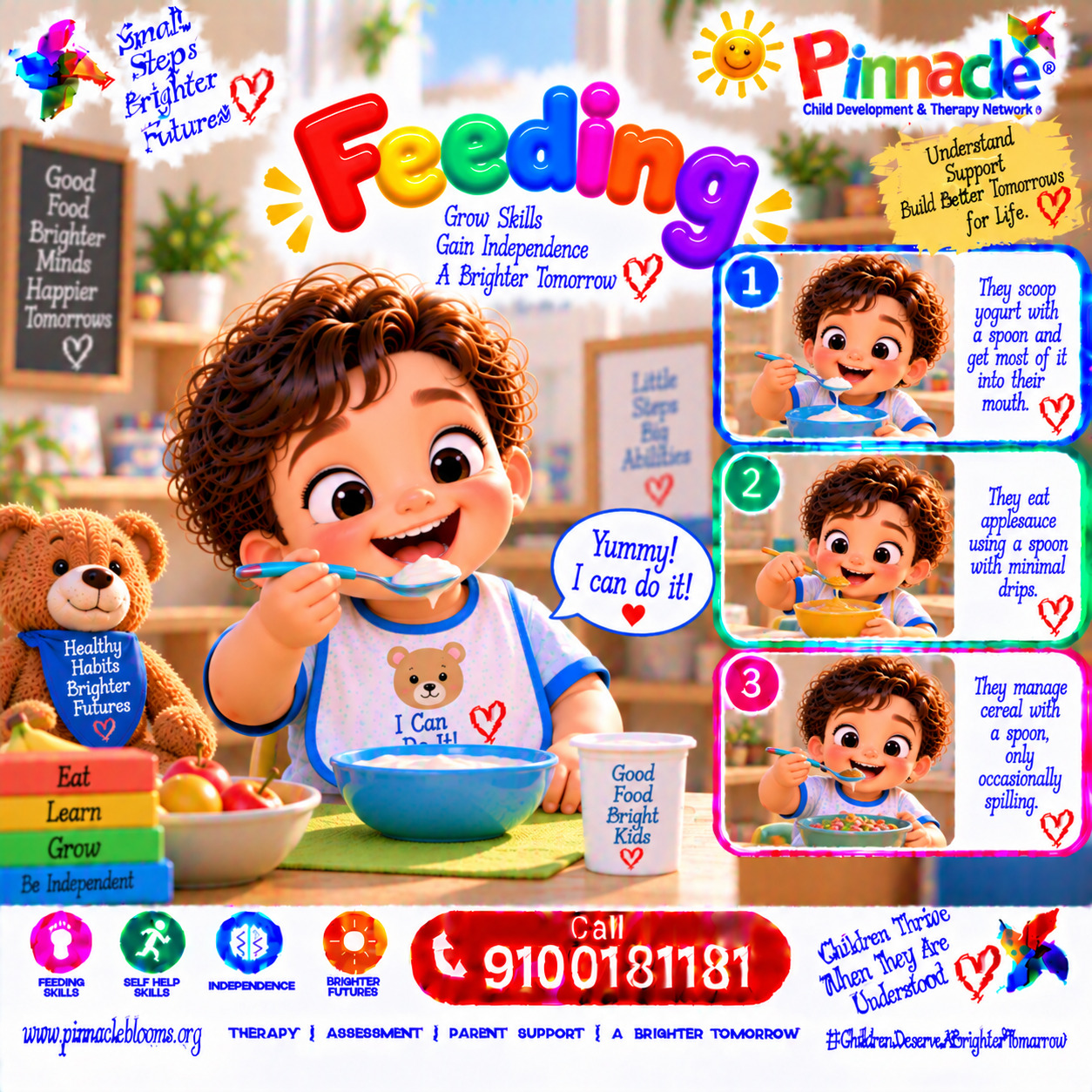
They scoop yogurt with a spoon and get most of it into their mouth.
Example 2
They eat applesauce using a spoon with minimal drips.
Example 3
They manage cereal with a spoon, only occasionally spilling.
Example illustrationQuestion illustration
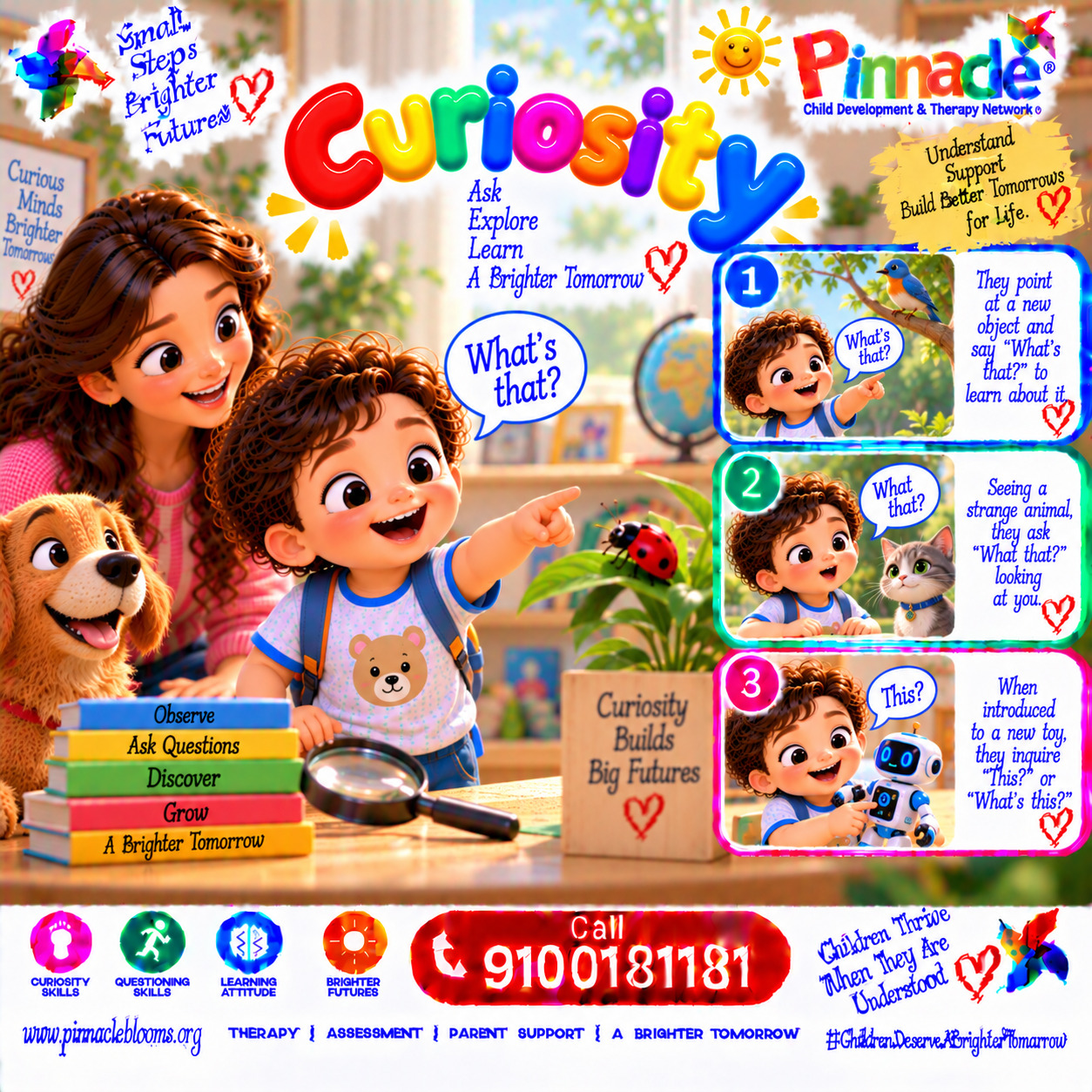
Does the child show curiosity by asking questions like what's that?
Topic: Curiosity
Example 1
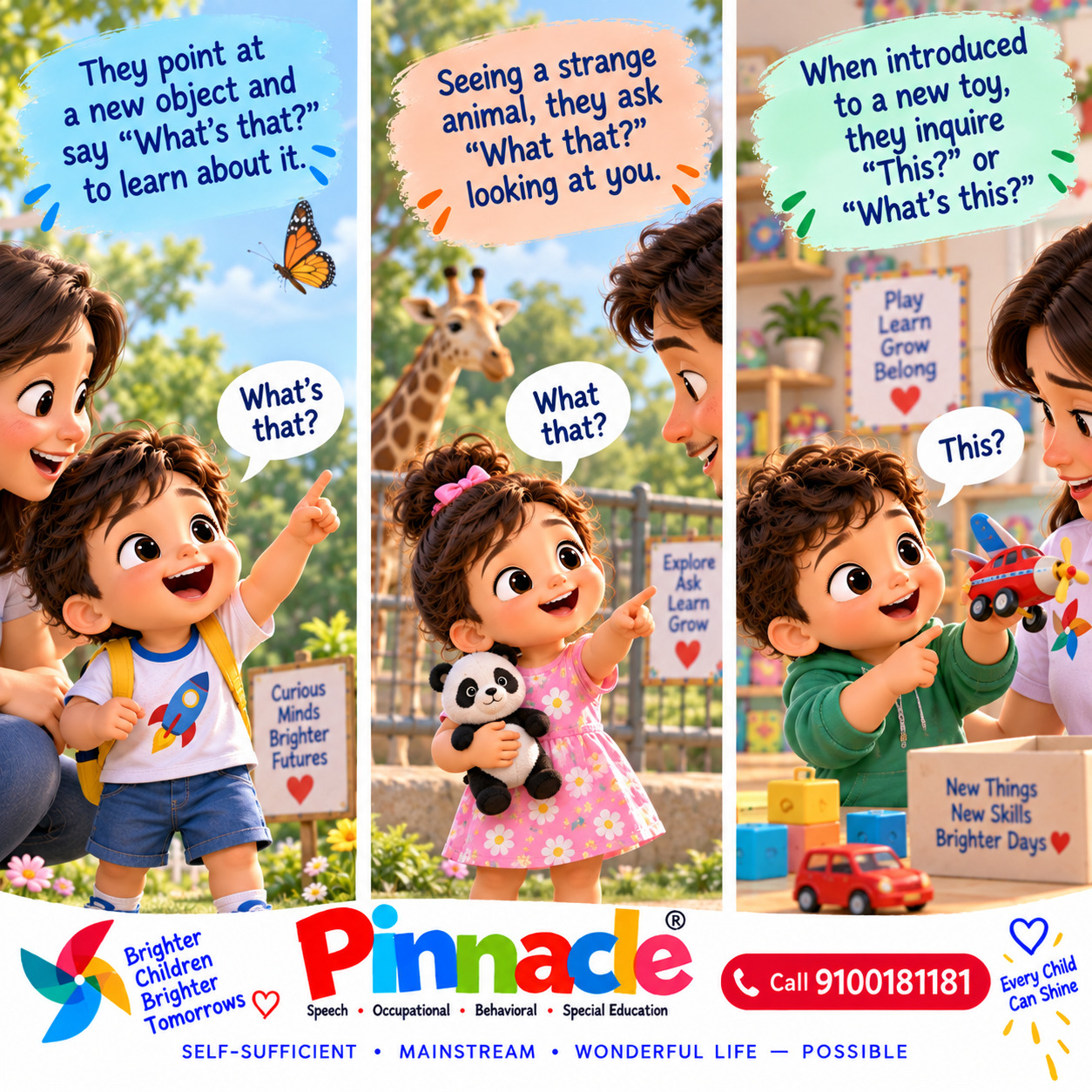
They point at a new object and say “What’s that?” to learn about it.
Example 2
Seeing a strange animal, they ask “What that?” looking at you.
Example 3
When introduced to a new toy, they inquire “This?” or “What’s this?”
Example illustrationQuestion illustration
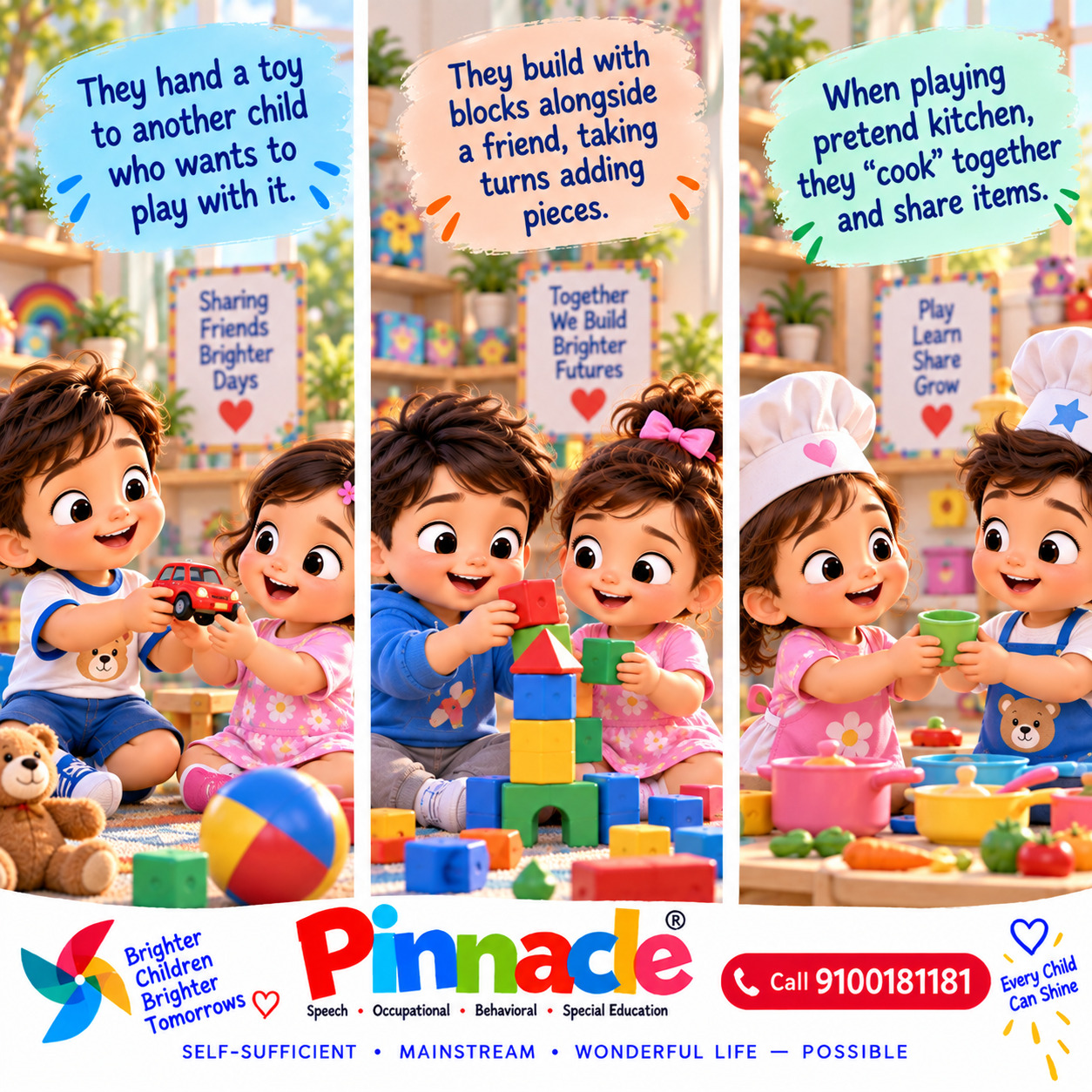
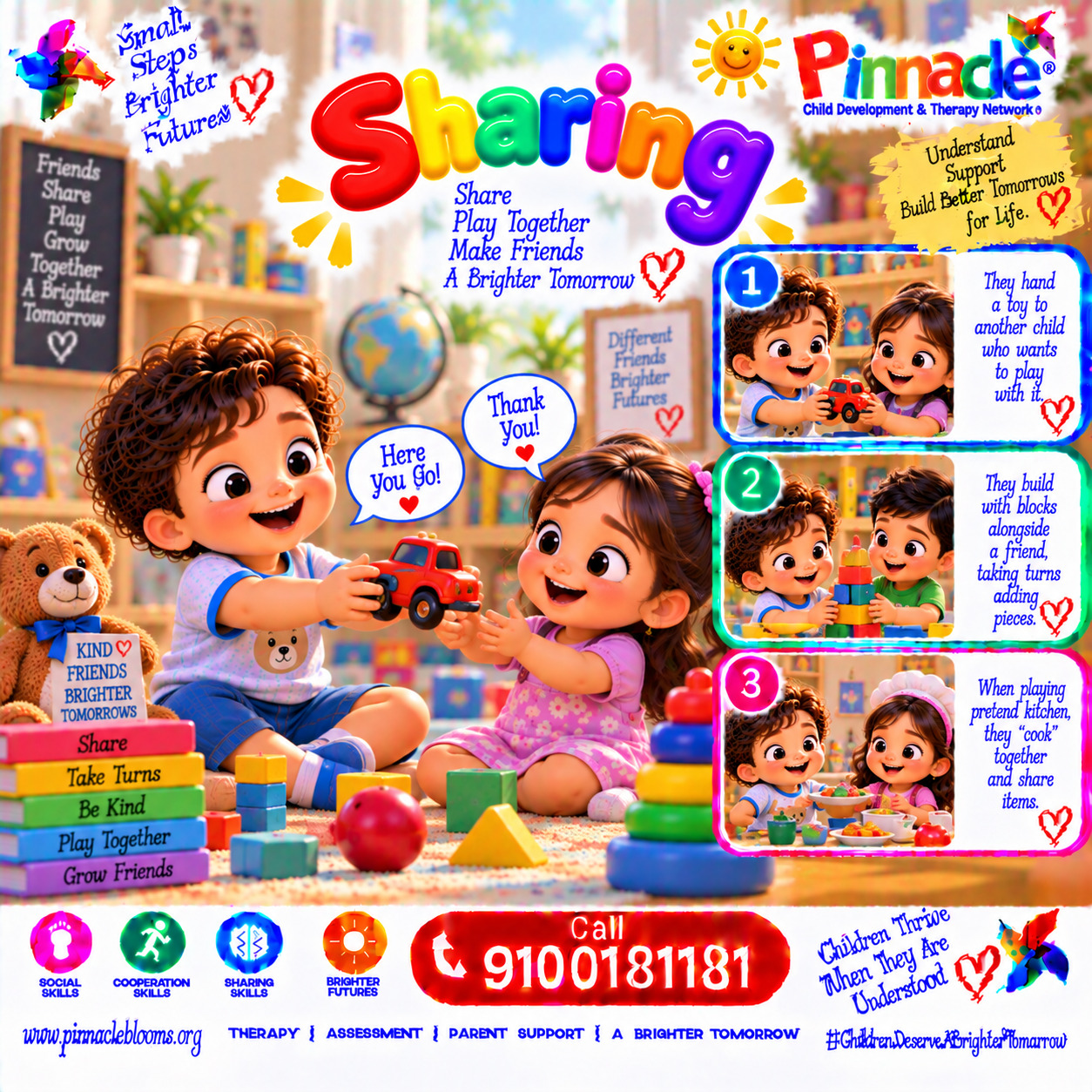
Does the child play cooperatively with other children, such as sharing toys?
Topic: Sharing
Example 1
They hand a toy to another child who wants to play with it.
Example 2
They build with blocks alongside a friend, taking turns adding pieces.
Example 3
When playing pretend kitchen, they “cook” together and share items.
Example illustrationQuestion illustration
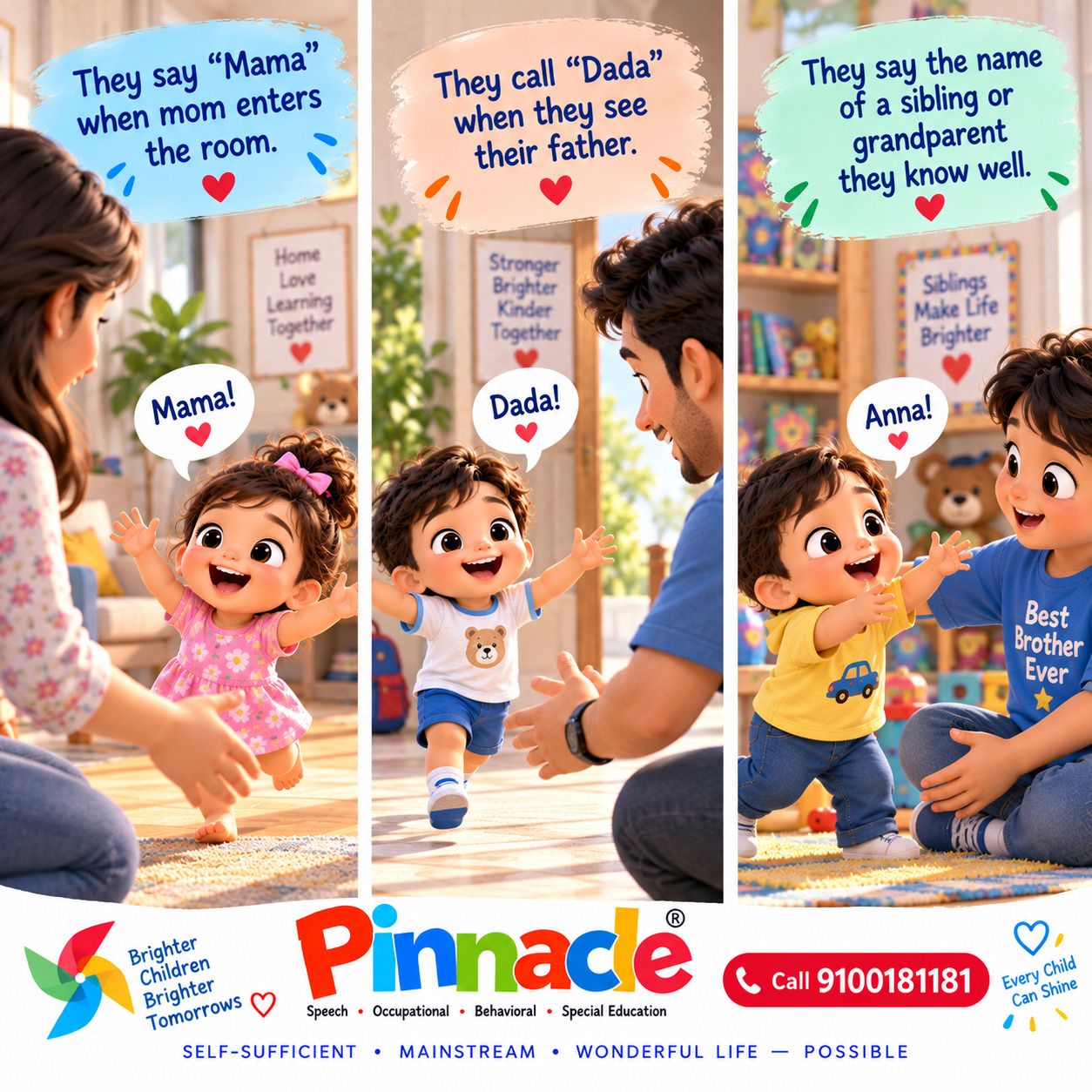
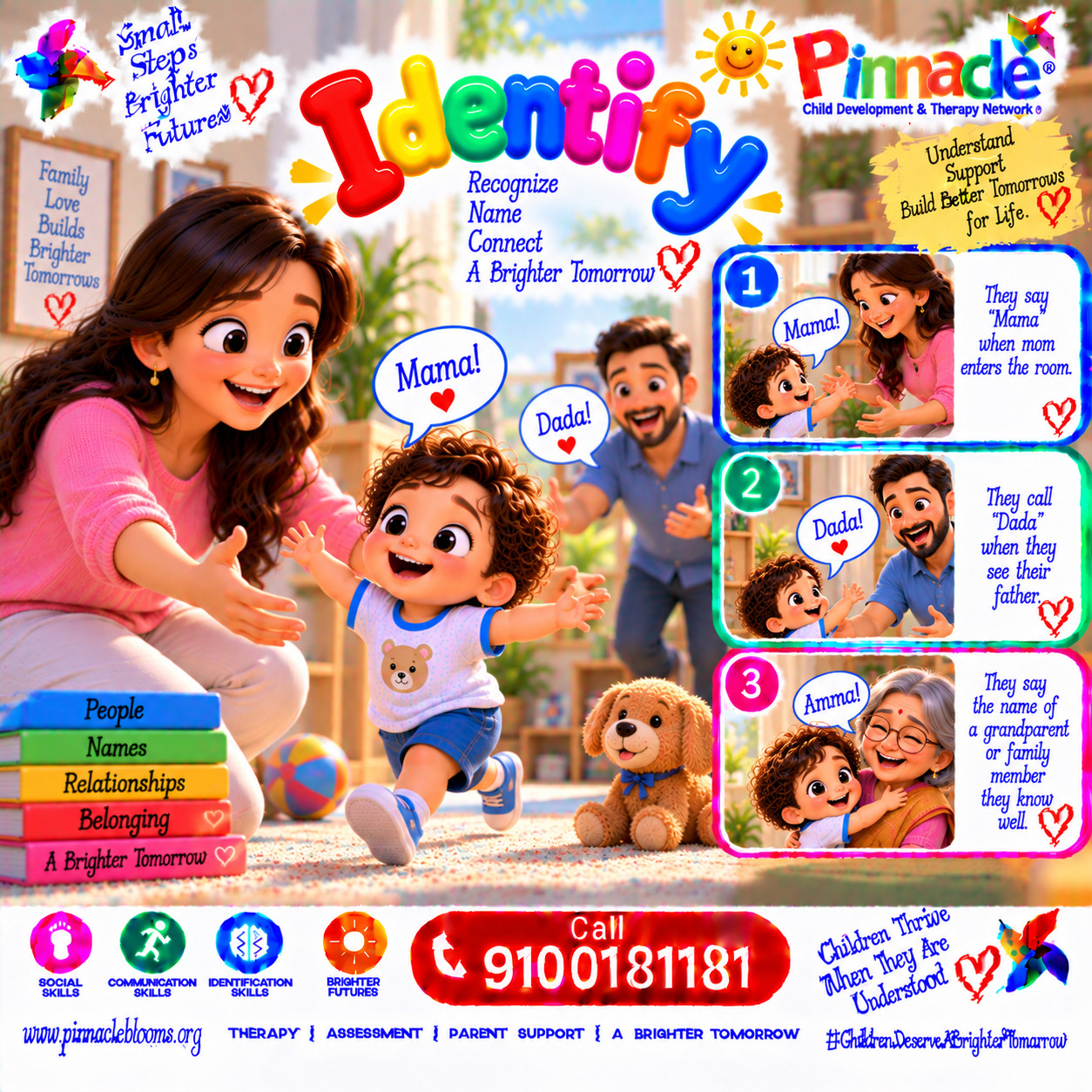
Can the child name familiar people, like 'mama' or 'dada'?
Topic: Identify
Example 1
They say “Mama” when mom enters the room.
Example 2
They call “Dada” when they see their father.
Example 3
They say the name of a sibling or grandparent they know well.
Example illustrationQuestion illustration
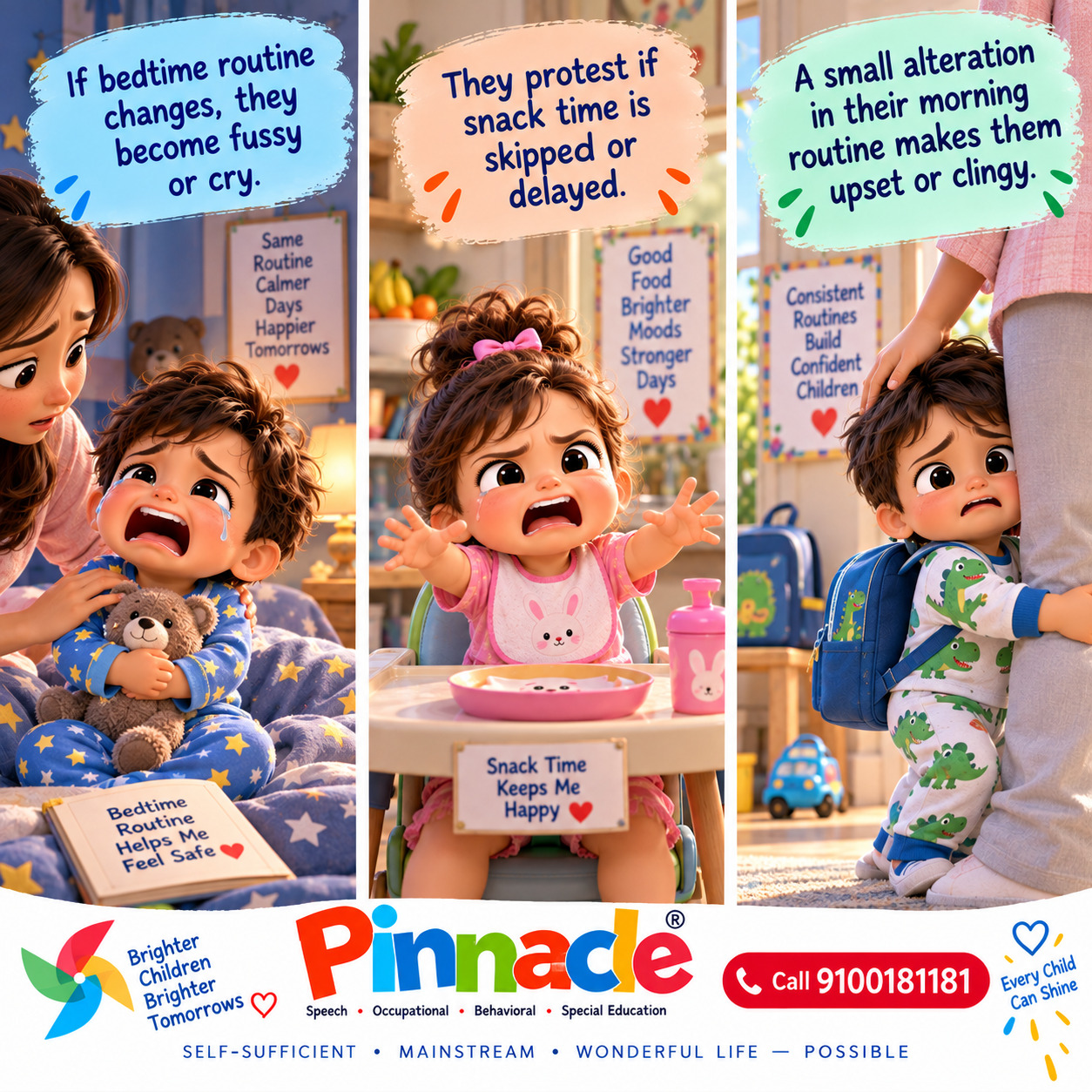
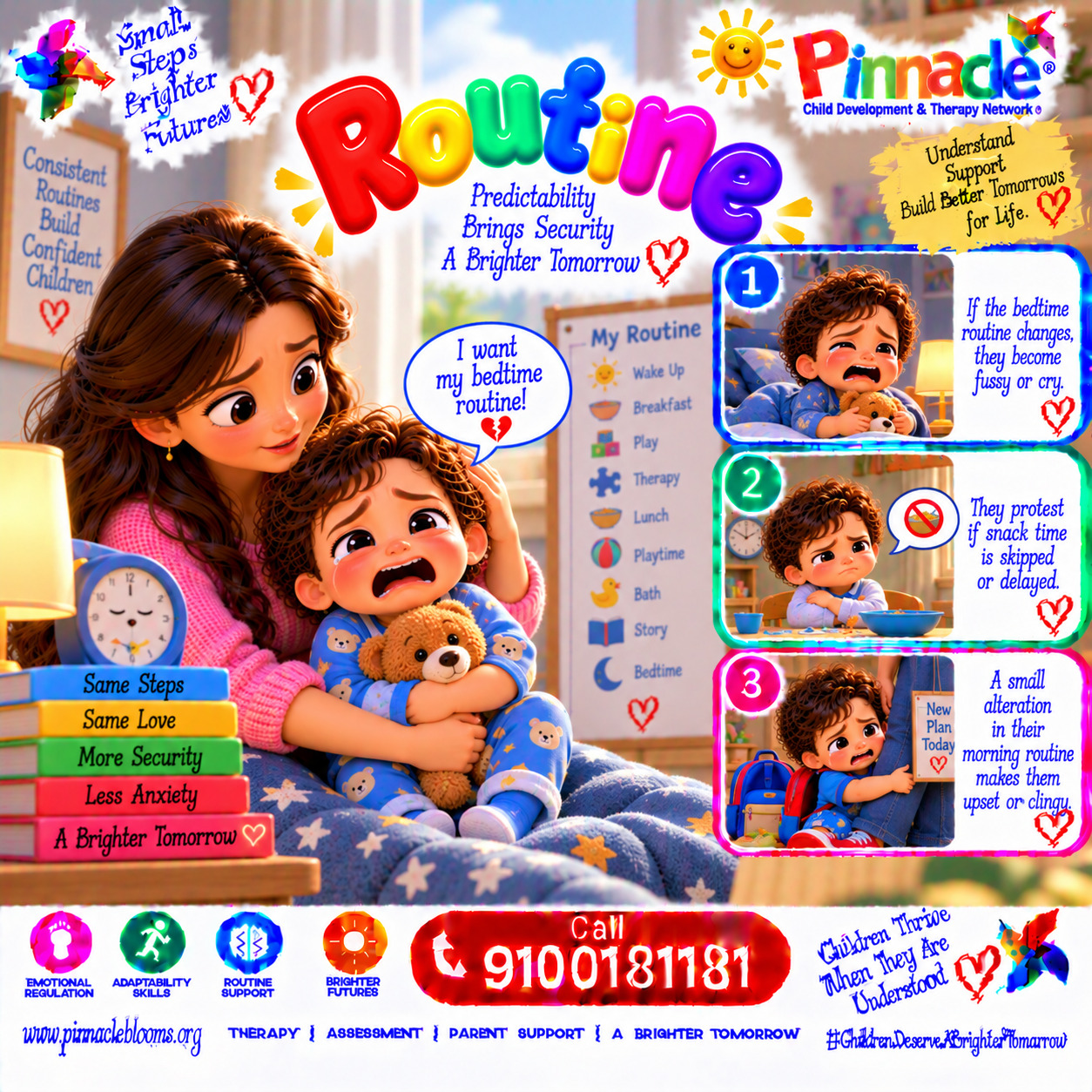
Does the child show distress at changes in routine?
Topic: Routine
Example 1
If bedtime routine changes, they become fussy or cry.
Example 2
They protest if snack time is skipped or delayed.
Example 3
A small alteration in their morning routine makes them upset or clingy.