The developmental profile is a comprehensive assessment tool that helps identify your child''s strengths and areas of need in various developmental domains.
Early and accurate assessments are crucial in diagnosing and providing effective interventions for developmental disorders, ensuring your child reaches their full potential.
The child’s overall development shows significant delays across key areas. An immediate intervention plan involving speech, occupational, and behavioral therapies is recommended.
Age-Appropriate
The child’s development aligns with several expected milestones but also shows areas requiring focused improvement. Targeted intervention in specific domains would support continued growth.
Well Above Expected Level
The child demonstrates strong, well-rounded development across all domains. Continued learning opportunities and enrichment programs will support ongoing growth and skill refinement.
Meera, a mother of a 4-year-old, Priya, was concerned about her child''s unusual behavior. After booking an assessment with Pinnacle Blooms, she felt relief as the team identified Priya’s needs and guided her through tailored therapies. Today, Priya can express her emotions better and enjoys interacting with peers, filling Meera with hope for a bright future.
The services provided by Pinnacle Blooms Network play a crucial role in early intervention and ongoing support for children with developmental challenges.
These are reference questions and illustrative examples. This section does not collect child responses, calculate scores or produce an individual assessment result.
Can the child hop on one foot consistently and maintain balance for several seconds?
Topic: Balance
Example 1
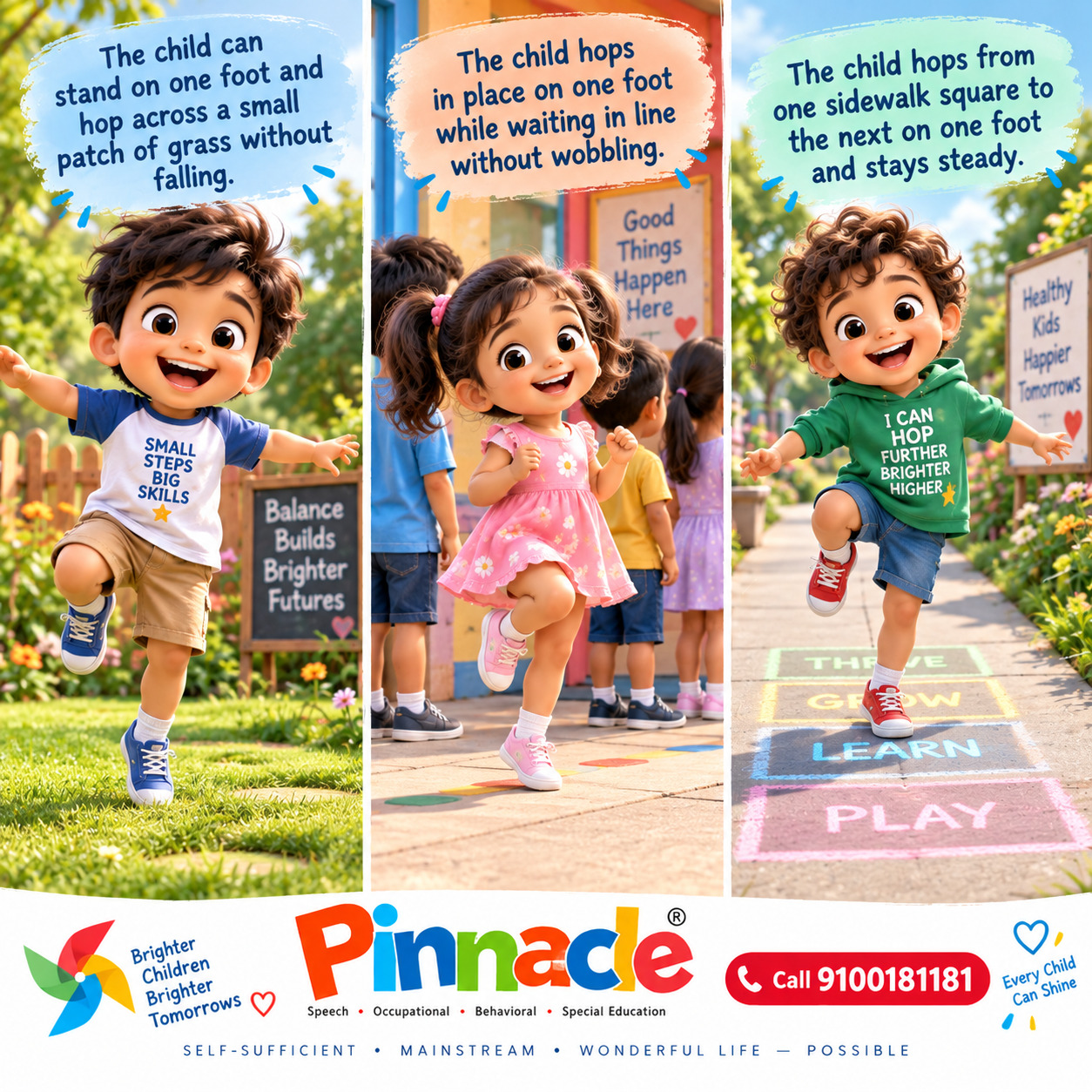
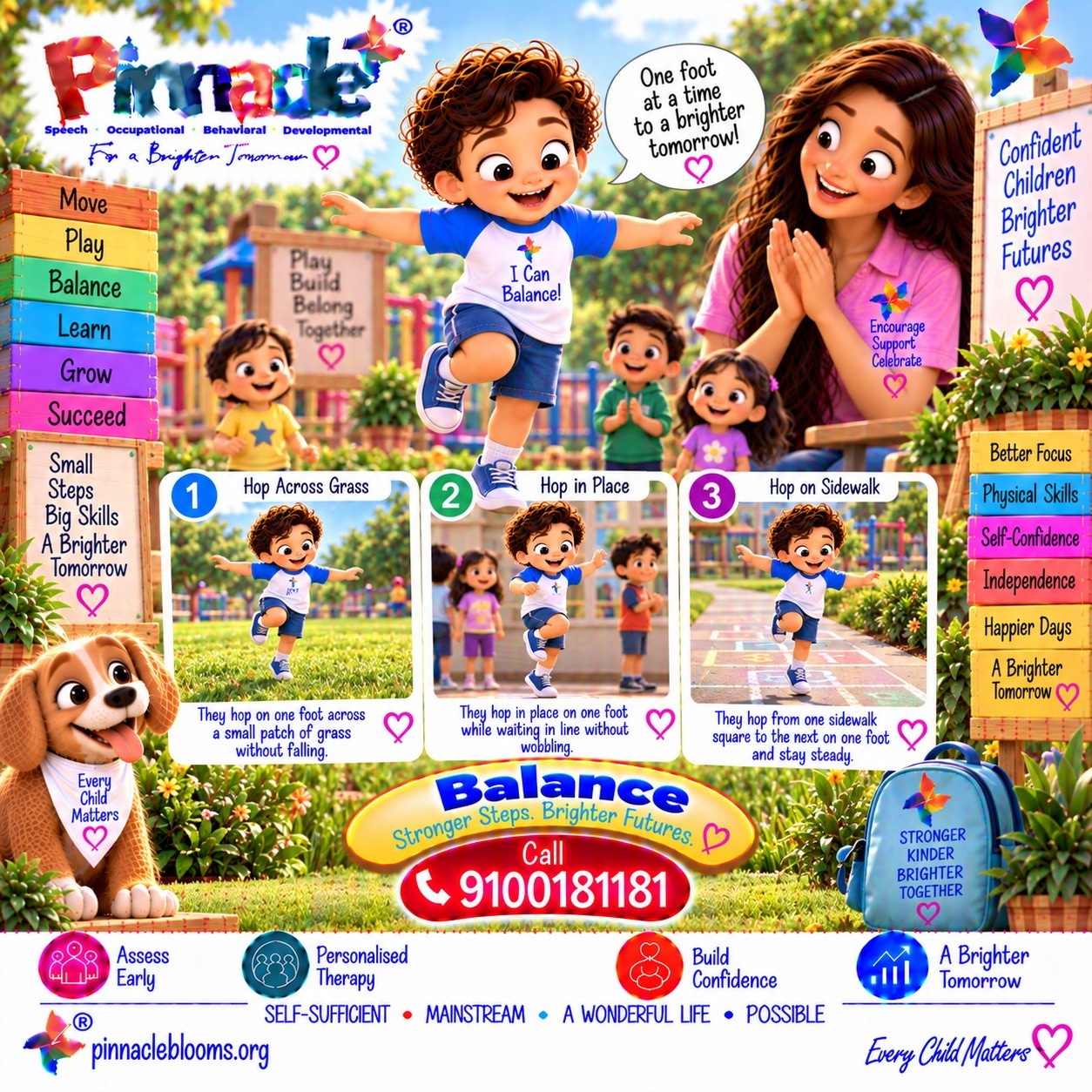
The child can stand on one foot and hop across a small patch of grass without falling.
Example 2
The child hops in place on one foot while waiting in line without wobbling.
Example 3
The child hops from one sidewalk square to the next on one foot and stays steady.
Example illustrationQuestion illustration
Does the child catch a medium-sized ball thrown from a short distance with both hands?
Topic: Ball-catching coordination
Example 1
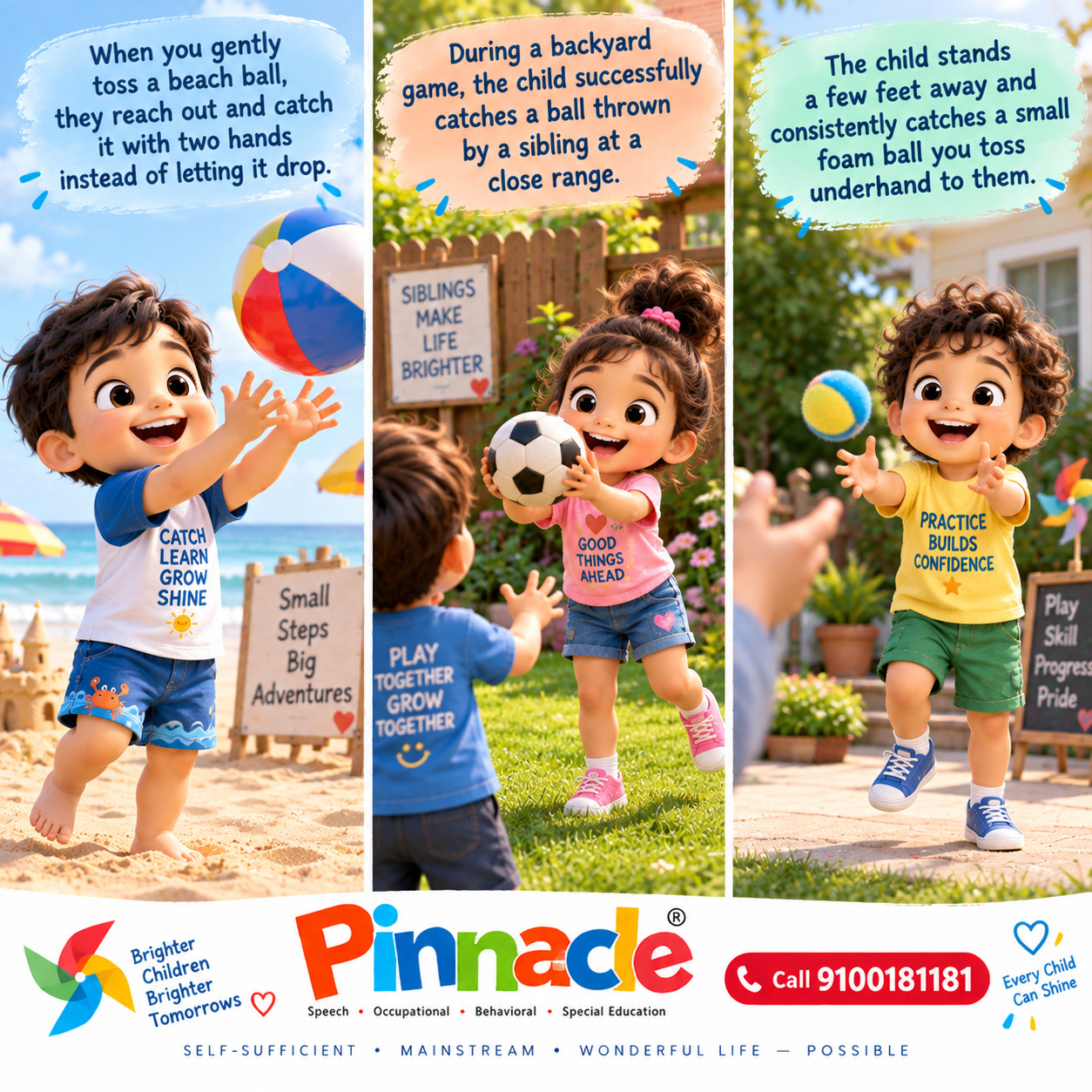
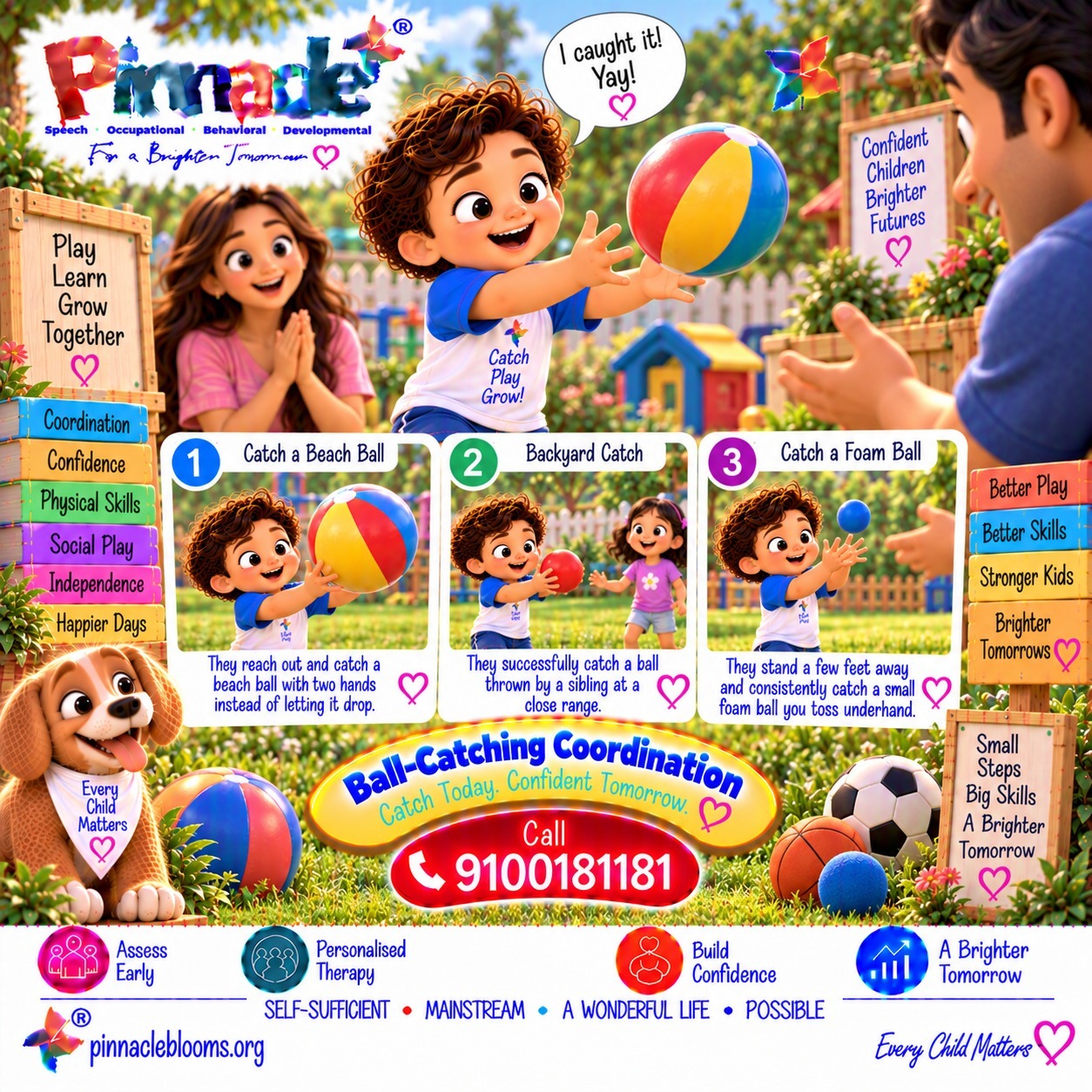
When you gently toss a beach ball, they reach out and catch it with two hands instead of letting it drop.
Example 2
During a backyard game, the child successfully catches a ball thrown by a sibling at a close range.
Example 3
The child stands a few feet away and consistently catches a small foam ball you toss underhand to them.
Example illustrationQuestion illustration
Can the child use scissors to cut along a straight line or simple shapes with accuracy?
Topic: Scissor skills
Example 1
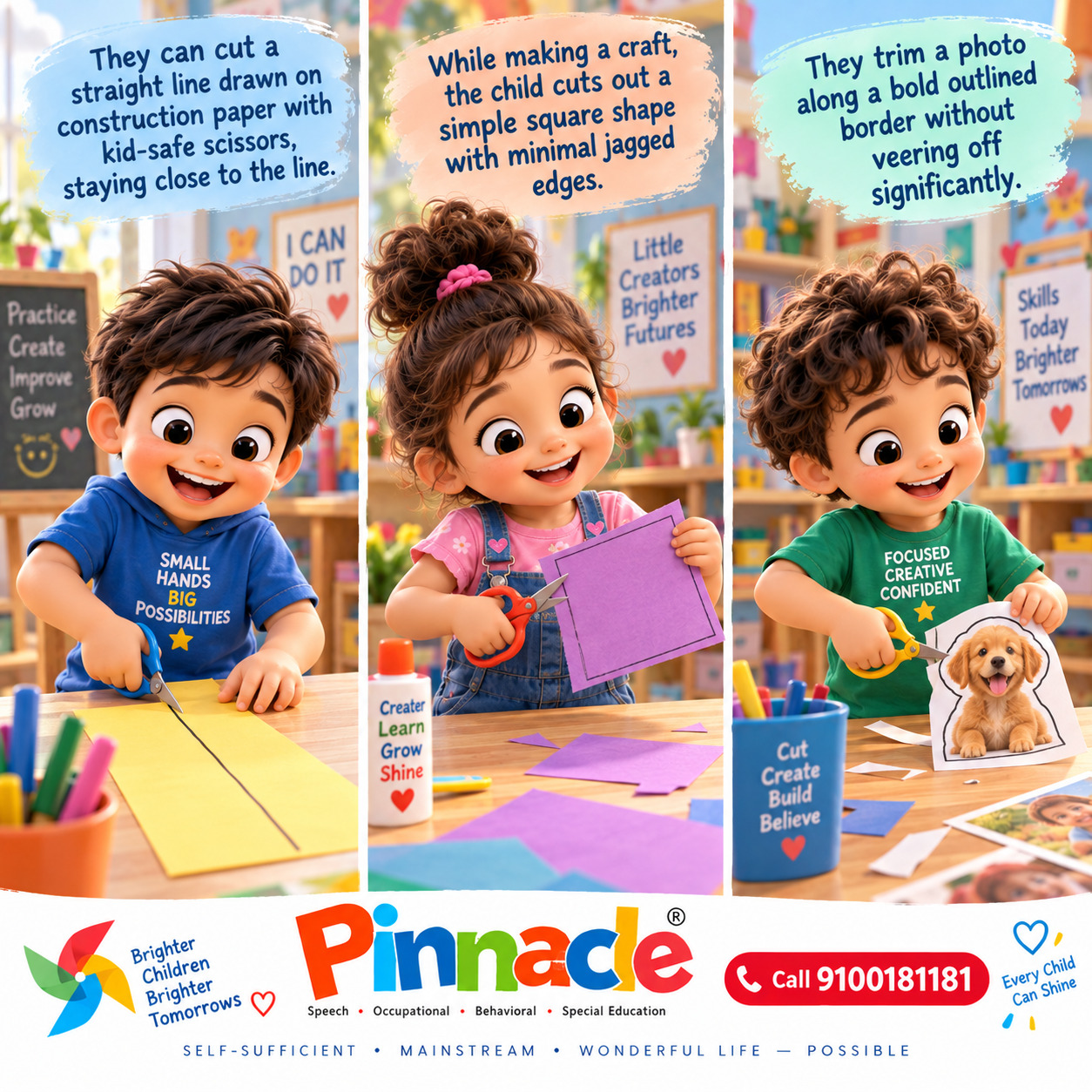
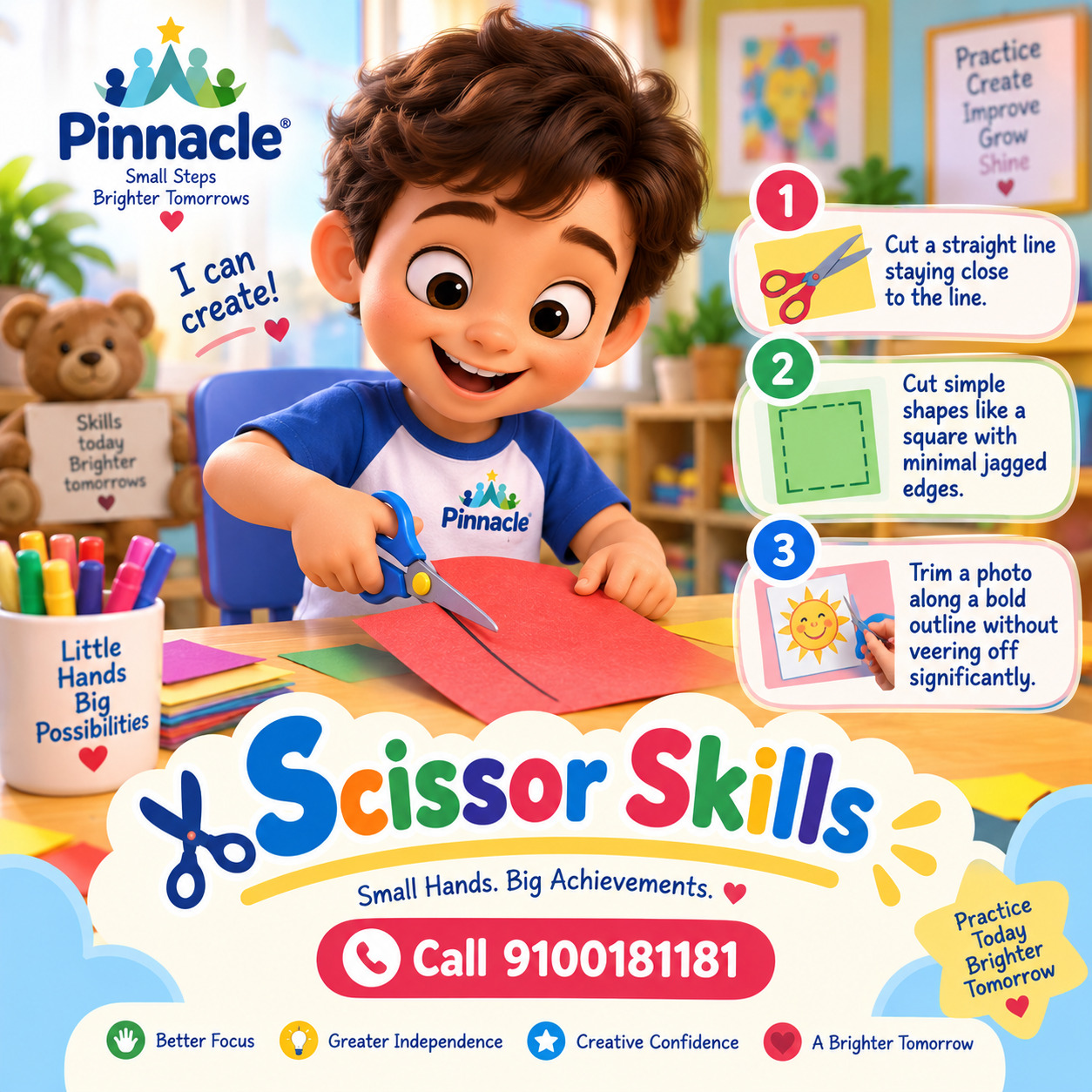
They can cut a straight line drawn on construction paper with kid-safe scissors, staying close to the line.
Example 2
While making a craft, the child cuts out a simple square shape with minimal jagged edges.
Example 3
They trim a photo along a bold outlined border without veering off significantly.
Example illustrationQuestion illustration
Does the child demonstrate a proper pencil grasp and write or trace basic letters clearly?
Topic: Pencil grasp and letter formation
Example 1
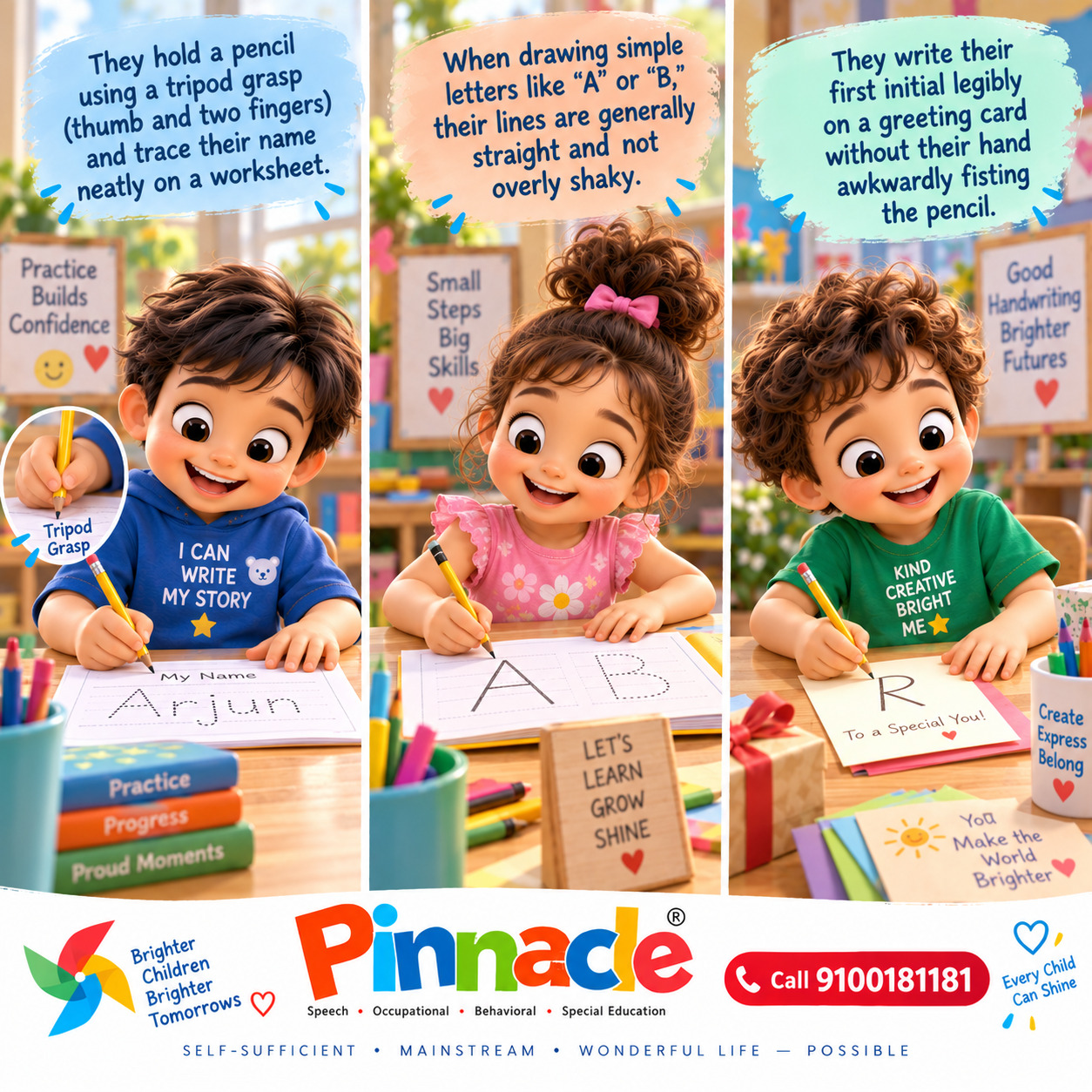
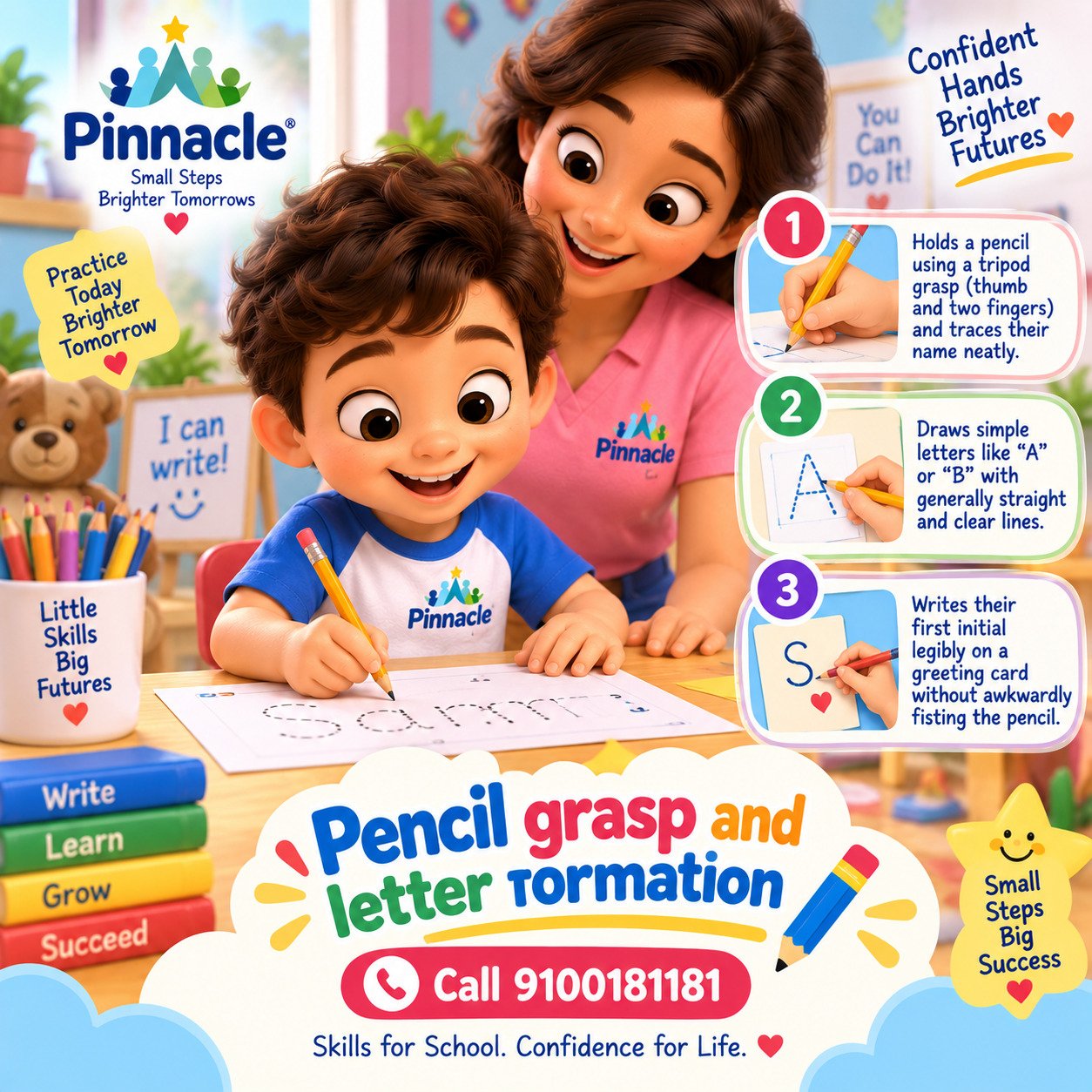
They hold a pencil using a tripod grasp (thumb and two fingers) and trace their name neatly on a worksheet.
Example 2
When drawing simple letters like “A” or “B,” their lines are generally straight and not overly shaky.
Example 3
They write their first initial legibly on a greeting card without their hand awkwardly fisting the pencil.
Example illustrationQuestion illustration
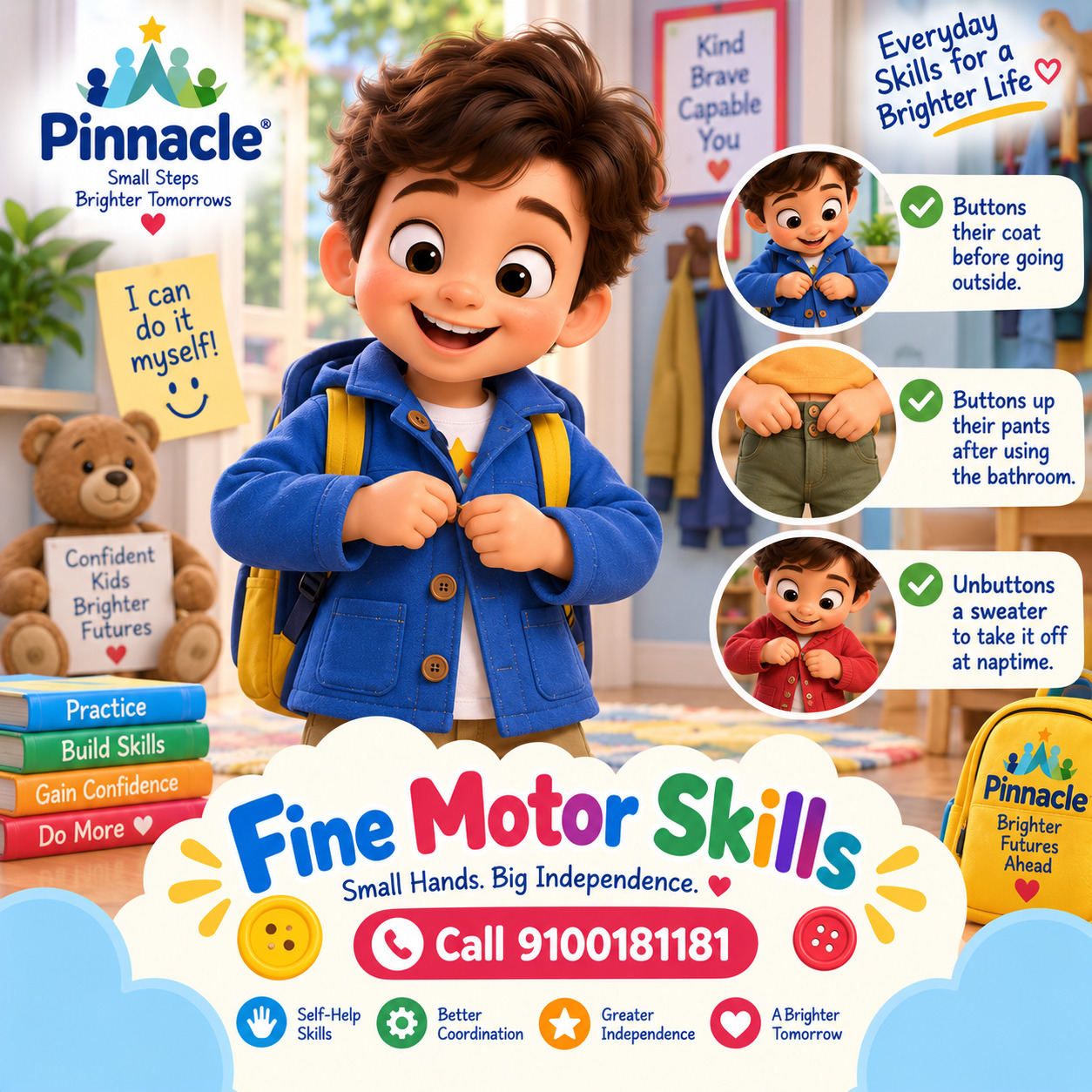
Can the child button or unbutton medium-sized buttons without help?
Topic: Fine motor skills
Example 1
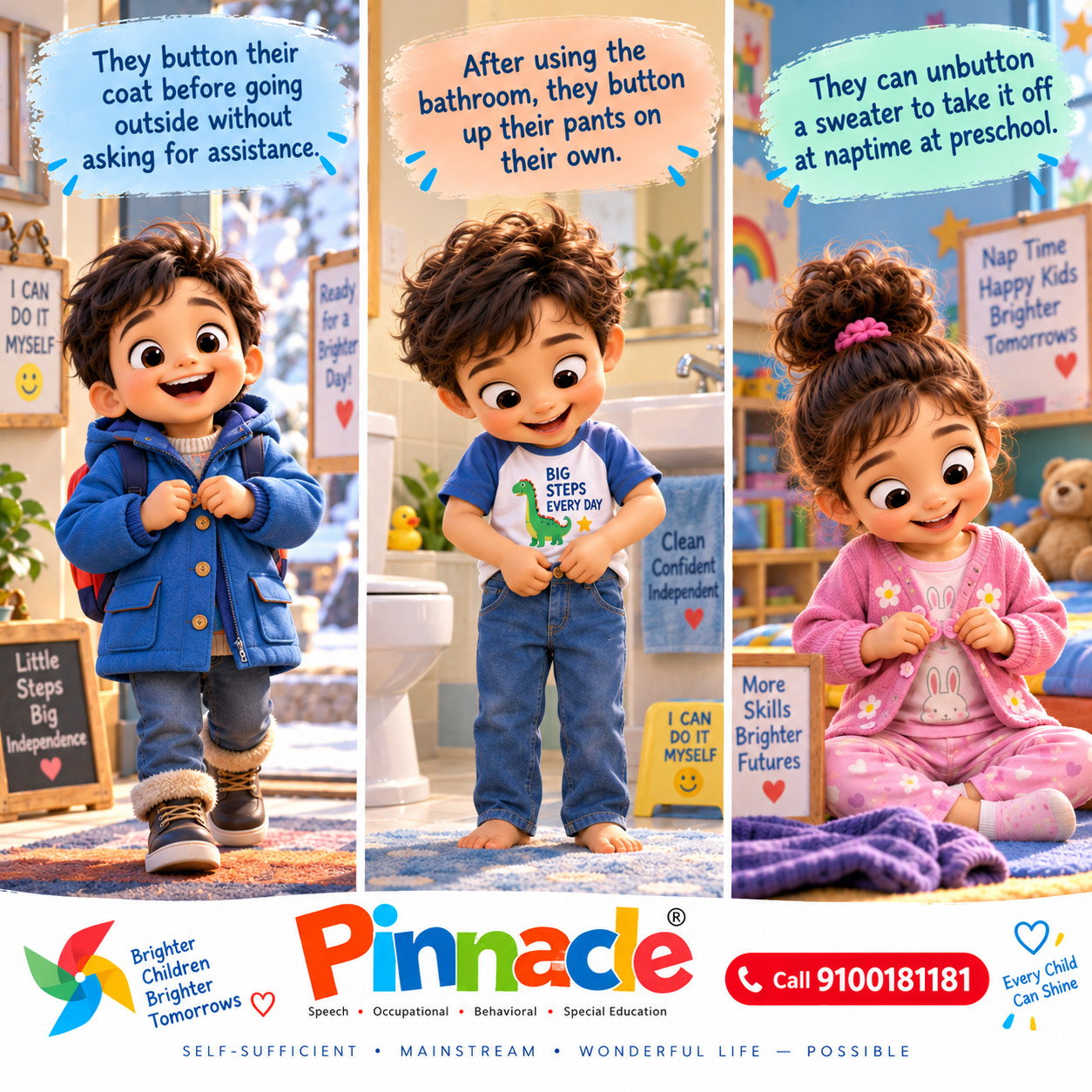
They button their coat before going outside without asking for assistance.
Example 2
After using the bathroom, they button up their pants on their own.
Example 3
They can unbutton a sweater to take it off at naptime at preschool.
Example illustrationQuestion illustration
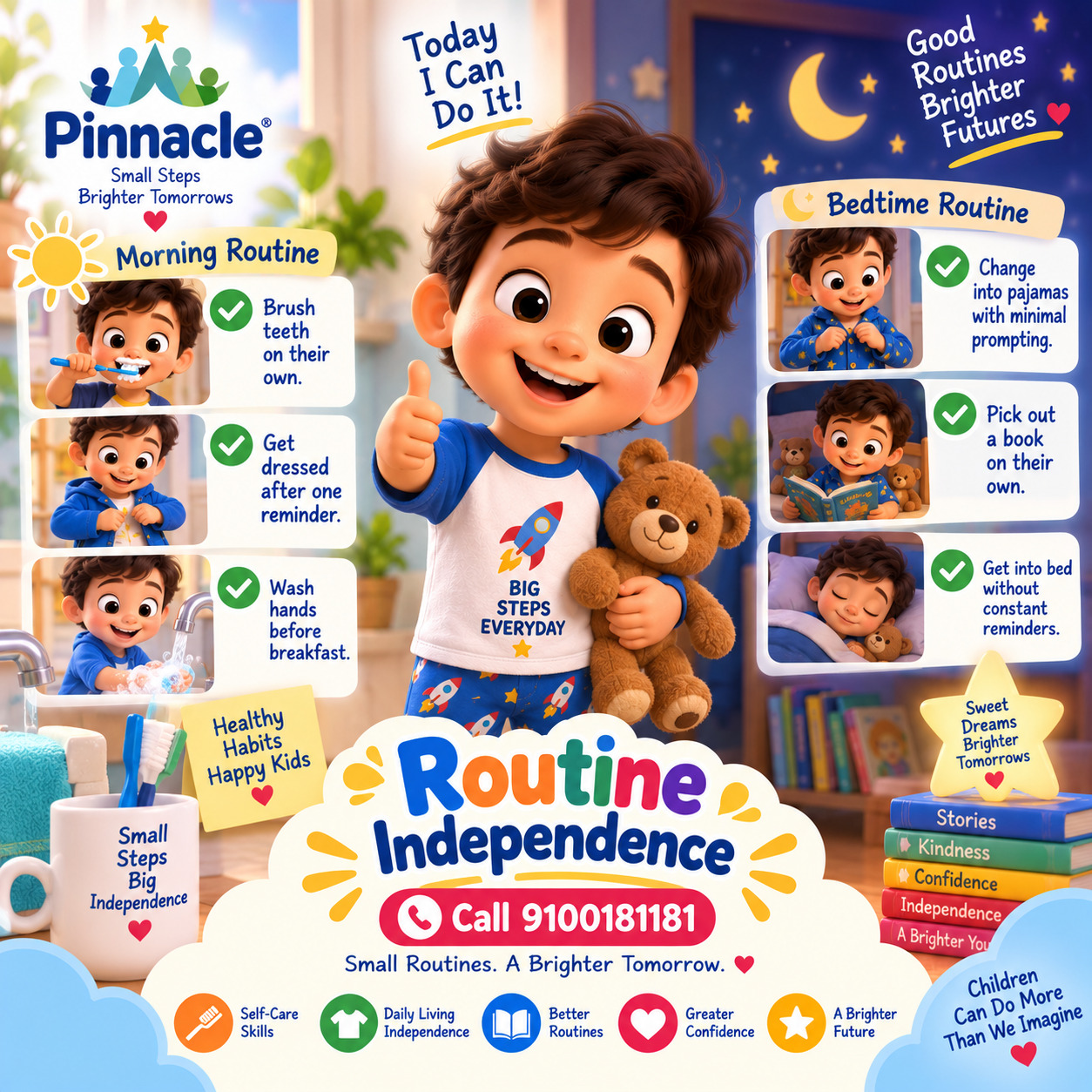
Does the child follow a morning or bedtime routine with minimal adult prompting?
Topic: Routine independence
Example 1
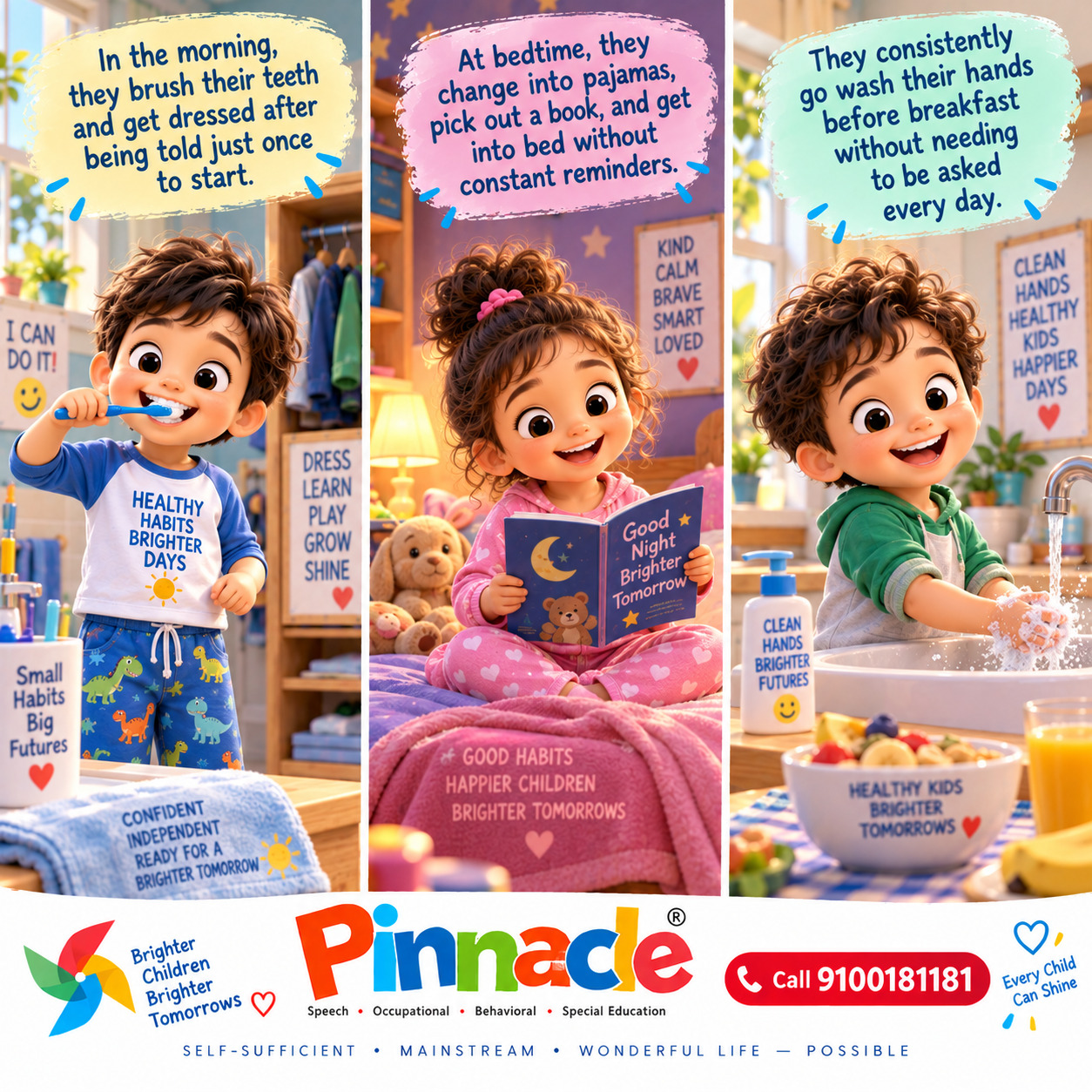
In the morning, they brush their teeth and get dressed after being told just once to start.
Example 2
At bedtime, they change into pajamas, pick out a book, and get into bed without constant reminders.
Example 3
They consistently go wash their hands before breakfast without needing to be asked every day.
Example illustrationQuestion illustration
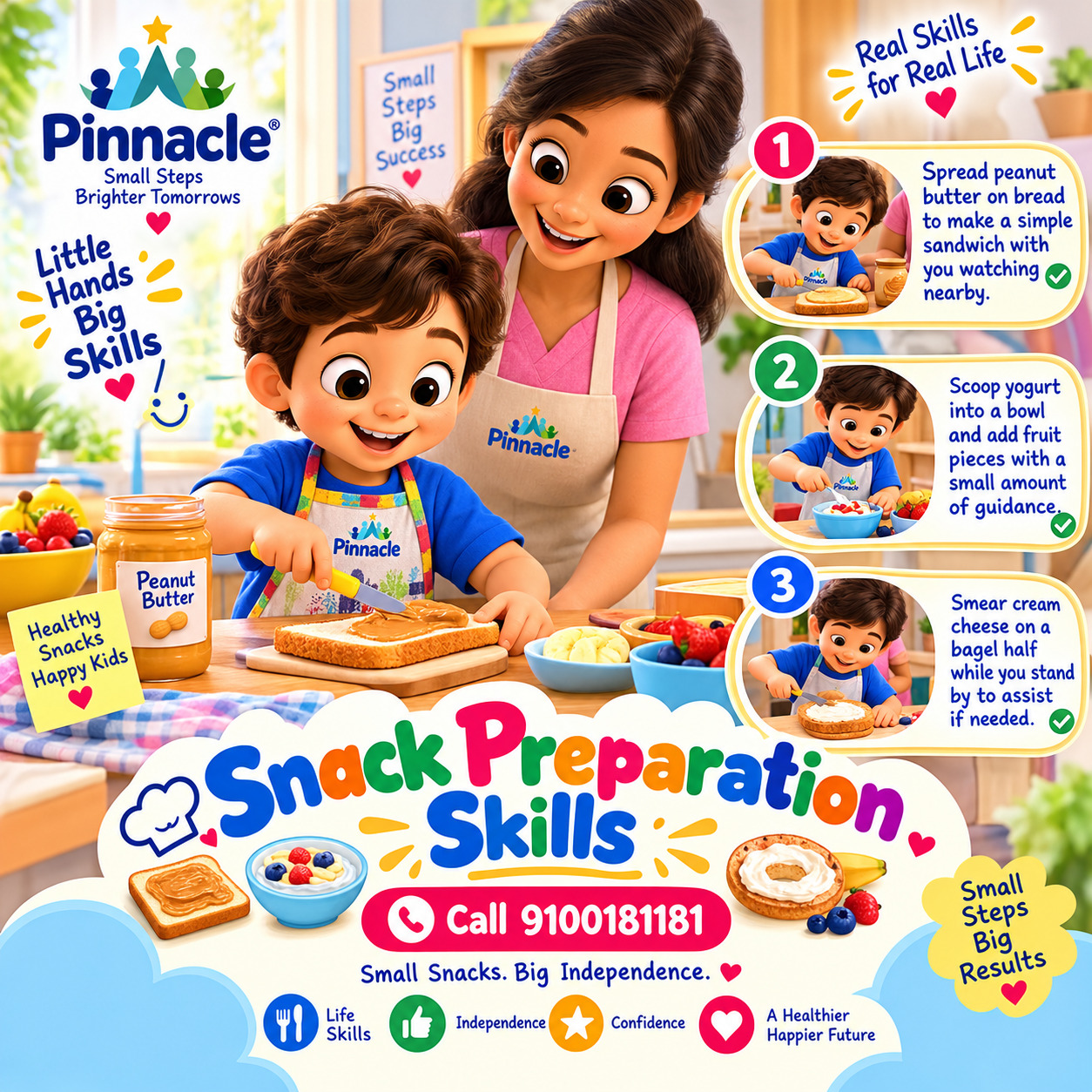
Can the child prepare a simple snack (e.g., spreading butter on bread) with some supervision?
Topic: Snack preparation skills
Example 1
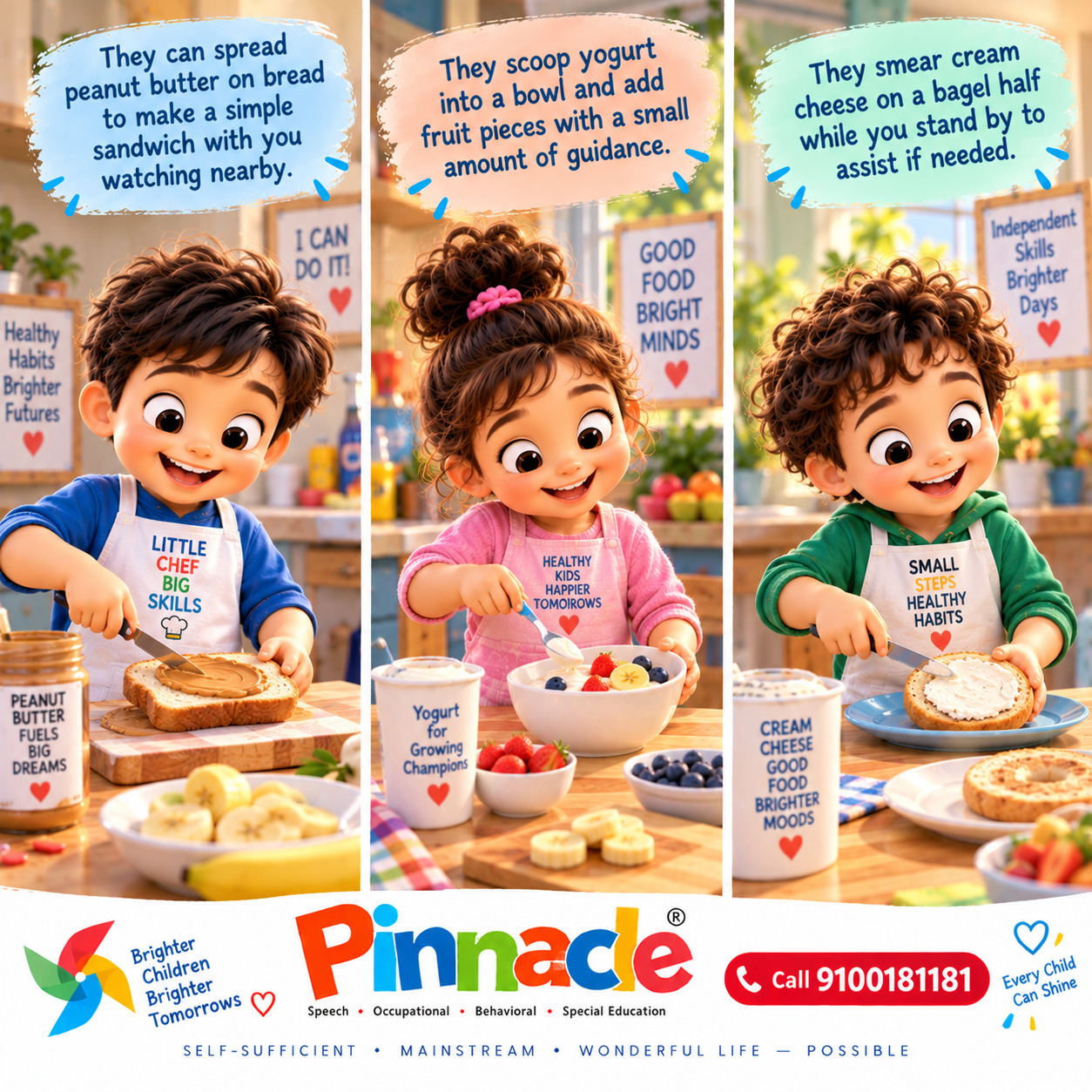
They can spread peanut butter on bread to make a simple sandwich with you watching nearby.
Example 2
They scoop yogurt into a bowl and add fruit pieces with a small amount of guidance.
Example 3
They smear cream cheese on a bagel half while you stand by to assist if needed.
Example illustrationQuestion illustration
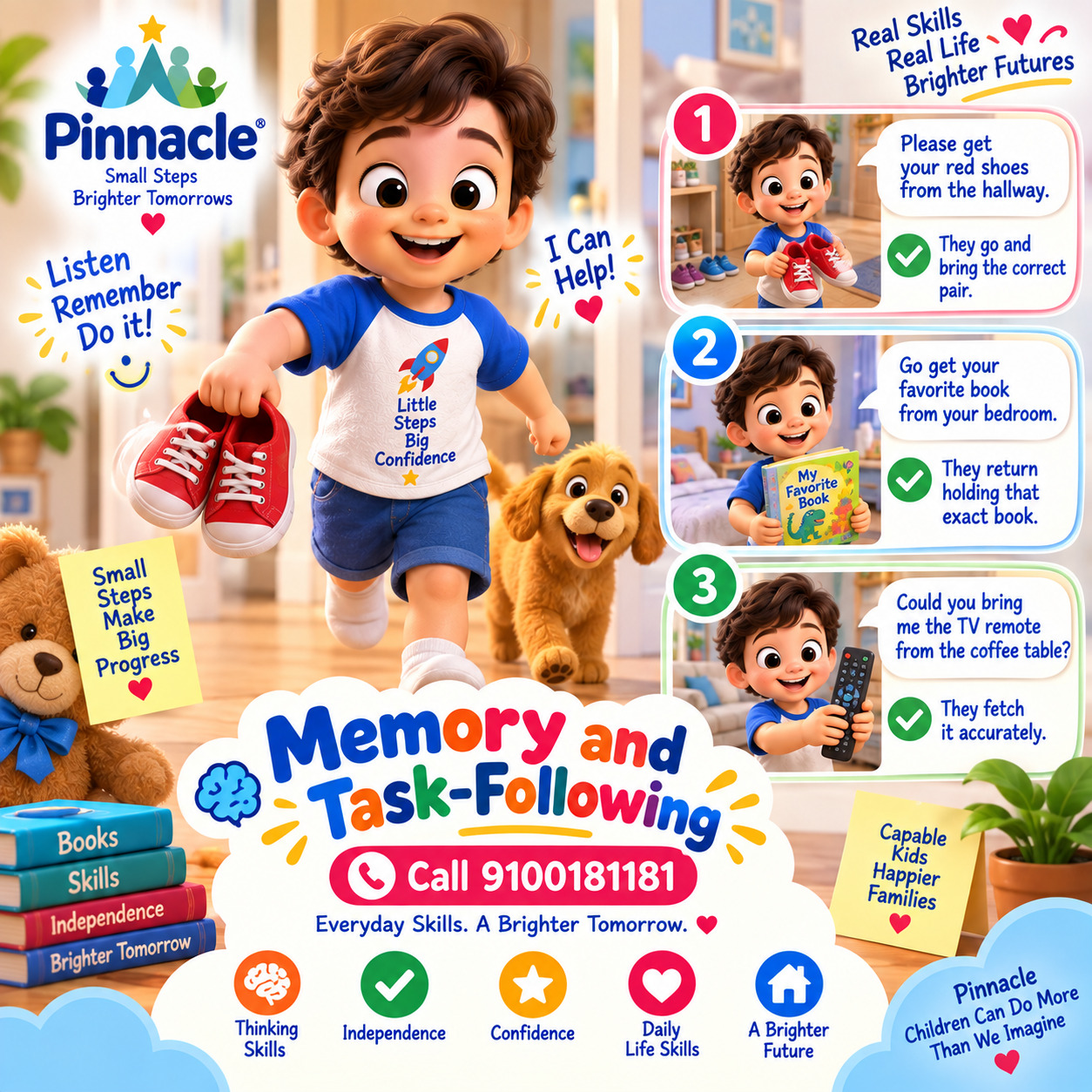
Does the child remember and retrieve items upon request (e.g., “Bring me your shoes”)?
Topic: Memory and task-following
Example 1
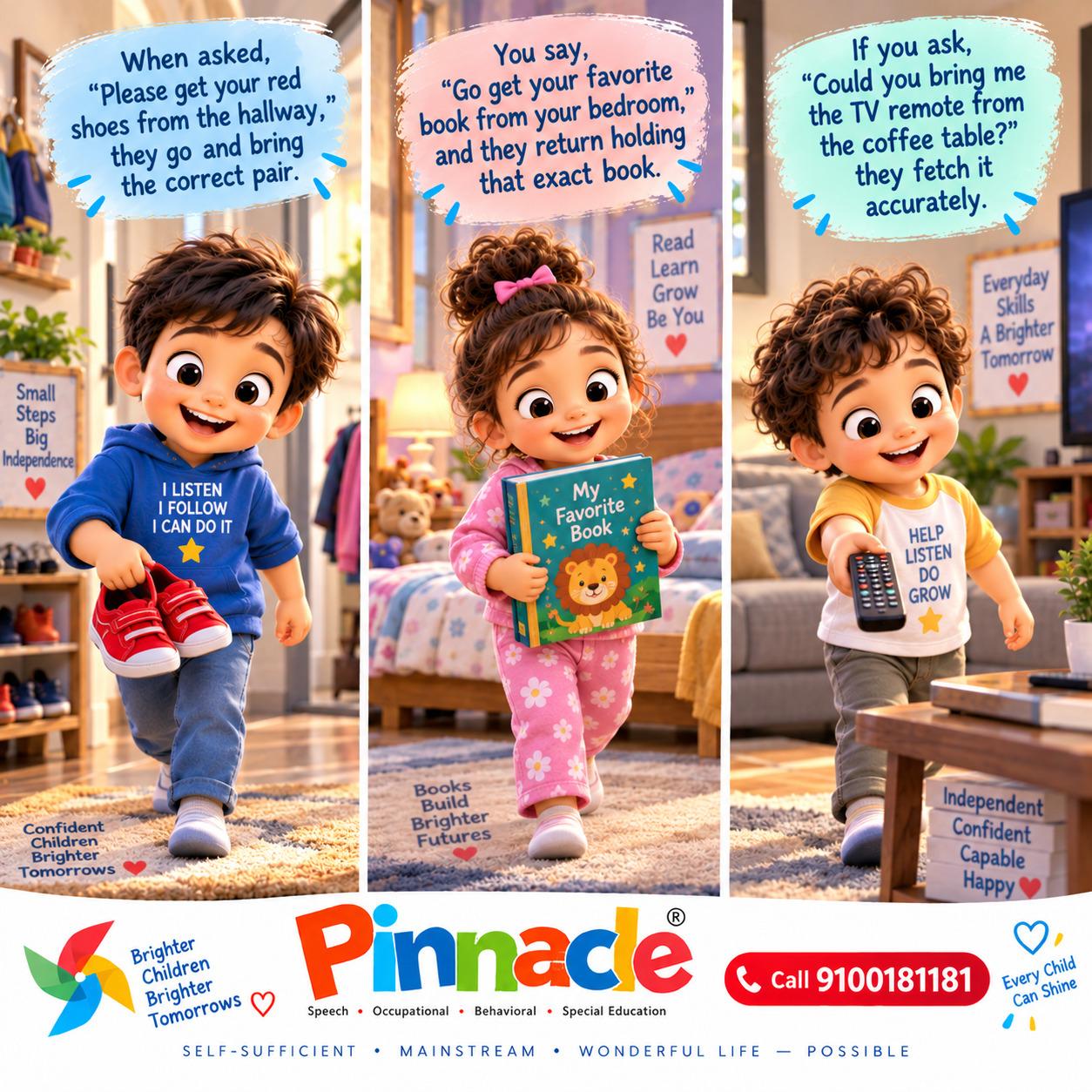
When asked, “Please get your red shoes from the hallway,” they go and bring the correct pair.
Example 2
You say, “Go get your favorite book from your bedroom,” and they return holding that exact book.
Example 3
If you ask, “Could you bring me the TV remote from the coffee table?” they fetch it accurately.
Example illustrationQuestion illustration
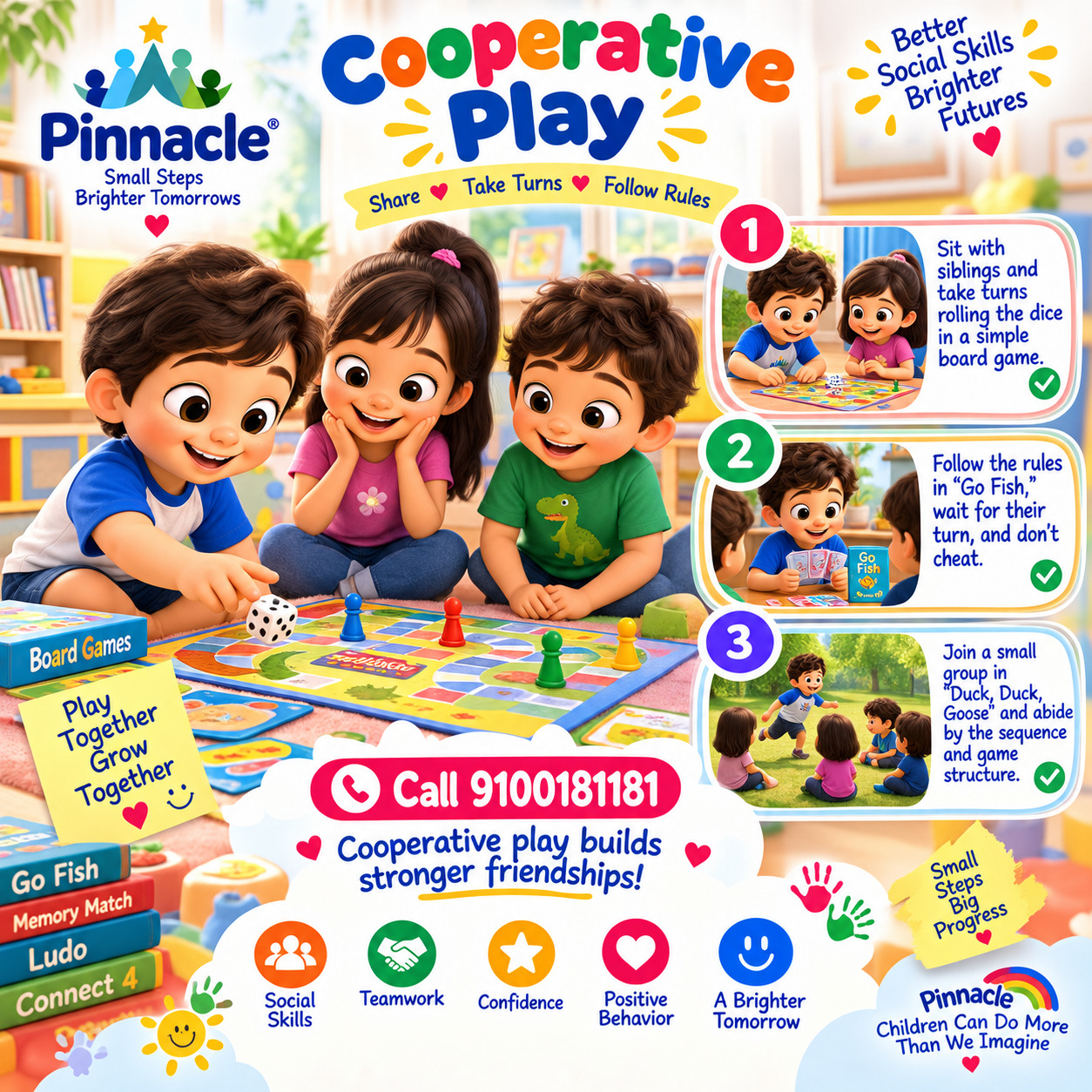
Does the child engage in cooperative play, such as board games, and follow the rules?
Topic: Cooperative play
Example 1
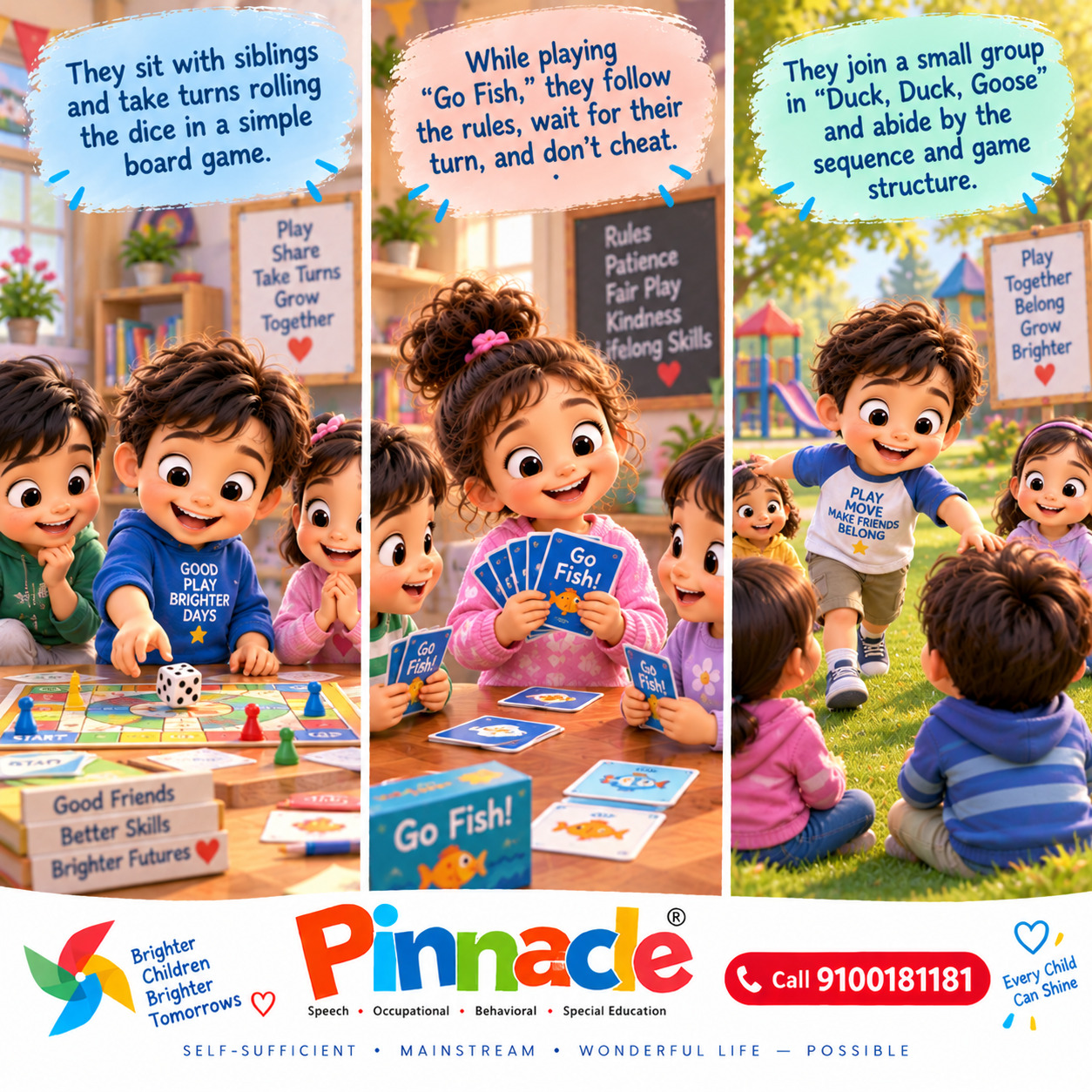
They sit with siblings and take turns rolling the dice in a simple board game.
Example 2
While playing “Go Fish,” they follow the rules, wait for their turn, and don’t cheat.
Example 3
They join a small group in “Duck, Duck, Goose” and abide by the sequence and game structure.
Example illustrationQuestion illustration
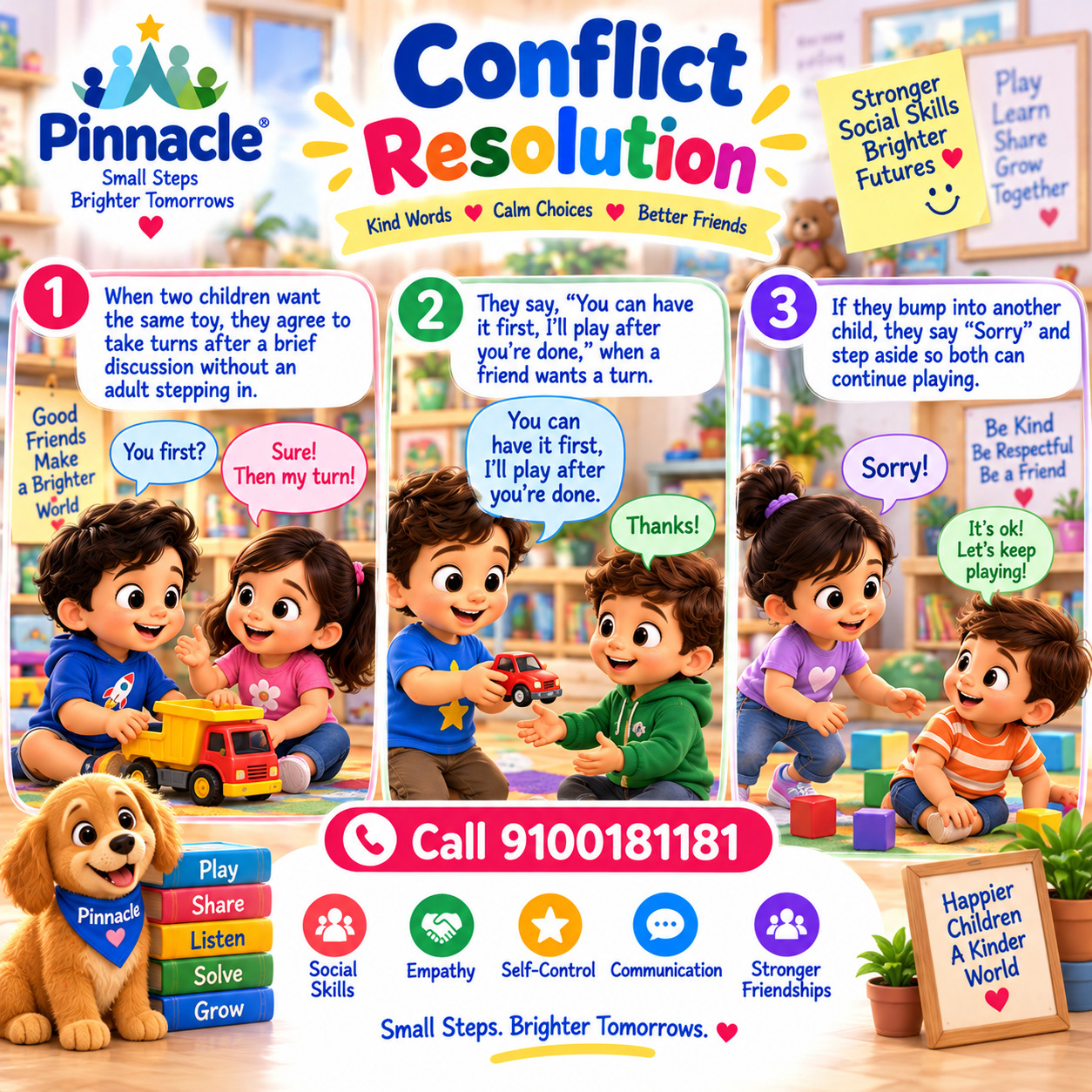
Can the child resolve minor conflicts with peers (e.g., taking turns) with minimal adult help?
Topic: Conflict resolution
Example 1
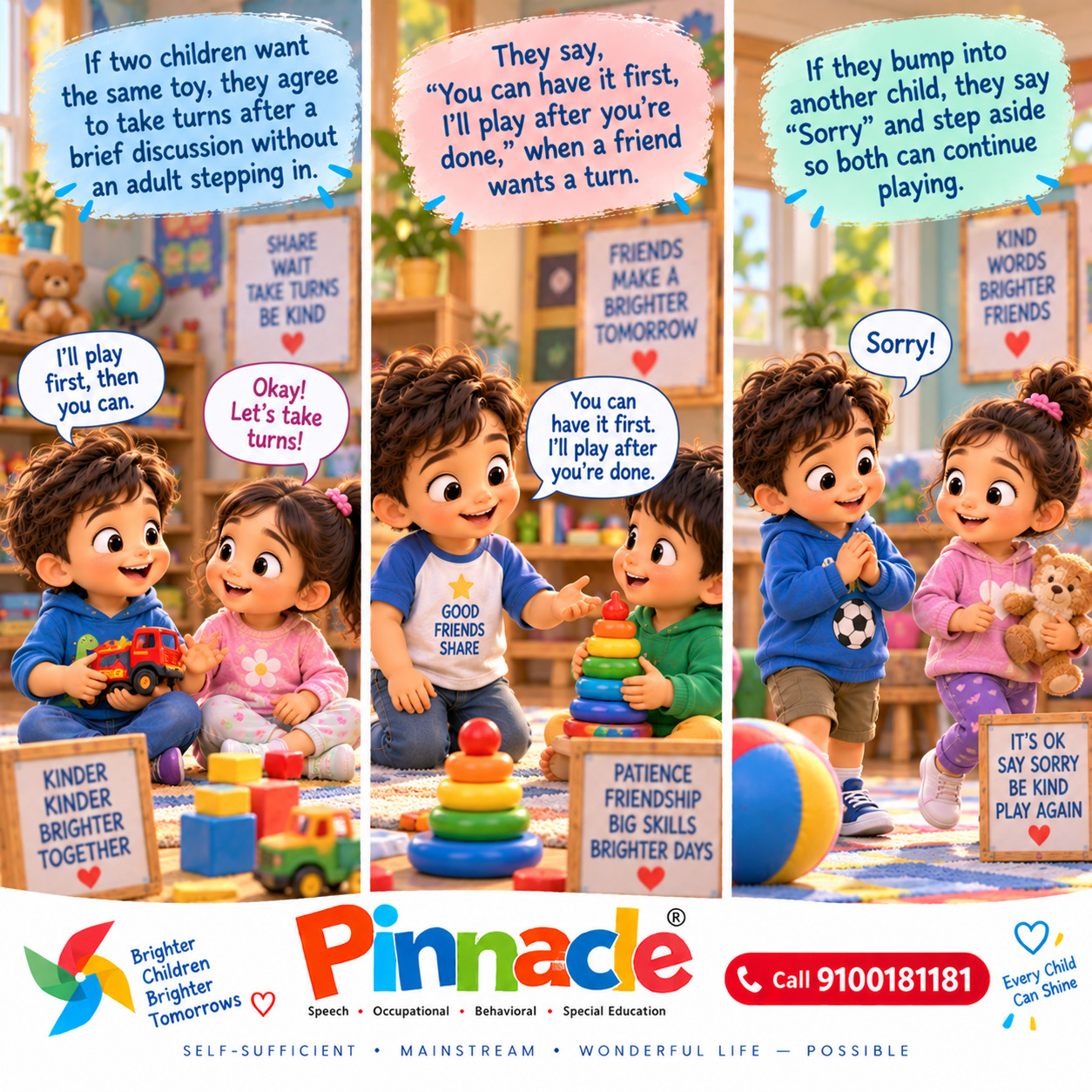
If two children want the same toy, they agree to take turns after a brief discussion without an adult stepping in.
Example 2
They say, “You can have it first, I’ll play after you’re done,” when a friend wants a turn.
Example 3
If they bump into another child, they say “Sorry” and step aside so both can continue playing.
Example illustrationQuestion illustration
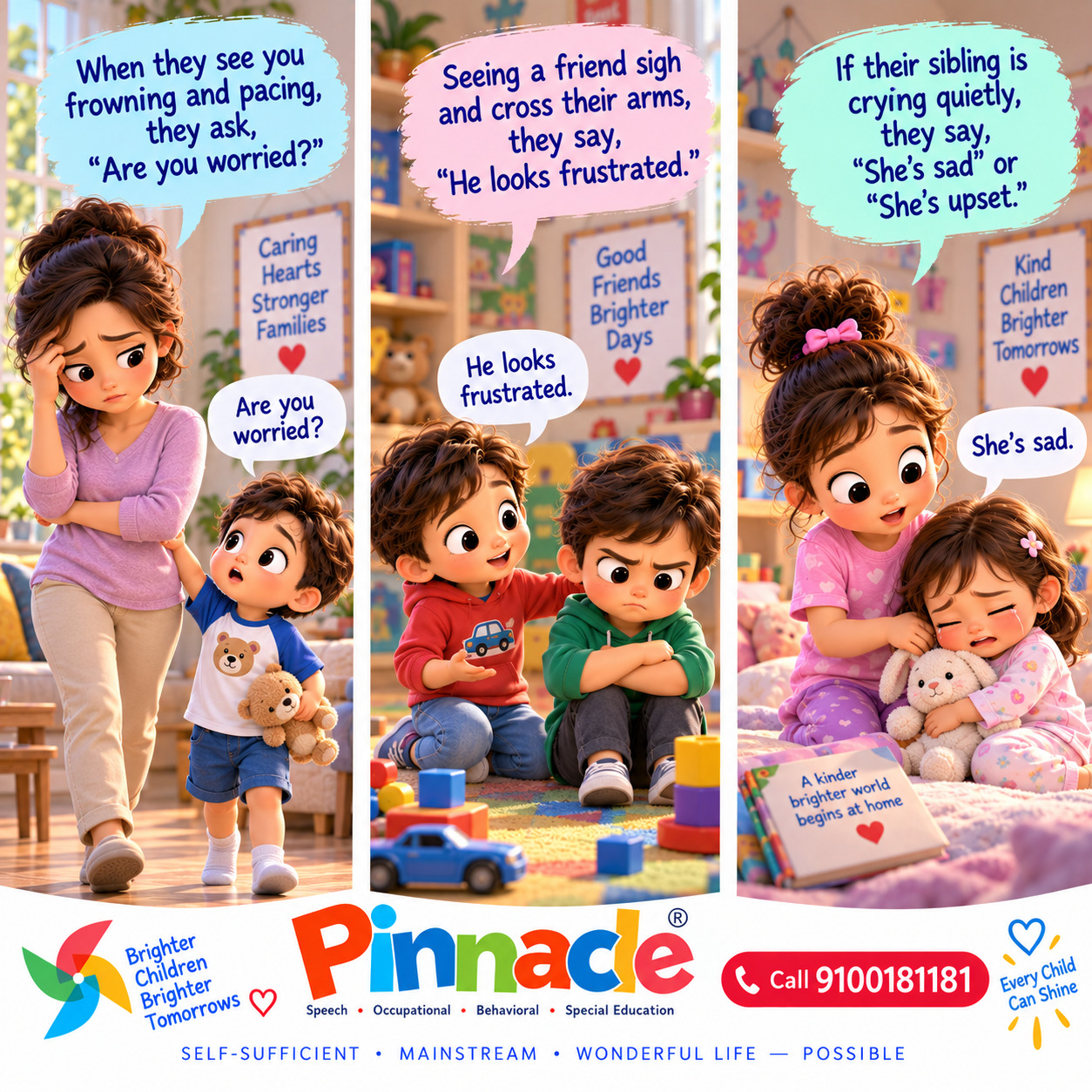
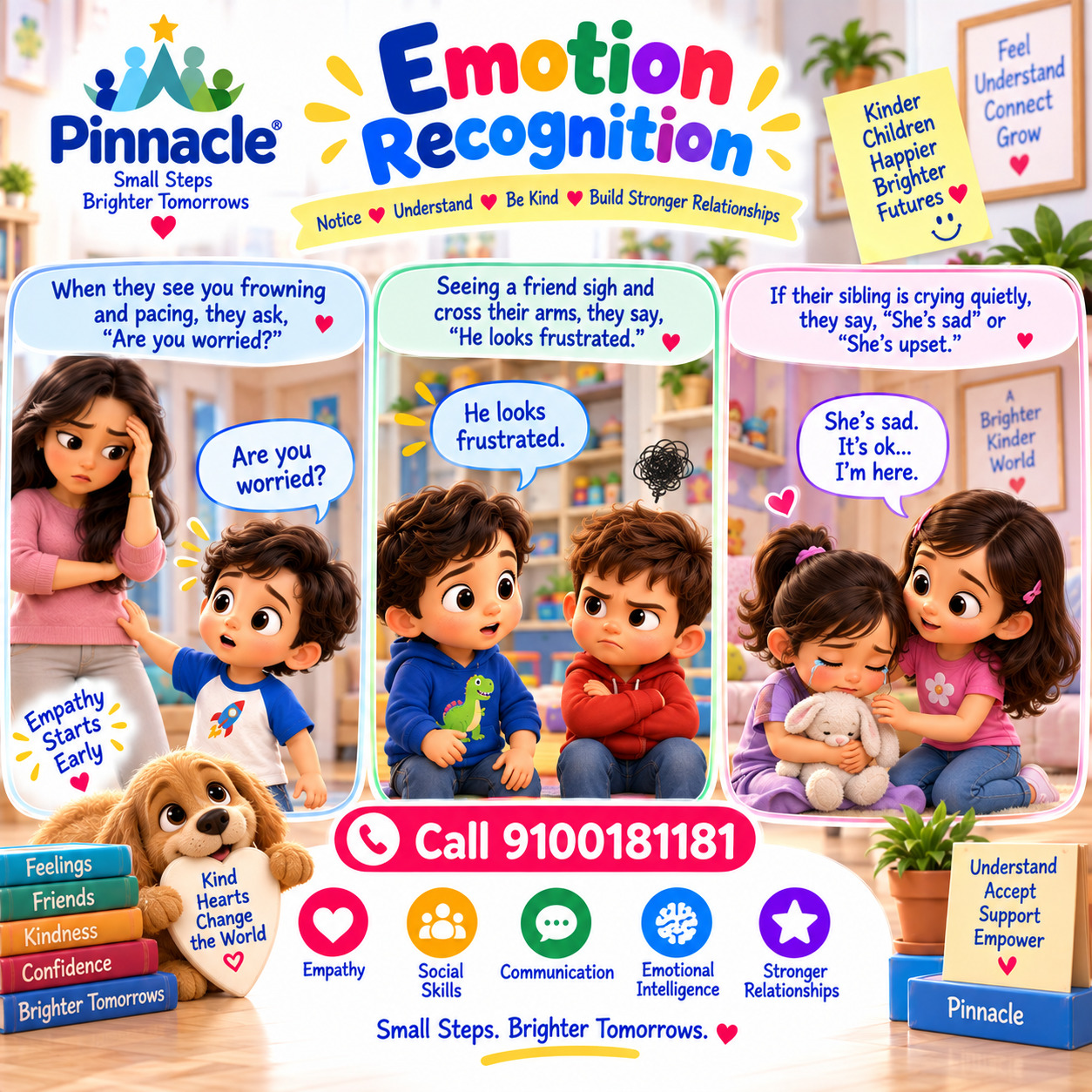
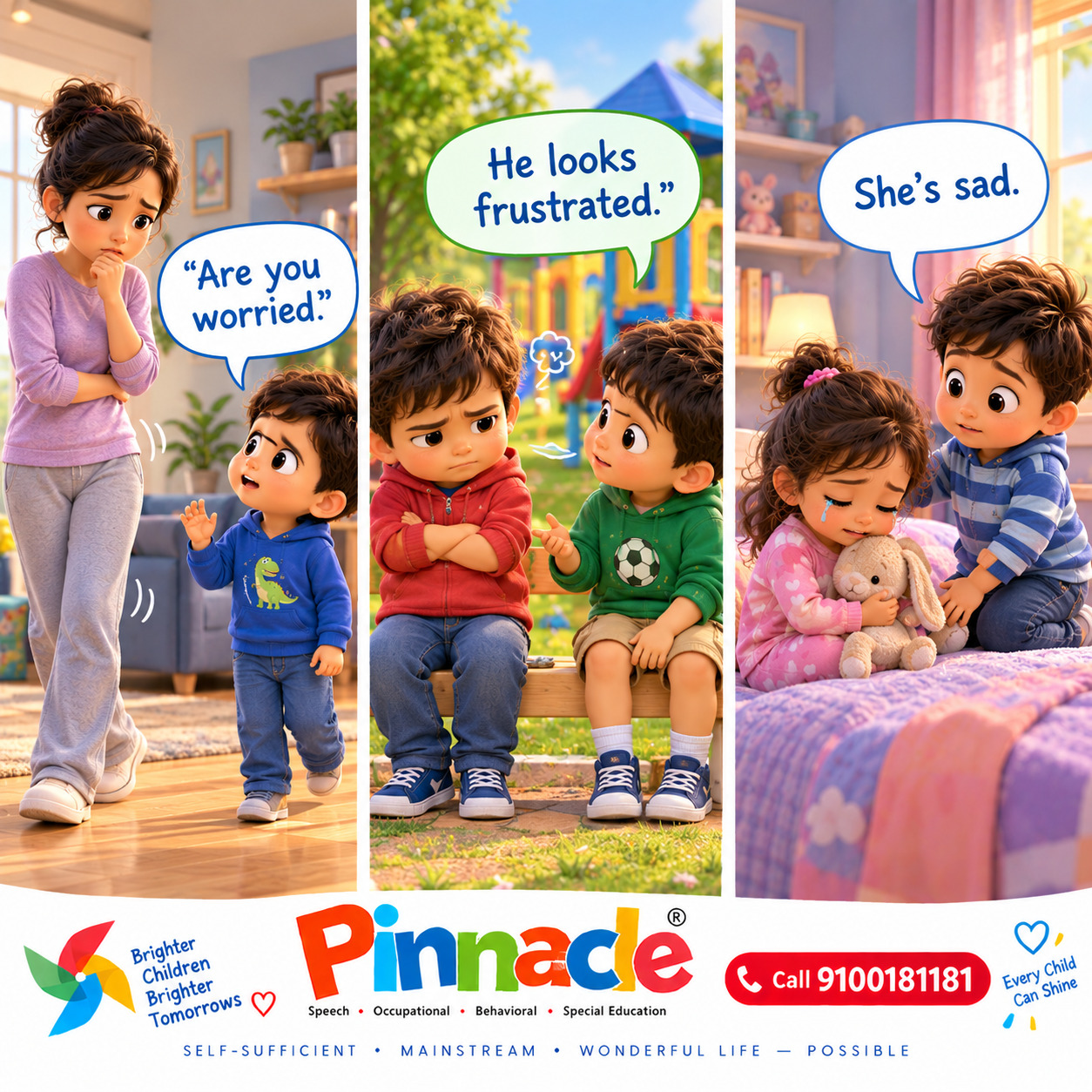
Does the child recognize and label more complex emotions in others (e.g., worried, frustrated)?
Topic: Emotion recognition
Example 1
When they see you frowning and pacing, they ask, “Are you worried?”
Example 2
Seeing a friend sigh and cross their arms, they say, “He looks frustrated.”
Example 3
If their sibling is crying quietly, they say, “She’s sad” or “She’s upset.”
Example illustrationQuestion illustration
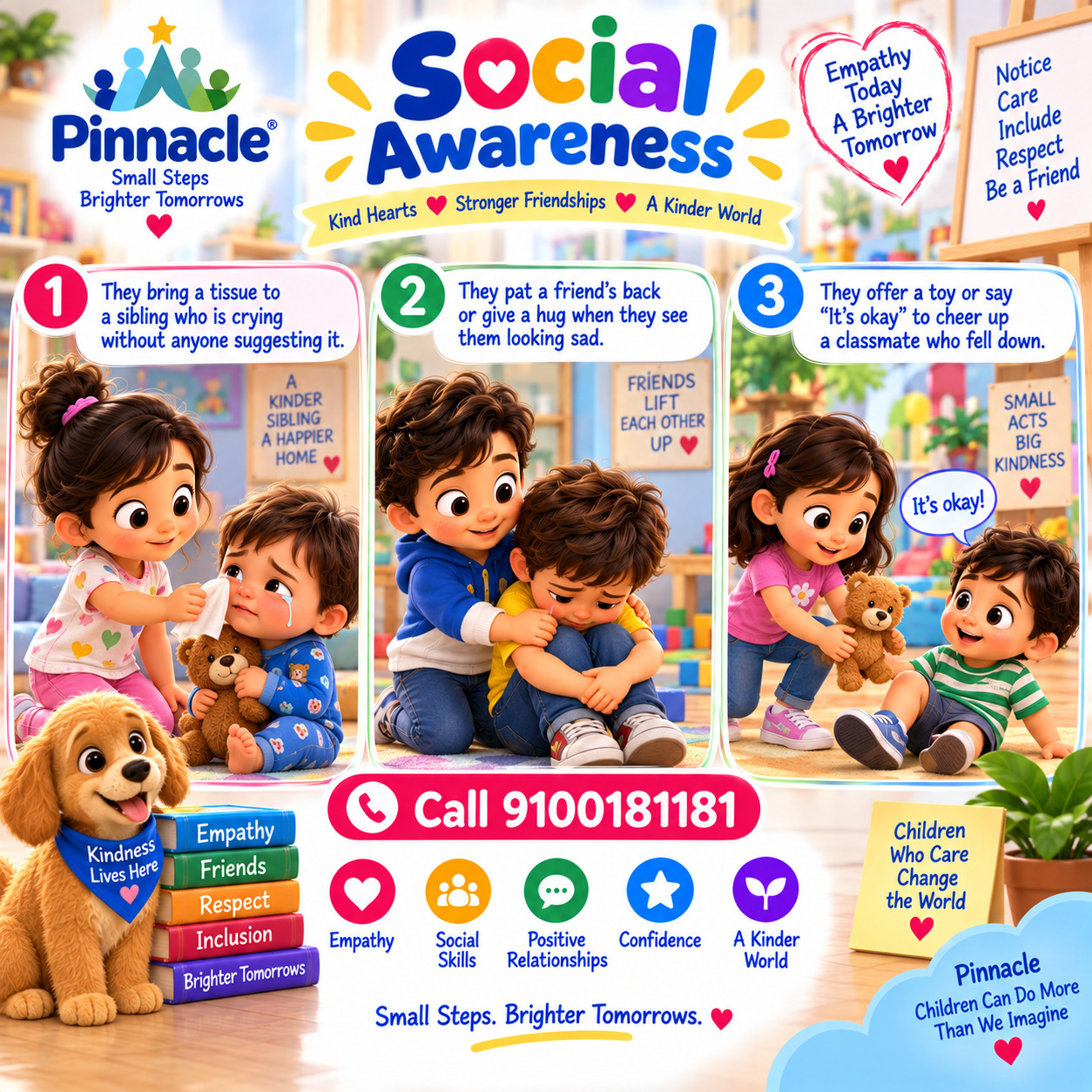
Does the child show empathy, such as offering comfort or assistance without being prompted?
Topic: Social awareness
Example 1
They bring a tissue to a sibling who is crying without anyone suggesting it.
Example 2
They pat a friend’s back or give a hug when they see them looking sad.
Example 3
They offer a toy or say “It’s okay” to cheer up a classmate who fell down.
Example illustrationQuestion illustration
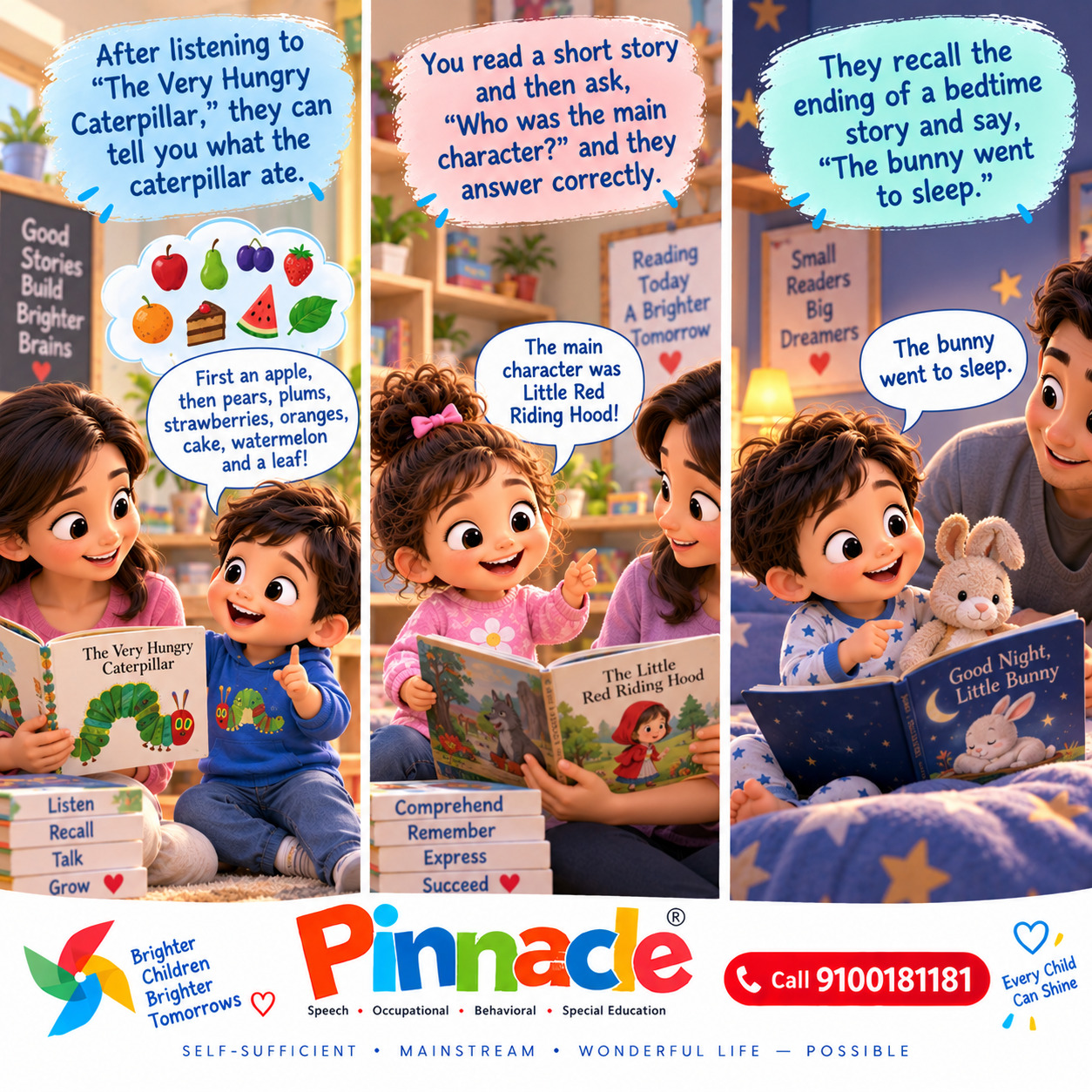
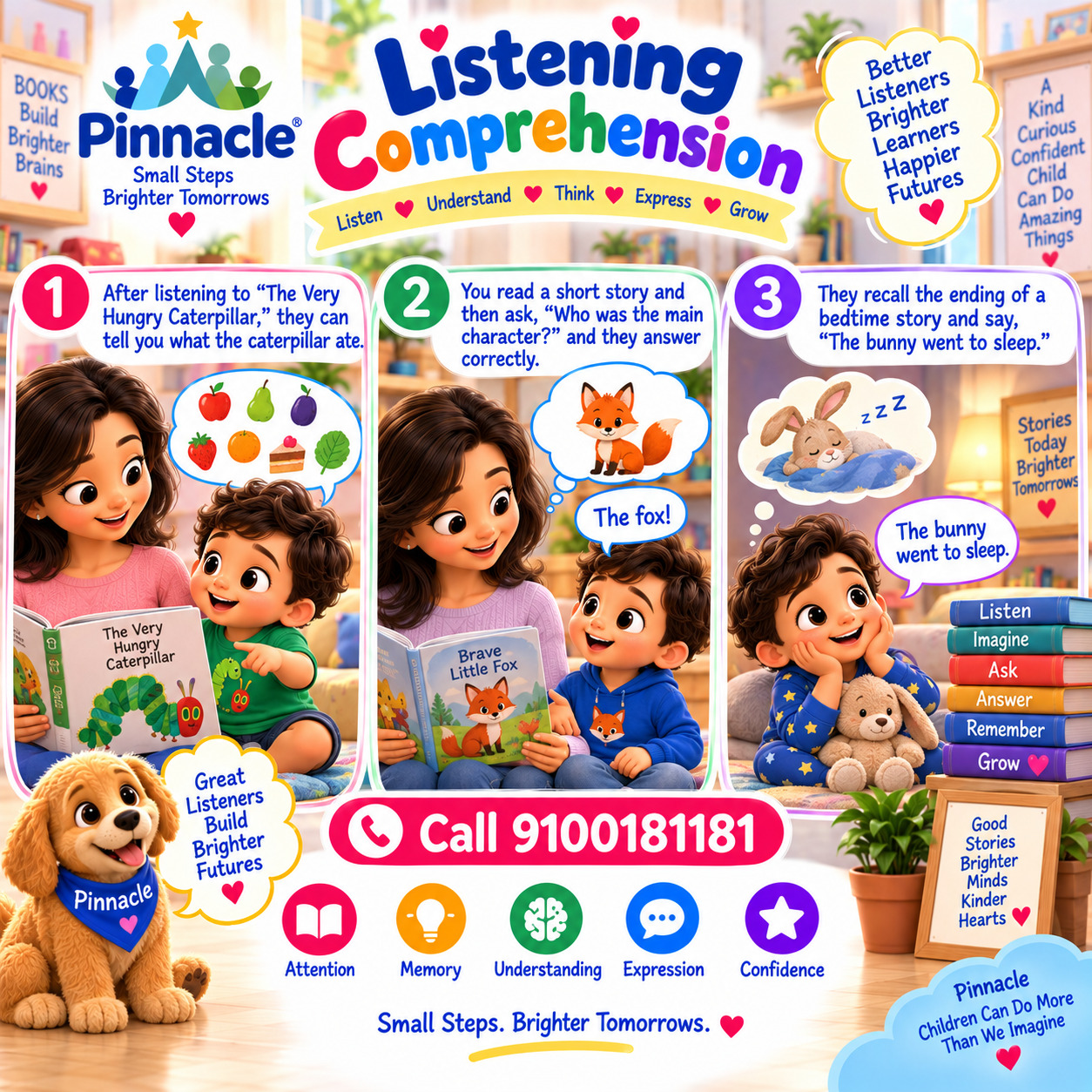
Can the child pay attention to a story read aloud and answer basic questions about it?
Topic: Listening comprehension
Example 1
After listening to “The Very Hungry Caterpillar,” they can tell you what the caterpillar ate.
Example 2
You read a short story and then ask, “Who was the main character?” and they answer correctly.
Example 3
They recall the ending of a bedtime story and say, “The bunny went to sleep.”
Example illustrationQuestion illustration
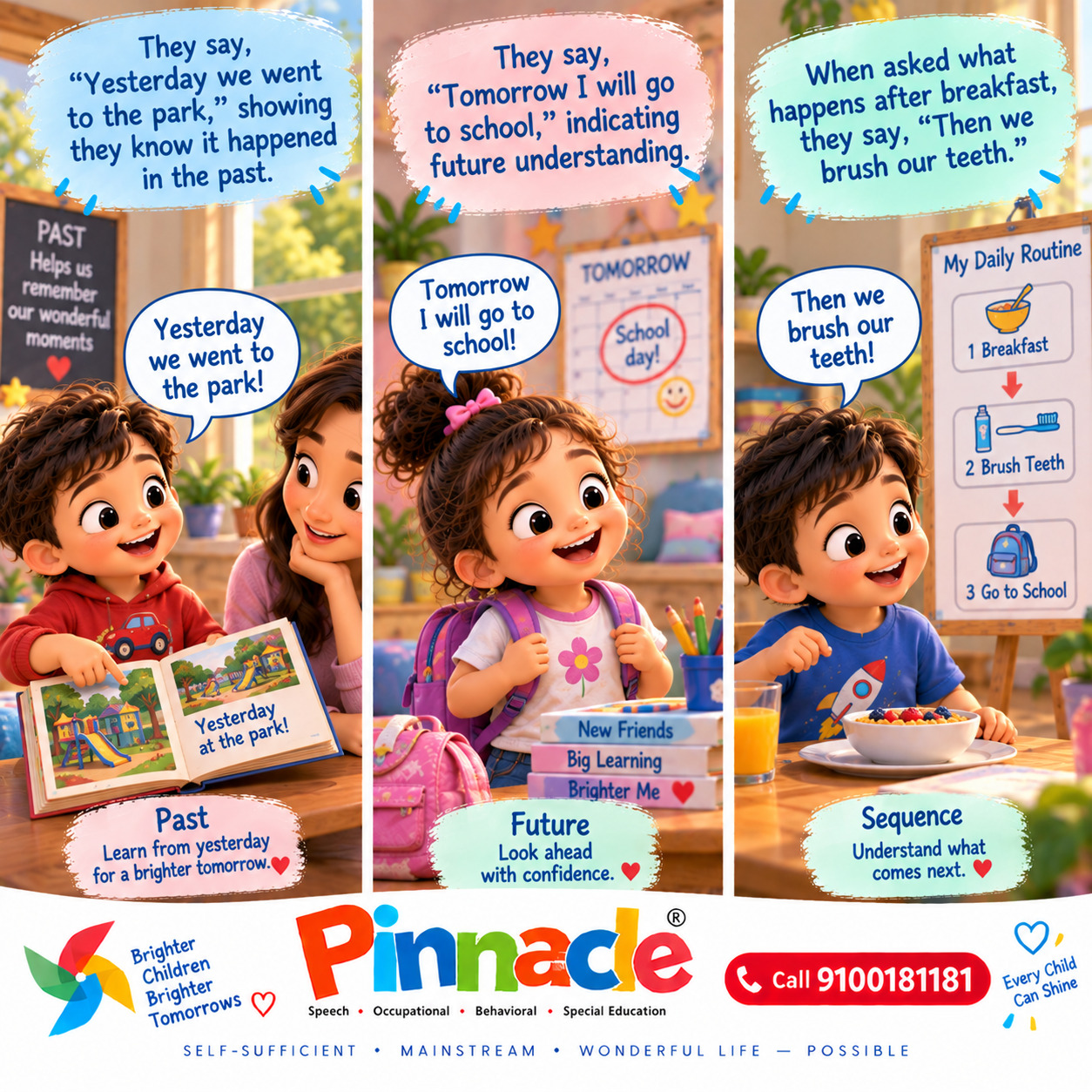
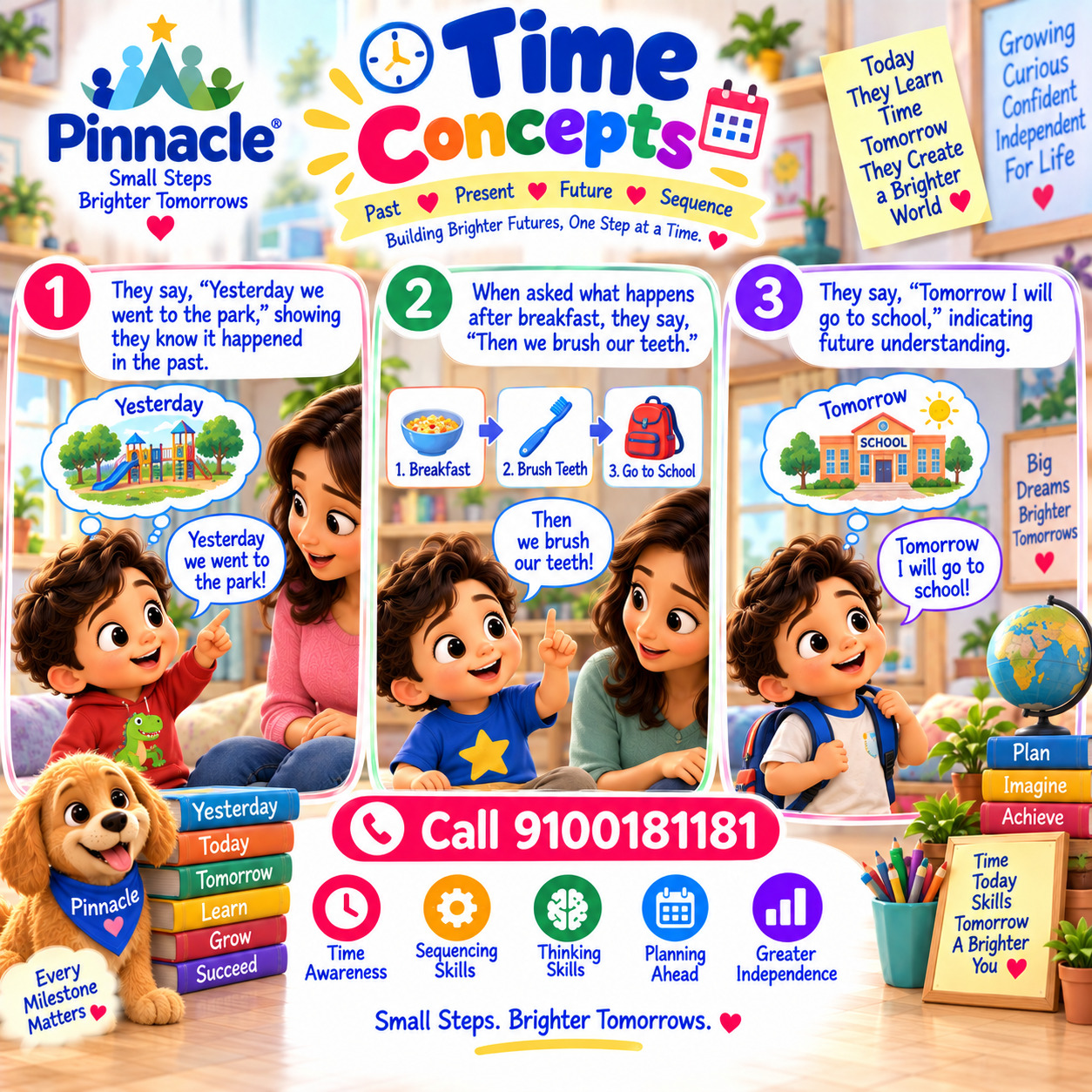
Does the child understand and use concepts of time (e.g., yesterday, tomorrow) and sequence?
Topic: Time concepts
Example 1
They say, “Yesterday we went to the park,” showing they know it happened in the past.
Example 2
When asked what happens after breakfast, they say, “Then we brush our teeth.”
Example 3
They say, “Tomorrow I will go to school,” indicating future understanding.
Example illustrationQuestion illustration
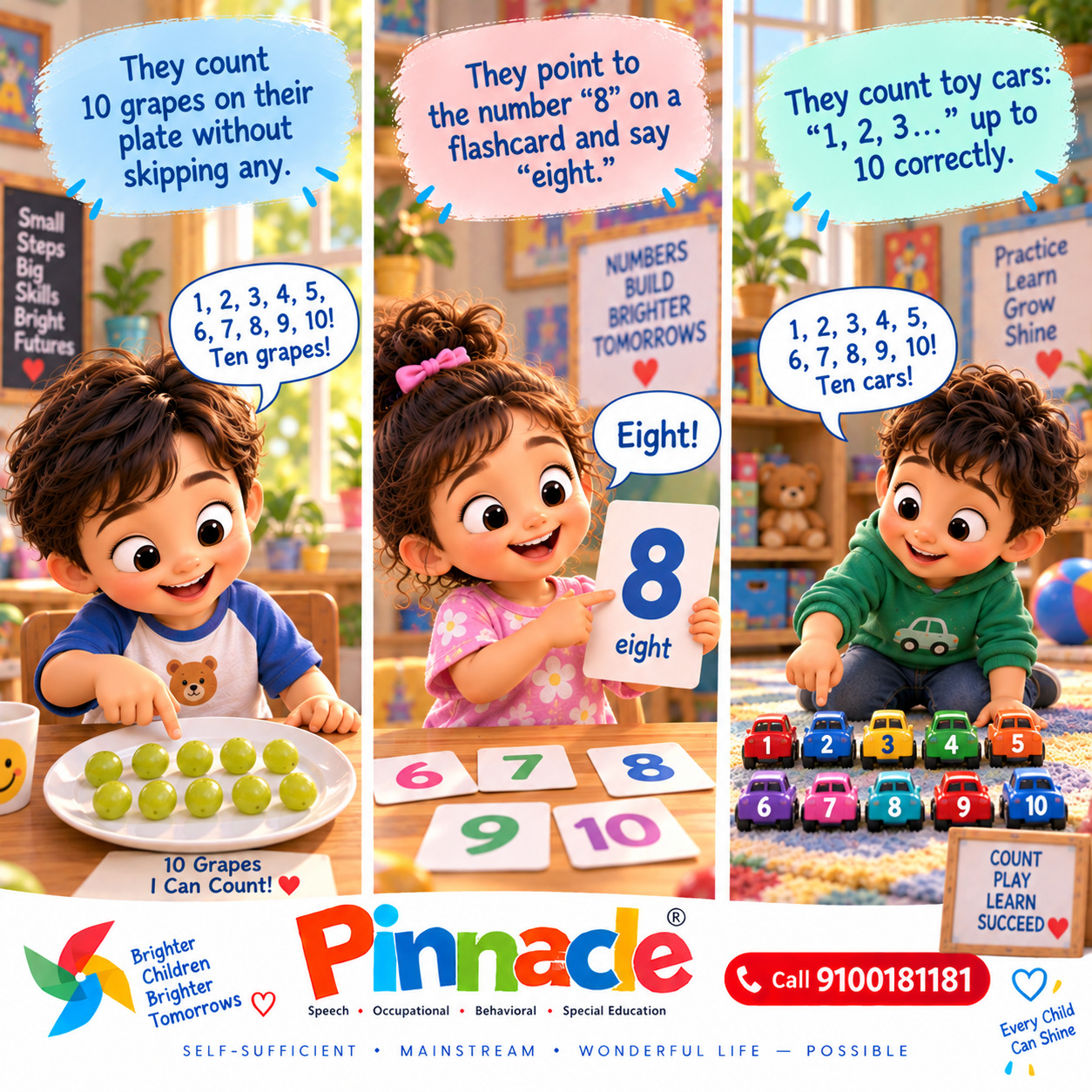
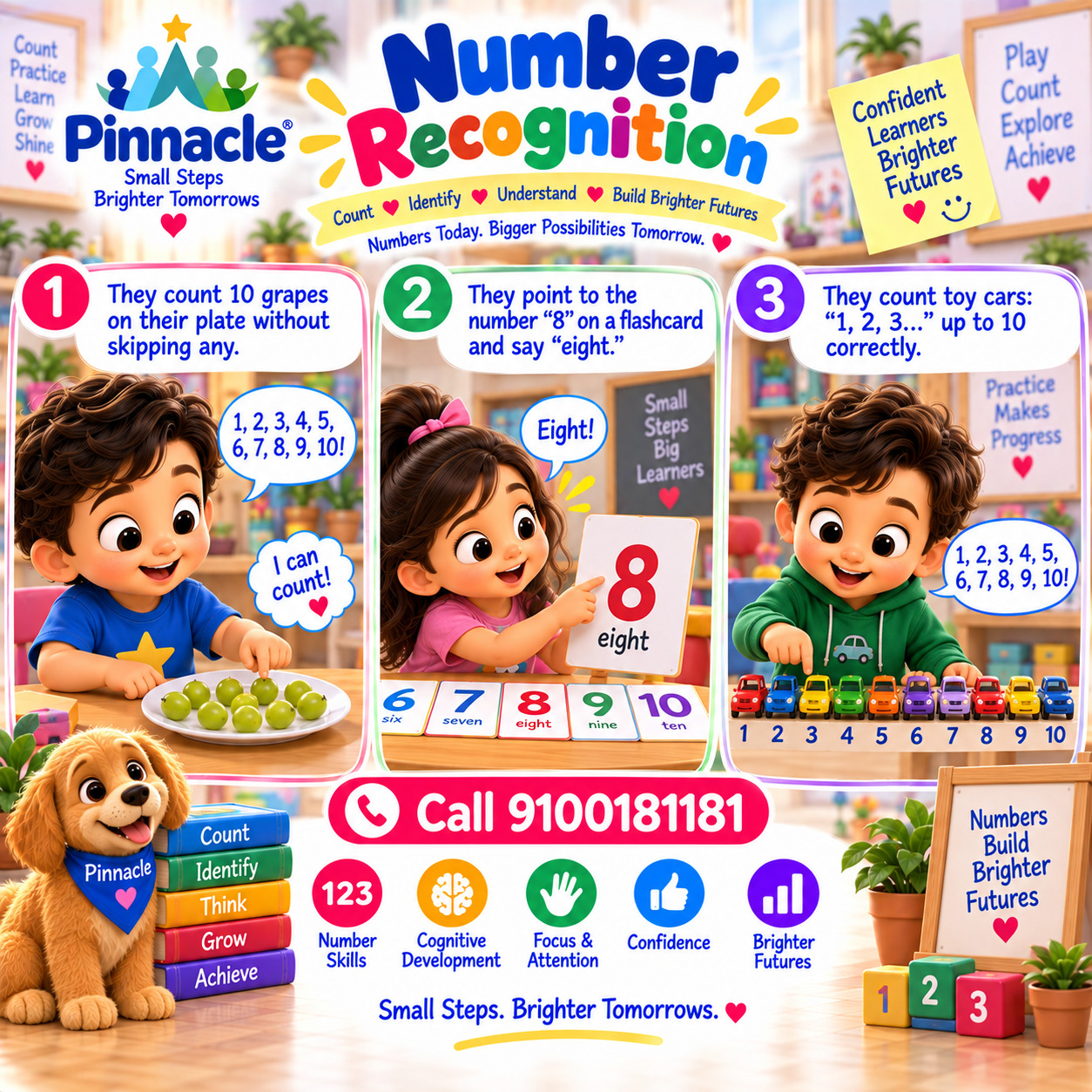
Can the child count objects accurately (at least up to 10) and recognize numbers?
Topic: Number recognition
Example 1
They count 10 grapes on their plate without skipping any.
Example 2
They point to the number “8” on a flashcard and say “eight.”
Example 3
They count toy cars: “1, 2, 3…” up to 10 correctly.
Example illustrationQuestion illustration
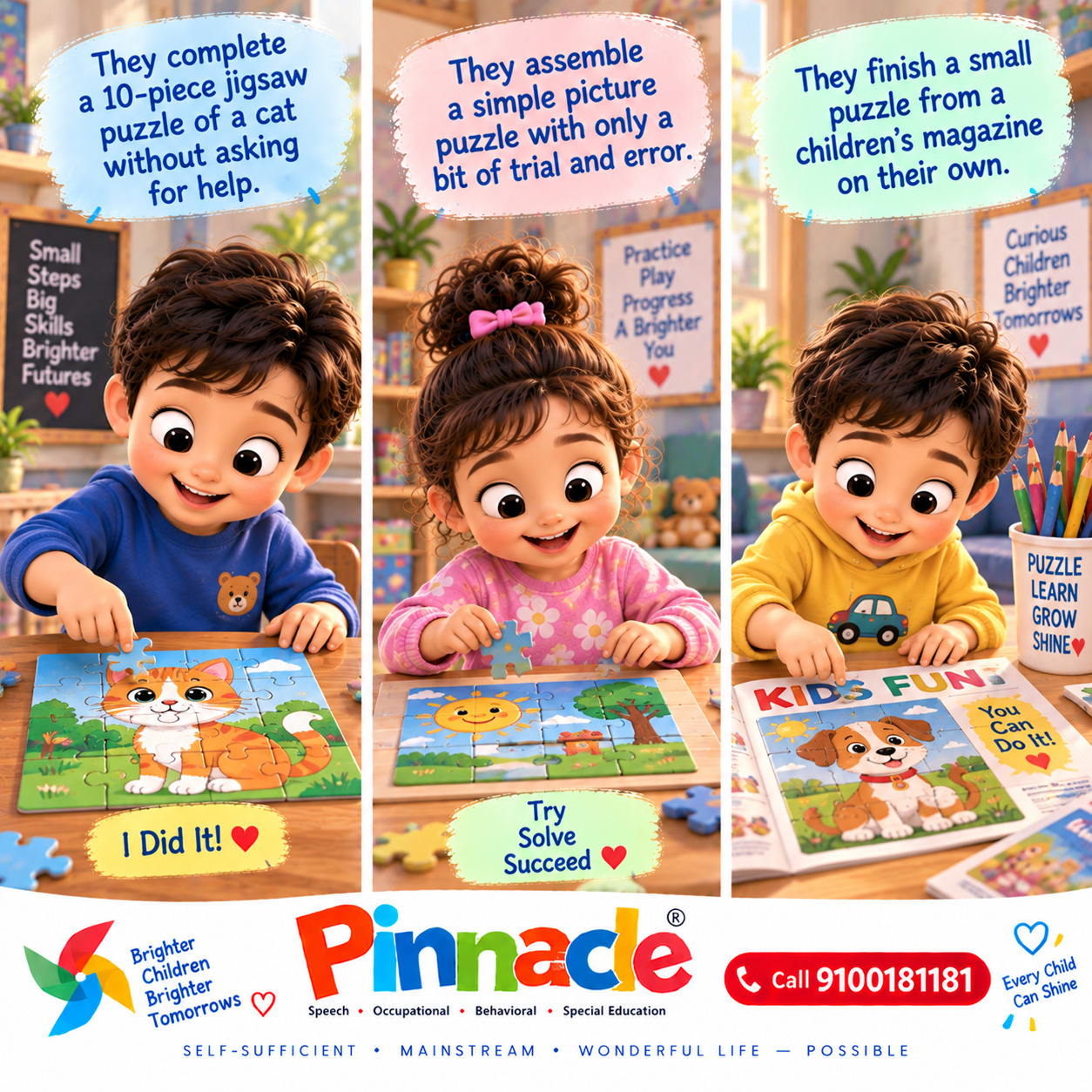
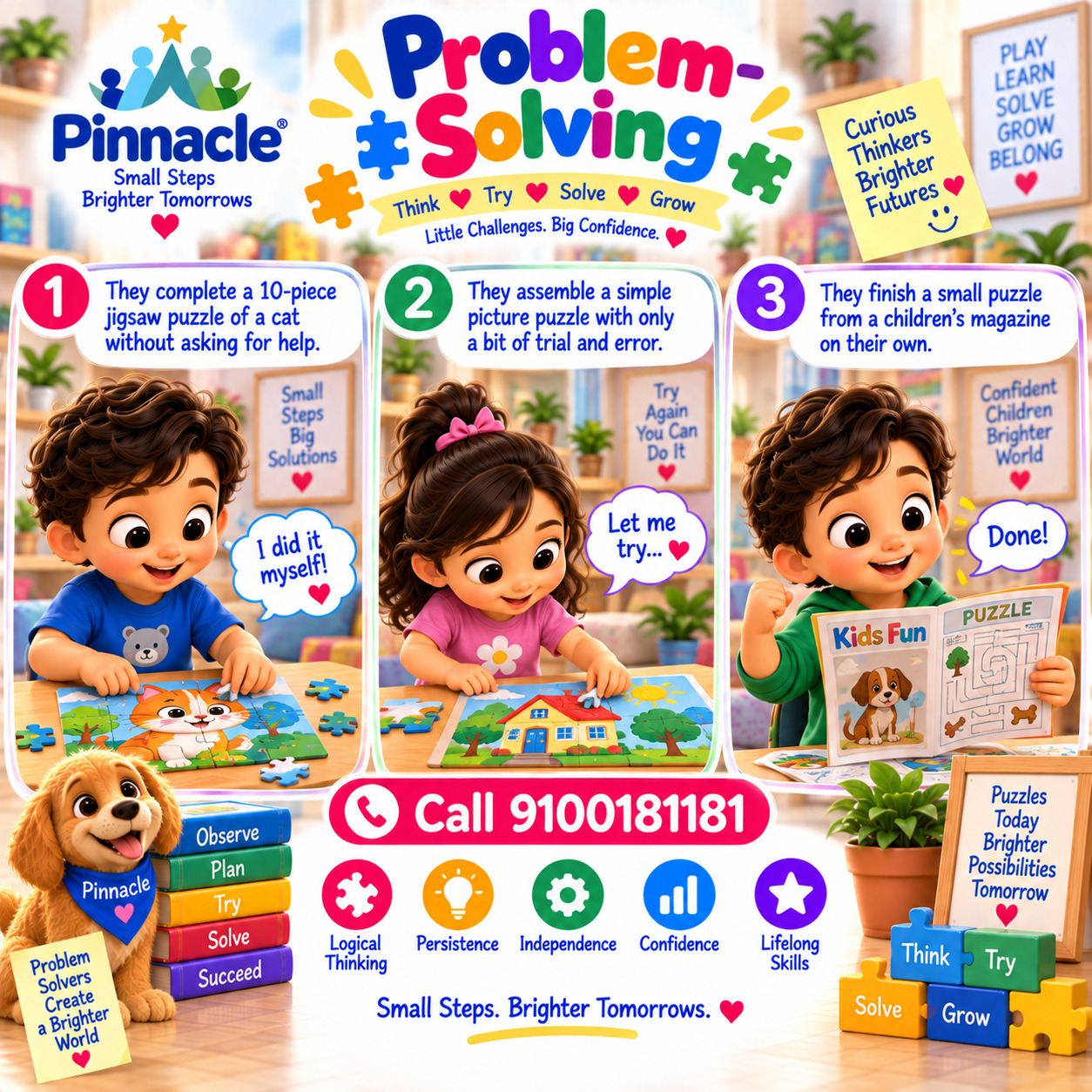
Does the child solve simple age-appropriate puzzles (e.g., 8–10 piece puzzle) independently?
Topic: Problem-solving
Example 1
They complete a 10-piece jigsaw puzzle of a cat without asking for help.
Example 2
They assemble a simple picture puzzle with only a bit of trial and error.
Example 3
They finish a small puzzle from a children’s magazine on their own.
Example illustrationQuestion illustration
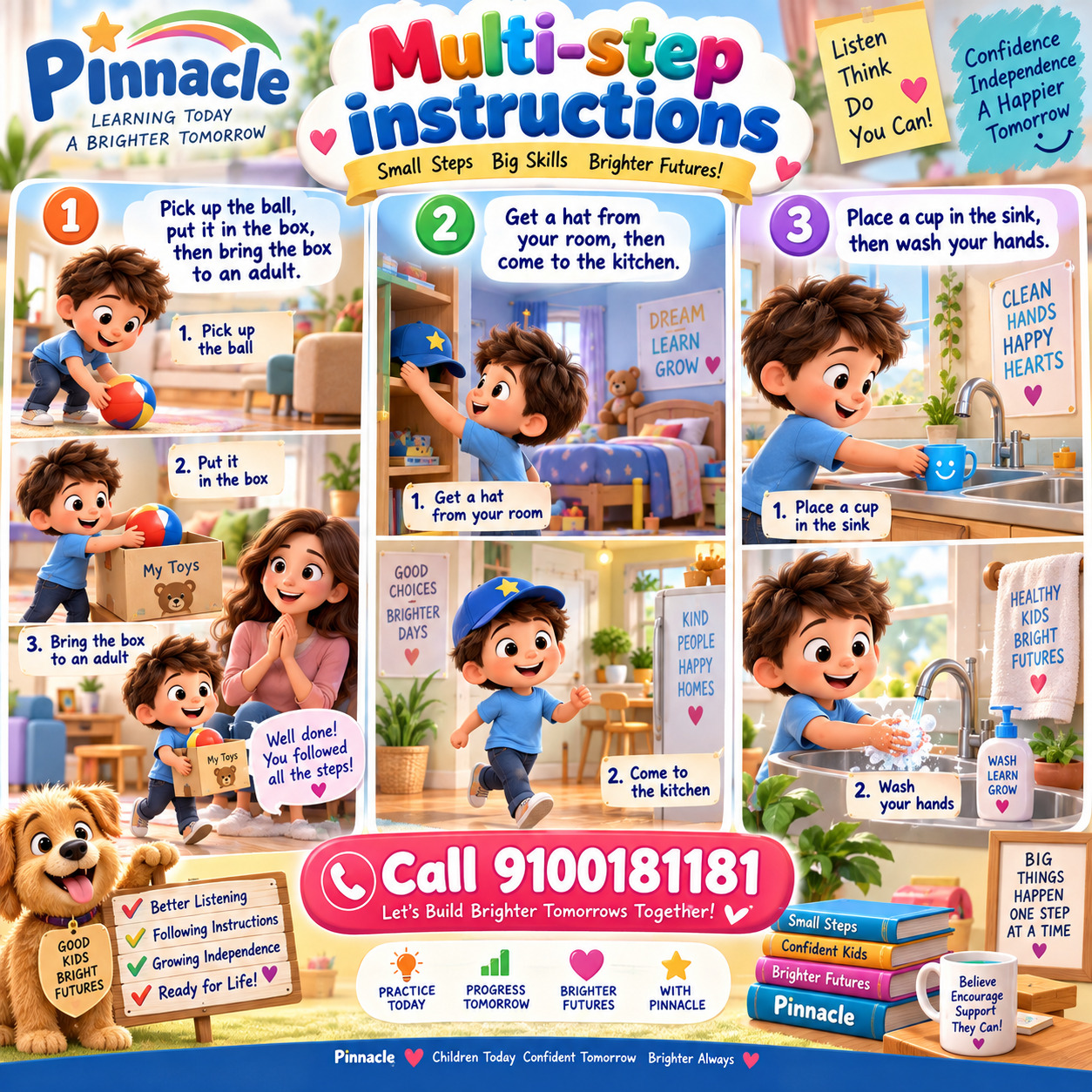
Can the child follow multi-step instructions (e.g., “Put the book on the shelf, then close the door”)?
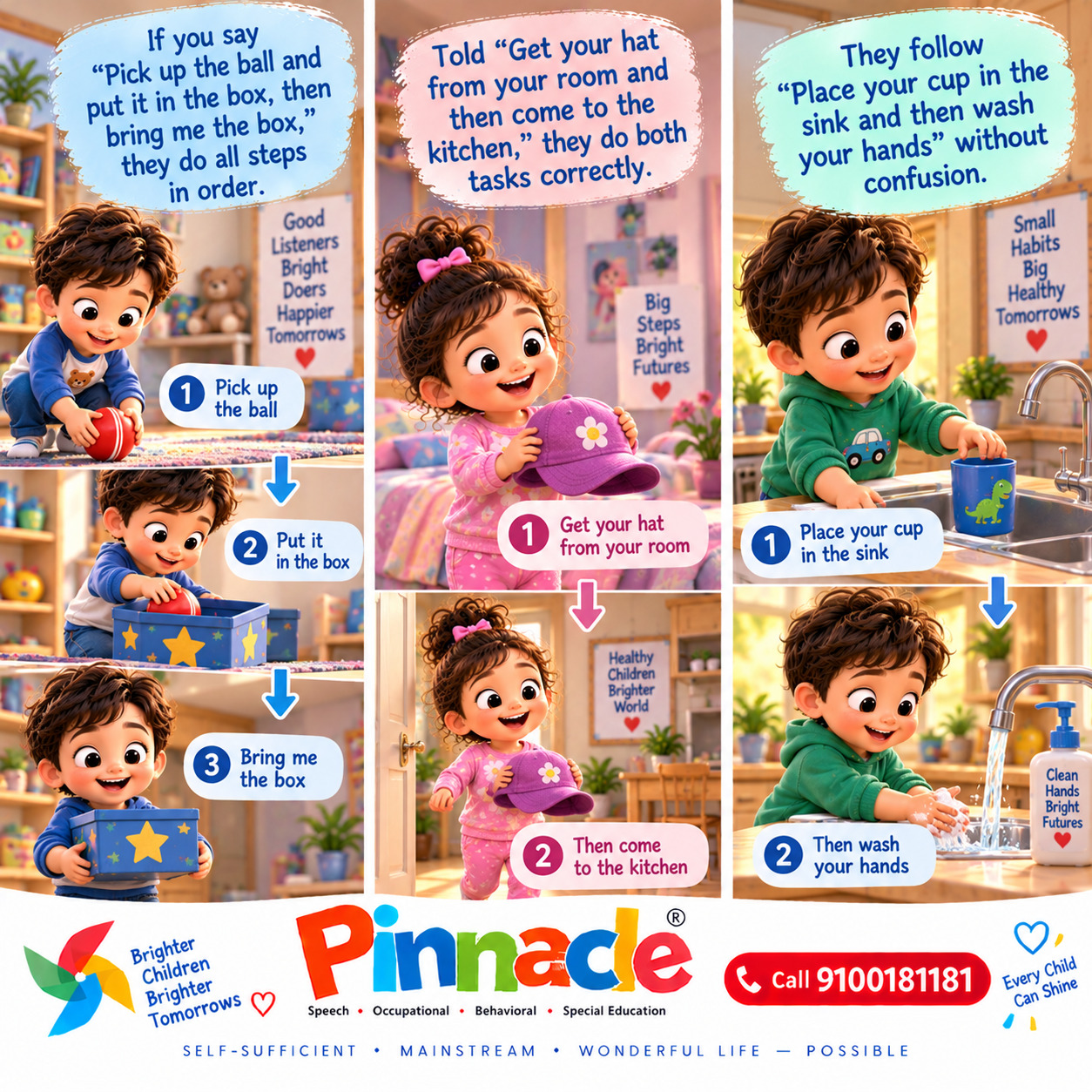
Topic: Multi-step instructions
Example 1
If you say “Pick up the ball and put it in the box, then bring me the box,” they do all steps in order.
Example 2
Told “Get your hat from your room and then come to the kitchen,” they do both tasks correctly.
Example 3
They follow “Place your cup in the sink and then wash your hands” without confusion.
Example illustrationQuestion illustration
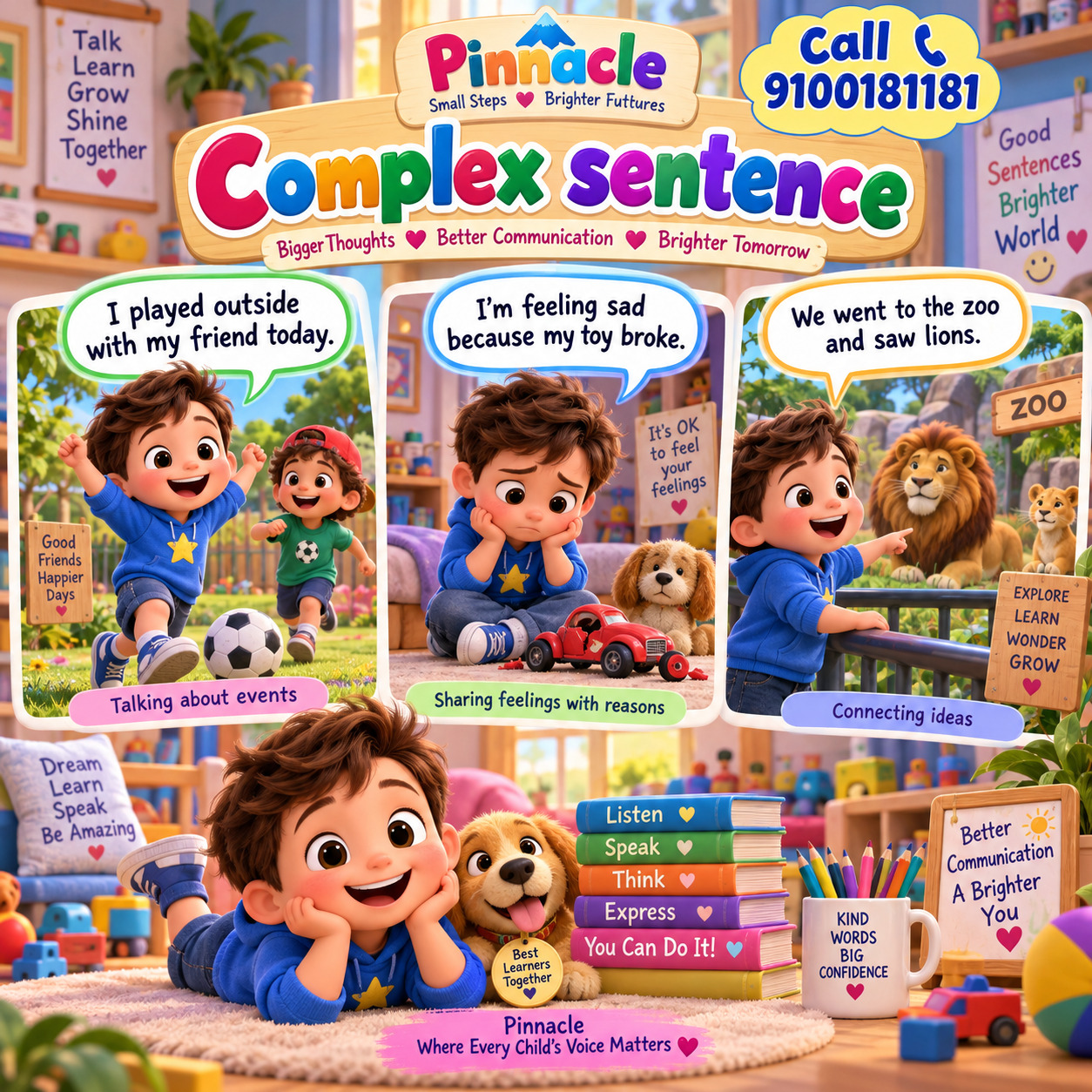
Does the child use complex sentences (5–6 words) to describe events or feelings?
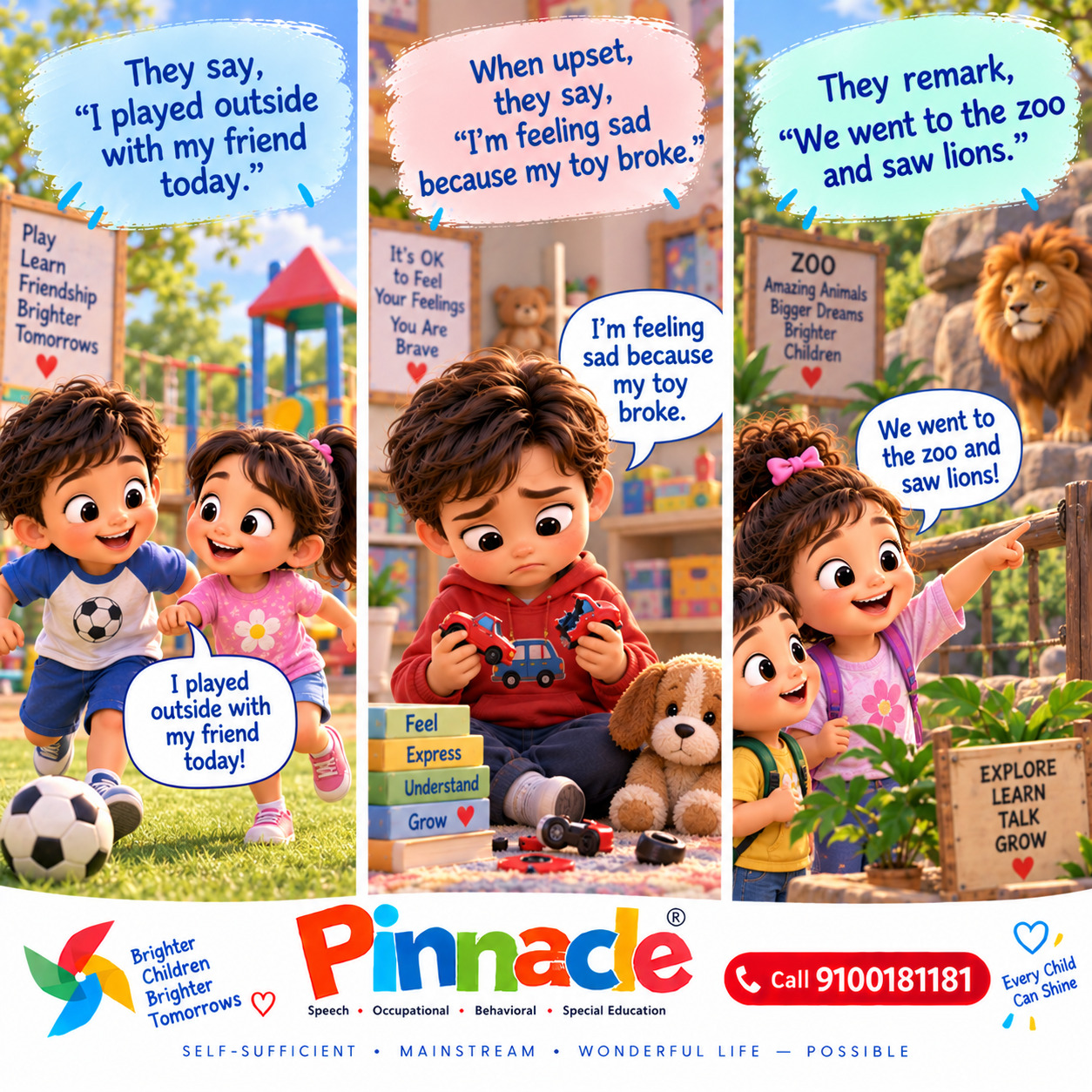
Topic: Complex sentence
Example 1
They say, “I played outside with my friend today.”
Example 2
When upset, they say, “I’m feeling sad because my toy broke.”
Example 3
They remark, “We went to the zoo and saw lions.”
Example illustrationQuestion illustration
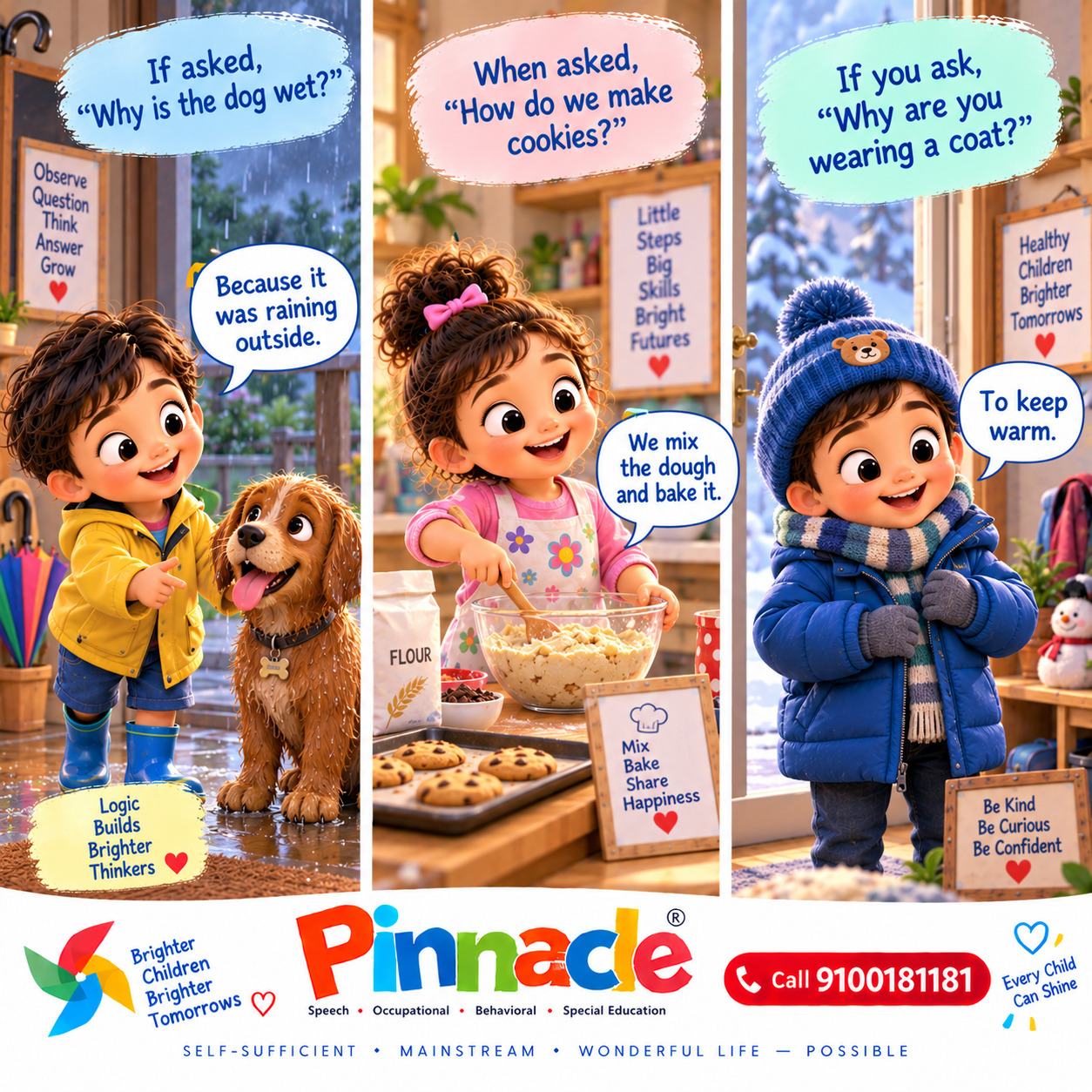
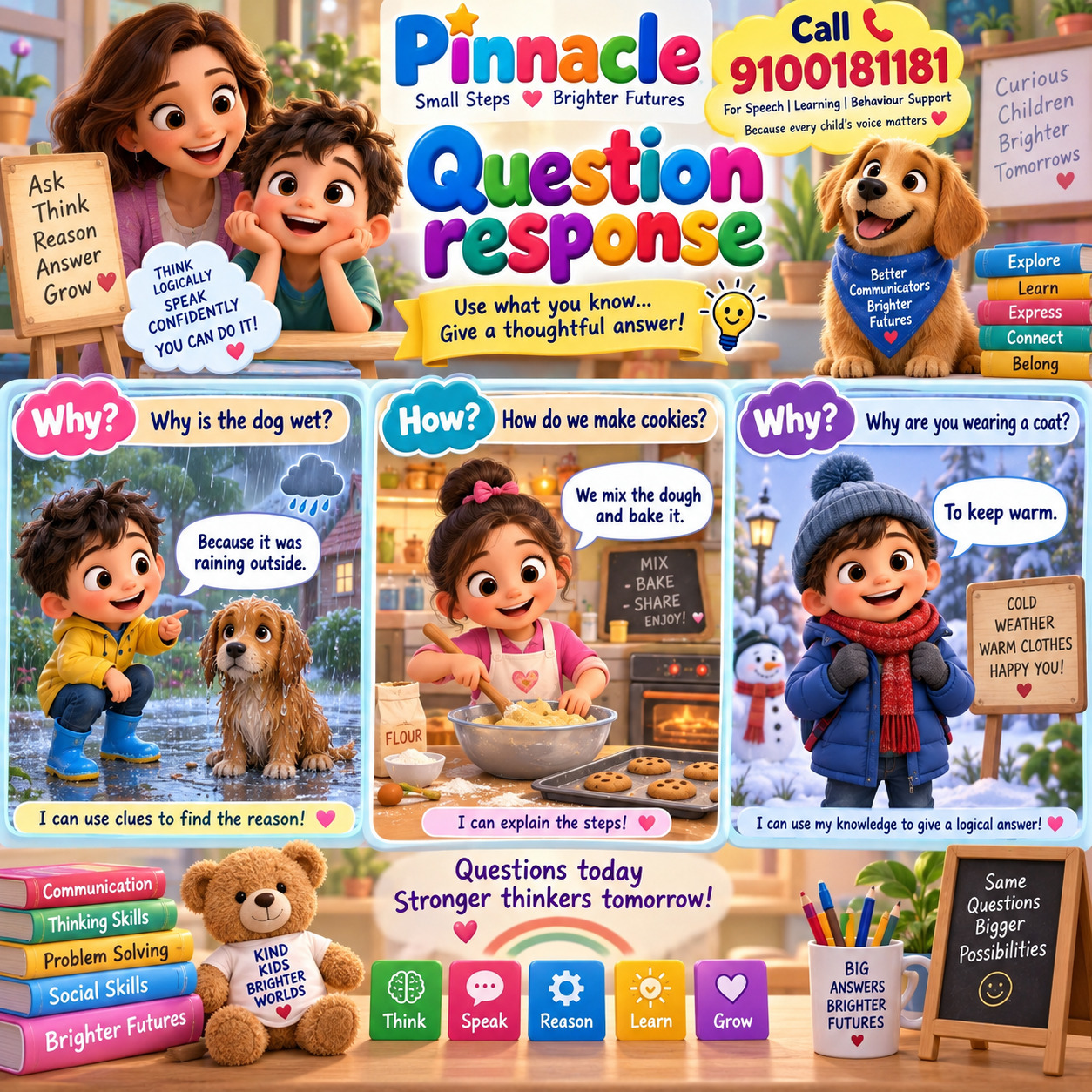
Can the child understand and respond to “why” or “how” questions with logical answers?
Topic: Question response
Example 1
If asked, “Why is the dog wet?” they reply “Because it was raining outside.”
Example 2
When asked, “How do we make cookies?” they say, “We mix the dough and bake it.”
Example 3
If you ask, “Why are you wearing a coat?” they say, “To keep warm.”
Example illustrationQuestion illustration
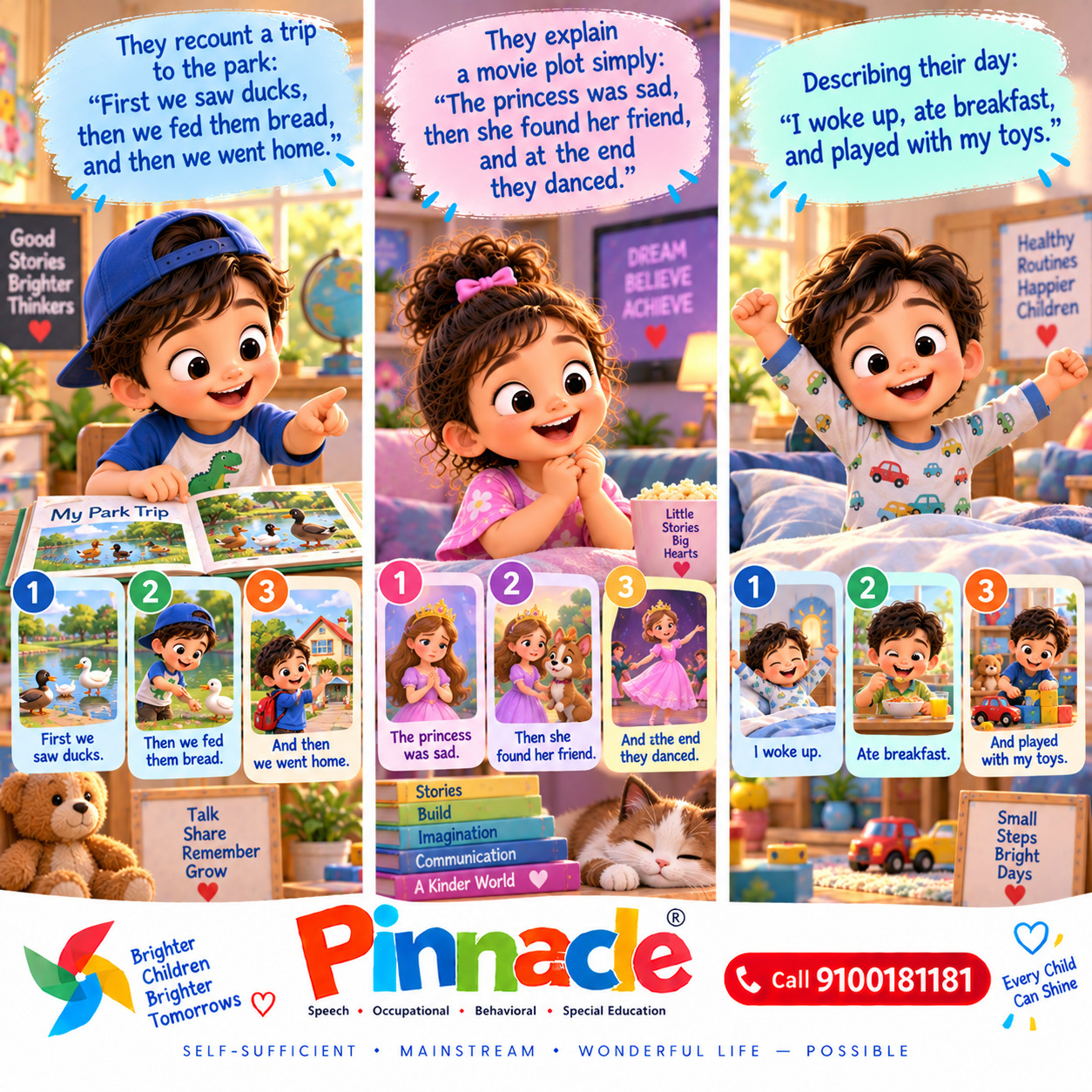
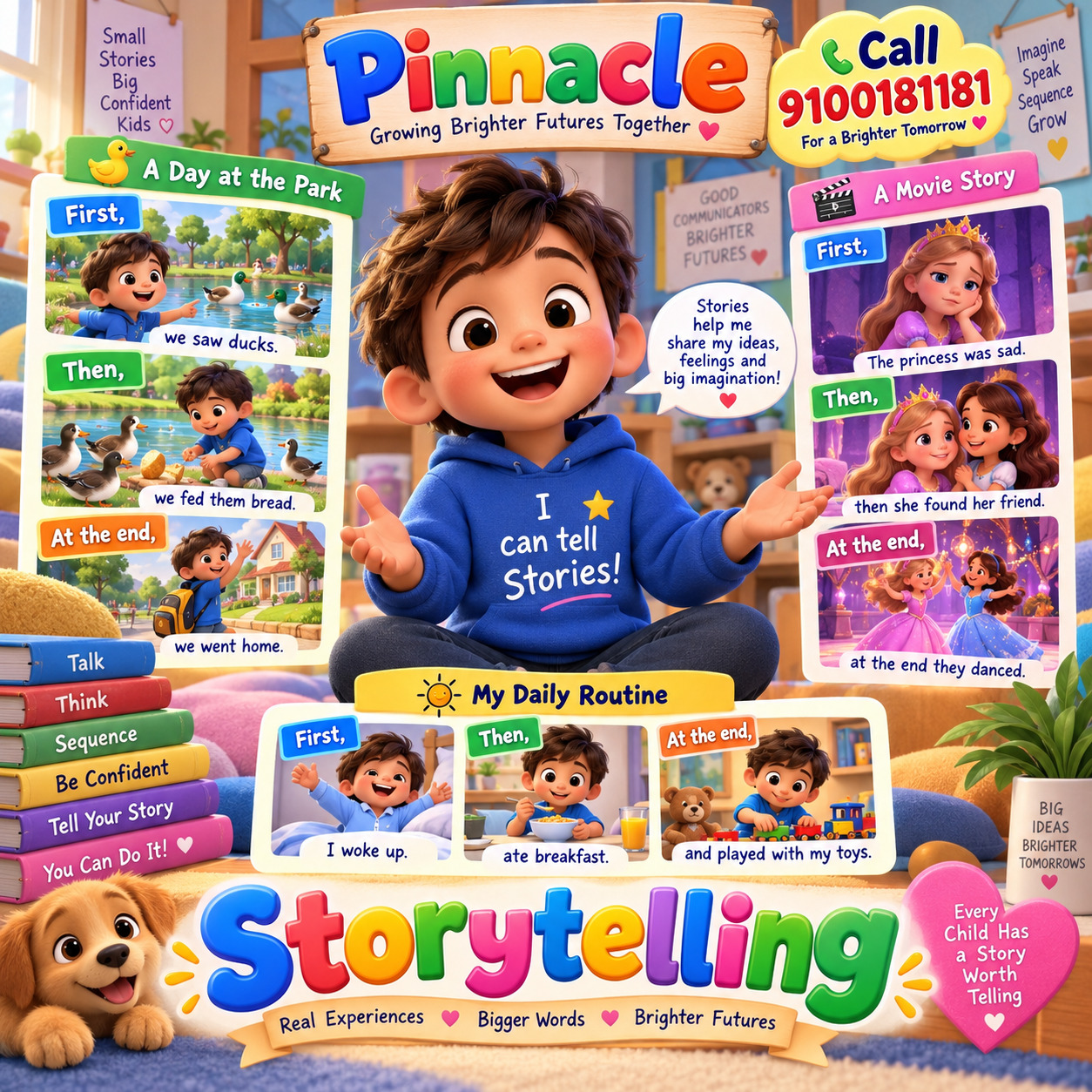
Does the child tell simple stories in sequence (beginning, middle, end) without prompting?
Topic: Storytelling
Example 1
They recount a trip to the park: “First we saw ducks, then we fed them bread, and then we went home.”
Example 2
They explain a movie plot simply: “The princess was sad, then she found her friend, and at the end they danced.”
Example 3
Describing their day: “I woke up, ate breakfast, and played with my toys.”
Example illustrationQuestion illustration
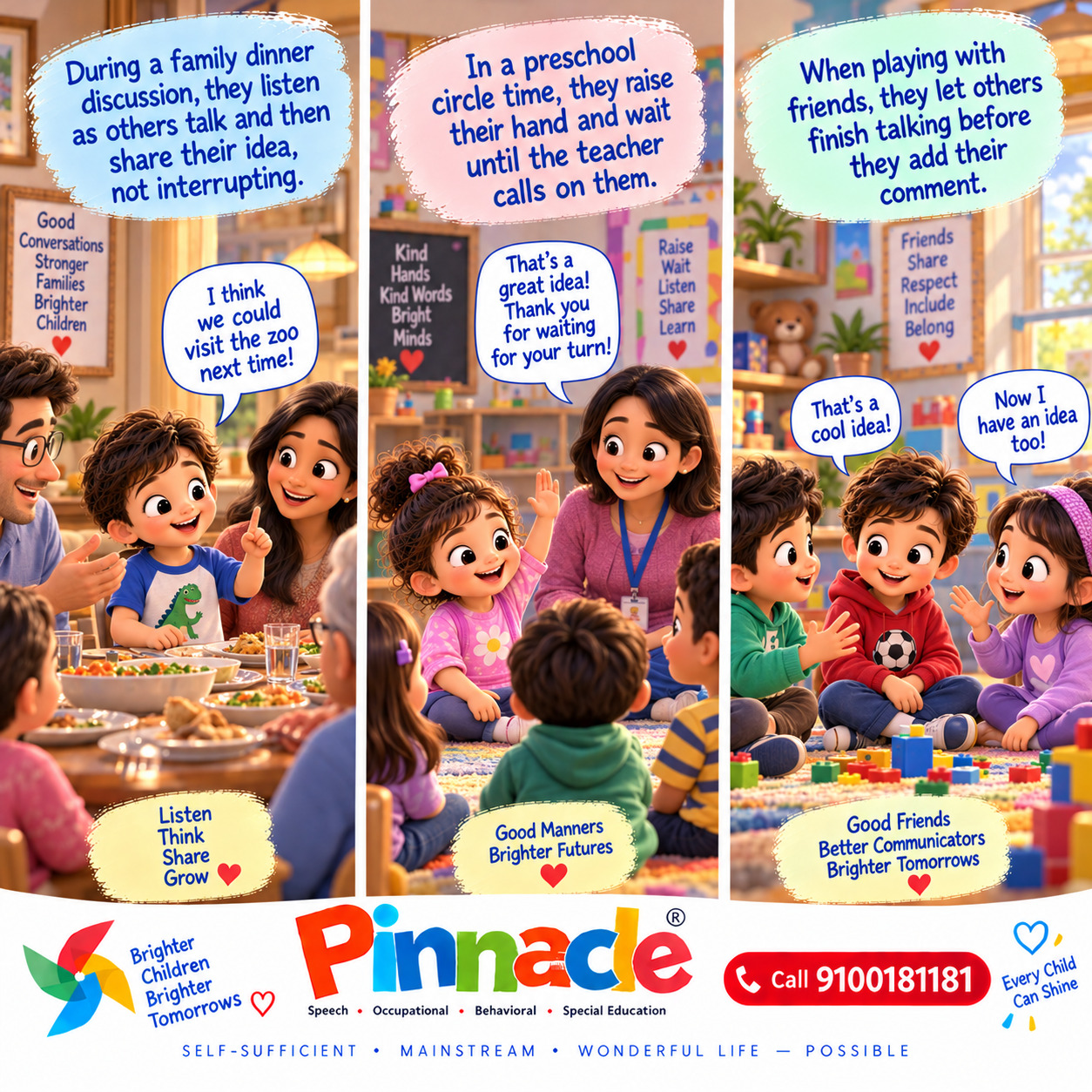
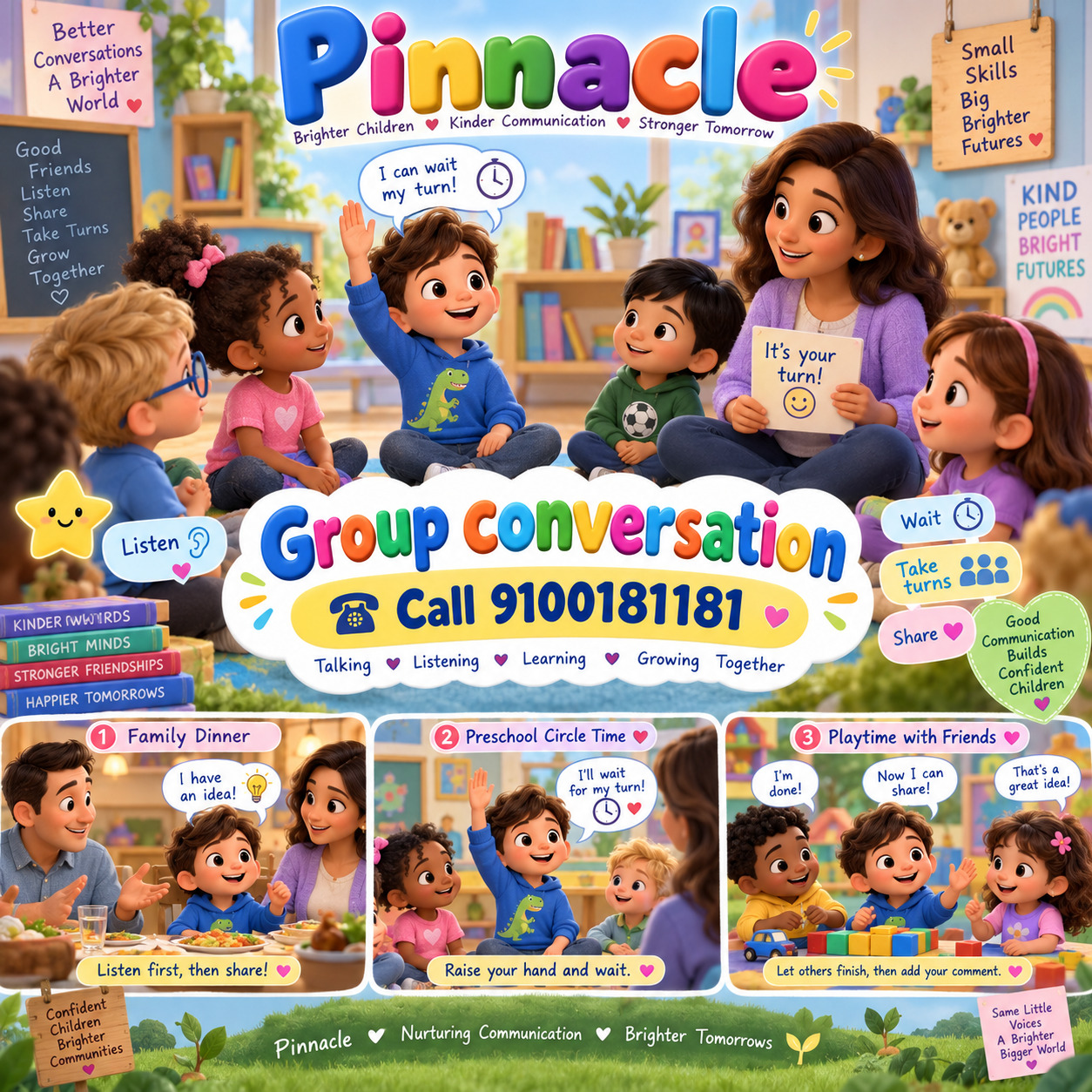
Can the child follow conversations in a group and wait their turn to speak?
Topic: Group conversation
Example 1
During a family dinner discussion, they listen as others talk and then share their idea, not interrupting.
Example 2
In a preschool circle time, they raise their hand and wait until the teacher calls on them.
Example 3
When playing with friends, they let others finish talking before they add their comment.
Example illustrationQuestion illustration
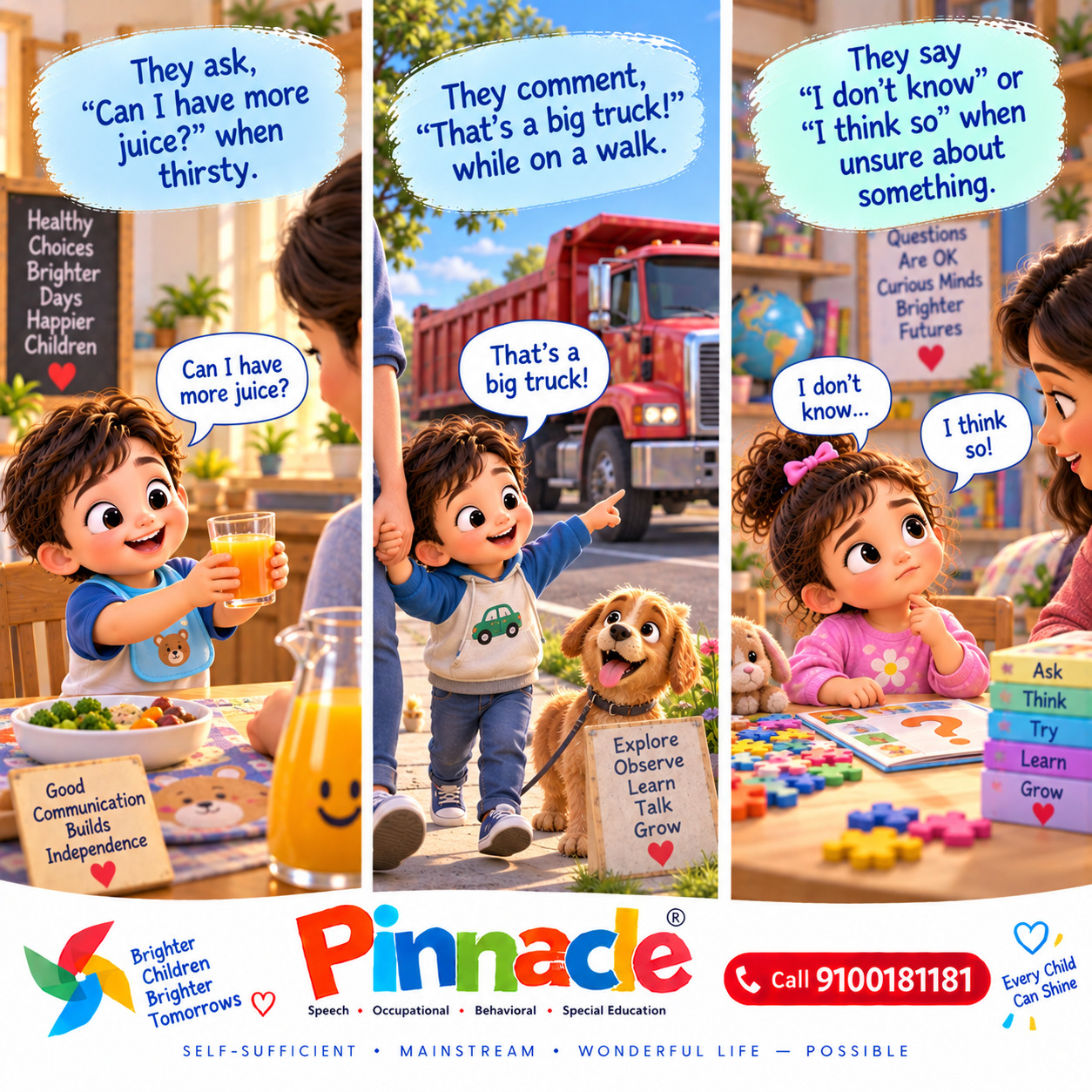
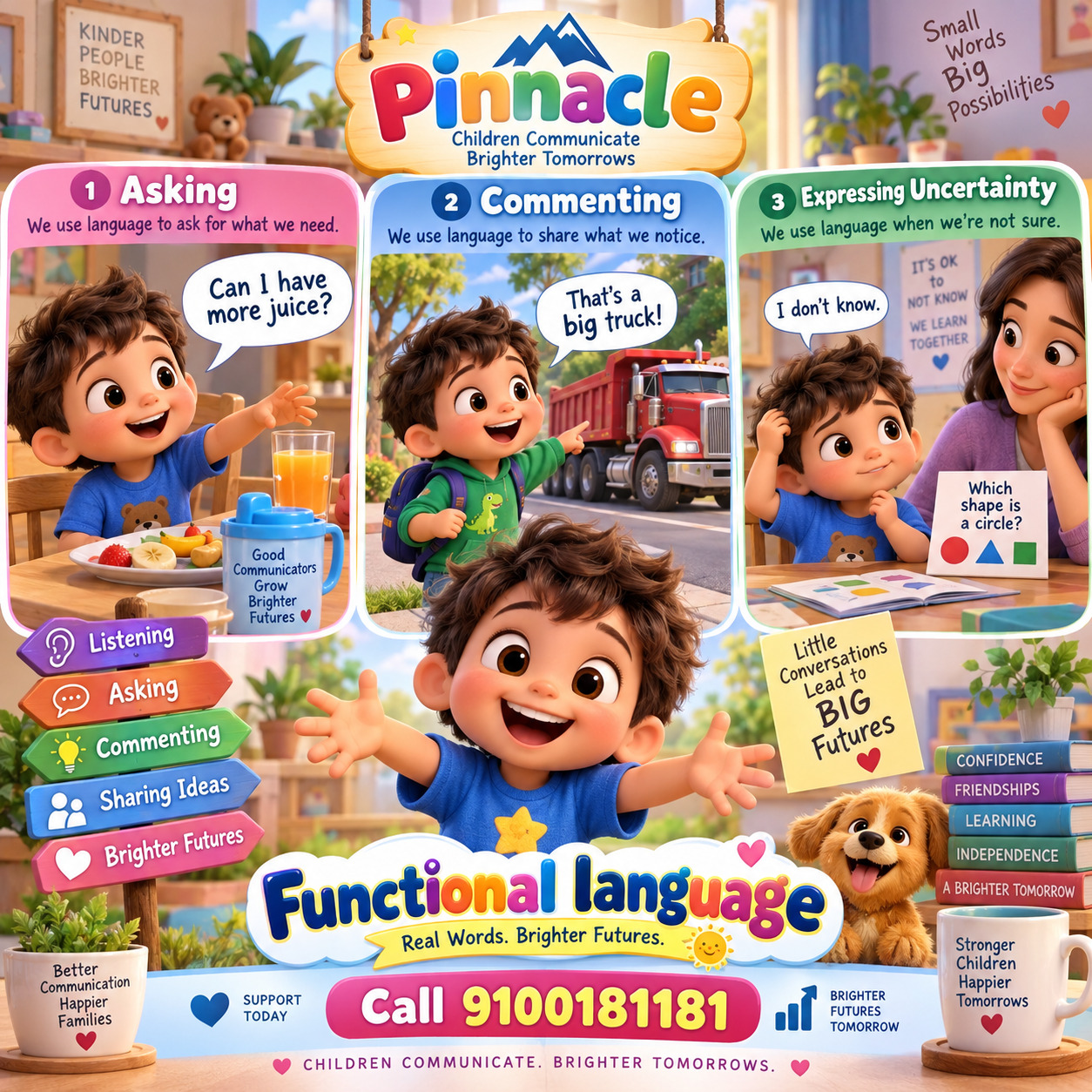
Does the child use language for different purposes (e.g., asking questions, making requests, commenting)?
Topic: Functional language
Example 1
They ask, “Can I have more juice?” when thirsty.
Example 2
They comment, “That’s a big truck!” while on a walk.
Example 3
They say “I don’t know” or “I think so” when unsure about something.
Example illustrationQuestion illustration
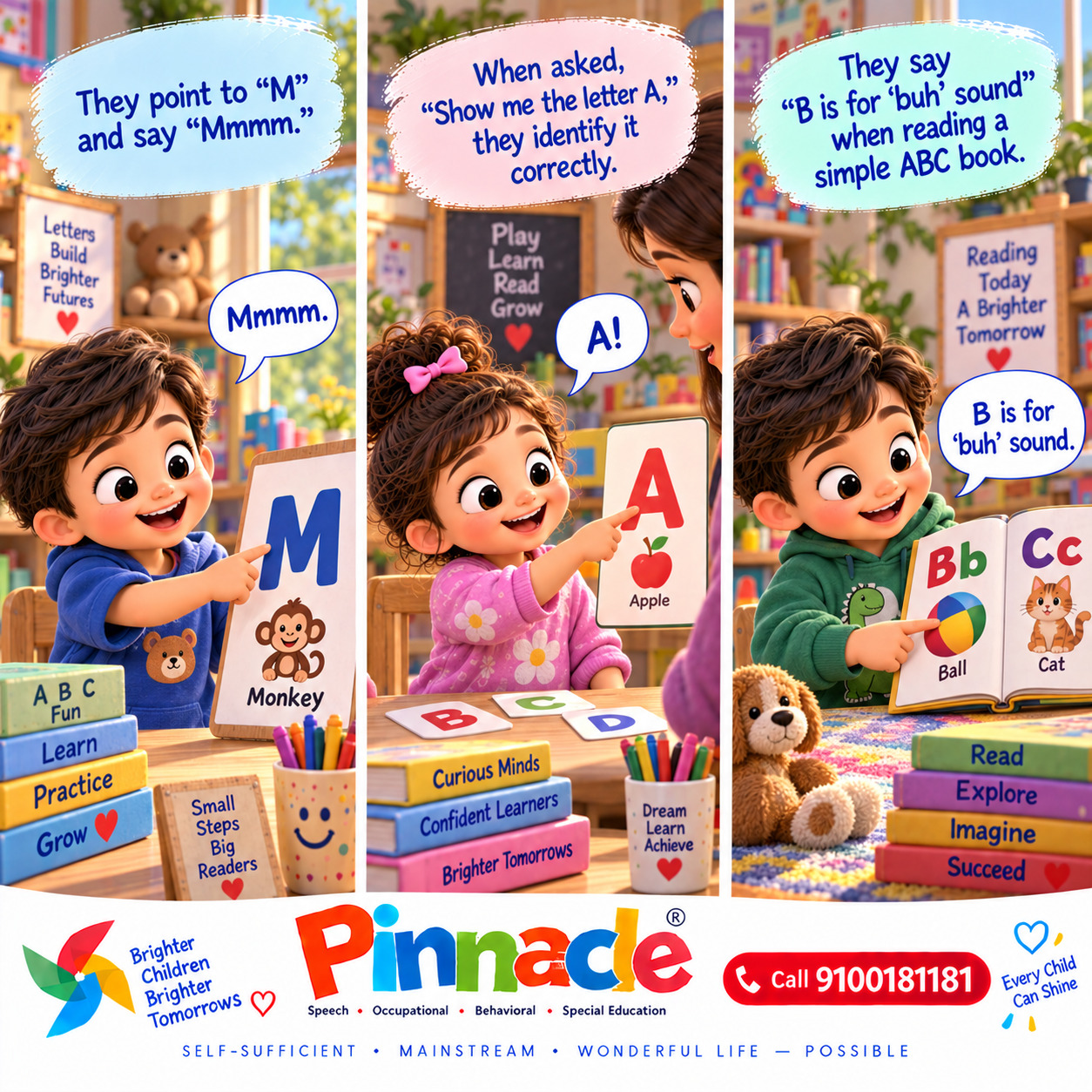
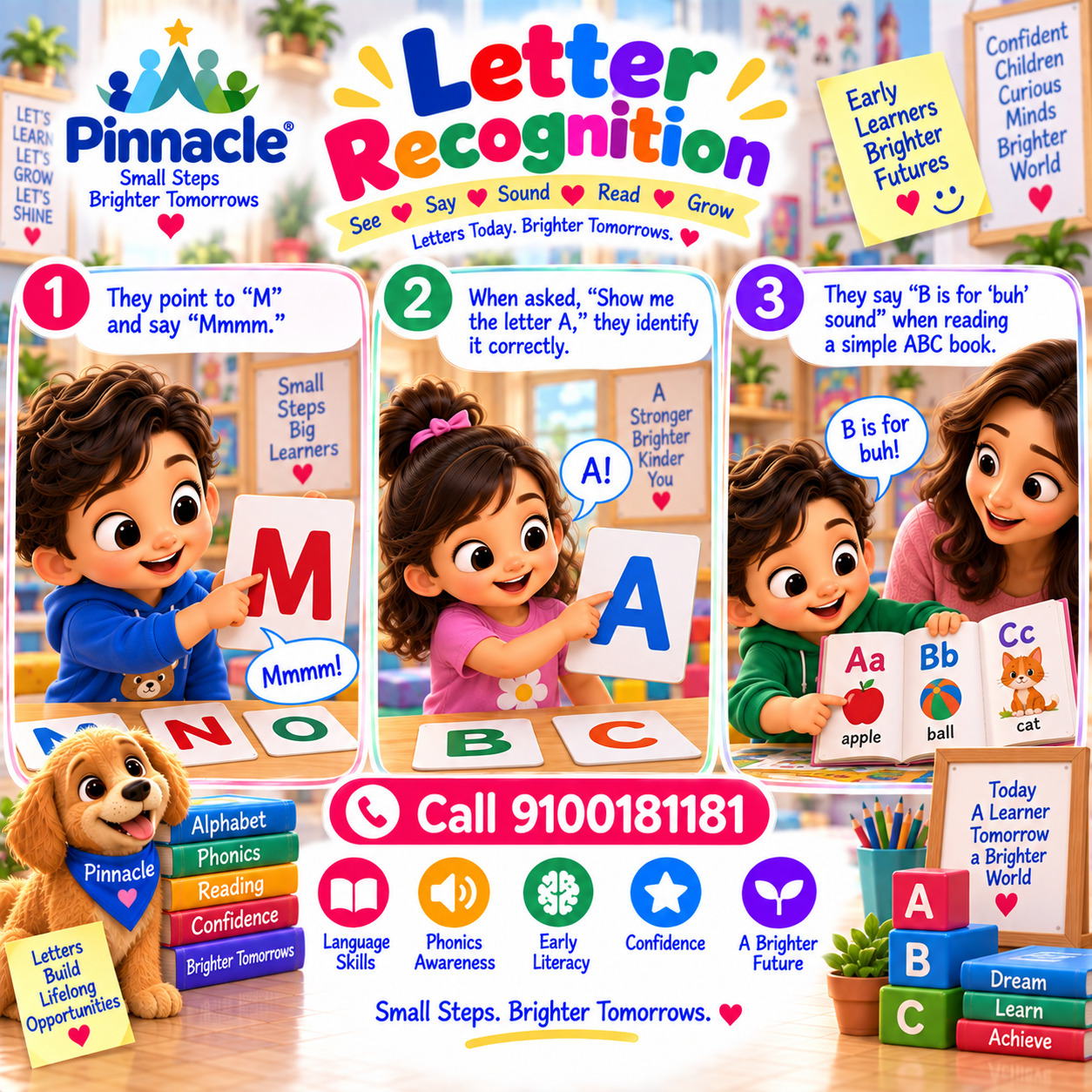
Can the child recognize most letters of the alphabet and associate some letters with sounds?
Topic: Letter recognition
Example 1
They point to “M” and say “Mmmm.”
Example 2
When asked, “Show me the letter A,” they identify it correctly.
Example 3
They say “B is for ‘buh’ sound” when reading a simple ABC book.
Example illustrationQuestion illustration
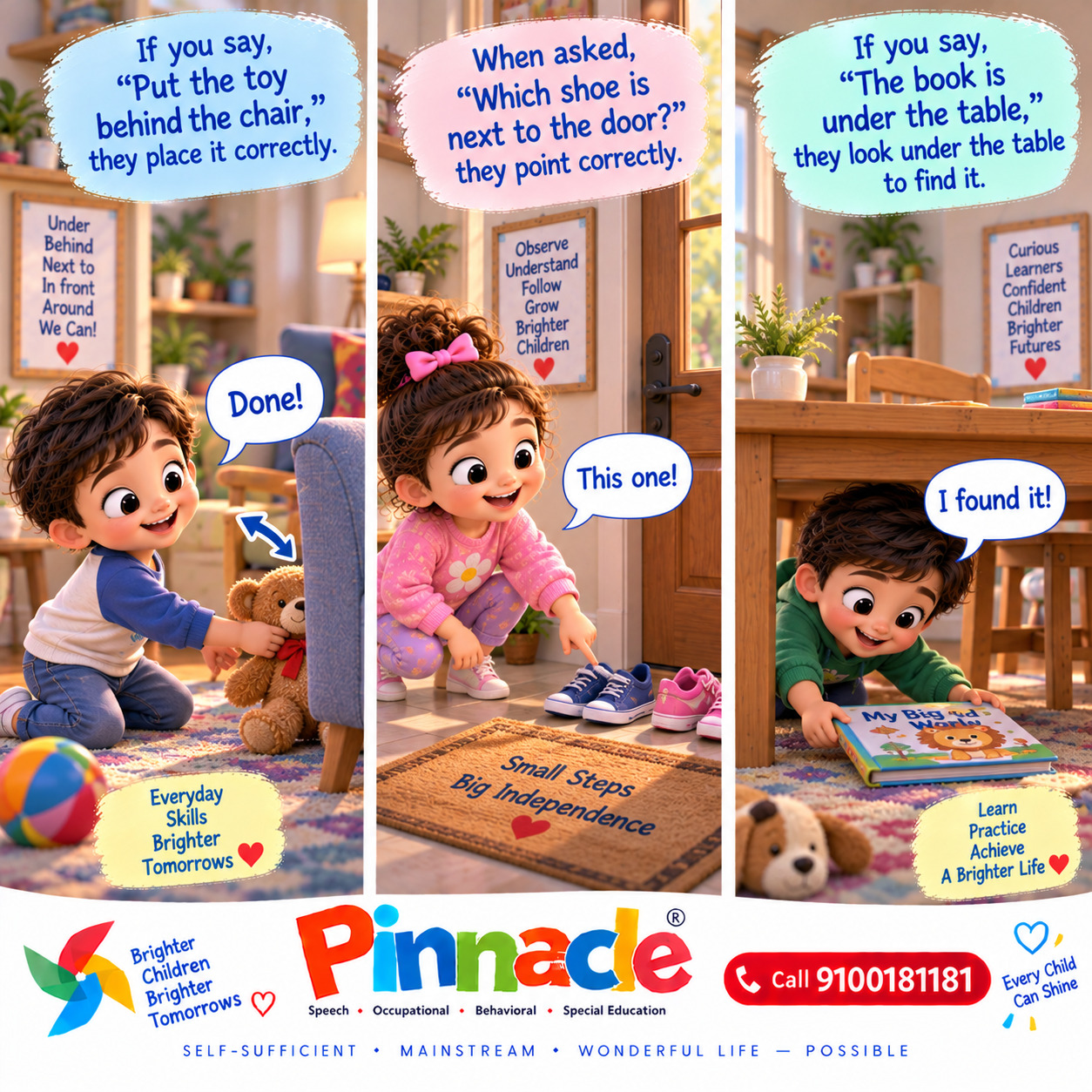
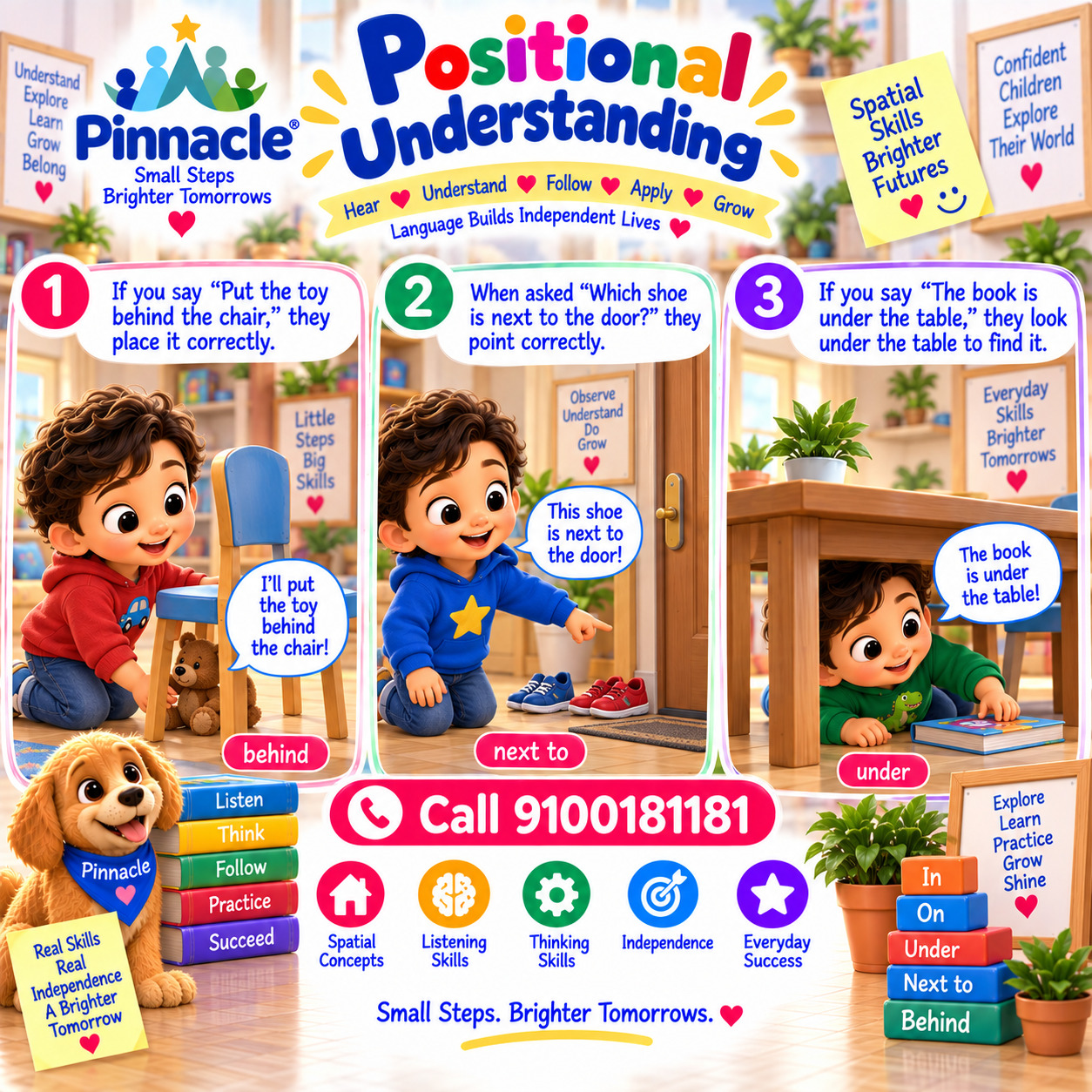
Does the child understand basic positional words (e.g., behind, next to) without gestures?
Topic: Positional understanding
Example 1
If you say “Put the toy behind the chair,” they place it correctly.
Example 2
When asked “Which shoe is next to the door?” they point correctly.
Example 3
If you say “The book is under the table,” they look under the table to find it.
Example illustrationQuestion illustration
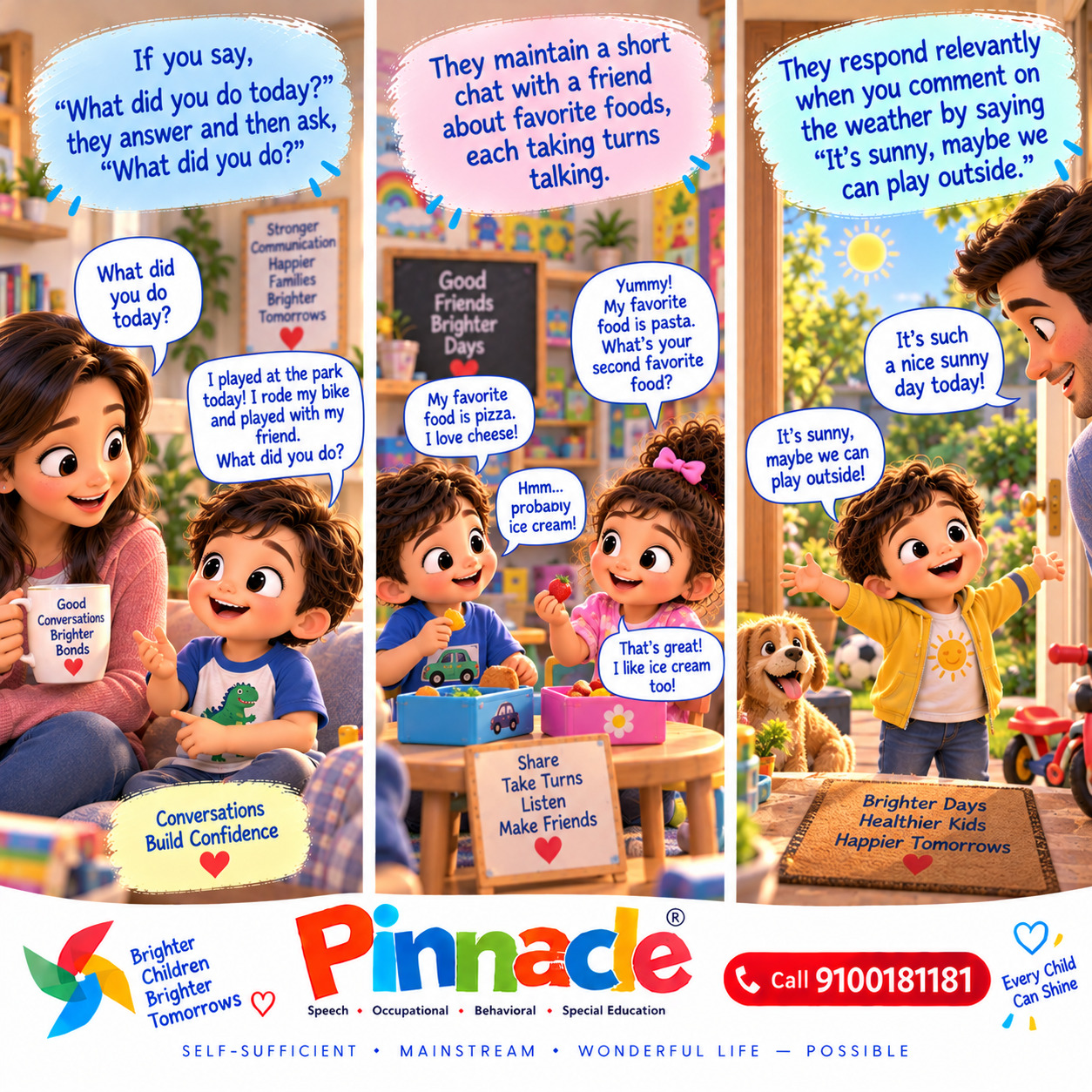
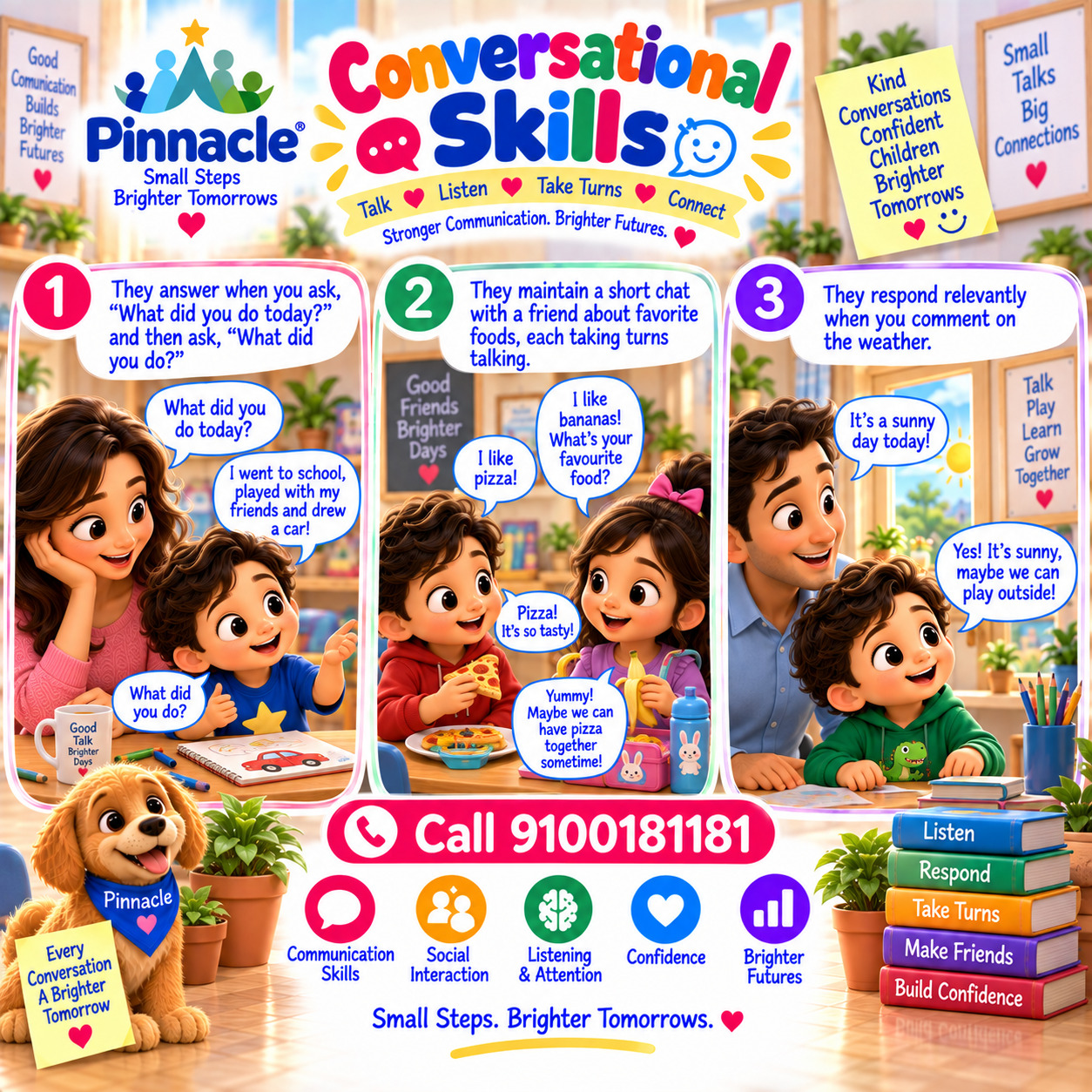
Can the child engage in back-and-forth conversation, responding appropriately to questions and comments?
Topic: Conversational skills
Example 1
If you say “What did you do today?” they answer and then ask, “What did you do?”
Example 2
They maintain a short chat with a friend about favorite foods, each taking turns talking.
Example 3
They respond relevantly when you comment on the weather by saying “It’s sunny, maybe we can play outside.”