

Today's Blog topic
The term ‘phobia’ is often used to refer to a fear of one particular trigger. However, there are three types of phobia recognized by the APA
Specific phobia: This is an intense, irrational fear of a specific trigger.
Social phobia, or social anxiety: This is a profound fear of public humiliation and being singled out or judged by others in a social situation. The idea of large social gatherings is terrifying for someone with social anxiety. It is not the same as shyness.
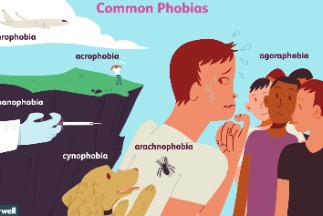
Agoraphobia: This is a fear of situations from which it would be difficult to escape if a person were to experience extreme panic, such being in a lift or being outside of the home. It is commonly misunderstood as a fear of open spaces but could also apply to being confined in a small space, such as an elevator, or being on public transport. People with agoraphobia have an increased risk of panic disorder.
Symptoms:
A person with a phobia will experience the following symptoms. They are common across the majority of phobias:
a sensation of uncontrollable anxiety when exposed to the source of fear
a feeling that the source of that fear must be avoided at all costs
not being able to function properly when exposed to the trigger
acknowledgment that the fear is irrational, unreasonable, and exaggerated, combined with an inability to control the feelings
Types
The most common specific phobiasTrusted Source in the U.S. include:
Claustrophobia: Fear of being in constricted, confined spaces
Aerophobia: Fear of flying
Arachnophobia: Fear of spiders
Driving phobia: Fear of driving a car
Emetophobia: Fear of vomiting
Erythrophobia: Fear of blushing
Hypochondria: Fear of becoming ill
Zoophobia: Fear of animals
Aquaphobia: Fear of water
Acrophobia: Fear of heights
Blood, injury, and injection (BII) phobia: Fear of injuries involving bloodTrusted Source
Escalaphobia: Fear of escalators
Tunnel phobia: Fear of tunnels